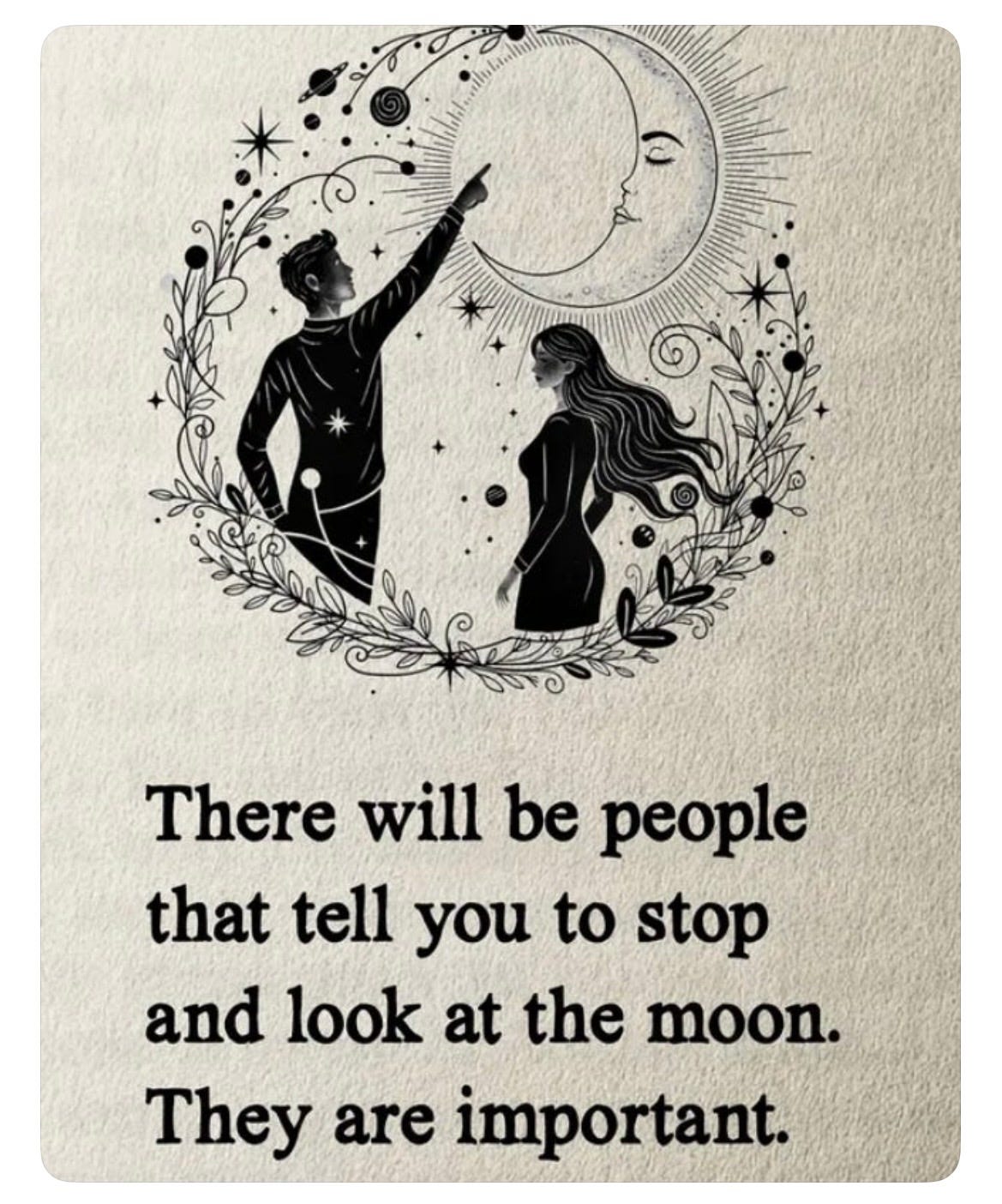
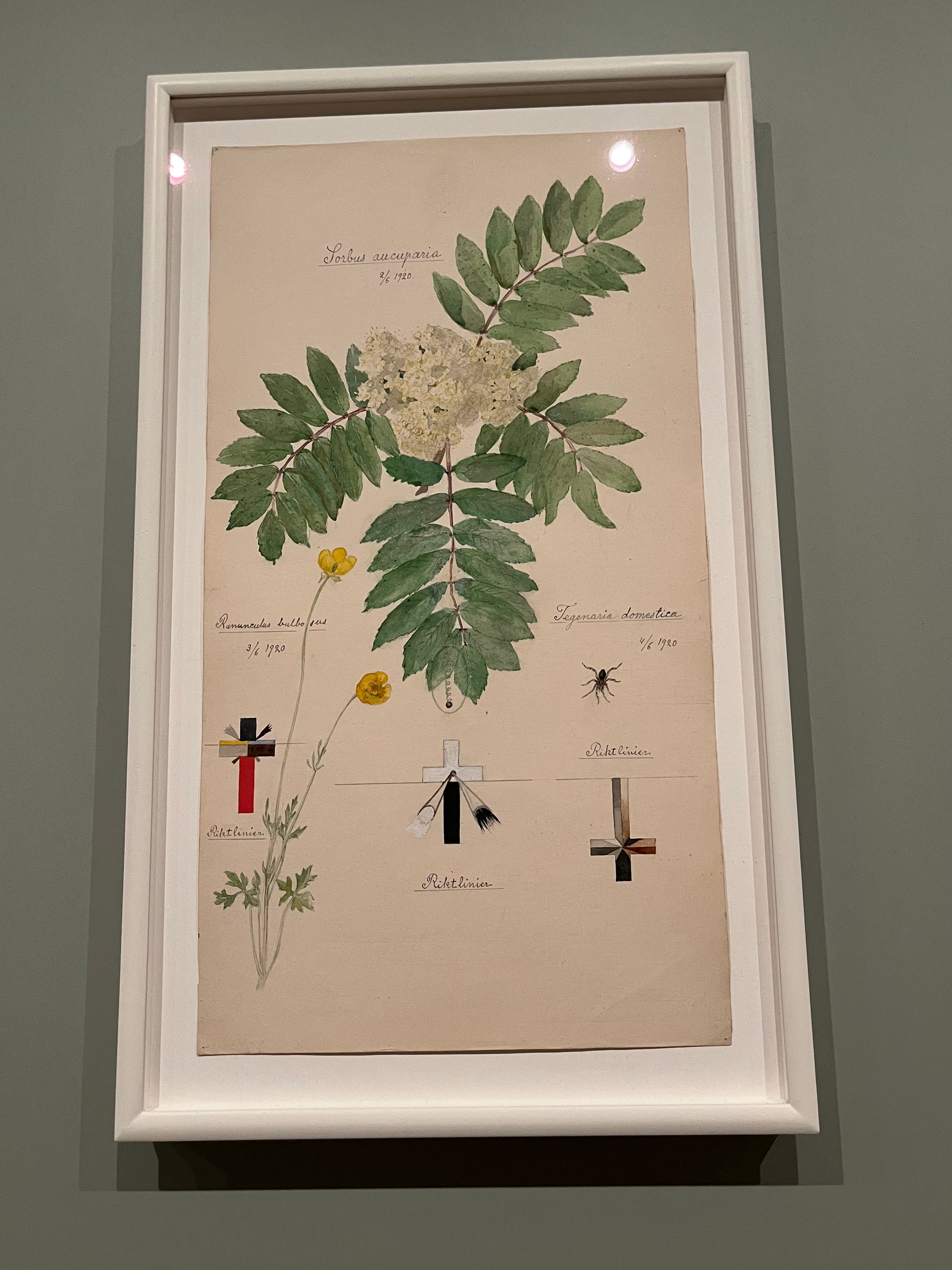
It takes a while to come down from the ledge, to decompress, when taking a vacation. All I had to decompress from, in my immediate life, was dealing with some personal grief, healing a hand from surgery, and unfeeling a job with lots of confusions in the odds and ends of finishing a project. It’s an embarrassment of riches, my little life. Somehow I feel I should do a roll call of global suffering to rationalize my own breaks in this life, but I’ll spare you that guilt.
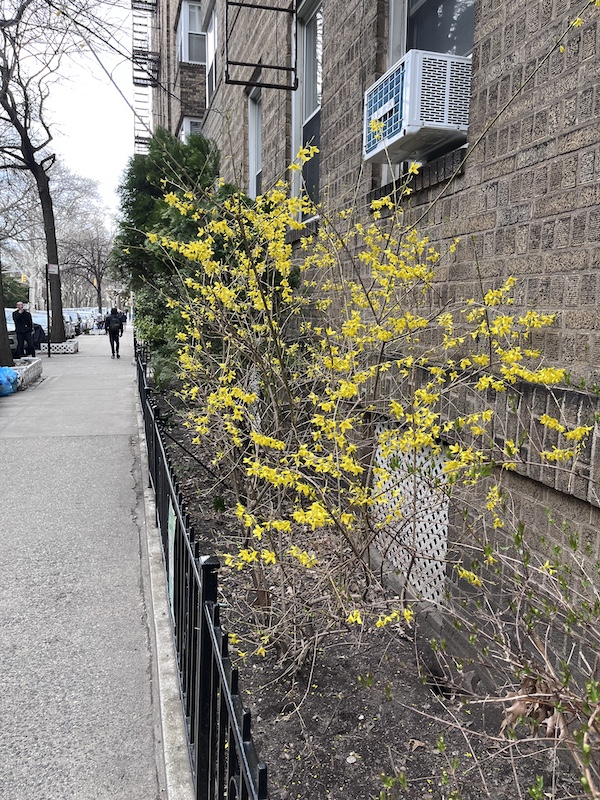
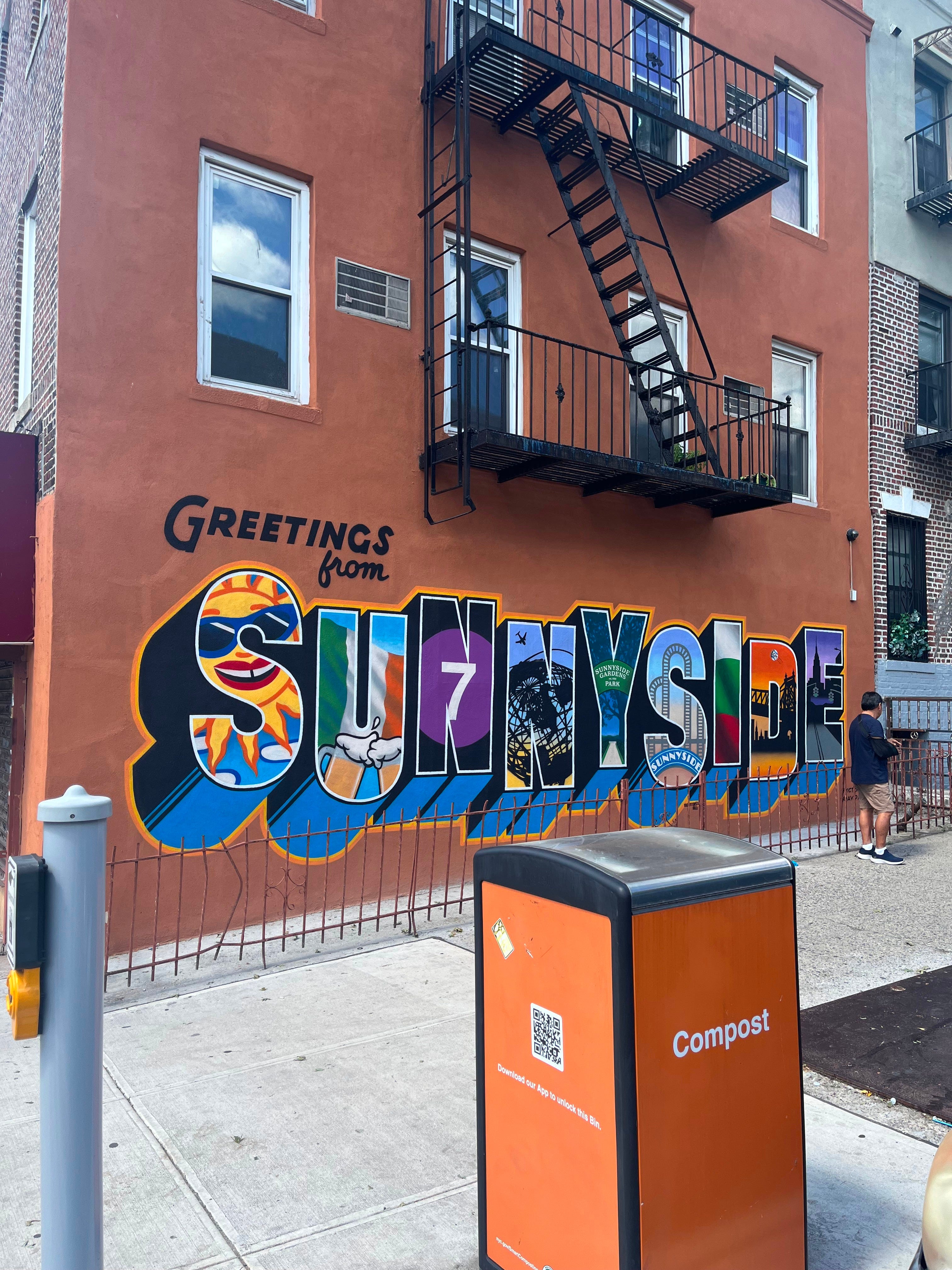
Monday, Labor Day, I hung out in the neighborhood. Walked about. Hey, the mural’s back.
Tuesday, I headed to Central Park and the Metropolitan Museum via the N Train to 5th Avenue/59th Street. Here, I am going to complain. One cannot walk two yards, from the Plaza Hotel, to the lake; from the Sheep’s Meadow to the Literary Walk and Bethesda Fountain, without 1) choppers overhead; 2) food carts of overpriced water; 3) vendors of every imaginable item of tourist shit blocking the view of the American elms; and 4) bad saxophones/pan pipes. Assaults to the senses all, so all you can do is look up.
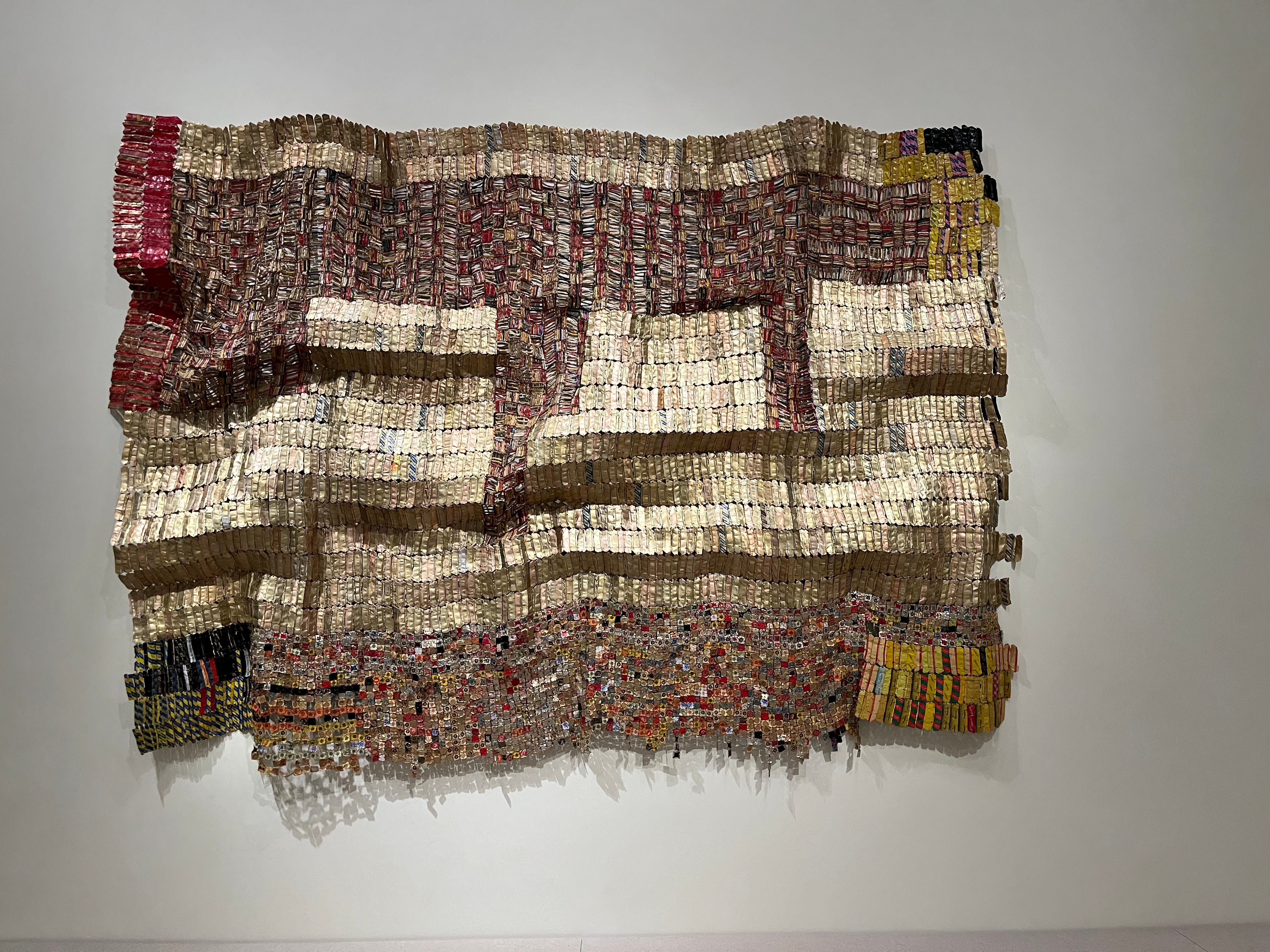
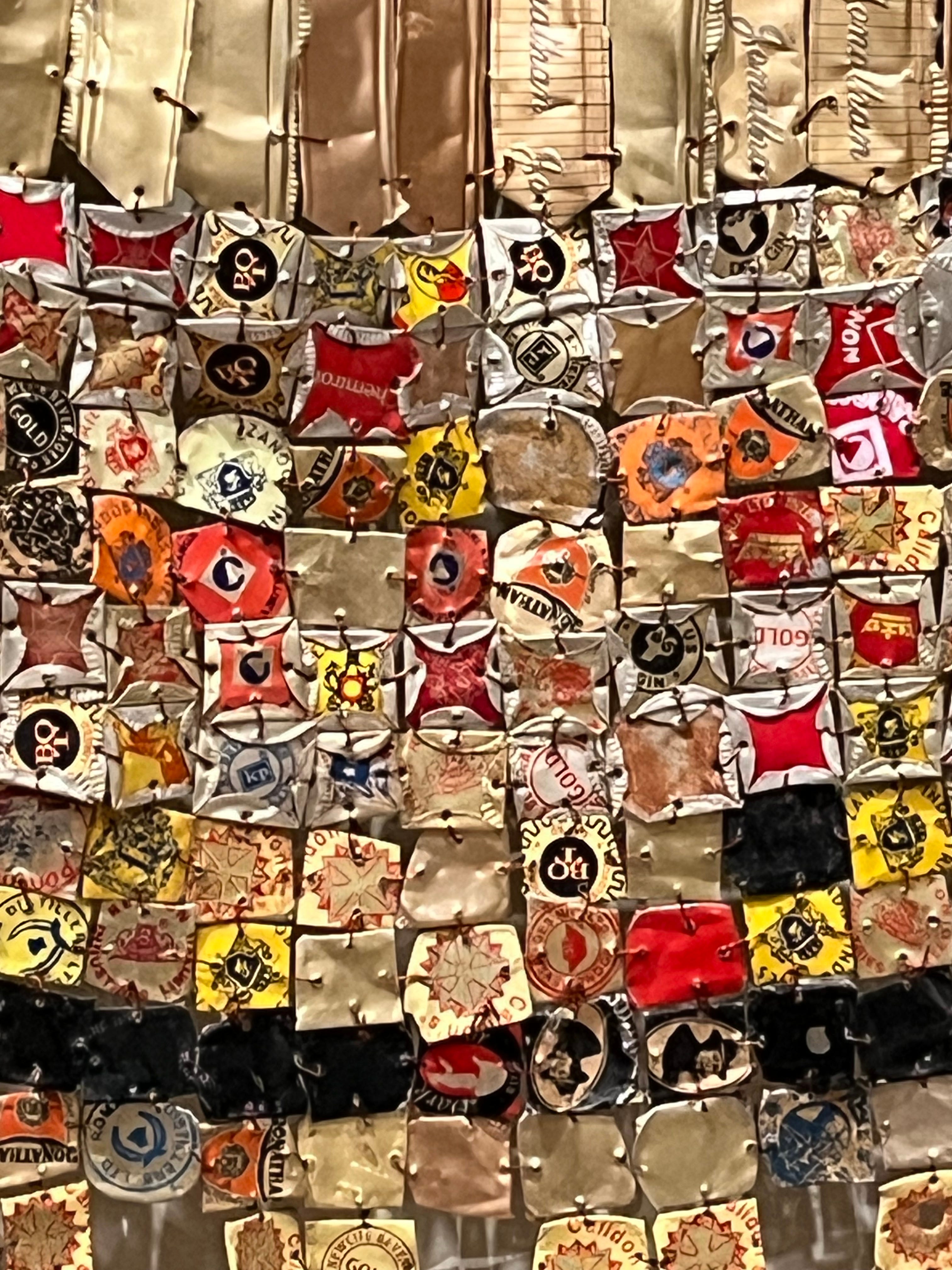
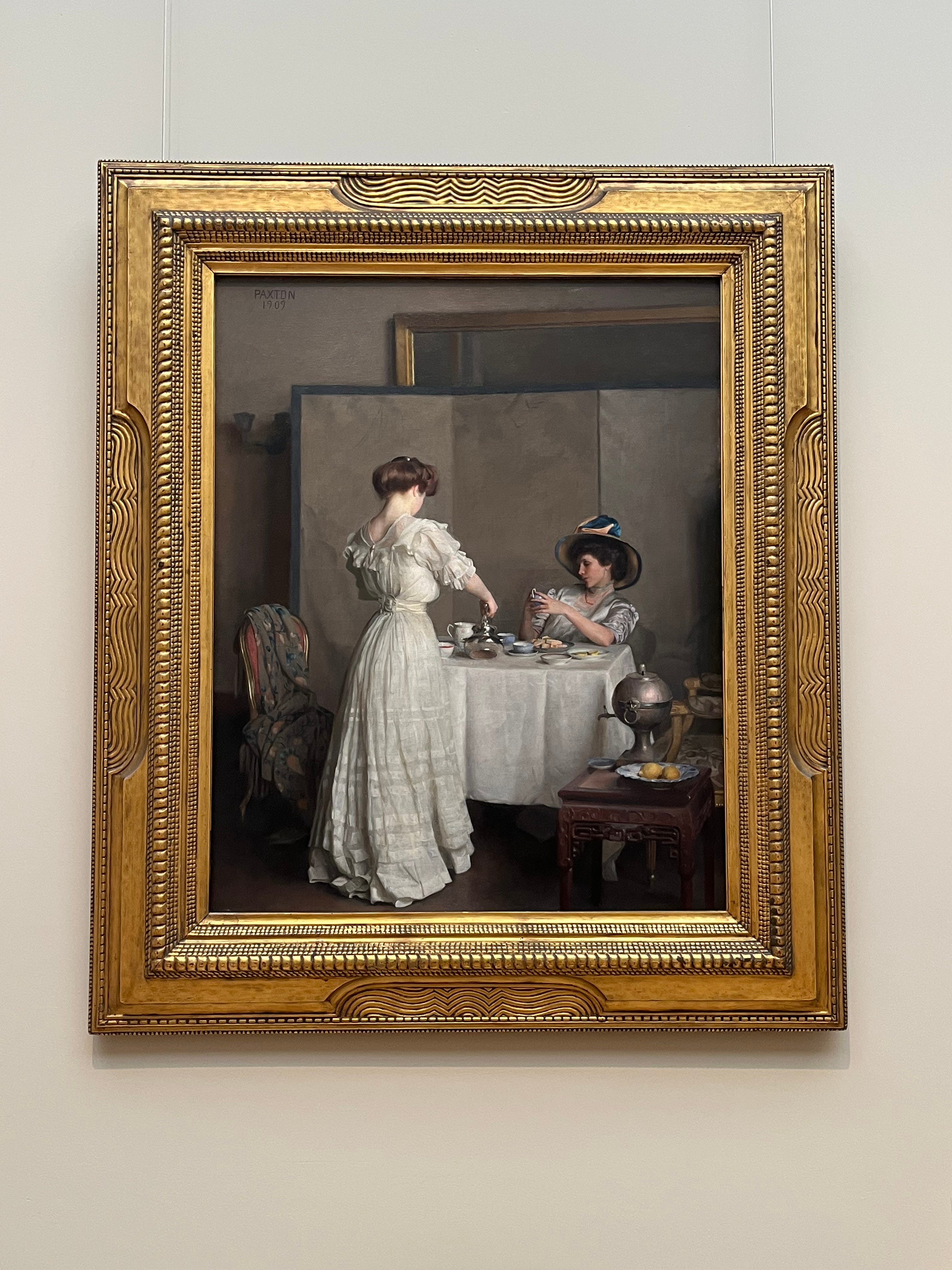
While at the Met, I visited a couple of favorite pieces. First, the El Anatsui:
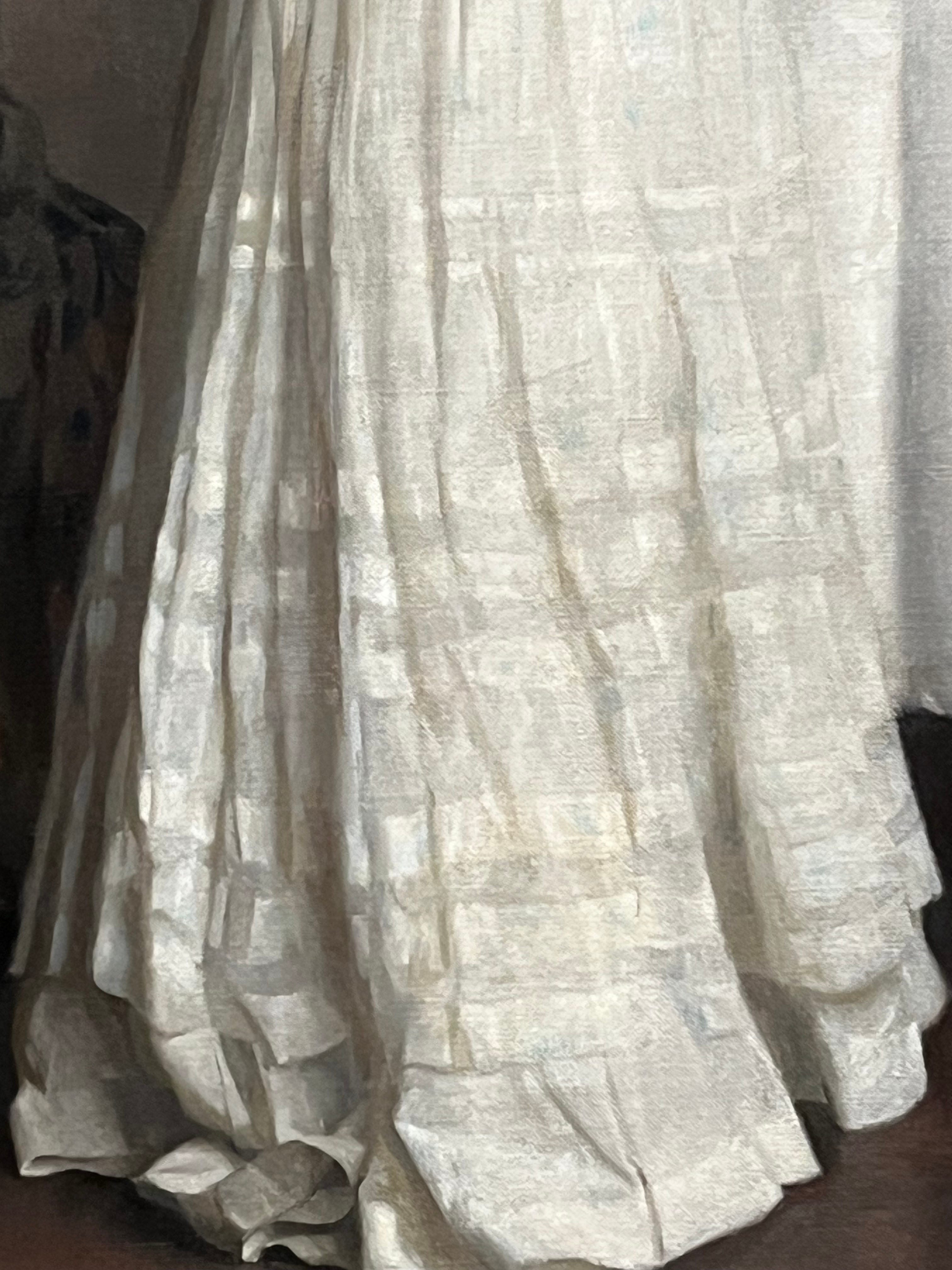
Then Paxton’s tea girls:
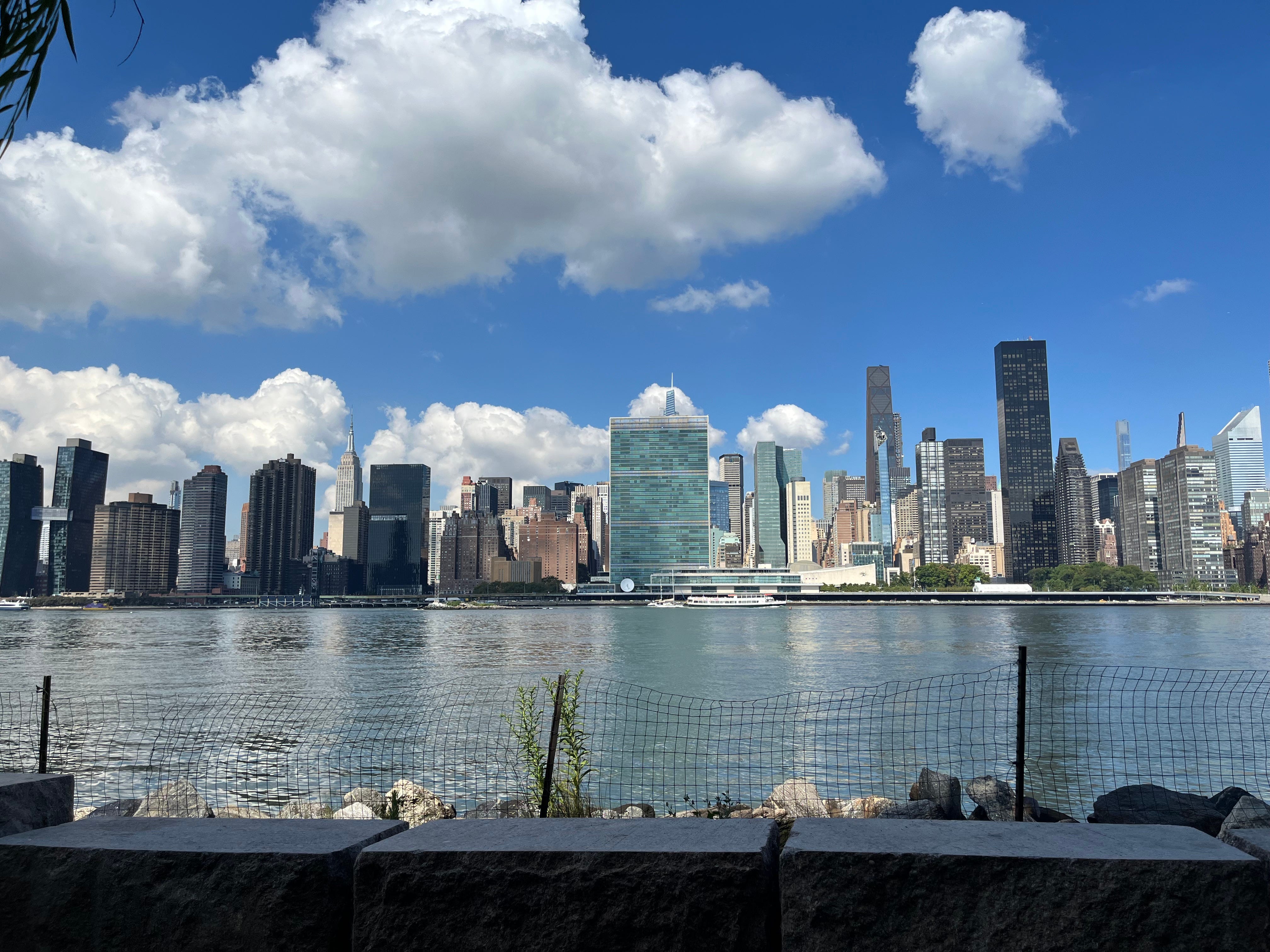
Grateful but still feeling edgy, on Wednesday I thought maybe I what I needed was water; the Rockaways were a couple hours away, but hey, the East River is down the road:
Close. But not feeling shiny yet.
Thursday, I rested.
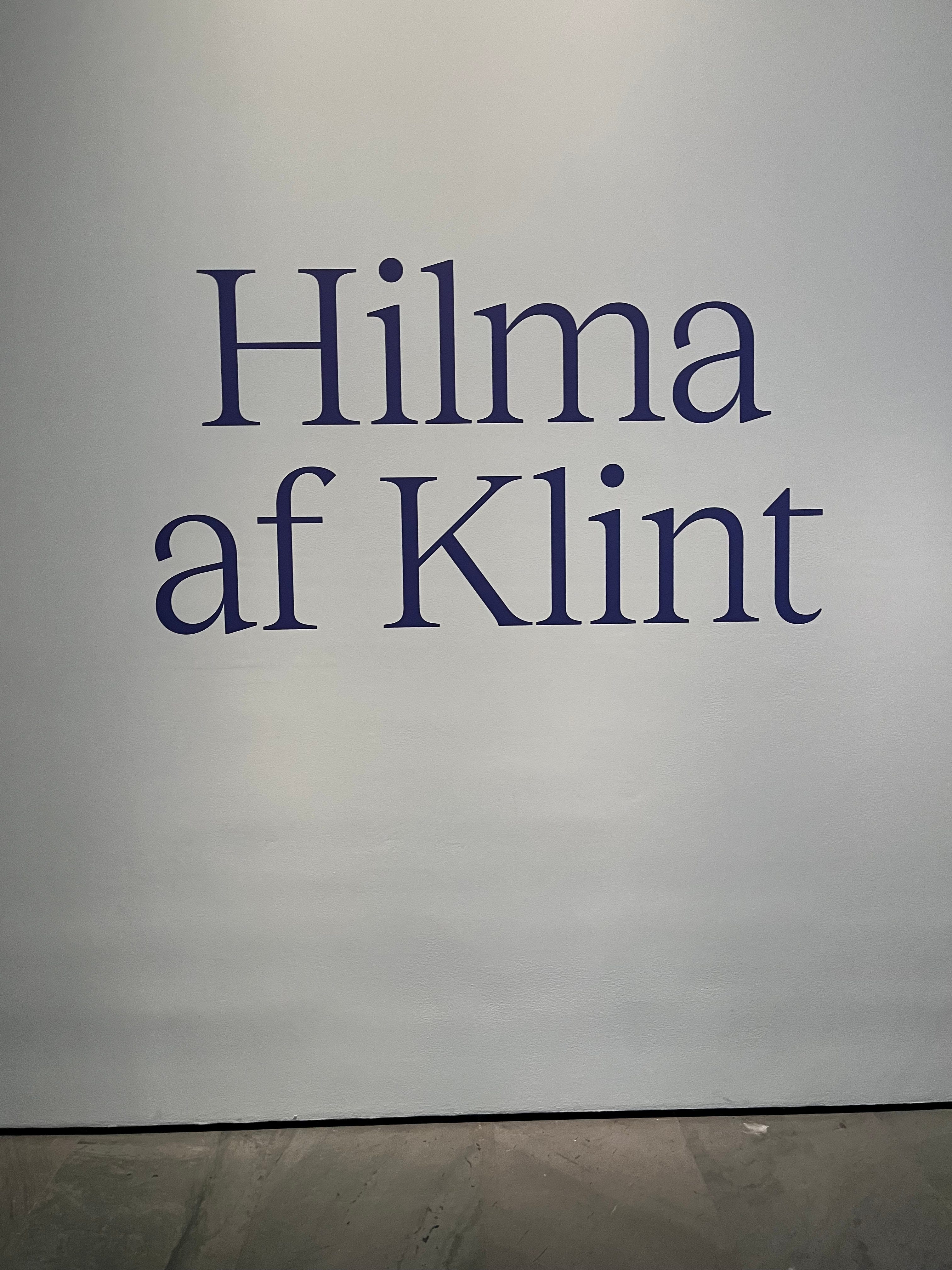
Friday, I joined my friend Cathy to meet a former colleague in the city for lunch, and it was reviving. As I was only a block from MoMA, after lunch I parted from my friends and headed in.
Bingo.
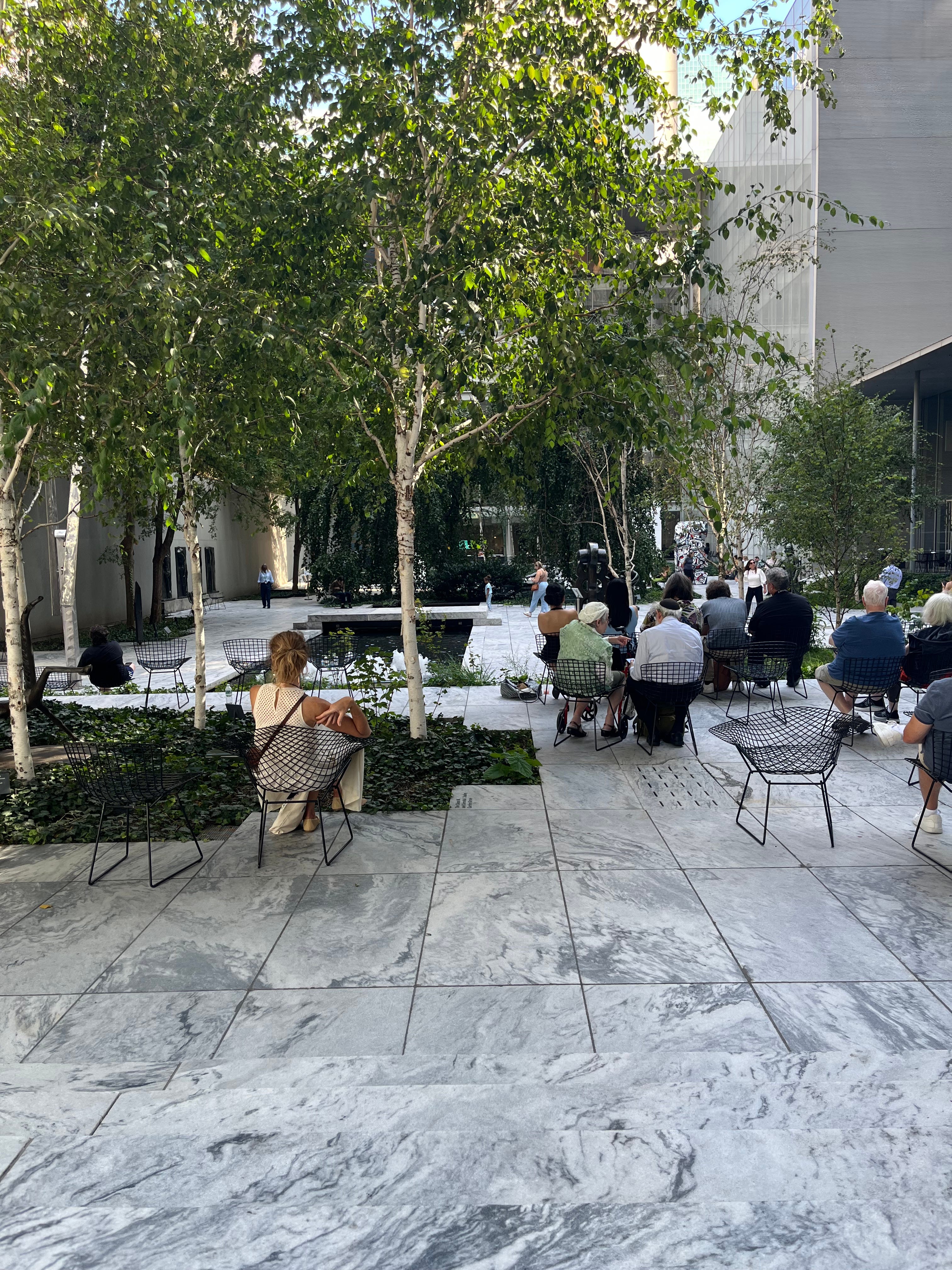
The cap on the beat:
Perfect. Breezy, calm, cool.
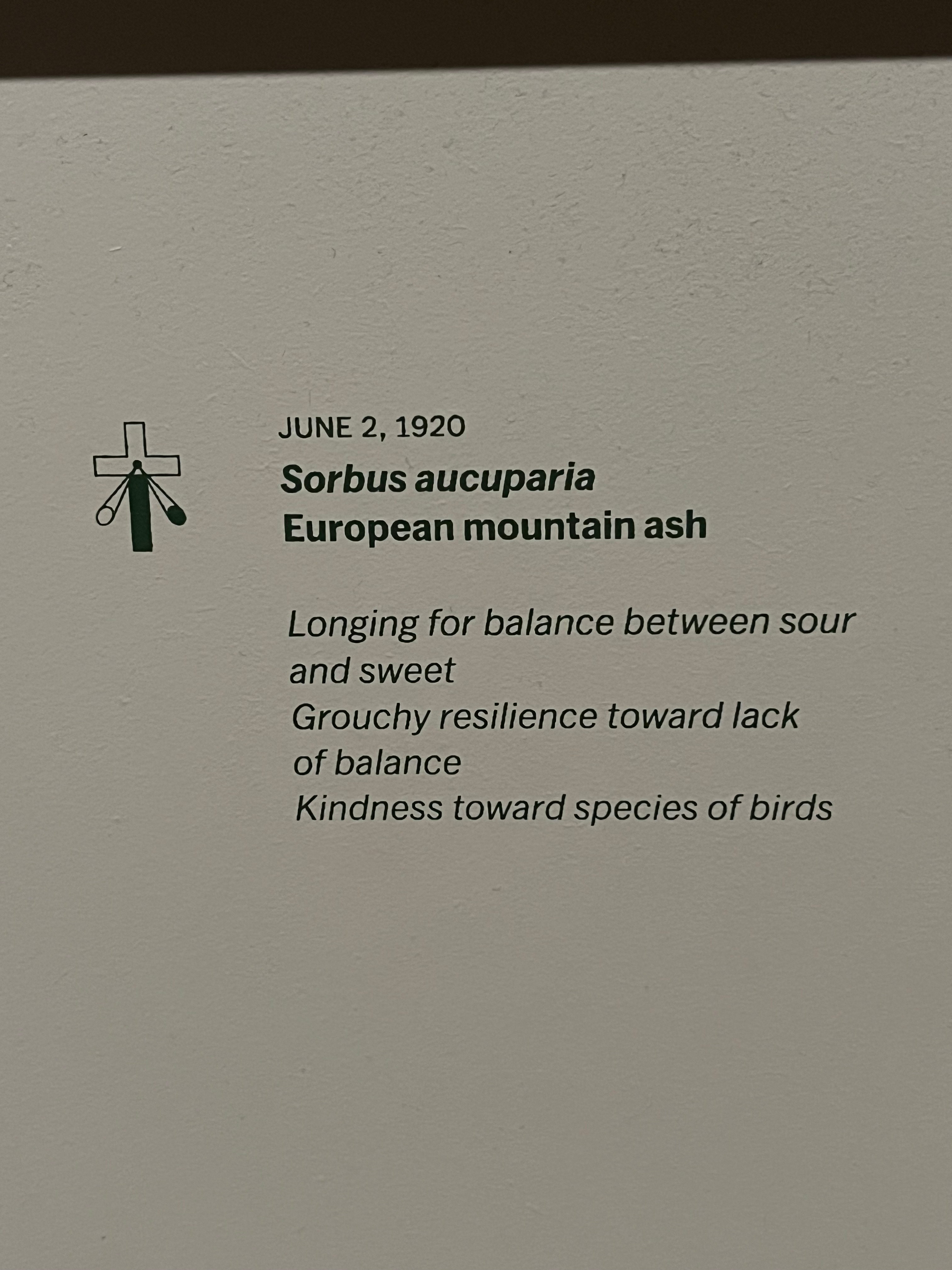
When you can’t have it all, settle for grouchy resilience. And quiet marble.
Lynne died almost two months ago, on June 5. The other day I had an email from my friend Anna, who told me she thinks of my mom when she’s looking for something crunchy to go with her meal. When Lynne packed a little lunch for me to take on the train, a gesture she stopped doing in the five or six years before she died (not through lack of love but lack of energy), she’d ask, “What would you like for crunch?” (It usually came down to carrots or Cheez-Its or chips.) My mom was a strikingly picky eater, something I didn’t think much about, but noticed more than I was consciously aware of. In her last couple of years, down to 80 pounds and not out of bed too often, I’d see my dad, Bernie, running up and down the stairs from the bedroom, reheating her plates of small meals in the microwave—if the temperature was too cold, she’d stop eating, and desperate for his wife to eat, Bernie would warm it up. My brother Jeff is the same way—the food has to be the right temperature or he doesn’t want it.
By contrast, Bernie eats his spinach right of the can he just opened; I eat leftover Chinese chicken and broccoli out of the container from the fridge. Hot, cold, lukewarm (sidebar: I just realized I have no idea where lukewarm came from, so you’re welcome), it’s food. That said, both my dad and I have to have our coffee steaming hot or we don’t want it.
But one thing we O’s all agree on is that each meal should have a contrast of textures—something with a good chew, something soft, something with crunch. A little salt, a little sweet. I imagine that any human would agree on that—it’s something that makes grilled chicken nachos (topped with melted cheese, black beans, guacamole, salsa, and sour cream) a perfect dish (and luckily I enjoy them even as they get a bit soggy and cool over a long visit with friends).
And really, in a world of so few universals, you’d think we could agree that one of life’s great pleasures and purposes is to have the food we love, the way we want it, when we need it. After clean air and fresh water, and right before safe shelter, fine nourishing food of appropriate temperature and texture and taste is right up there. I find it sickening that anyone could deliberately starve any creature. I can’t stop thinking about this, and Lynne would feel it, too.
For whatever pleasures or pickinesses Lynne experienced in eating or not eating, she saw as one of her prime duties the feeding of her young. “So you have a ham sandwich on whole wheat and a Clementine,” she’d say, putting the Glad bag and napkin into the paper sack. “What do you want for crunch?”
I love that this stuck with Anna. Lynne seems to stay with people, and mostly through my stories. I’m glad I tell stories.
My friend Colleen sent me a card a few weeks back, offering condolences for the death of my mom, and remarked in the card that when I talked of her and told stories, I spoke of her as “Lynne,” never as “Mom” or “my mother,” and Colleen wondered why that was. Talking to my dad recently, I relayed this observation and said, “I always saw Mom as a person first, and my mother only incidentally.” He thought that made sense. I see Bernie the same way, a person first. They both made it clear from the beginning of all their kids’ lives that their marriage came first. “You kids can go to hell,” my dad said more than once during various moments of his children’s sometimes troubled adolescences, “all I need is your mother.” And it was true.
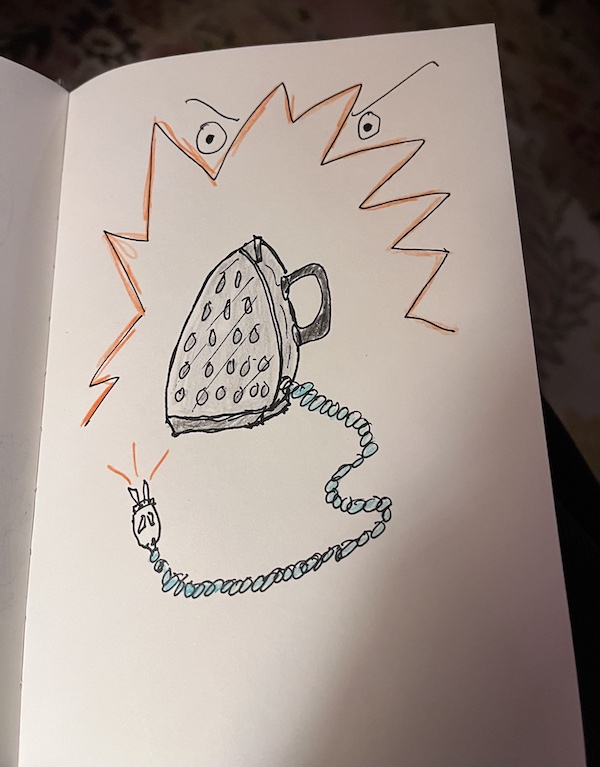
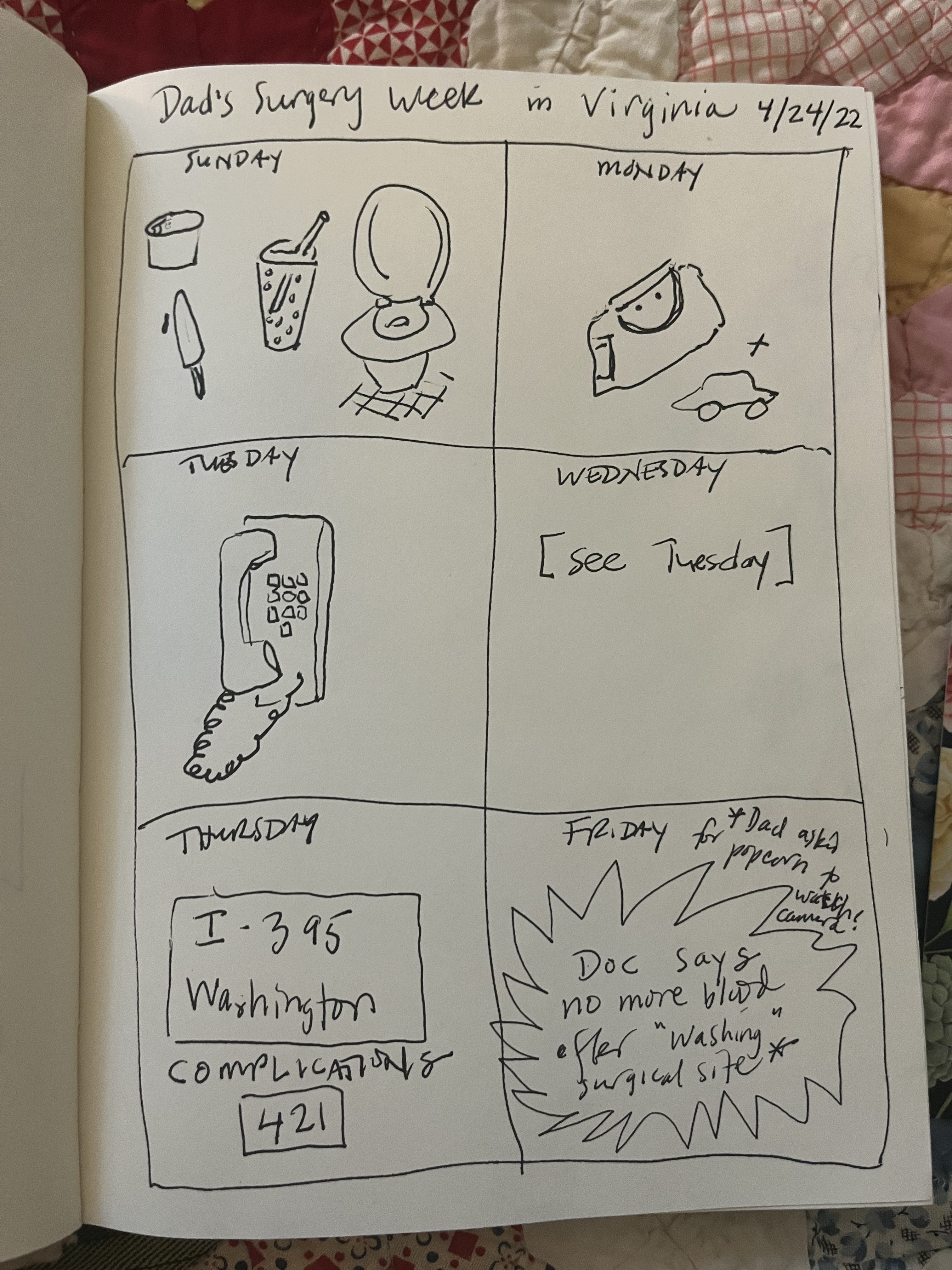
Back in 2022, my dad had surgery for the first time at age 88 to remove a mass (non-cancerous as it turned out) in his colon. This would turn out to the be the last year that Lynne was really mobile, and even then it was limited. Here’s from my sketchbook of that time:
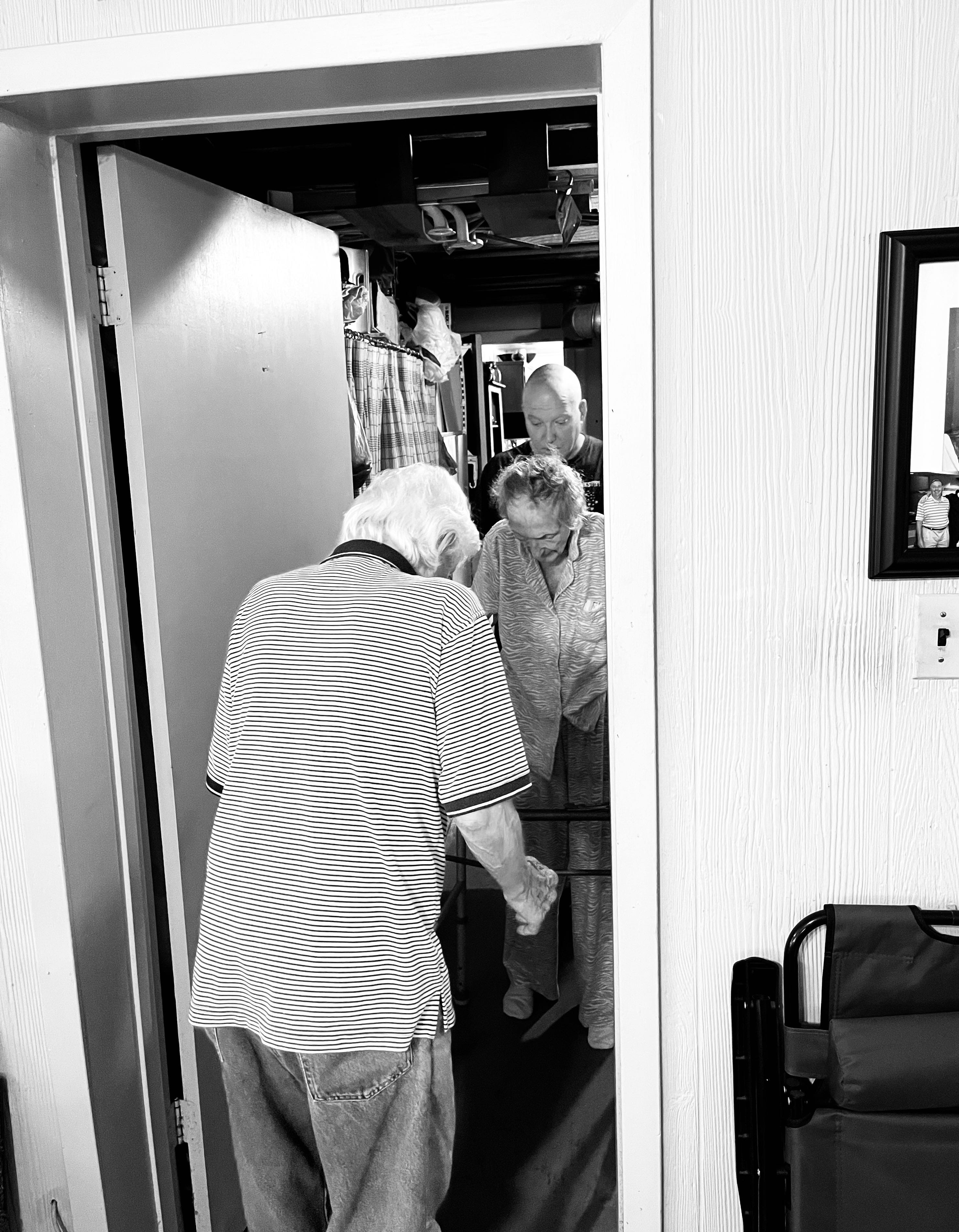
I told you this I’m sure, but before I took the train down to Virginia from New York the week of the surgery, Lynne asked, “Why are you coming?” My brother Jeff lives with them, but he works a labor job, and as an editor I can work from anywhere. She still didn’t see the point. I knew that after a major operation that there was no way Bernie could lift, open, or otherwise help with anything, and that my mom was too weak to turn doorknobs. (I’m not kidding: years ago my father (who is a neat freak, so this was hard for him, I know) started leaving all the closet doors ajar, and even made the toilet paper hang long so it would be easy for his wife to reach; it wasn’t until after Lynne died that I realized why all that was.) And if you are waiting for your parents to realize they need you, that is not happening. So you go. A few days after my arrival, Lynne looked at me hard and said, “How did you know?”
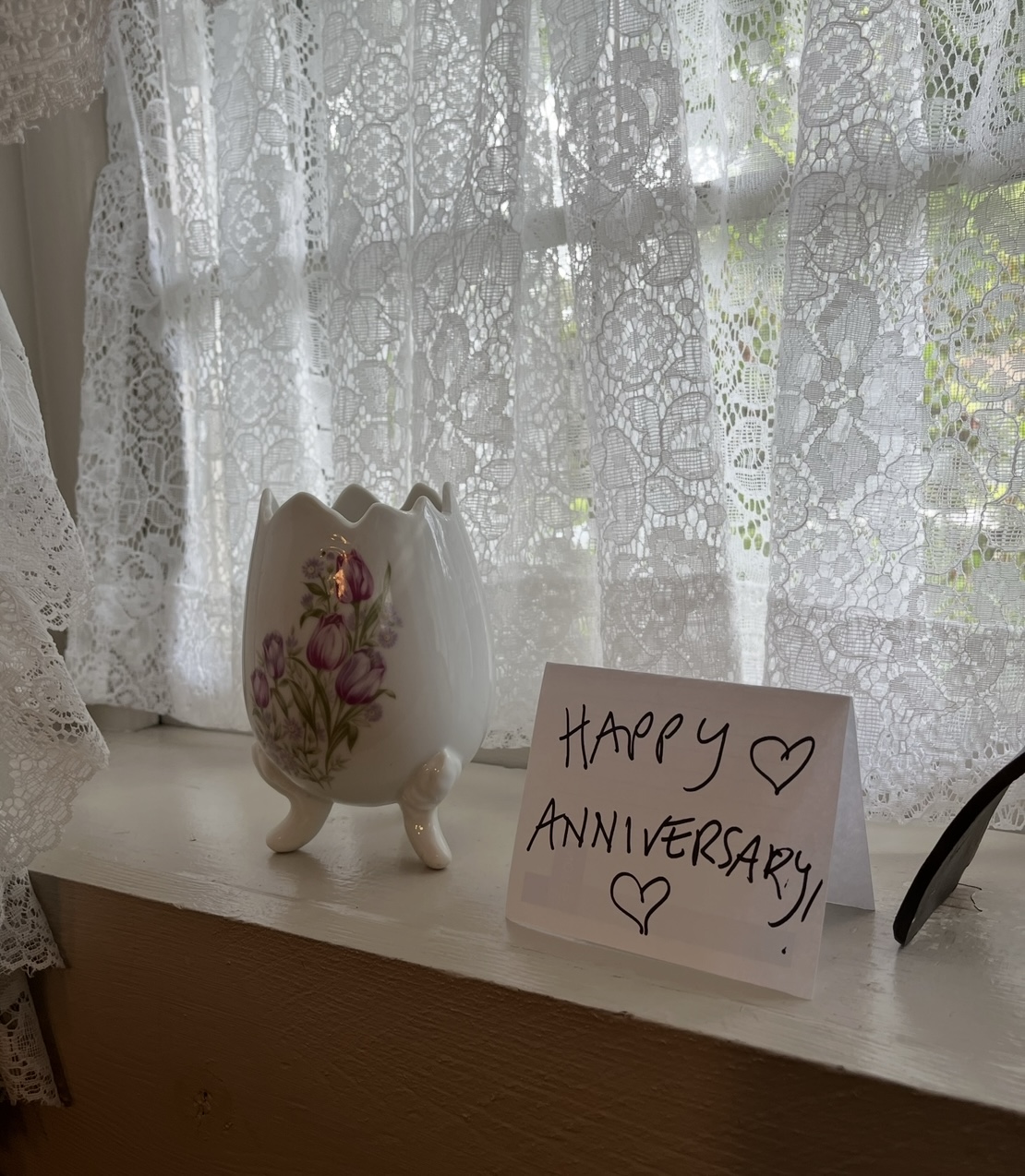
During his recovery, in Bernie’s unstoppable neat freak rush (he is famous in the family for breaking and chipping every plate, glass, cup, mug, ornament, you name it, that he touches), he broke a precious object. Poor Lynne had a vase she was really fond of, at least 50 years old, and one morning I came downstairs to hear Lynne yelling, “How on earth did you break that?” And Bernie is yelling, “Well I had to pull the shade down,” and she’s yelling, “Why? There are curtains there, and I really loved that little vase.” It had been nearly 60 years of suffering the sloppiness, and yet all the love, you know?
So I went online, and I searched. And it took some time, but I found it. The exact same vase. I gave it to them for their 59th wedding anniversary. Neither of them even noticed its return. Ha, ha.
The best reason for Google.
Bernie and Lynne. I knew people growing up—good buddies and neighbors—who would say that their mom or their dad was their “best friend.” I found that creepy. Once when I was in middle school, or maybe early high school, Lynne said to me out of the blue, “You don’t care that we aren’t friends, do you?” I didn’t hesitate in saying, “No,” because Lynne raised her kids to be independent creatures, even as she fed and bathed us and took us to the dentist twice a year. It worked for the O’s.
At a reunion of my dad’s side of the family out in Iowa and Nebraska nearly 30 years ago, my youngest brother Mike told a girl cousin (one of 37 living) that we weren’t really raised with hugs. She asked, “How do you raise kids without hugs and kisses?” When we got to our Uncle Al’s farm, five of her six children walking toward our cousin’s Aunt Lynne, who walked purposefully to greet us with a wave and a back pat, Mike said, “We don’t hug, do we Lynne,” and our mom declared in perfect time, “No we don’t.” Our cousin gaped.
Hugs and kisses are nice, but some of the most screwed up people I’ve known in my life had all of that and a mom or dad for a best friend. You know. Every family is different, the needs are different, no one does it perfectly. The hot and cold, the bitter and sweet, the soft and the crunchy—I’m grateful for the textures Lynne brought to our lives, for the nourishment she gave, for the smarts she had. We may not have been smothered in kisses, but because of her, the O’Hara kids know injustice when we see it, and we are not afraid to call it out.
Back when I was a high school English teacher, and a kid would say the craziest thing, I used to joke, “Someday, when I do my one-woman show, The Miss O’ Show, I will share this moment.” When blogs became a thing, I came late to the game on Blogger in 2011 with The Miss O’ Show, where I used the space mostly to write about teaching and creating curriculum, but it veered into political lectures and observations. I lost my way, and I stopped. Around that time, I found WordPress, and thought I’d start fresh with The Miss O’ Show (Teacher Edition). When I lost my way there, too (because what was I teaching?), I moved over to Substack (duplicating posts) with The Miss O’ Show: Reading Glasses. I’m still not sure what is what or what for. This morning when I searched “The Miss O’ Show,” the first thing that came up was a skin care guru named Olivia, no apostrophe, whose videos are called The Miss O Show. Well, darn.
It seems it’s time to give up my handle, but since I own the domain name missoshow for those blogs on Blogger, WordPress, and Substack, I may as well keep them, understanding that with AI, what we know as writing (like reading in the age of audio books) may be destined to become old school, not unlike the shift from cave paintings to papyrus, from scrolls to bound books. Only this time, humans have created artificially intelligent communication and search technology that requires the sacrifice of all our potable water to cool the engines, causing humanity (and indeed life itself) to die off possibly as early as 2027. (When asked about this in an interview, fascist and Palantir Technologies founder Peter Thiel merely mumbled something to the effect of, “So?” God we’re dumb.)
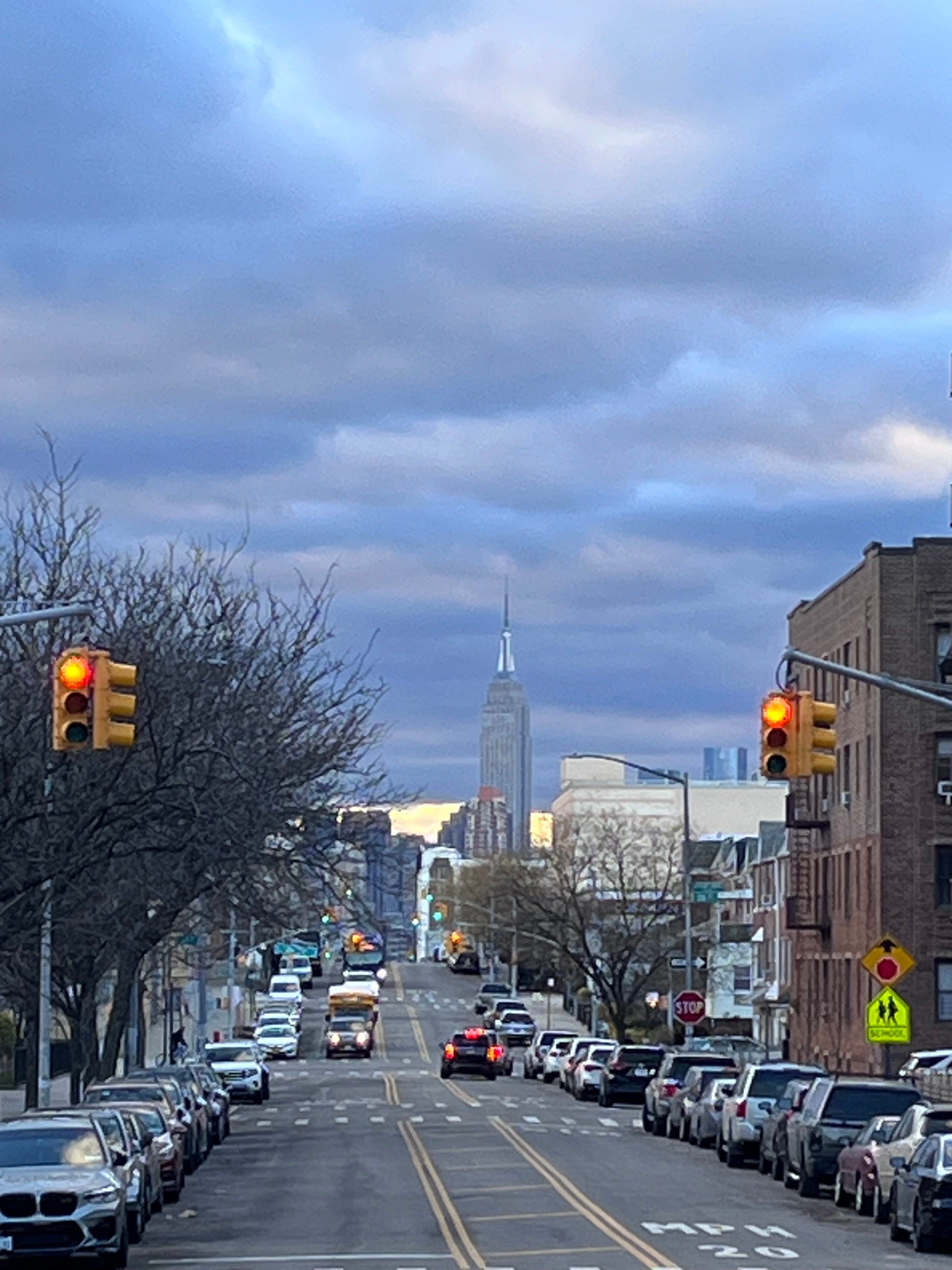
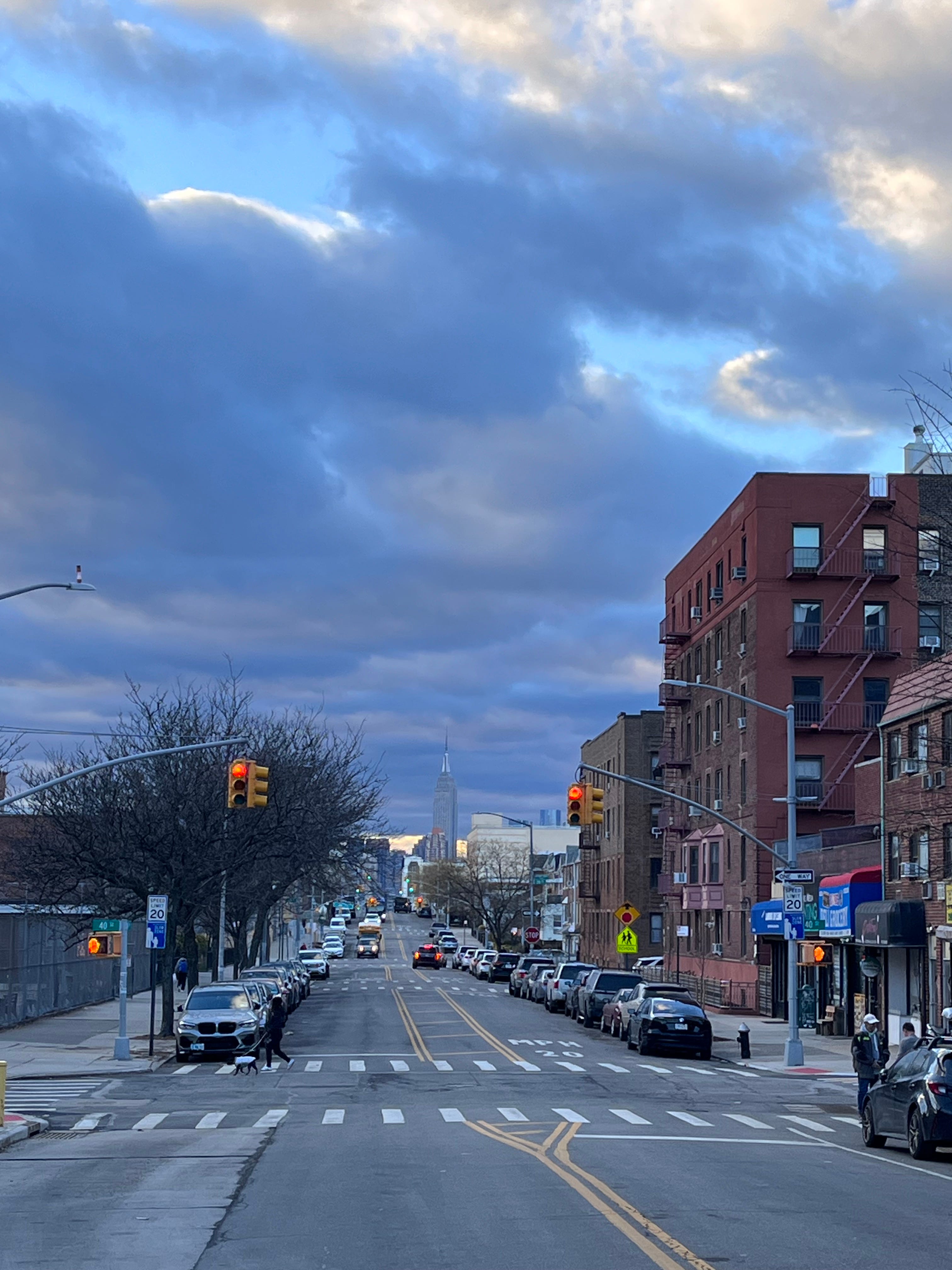
Nature will out, and it’s reassuring. Queens.
Looking at our increasing human lust for self-immolation, tied now inextricably to the way Thiel’s tech eats all our words online in order to cause the end of earth through endless iterations of regurgitation, not unlike the end of Mr. Creosote in Monty Python’s The Meaning of Life, the act of writing feels increasingly weird. On my way to Joe’s Pub in the East Village the other evening, I went into the Strand Bookstore on Broadway, as one does, and was overwhelmed as usual by all the volumes I’ll never read, classic and contemporary, on every subject you can imagine, enveloped wall to wall by self-referential merch. What are humans even doing? We’ve never known so much, and absorbed less; or should I say, lived less? Or should I just shut up? Should all of us?
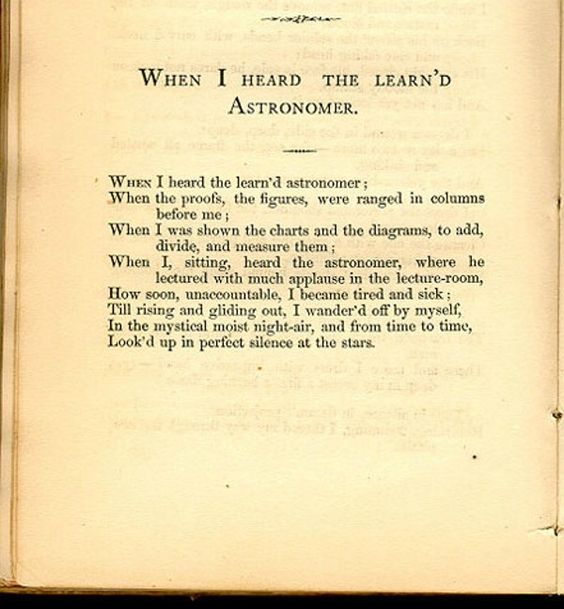
And then I reread Whitman:
This poem always comes to mind when I get nauseated by the too-muchness of it all, all the data and breaking news; all the self-care videos and nonstop commercials; all the words.
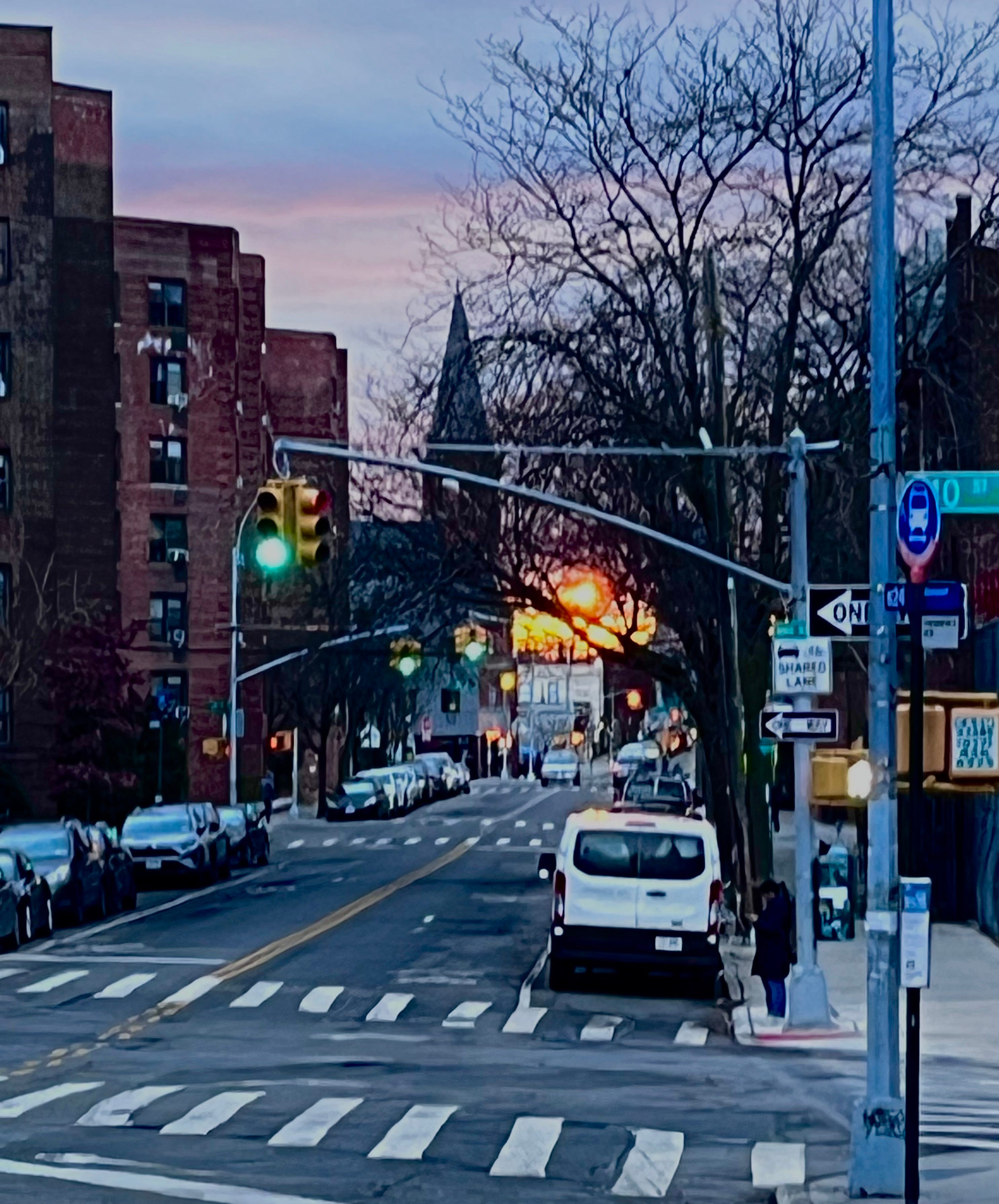
In Union Square, before heading to the Strand, I found one of my favorite artists, Akassa, two of whose works I own, just to say hello. It was Thursday, and I remembered it was his Union Square day. He remembered me, and smiled, and there he was with even more beautiful work, and the first thing I said when he asked how I was was, “My Mom died June 5,” and he was so sympathetic I got teary. I tell most everyone that, not because I want sympathy so much as connection, to bring us to the real, the now, the human, the living, the alive. And we shared that. And leaving the Strand, walking into the first cool air in a week in New York City and my first time walking New York for itself since coming back June 11, I became present to an overcast dusk that reminded me of London, a man walking toward me, feeling for something in his pocket, then turning abruptly around, crossing the street to go back, I think, to Wegman’s in Astor Place. I found myself hoping he found it, whatever it was. Something about the way he searched, realized, and turned was recognizable and immediate, if you know what I mean. I miss observing like this.
I was early to Joe’s Pub, so after picking up my ticket I headed around the corner on E. 4th Street to the pub Swift, where I haven’t been since at least before Covid. The last time I was there was an early summer afternoon, where I read Patti Smith’s M Train while sneaking Lower East Side deli knish out of a paper sack as I sipped a Smithwick’s (which they no longer serve, I see). (Sidebar: Outside my window just now I heard a little girl say, “Why?” and her daddy reply, “Because people don’t usually order pizza at eight in the morning, babe,” and I found myself thinking, “But we eat it cold out of the fridge then, so that little girl is not wrong, is she?” My upstairs neighbor, Debbie, just went out to roll the compost bin around to the other side of our building, her self-selected Saturday chore to help the co-op, while I remain in a bed I’ve been in since last evening at 6 PM, because lately bed is the only place I want to be. But life goes.)
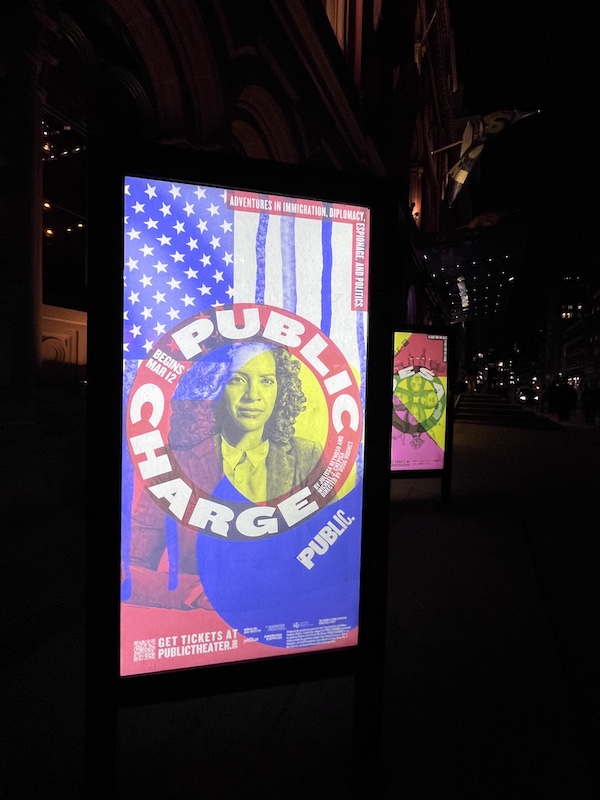
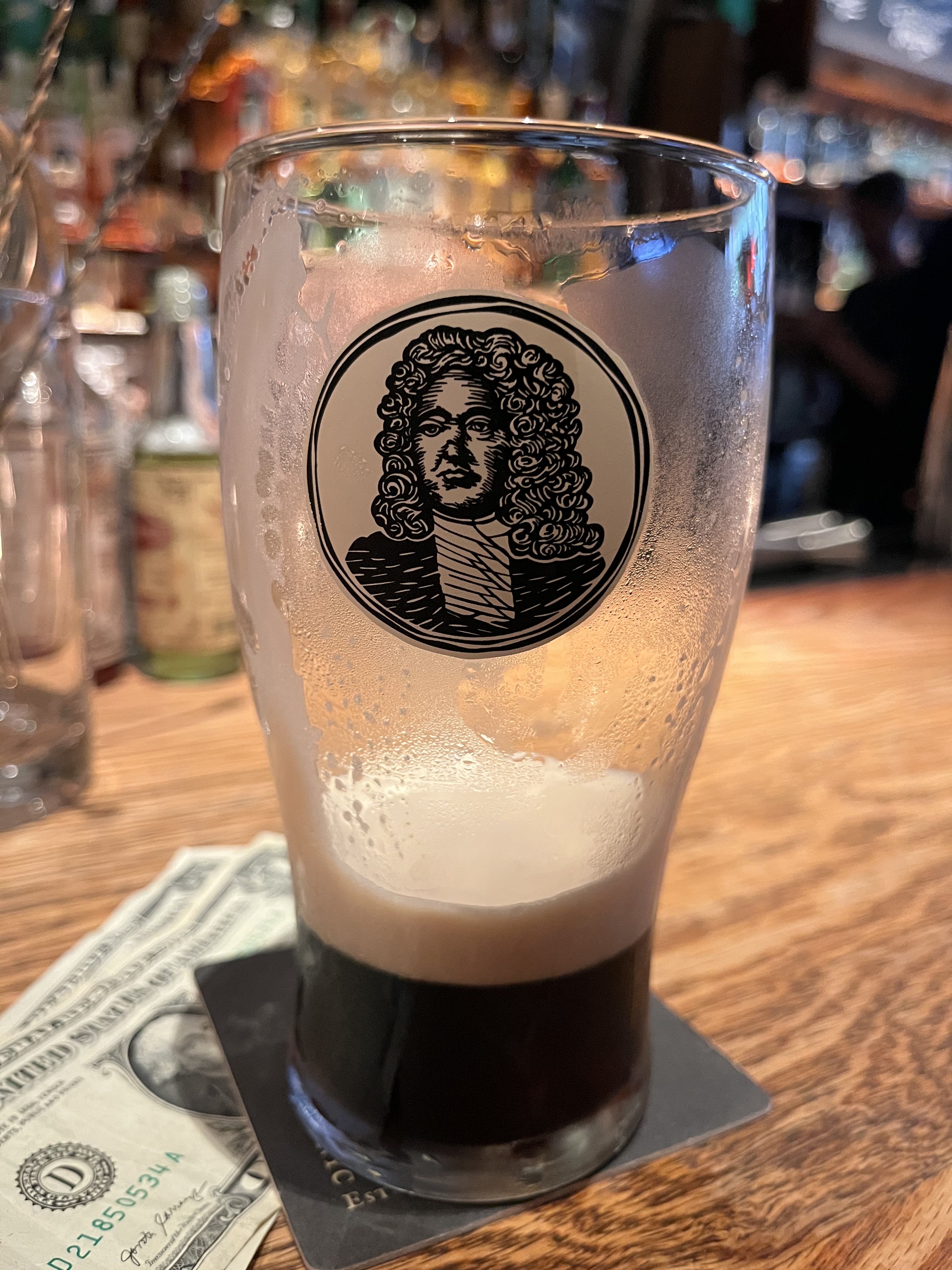
So back to Swift, I watched the bartenders working hard at pouring the draft pints of Guinness; I looked at the barstools filled with white bruhs in blue button-down shirts or similar, not one conversation worth eavesdropping on, finished up and left. Outside, I see I missed a sudden downpour. At the Public, I used the restroom, passing a very tall young woman at the mirror, brushing and brushing some kind of foundation powder into her face, and she was still at it after I flushed and washed my hands and dried my hands and went out the door. What is that about? I wonder. It’s funny being in my sixties, a plump old broad no one looks at anymore if they ever did, and they never did, and no amount of foundation powder was going to give them a better view, it’s all so surface and silly. Inside Joe’s Pub, still quite early, I ordered my drinks from my server, Izzy, a slender young man with a friendly face and joyful afro. “Izzy, I’m a cheap date,” I said, showing my Supporter ticket (giving me 15% off). “My mom died a few weeks ago, and this is my first night out since.” Izzy expressed condolences to my weepy eyes and said, “You are in for a good night! Is this your first time seeing…” and I said, “I’d only come out for Justin Vivian Bond—I see all of Mx. Viv’s shows.” I ordered my two-drink minimum, tonight a bourbon cocktail and a club soda, and on return, Izzy brought me also a glass of prosecco, “on me.” And I got weepy again; Izzy checked on me during the evening, and I was so grateful for that kindness. (And of course my tip paid for the drink.)
Sipping and sitting at a Joe’s Pub couch table with four other people, strangers to me, all so nice, a lesbian couple, a gay man and his trans woman friend, I felt as contented as I had in ages. The band came out, Viv entered through the house, singing joy as if to say, fuck the fucking fuckers. There really is nothing like music; the longer I live the surer I am that aside from the glories of the natural world, the only other thing that really matters is making and listening and dancing to music. I believe that it’s the only human-made creation that will live on; the only true human meaning there is to make in this life comes in musical form.
Justin Vivian Bond and band with their final installment of The Well of Loneliness (Tribute to Lesbian Songwriters) Series, “Well, Well, Well.” Joe’s Pub, NYC, June 26, 2025
Music is our one human universal. My youngest nephew, James, is four, and as we O’ siblings spent the week attending to our dying mother, Mike related how James won’t let him play recorded songs when they are outside, explaining, “I want to listen to bird music.” I used to hold infant James up to the O’ kitchen window to watch the birds at the feeder, and still one of his favorite things to do at Grandma and Grandpa’s house is to help Grandpa feed the birds, scooping seed into the feeders and watching his grandpa hang the feeders back up so the birds will return. The week my mom, James’s beloved grandma, died, the backyard was filled with young cardinals, the cardinal being the spiritual bird, the sign of a loved one who has died. It was comforting. Sitting outside the Monday after Lynne died, her grandson Cullen visiting us, a female cardinal kept joining the circle. Hi, Mom.
The last video I showed my mom before she began the long fade out under hospice care was one of James saying, “Hi, Grandma! I love you! It’s James!” Lying in bed next to my mom, I held the phone up so she could watch, and she put out her hand to interact with it, touching James with her finger and saying, “You’re so cute, you little squirt,” and smiling. I told Mike about it. When I asked Mike what he was going to tell James about his grandma’s death, he told me this: The week after Lynne died, Mike said to James, “You little squirt,” and James said, “That’s what Grandma called me before she went to live with the angels,” so that’s how Mike had told him, “but,” James added, “we’ll always be connected.” Mike and his wife had read a book to James that explained we are always connected to those we love by an invisible string, and the little squirt took it to heart.
James’s response to the death of his grandma reminds me that words, stories, books, that writing itself really matters if one is to live fully as a human being. That listening and talking and reading and writing will always matter as long as there are sentient humans to take it in. Bird music and human music are music, and we need them both at different times. It’s the human made, the human felt, the human heard and seen that lifts us. The making, the doing, the experiencing. Death, after all, is not artificial.
Miss O’ is trying to figure out how to return to words, and which blog gets which arrangement of them and to what end in this crazy end of times. In the meantime, I sleep all I can and try to replenish, or something, grateful for all the long conversations I’ve had on the phone lately (especially with my friend Cindy, who needs to write her life story, or I will), and the joy of a well-tended playlist.
Hello, angel. How are you today? This morning I water-colored a card for a friend and mailed it at the post office, stopped by the store for a few items, and picked up 2-for-1 day-old cheese danishes at the Romanian bakery. A chilly, soft, overcast morning, nothing to rush for. I think the saddest part of any day for me—when I’m standing in the kitchen, making coffee maybe, or in my rocker starting to write in my journal—is the moment I remember I have a phone, and I have to check it. (That said, I called by parents, Bernie and Lynne, for our weekly Saturday morning visit. Grateful to still be able to do that.)
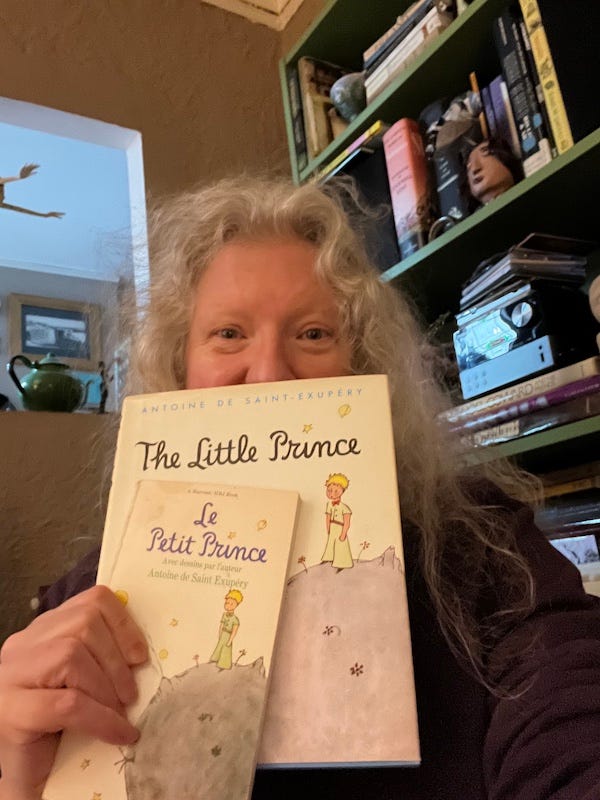
I miss landlines and answering machines, before telemarketers and scammers, of course. I miss being unreachable. I miss quiet. That said, the other day I happened on a documentary called The Miracle of The Little Prince, about the ways in which the book by Antoine de Saint-Exupéry provides a universal story that is being translated into languages that are facing extinction. The cultures where this is happening, not identified except by languages, include lives in landscapes from deep desert to heavy snows of the north, near Finland. The filmmaker focuses long on the landscapes, the quiet, an unending quiet, the monotony of caring for a few animals, searching for water, making tea. I don’t know if I could do that kind of quiet anymore.
If you haven’t read The Little Prince, I recommend it. I’ve found that there are two kinds of people (though as the late Tom Robbins said, “There are two kinds of people: people who believe in two kinds of people, and people who don’t”): Little Prince people and Winnie-the-Pooh people. I think pretty much everyone relates to Charlie Brown, but those other two philosophical guys are extremes. I know people who love neither, but there’s usually a line over which they step in favor of one or the other. Dorothy Parker summed it up for me in her New Yorkercolumn “The Constant Reader” when, in her review of The House at Pooh Corner, the reviewer wrote,
“ ‘Tiddely what?’ said Piglet.” (He took, as you might say, the very words out of your correspondent’s mouth.)
“ ‘Pom,’ said Pooh. ‘I put that in to make it more hummy.’ ”
And it is that word “hummy,” my darlings, that marks the first place in “The House at Pooh Corner” at which Tonstant Weader Fwowed up.
The adorable and hummy Loggins and Messina song notwithstanding, I’m with Dot.
I first read Le Petit Prince in my French class my senior year of high school, in the original French, bien sur, and I was enchanted. (I bought a hard copy in English around the same time, 1982, and know this because neither book has a universal price code on it, so they’re pretty old.) Essentially the character of the Little Prince is a desert hallucination by the writer and pilot Saint-Exupéry, who was persuaded to write a children’s book when he lived in Quebec. His books, by the way, were banned in Occupied France; he died in a crash during the war in 1944, when his plane went down for unknown reasons. I like to think the Little Prince greeted him.
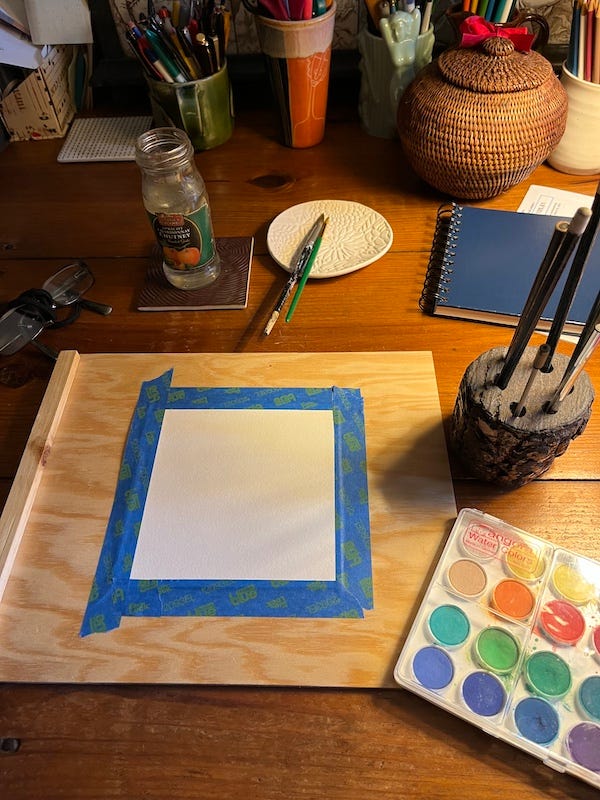
A pilot who writes books, or a writer who pilots planes. I was thinking today about the habits we dabble in, like writing, water coloring, or collecting books. Preparing to draw my friend’s card to watercolor, I reached for this pencil holder that holds my art pencils I got for Scenic Design in college. One year, my dad made us kids (or maybe just me and Pat) pencil holder out of the trunk of the Christmas tree. I don’t know how he got the idea. But he drilled holes for pencils, stained it and varnished it (preventing shedding and splinters), and I still use it.
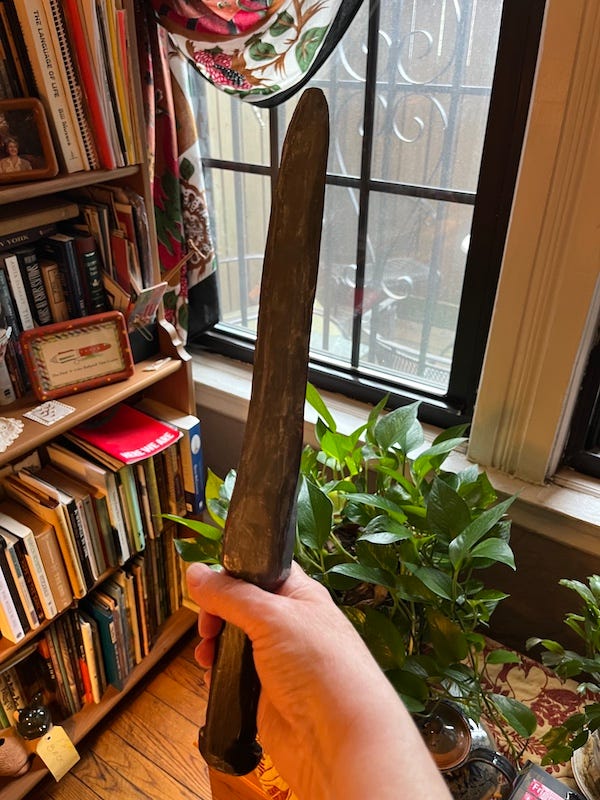
Another time he made all my brothers Zorro swords, and I didn’t get one because I’m a girl, so he whittled me a dagger. My mom painted the handle black and the blade red (for Halloween); I later repainted it silver to use a prop in a play, I think. I still have that, too.
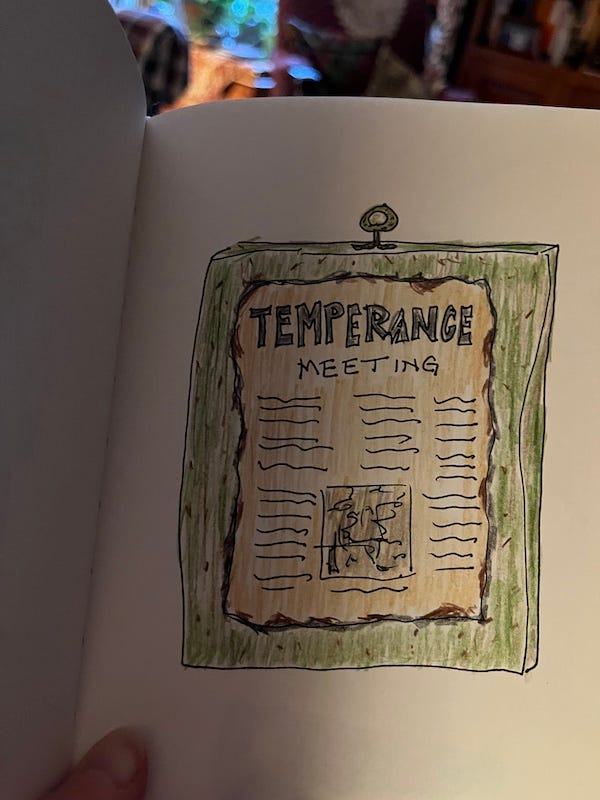
In those years, my mom was doing a lot of decoupages. Little of it survives, unfortunately. She started by making a plaque for her Uncle Phil, a recovered alcoholic, whiskey bottle collector, and former bootlegger (along with his two brothers, including my grandfather) in the 1920s. She made one for us, too, this one antiqued green to go with our house’s color palette. It’s currently rotting in my brother Jeff’s storage unit, but I remember it well.
I love how my mom burned the edges. She made all kinds of things back then, all atop our washing machine covered in newspaper. Ca. 1975
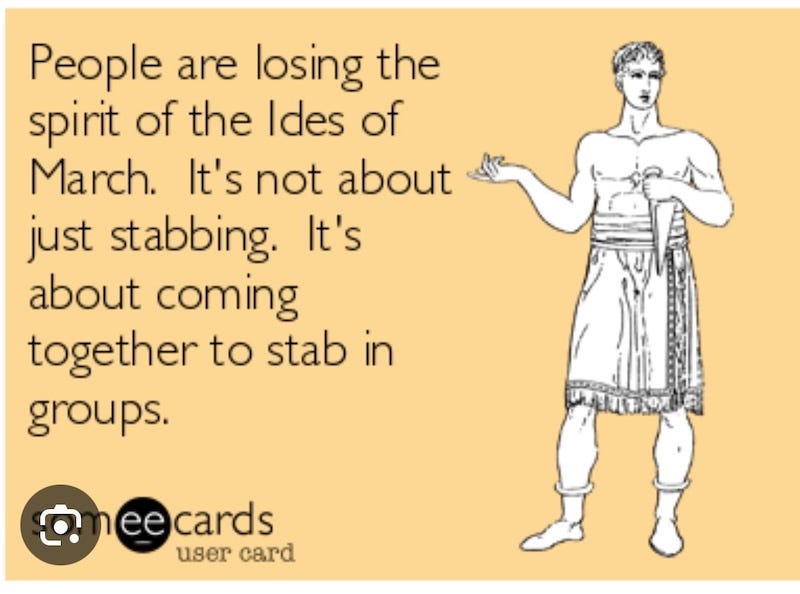
So this is Miss O’ giving my mind a rest from the world today, mostly. What are you taking stabs at this Ides of March?
So all the ick news first, aside from all the Musk-Trump criminal dismantling of every living institution in America so that it’s close to unrecognizable (taking over the Kennedy Center? The National Archives? closing what Department?), I learned at work this week that the two editors I supervise applied for a transfer to another (lately resurrected) department where they’d previously worked because they can do what they are best at there (I choose to believe it’s not about me) and got it, and that I will have to finish a huge project probably alone, the timing being what it is; then, at my ophthalmologist’s office for a checkup, I learned that not only am I at the beginning (and still reversible) stages of diabetic retinopathy, but also that I owe an outstanding balance of nearly $500 (of deductible-meeting crap) from visits over the past four years because their billing department never sent me the bills; and then I learned from my CPA that my company inexplicably failed to take out the correct amount of tax (and all week I’ve tried to correct it for this year, but the system doesn’t work, and we no longer have humans working in HR (take that in) and I am screaming into screens) and so instead of getting a refund, I in fact owe some $1,500; and the tendinitis in my write-hand (punnyha ha) wrist is so bad still after three months, medicines, and PT, that I would have to spring for a cortisone shot (sweet, sweet relief after the injection site pain and, obviously, the bill). Poor fucking me.
Thank you, internet.
But one day this week—I think it was the eye appointment day, Wednesday, when I returned home with dilated eyes and shock at hemorrhaging money—on the way into the city, a Black female conductor announced at every stop (because the N-W-R-Q lines still do not have recorded voices to announce stops, and I love that) something to this effect: “Ladies and gentlemen, let the passengers off first, let’s help each other out, everybody, let the people off first before you try to get on. Move into the middle, people, help everyone out, we’re all together here.” Love her heart. On the way back to Queens that same day, a Black male conductor did much the same, adding on occasion, “It’s not about the price of groceries, everybody, just help each other out here and move all the way into the car.” This same conductor also used the intercom to explain the location of every staircase, connection, and elevator at every single stop. A total doll.
And if you are like me, you can’t help but look up and down the train car, men, women, children, every color and shape and gender and age and religion and background and profession, staring into phones, or not; bundled up, world weary, and it hits you all over again that the reason “white middle America” is afraid of brown and black shadows is because they literally have no idea how New York works. It’s not perfect, never that, but it works. Look at us. Us. Right here in this train car, crowded, or not, for miles of stops along our way. Not yelling at or killing each other. All of us just being.
Also in my travels, I found myself thinking about a poet friend who lives in a rural area, who years ago, when I mentioned how much I loved the movie Lost in Translation could only grunt in disgust. When I asked why, she said of the lead characters, “All they did was squander an opportunity to see Japan.” I had to think for a second, because I was remembering the filming of Bill Murray’s whisky commercial, the Tokyo karaoke bar, the hotel bar nights, Scarlett Johannson’s quiet excursion to a Japanese garden and learning flower arranging, and of course the hilarious trip to the ER so Bill Murray can get Scarlett’s broken toe seen to—all these relationships and stories they will have to tell about, or not, when they return home. What did my friend mean, “squandered”? I started thinking. I guess another view is they didn’t really do all that much…and then it hit me. I said, not at all angry, but with a sense of discovery, “You’ve never traveled outside the country, have you?” She looked at me suspiciously, and slowly shook her head, as if her response to a movie shouldn’t depend on having had the experience. More to the point, though, she had almost never, within or out of the country, traveled alone. And there it is.
What was lost in translation for her in watching Lost in Translation is the feeling of sudden paralysis brought on by the jetlag stupor you feel combined with being quickly overstimulated in a new place while on no sleep, while being both excited by the prospects and daunted by selecting the best thing to do right now. The one universal is a bed (never one you can check into before 3:00 PM) and a bar or cafe, and heading to either one can give you a chance to sort of recover your wits (if you know how to manage the currency), but when you are alone with no one to bounce ideas off of, being in a new city, whatever the language, can be pretty isolating. One time, visiting London, I spent nearly one entire first day just sitting alone on a bench in Tavistock Square, where Virginia and Leonard Woolf had lived (in a no longer existing building, bombed out in WWII), underdressed (a cold day for summer) and disoriented, and in those days, a teetotaler. I could barely make myself try to find a place to have tea. If I did eat or have tea, I don’t remember. I remember a white-gray sky, damp chill air, and just watching people against green trees and grass and gray buildings.
Did I squander my first day in London? Not at all. Oddly, that first day of “doing nothing” is still the one I remember most vividly and fondly, whatever the discomfort and confusion. I was there, in the heart of London, on my own, unremarkable, on an ordinary day. Not bad.
As a result of my many NYC train treks this week, it also dawned on me that perhaps the reason I needed to leave Facebook, finally, was that my life in New York can be one of overstimulation even on the dullest days, and that Facebook had become more overstimulation, not sure which way to look, who I’m forgetting to check in on, that sort of thing. Maybe I’m just not wired for all that anymore. I know that many people can simply sit on a virtual Facebook bench and do nothing, or idly and dispassionately watch the goings on, not unlike I did in Tavistock Square or Scarlett and Bill did in Tokyo. You do you, as the kids say. However we engage, or don’t, we are all in it together, so move to the middle of car and let everybody onto the train. And remember to give people their space (remarkably, New Yorkers do know how to give you yours, even by a fraction of an inch, and if only the whole country could cotton on, that would be great). After all, everyone here with you is simultaneously present in a pubic place and also living a very private drama of their own.
One of Miss O’s many, many notebooks.
All of this is just to say, dear friend, given all that you are going through in your personal life and against whatever landscape this letter finds you, I know that you may merely glance at or dip into this post, and I completely understand. Thanks for reading at all, and whatever you do, don’t strain yourself. Enjoy your Sunday. Let me hear from you when you get a chance.
P.S. A few weeks ago I published part of a play I’ve been working on, but I don’t know if WordPress is the best outlet for me. Thanks to all who read it, in any case!
You don’t know where they keep, say, the batteries, the dust rag, sure, but really it’s about the morning and evening meds for both of them, your dad and your mom, both 89; and about the bills they pay online and by check, and online are they automated or not? (Only the credit card isn’t, but the trash bill has to be paid by check, and while you found the updated auto insurance policy you can’t find the bill, and right now your mom can’t remember how she pays it and your dad has never written a check in his life, since he has mom for that). Last year when you and your brother Jeff had to get them a new computer, and it was a large laptop, for some reason your mom could not seem to understand that the keyboard on the laptop does exactly the same things as the freestanding keyboard did, the screen is a screen, and the mouse is the same mouse, whereas your dad, who had avoided all things computer except to check emails, sort of, while standing by your mom, is now the email guy, if barely, but he doesn’t know anything about the bills. You see the desk, piled with clusters of old envelopes of bills in blue rubber bands, just as the downstair buffet is, and the console behind your mom’s chair, all labeled in your mom’s neat, fine point, all-caps script, some with notes like “KEEP,” but that doesn’t tell you why they are being kept, and your dad as no idea.
You then can’t help but notice that the kitchen and bathrooms could do with a cleaning and subbing in of fresh towels. In the linen closet in the small upstairs bathroom is a helter-skelter collection of sheets, pillow cases, and towels of all sizes, in some shade of blue or pink, most all of them frayed from 30+ years of use, and at the bottom of the closet are baskets of cleaning products and small appliances and tools and boxed tissues and rolls of toilet paper, none of which you can use for cleaning the sink the way you want to, since there’s no rag or sponge, because of course there isn’t. “It’s hanging on the towel rack in the downstairs bathroom,” your dad says, because when your dad cleans the bathrooms (your mom hasn’t been able to scrub or get down on the floor for a decade), he does them at the same time, see, so the rag ends up downstairs because he starts upstairs, see?
So then the meds. Dear god the meds. The morning ones for your dad are downstairs in the kitchen hutch, in a lidless round tin that once held Danish cookies, whereas his evening ones are loose bottles resting on his low dresser by the mirror; and all of your mom’s, the morning and the evening, are in the old Easter basket, atop the tall dresser by the TV, labels so smeared by your dad’s hand oils (within a week or so) that you have to strain to read them, even under and lamp and with your low Rx reading glasses. You ask, “What are these for?” and your dad says, “I don’t even know anymore,” so you study them, make lists. With a Sharpie fine-tip you find in the console behind your mom’s chair downstairs, you label “A.M.” and “P.M.” on each bottle, separating the bottles (and they aren’t really “bottles”?) by parent. On Amazon you order AM and PM weekly meds sorters, and when they arrive you take a Sharpie and write on each side of one, “LYNNE” and on each side of the other “BERNIE” (and on the one you got for yourself “LISA” which is weird because you, Reader, have some other name, probably, as do your parents, for that matter). You will need to sit with your dad to organize them. Note: Without the muscle memory of opening plastic bottles and walking from upstairs to down at the same time every morning, and downstairs to up at the same time every evening, your dad will spend weeks figuring out the new system, and he will take his evening meds in the morning and to forget to give your mom her meds at all; you realize you have to check on this and coach him. And when he does finally get the hang of it, his OCD kicks in and he refills WED AM as soon as he’s taken it, so you can’t tell if has actually taken them or not, and it takes three tries to get him to see what you mean. Now you realize you will have to check and actually ask him every morning and every evening if he and your mom actually took their life-saving medicines. Check.
Backstory, or Why I’m Doing This
The routine, see, is all new, because your 89-year-old mom tripped on a bathroom rug (the rugs the doctor told you to get rid of years ago but they are so pretty, and small, and what could go wrong?) in one of the world’s tiniest full bathrooms (second only to yours in New York City) in the middle of the night, fell, and cracked her hip. The EMTs had to get her down the stairs of a split foyer using a wheelchair. Almost 24 hours and a few tests later, your mom is transported from the local hospital to a more advanced medical center, where neither your brother Jeff (who lives in) nor your dad visit her for three days because each morning they’d call, her ladyship would declare, “Don’t drive over here! They are transferring me to rehab today,” so they didn’t, even after the second day when she called again at noon and said, “Haven’t you left yet?” because men. And when you finally arrive on Amtrak via subway from New York City (taking two days to put up the storm door, take down the AC unit, clear out the fridge, arrange for your wonderful upstairs neighbor to get the mail, water your plants, flush the toilet, and run the faucets once a week, and pack your work and home laptops and chargers and meds and a few changes of clothes) on the fourth morning of her hospital visit, you all drive over and you track down her nurse and you explain, “I’m her daughter from New York, my father and brother actually listened to her, because she runs the show, and we need to understand what is happening, and I’m so sorry,” and you explain this because you realize the nurse and doctor have assumed she has no one who cares about her, and of course they assume that and this is so, so not the case. And everyone feels terrible. Your mom really doesn’t seem to know what is going on.
First things first, you replace her matted gray wig with a combed-out silver wig, and your mom instantly feels a little better. The nurse has told you how your mom put on lipstick every day because “my husband will be here soon,” and after two days, they thought she had a negligent husband. You toss her matted wig in her “go bag,” a bag that each parent has and has needed more than once over the past few years.
You meet with the doc, figure out next steps—the fracture is inside the bone so there’s no operating they can do, it just has to heal on its own, but your mom only weighs 88 lbs. and wasn’t in great physical shape in terms of muscle mass to begin with, but at a rehab facility you know they are only going to work with her for 15 minutes once or twice a day, and you can do that at home, and be with her. Now your role gets really interesting.
You spend your first days home fielding calls from equipment suppliers and a managing nurse and the home care company to arrange all the caregiving. You have to help your dad, who will be 90 in October (and you had to take him to the ER last Christmas because he had a TIA, or ministroke, right in front of you, you running upstairs first to tell your mom, who is napping, which she has to do a lot these days, where you are going; and then spend the day in the ER with him, finally having to call your sweet brother to take over when he gets home from work because your head is so sick from not eating all day you need three ibuprofen), figure out how to get her to the bathroom on her walker and onto the raised toilet seat; and then your wonderful half-sister who worked in a retirement community until she herself retired, tells you to order a commode to keep by her bed, which you do, and it comes the very next day thanks to Medicare and their managed health care (the result of benefits your dad had from his 42-year union job, and thank the gods of unions, and why don’t we all have this level of care?) and is a godsend.
Oh, and the first thing you all did, by the way, before your mom got home via ambulance transport, was to figure out how to get her onto the main floor of the house, which is a sort of half basement with five steps down (note: never buy a split foyer), bolstering the foldout couch in the playroom addition with cot mattresses (after first trying to arrange cots and an air mattress in the little living room, which is closer to the bathroom), and removing all obstacles that you can, finding the sheets, figuring out blankets and pillows and all that. Will this work?
Pardon the Lack of Narrative Cohesion
And if all this information isn’t chronological it’s because it’s a jumble in your mind and a jumble in routine almost immediately and consistently, and that’s because you must spend all the time you can in the dining room on your work computer having Zoom meetings and trying to work on this new project for your income to keeping coming, while also remembering to take walks (you’ve done three in three weeks) when you can because of your ever increasing stenosis, but you don’t dare leave your dad alone with your mom because he has this tendency to go into the kitchen to cook, say, or want to go to the store or run another errand, convincing himself that your mom will be fine for 10 or 20 minutes (I mean, she’d be alone in the hospital room, he says, and you say, monitored), but his 20 minutes usually stretches to 45), so you have to run into the other room to be with her when he leaves (she always needs something, like water, which you have to remind her to drink constantly (and she’ll only do it if you put in a straw), and that’s just what life in an invalid state is), so you handle it, and then help him with the groceries when he gets home, and pause to pick up your mom’s water cup again and push it over toward her with the straw as you say, “Have some water,” while she screws up her lips and sighs; you have learned by now that to get your mom to do anything, you have to suggest it, count to ten, and watch your suggestion become her idea before she does it, and you are once again beyond grateful for your theater training to carefully observe without judgment, as if you were your mom. Now drink this Ensure. Sigh. Mom, you point out, you are down to 83 pounds. She drinks.
Yesterday your mom’s doctor called, and you put her on speaker; since you can’t get your mom to get up and exercise so she is strong enough to get to and into the car, her doc puts in an order for a wheelchair, which is fully covered by Medicare (which you learn when the supplier calls later, but there’s this rental contract coming online that you have to sign, and if the link is expired you can call this 800 number and someone will assist you, and your brother says, “Thank god you know how to talk to people because I could never do that,” and it’s just what people have to do sometimes, another reason everyone should take an acting class or be a teacher for a minute).
Your mom’s doctor, by the way, says the key thing, the main thing, and it’s not about wheelchairs: You can fight like hell and do the exercises and work to get better, or you can stay in bed and not get up. Both are reasonable options. They are. And the next day your mom seems determined to try all the exercises with the OT and the PT, and then the day after that she stays in bed, slack jawed with eyes closed, and barely eats. And the day after that is a blend. But your dad, with all the love in the world and more energy than most men of 60, cleans out her commode and walks behind her on her walker on her way through the laundry room to the bathroom, when she’s up for it, and all you can hope is that he doesn’t get another hernia or have a stroke. And, in the words of the great Kurt Vonnegut, Jr., so it goes.
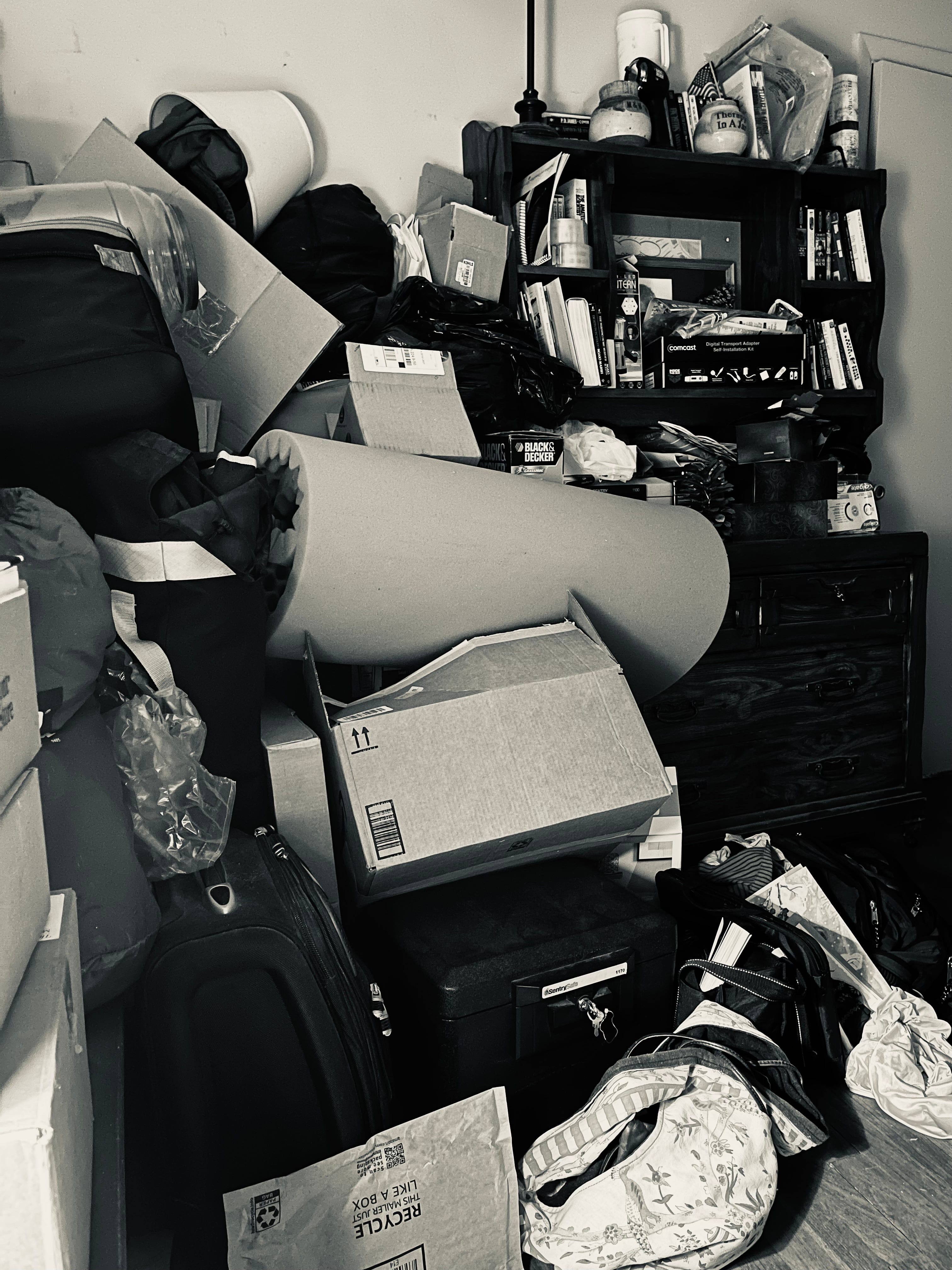
And in the meantime, you sleep in a room that was once your first bedroom which is now a dusty junk storage room with a bed in the corner, the bedpost serving as a closet and the front edge of an old book- and medicine- and tissue box- cluttered dresser for your toiletries, collecting your dirty clothes on the floor next to your backpack and purse. And you can’t help thinking, in passing, that this could be your life for years, your apartment in New York a distant memory, possibly a place you never again inhabit even as you pay your bills. But you can’t live thinking like that. Moment to moment, day to day. You can fight like hell and do the exercises and work to get better, or you can stay in bed and not get up. Both are reasonable options. But not, not now, for you; you have one option only because people are depending on you. And it could be so, so much worse. And it will be. Just a matter of time.
(Note: In this crazy world, it would have been easy just to come down here and not tell anyone besides your immediate neighbors in New York, not your friends, not the people at your job; you could literally live anywhere and under any circumstances with no one the wiser. But if you feel you have to hide and protect your friends from the complexities of your life, I hate to break this to you, but you don’t have friends. There are times when we all feel friendless, so ask yourself, “Have I shared my life?” and if the answer is no, you risk losing all connection, so for the love of god, share, and for the love of god ask them about their lives, and want to know.)
Love and kisses, with all the gratitude in the world to friends who text.