Yesterday walking from the farmer’s market My friend Who is Never wrong Unfortunately Asks me about the trip I’m taking home South To see A gang of friends All of us this year 60 My friend says “You need to be prepared For their health.” She says “Do you know about their health?” What the hell kind of thing is that to ask I become wobbly And I realize We are dying My friend who is never wrong Unfortunately needs me to face The inevitable Age and death Of friends, of myself, of all this.
Yesterday my friend who is Never wrong Unfortunately Tells me as we walk In her way That she has accepted Defeat and the end of the republic Tells me to be careful what I say In the South So I don’t get in trouble And I say fuck fear So loud That Appalachia can hear me Her lips purse,”Mmmm.”
At the kitchen table with her husband My friend who is never wrong Unfortunately says “I have sad news. All the morning Glories are gone. All of them are dead now.” And I know I saw some on my walk the other day Bursting in purple glory bloom still But I guess it’s today they stopped blooming And I missed it. I say nothing. “All of them are gone. Sad.” And I sit with my tea and my scone at My friend’s Formica table knowing I am wrong about Everything I guess And don’t know how to be With all this, all this death, all this unstoppable Ending “Sad.” Mmmm.
On my way hope I mean home I buy a bottle of good red wine “Hello, Sunshine,” says the employee Who says I bring the light Even as I wander out Wonder how I will live In red sips Of this dark world.
Today This new morning, blue sky and sun, I have a text from my friend Who is never wrong, “So I was wrong about one thing: I still saw some morning glories this morning— they’re there if they are facing East. The ones facing South were gone though— as they were gone yesterday.”
She was wrong about one thing. And if she was wrong about that One thing She could be wrong about (Fortunately) Almost everything And to everyone in America I say Like the faithful who practice In every faith Face East, not South And we, too, will not be gone.
Morning glories of Queens, facing east. Photo by Miss O’, fall, 2024
On Friday at work, on a Zoom call with the “team” and managers and the director of the division and a program “author” who is guiding our work, there was a pause after 40 minutes of presentation and feedback from the author to ask questions. I asked a good question, one I really wanted the answer to. The author relished answering it. I asked clarifying questions, and he answered those. It was hard to read my director’s face, but I know the team was glad of the questions, given the “Directly to you” notes on the Chat feature of Zoom, “Great question,” “I’m so glad you asked that,” etc.
When I left the meeting, I said to myself, “Well, Lisa, once again you may have saved your job.” What I asked—after months of keeping my head down and being quiet as we embarked on this new project—and how the author answered, may well indeed have provided a breakthrough for what will make the next version of the product really special and useful for teachers and students.
My whole life, I reflected this afternoon, has been a series of last-minute saves.
When I was a Christmas tree shearer one summer in the Blue Ridge Mountains, for example, I was having a hard time keeping up, and my rows, though sheared well enough, took me twice as long as others on the crew to complete. After several days of this that first week, I determined to keep pace with a woman next to me, because she was a good shearer and very fast. And keep pace I did. I learned the next day that one of our other crew members had been fired for slow work and because “his trees weren’t good enough.” The crew chief, Sharon, I’m sure would have fired me too, and it would have killed my spirit. Something inside me saved me from this fate.
In a writing workshop in my senior summer of graduate school, after a mediocre first attempt at a short story, and a second attempt that my professor felt was as good as it would get and not in need of a workshop, I wondered if I’d ever write a third and final piece worthy of the work everyone else was doing. I was certainly vocal—participating, challenging, encouraging—and if I’m going to talk that much about how I receive writing, surely I should write something worth reading. And one evening in my dorm room overlooking the lawns at sunset just after supper, I found myself writing in a blaze, a fictional account of my great grandmother’s life in Iowa. It all came in one night, with a crucial misspelling my professor mentioned in the dining hall at breakfast after he’d read the story prior to the day’s workshop. I raced to the computer lab and did the ol’ Control/Find, and I could tell he was pleased by my passion. A student in the workshop gave me a bottle of wine before class, “For the best story of the summer.” How did this happen?
I had a similar save in my second summer of graduate school at the Oxford campus. I was studying Virginia Woolf with an eminent Exeter College scholar who also taught James Joyce. After reading a collection of short fiction, Jacob’s Room, and Mrs. Dalloway, I had to produce my first paper. What would I write about? I decided it had to be Mrs. Dalloway, but what about it? I had no idea. I just couldn’t think. That evening, my friend Anna, who was taking a different course focus that summer, came by my room to see if I still wanted to go to the cinemas and see Howards End, just released, starring Emma Thompson, Anthony Hopkins, and Helena Bonham Carter. I told her my dilemma. “When is it due?” she asked. “Tomorrow,” I said. I sighed. “Let’s just go to the movies.” She was stunned. “No, really,” I said, gathering my things, getting my keys, “because I’m not going to figure it out just sitting here.”
We went to an 8 PM showing, I’m sure, because dinner in Hall was at 6 PM. And it was there, at Howards End, that the key to Mrs. Dalloway unlocked: Emma Thompson and her now husband Anthony Hopkins have learned that Emma’s sister Helena Bonham Carter is pregnant out of wedlock. In the garden, Emma is seated as Anthony paces, determining what is best to do. Emma keeps trying to get up, to go to her sister, to try to take action based on her own conscience. To stop her, to take control, the paternal hands of Anthony Hopkins press and press on his wife’s shoulders to keep her seated, to keep her in the garden.
And my mind exploded: there is a scene in Mrs. Dalloway that had puzzled me as to why it was there at all, which is a luncheon to which a certain Lady Bruton has invited Richard Dalloway, Clarissa’s husband, and a doctor (who is treating Clarissa’s nerves). Lady Bruton has a letter she wants to write to the London Times, and her point of view on the issue is liberal, one might say, and feminist. Yet by the end of lunch, the two men have explained to her what she really means, “Oh, do I?” she says, which is the opposite of her original point, and they write the letter for her. Those paternal hands pressing her feminist shoulders to keep her in the chair in the garden. I was saved.
You might look at these saves and think, it’s just a job, or just a class, or just a paper—it’s easy to diminish the experiences, I guess, but that’s not fair to anyone living this life. This is about that thing inside us, the thing that knows and opens and doesn’t fear, that does the work but also lets go to allow the “thing” to come, to be.
It was this that I witnessed in the person of Vice President Kamala Harris at the Presidential Debate on Tuesday night, September 12, 2024. She found the “thing” to rattle the motherfucker Donald Trump: the small size and demonstrable boredom attending his rallies. And from that moment on he was toast.
Lost because of that moment and its aftermath of verbal carnage, lost on the American press, as usual, was Harris’s masterful grasp of complex policy issues, foreign and domestic, none with easy solutions but with clear and important ideas to address and solve problems. After nine years, on the other hand, a clearly demented Trump revealed that as to replacing Obamacare, he has “concepts of a plan.” (As veteran retired high school teacher Tim Walz recounted this at a rally in Grand Rapids, Michigan, “My students had better excuses than that for not doing the work.”) Harris laughed.
Kamala Harris, Tim Walz, and I are all the same age. Born in 1964, we are the last year of the Baby Boom, the year before Gen X. As a result, we were both the responsible adults in the room even as children and also the last feral children out playing till dark all summer long; and, in addition, we get all the Monty Python jokes. I feel this in them, the kinship of that cross-section, people who do the work of the grownups but are loose enough to allow the realness to be and with humor. It’s helped sustain Harris and Walz in their brilliant and varied careers, I have no doubt. It’s done the same for me in my less brilliant but no less varied careers, too. Being adult and being real and being funny: it’s saved us.
With Harris and Walz and that generational realness, we have a chance to save this country. We can save it. Let’s save it.
Love,
Miss O’
Miss O’ recognizes, nay, feels, all these teacher faces. Credit to @AnandWrites
First of all, I have come to love this movie. Second of all, whenever Summer Stock, an MGM musical from 1950, appears on TCM the host always notes that 1) it’s Judy Garland’s last MGM musical; 2) this is one of the lesser MGM musicals; 3) Gene Kelly signed on in a less prominent role as a favor to his friend Judy who gave him his start; 4) Judy was obese at the time of filming; and 5) Judy’s iconic “Get Happy” number was filmed after production closed, and she’d “slimmed down.” It really sets you up to watch the film with a “pity” and “I guess I have nothing better to do” mindset, right? The movie deserves so much more of an intro boost, and maybe someday Miss O’ will be famous enough to be a guest who can explain all this to Ben Mankiewicz; in the meantime, I’ll introduce it to you.
Get Happy
When I was a kid in the 1970s, I fell in love with movie musicals that showed up on TV on the weekends, usually on syndicated channels, and spent hours and hours memorizing them. This was a confusing exercise. Interrupted as they were with commercials every three to five minutes, the movie plots were pretty much impossible to follow. For example, the opening song of Summer Stock, “If You Feel Like Singing, Sing,” follows the camera over “Falbury Farm” to Judy in her room to singing in the shower to putting on her farm clothes, and as she makes her bed, she learns from her housekeeper Marjorie Main that “Frank and Zeb” are “dressed in their Sunday clothes,” and…cue commercial for Ginsu knives. The next scene was probably Judy going to the kitchen, saying, “I don’t blame them,” and you think, “Huh?” Years later, watching the film uncut on TCM you realize that the network cut out the scene where Frank and Zeb quit their jobs, and how unsuccessful the farm has been, in order to make room for more commercials while my child head spun.
Another plot point that made the movie impossible for a kid to follow on syndicated Sundays is that Judy’s character, Jane Falbury, changes her mind solidly three times about allowing the show to continue in her barn. It’s totally reasonable that she does this, unless between mind changes a network cuts dialogue to insert commercials for Koons Ford used trucks, Ding Dongs, and Aqua Net.
As a result, Summer Stock was lost on me on my first viewing, whereas musicals like The Wizard of Oz, Anchors Aweigh, and Singin’ in the Rain, though no more complicated in their plots, had more understandable and entertaining musical numbers for a kid like me.
What led to me write about this little musical gem (because it is) has to do with summer boredom during a heatwave her in New York City. Right now my job is really slow, and I’m not ungrateful for that, but it’s hard to concentrate on anything with little in the way of deadlines attached while still being tethered to my laptop. To give myself some company, I look for movies to run on a loop when I can’t find procedurals like Law and Order in reruns, and Summer Stock came up On Demand. Over a dozen viewings later, I have this mature, wonderfully acted movie memorized, and more than that, I watched it with different lenses trained on it that might be interesting to, I don’t know, someone. Here we go.
Judy Garland’s Body
Here are a couple of photo stills from the film to help you understand how fat Judy was during filming:
If, like me, you are squinting to see a woman whose body is listing toward morbid obesity, welcome to seeing a normal woman like a normal person. Since The Wizard of Oz, during the filming of which MGM Studios put their young star on a diet of amphetamines, it’s the first movie where Judy’s body is what I’d call womanly. Healthy, even. In her many films, from The Harvey Girls to Meet Me in St. Louis, from The Pirate to Easter Parade to The Good Old Summertime, I see a Judy who is thin, and it’s a little unnerving how thin when you see her body is also covered in layers of period garb. In fact, not really since For Me and My Gal, her first picture playing an “adult” woman character (opposite Gene Kelly, whom she’d seen on Broadway in Pal Joey and championed to be her leading man in that film, thus starting his career), could I recall seeing Judy Garland in modern dress. Summer Stock is also the first movie in years with Judy in short hair—a hint of the hair she will style in more elegant ways in the 1960s. In Summer Stock, the body type works since Judy plays a farmer and a sort of old maid, and after filming completed and her contract was up, Judy’s career came to standstill, morbidly obese by studio standards and washed up at age 27.
The MGM Circle Game
Judy started out her career proper has Andy Hardy’s love interest in the Mickey Rooney franchise of movies in the 1930s, most famously Babes in Arms, where the kids entered the realm of movie legend when they found a barn and put on a spectacular show despite the town’s disapproval and the doubt of their families. I don’t know if it was deliberate that Judy Garland ended her MGM career on a farm set, hearkening back to where she found stardom in The Wizard of Oz, and inside a plot with a “let’s get ourselves a barn and put on a show” where she got her start, but it’s really kinda nice.
In Summer Stock, Judy Garland is no longer a sidekick ingenue in search of a show, or a waif who dreams of a world beyond the rainbow over Kansas. This Judy plays Jane Falbury, and she owns the farm (in a small community in what appears to be Upstate New York or Connecticut). Early on, we learn that the farm has been unsuccessful, Jane is engaged to Orville (son of the farm supply store owner Mr. Wingait), and her younger sister Abigail is due back from New York City that afternoon. And what do you know, Abigail surprises her sister with Joe Ross (Gene Kelly), the director of a new Broadway show looking for an out-of-town place to play, along with all his cast, crew, and sets. In the process of figuring out whether the show folk will get to make this happen, Jane’s housekeeper Ess (Marjorie Main) reveals that Jane and Abigail had dance lessons all their young lives, and Gene sees Judy do a little dance in the kitchen. Fireworks ensue!
Why Watch It?
Sure, there’s a predictable plot, tempers flare, people burst into song, love ensues, and a star is born, but the emotional world of this musical is more mature than in other movies, a maturity that resonates with the Miss O’ who still loves musicals a grown-up. This movie opens to reveal a woman who is comfortable in her body, who loves to sing and sings great, who without question runs a farm, and who genuinely loves her life. She is independent in the important ways and wants no rescue, no change. But you get the feeling that despite her four-year engagement to childhood friend Eddie Bracken, Judy/Jane has never known love. Orphaned young at some point, her entire life has been devoted to raising her sister and keeping the farm going. She doesn’t resent it. And she doesn’t realize that she’s been missing a thing until that devilish smile in the form of Gene Kelly arrives to shake her up. Gene and Judy are emotional equals. They spar, they compromise, they fall in love, sure.
But what strikes me most in this movie is that leading man Gene Kelly is a supporting player. The film is totally Judy’s. And the result is an uncharacteristically light and lovely Gene Kelly. Not that he isn’t wonderful in his films. But here he is not wildly aggressive or ego-driven, he has nothing to prove, and he doesn’t have to carry the picture. He’s not a ham. The dances are staged by Nick Castle, though Gene probably choreographed his solo routines, so he’s not carrying that load, either. His role as the show’s director Joe Ross is totally believable, and Gene plays his rages and fibs and falling in love with a master’s touch of humanity. He’s totally equal to Judy on screen, but it’s Judy’s movie, and his performance is the better for it. I think it’s one of his best.
In addition, it seems to me that however “lesser” this musical is in the canon, this is an important film in Gene Kelly’s development as a choreographer. In some of the dance numbers you can see the seeds of even more iconic numbers to come. For example, the staging of “You Wonderful You” with Judy presages “Our Love Is Here to Stay” with Leslie Caron in An American in Paris (1951) and “You Were Meant for Me” with Debbie Reynolds in Singin’ in the Rain (1952). Other dances in the film show classic Kelly moves he will use even more imaginatively in those later films, like the matador move, the airplane move. It’s fun when you realize this because of the order the movies come in. And you are a total movie musical nerd recalling these notes from memory.
Judy’s range as Jane is something she usually doesn’t get to display in other films—fully human, grown up, shifting from joy to concern to rage to apology to thoughtfulness to bargaining, with ease. And what makes Judy such a superb actress is that she is fully present in every scene, with every actor, no matter the roll. Her emotions are both raw and in control, and as a woman in late middle age, I connected with this character as I don’t generally get to do in musicals. Twelve-year-old me would never have enjoyed the vulnerable and tender moments between Judy and Gene, especially in “You Wonderful You” and “Friendly Star.”
The supporting cast is a Who’s Who of some of the finest character actors ever on screen: Ray Collins, Eddie Bracken, Phil Silvers, Marjorie Main, and Hans Conreid, as well as up-and-comers Gloria De Haven and Carleton Carpenter, and an ensemble of wonderful dancers. (One of those key dancers is Jeanne Coyne, married then to Stanley Donen (who will go on to co-direct Singin’ in the Rain with Kelly two years later), who was one of Gene Kelly’s dance assistants. Both people divorced by the late 1950s, Kelly and Coyne married in 1960. I think that’s sweet.)
Still, there are curious things in the filming that make me realize Summer Stock was not a top priority in the MGM perfection department. Charles Walters’s fine direction notwithstanding, there are couple of clumsy edits, unusually sloppy for MGM, both featuring Judy. In addition, as I mentioned, “Get Happy” was added in a re-edit of the film post-production, and great as that number is—possibly her best on screen—it doesn’t quite jibe with the rest of the proceedings. Also, after several viewings I finally paid attention to the final credits, where a noticed an actress named Nita Bieber “as Sarah Higgins.” And I’m like, who? So I deduced in subsequent viewings that this was the dancer who wears glasses and is always reading and has one featured dance moment; and I inferred there was probably a story for her that ended up on the cutting room floor, surely for the best. Her screen card may have remained for contractual reasons, or possibly out of laziness.
And when critics all point out that Garland is “obviously” thinner in the added number (and I noticed that the scenic background at least is in an earlier part of the film), I have to say I don’t see it. “Get Happy” is the only number where we see Judy’s legs, and on a 4’11” frame even five pounds would be a lot, as if it matters. And throughout the film, Judy dances like a dream, and dances a lot, and is clearly in great physical shape. I don’t know why critics feel compelled to talk about her weight. I really hate that. Judy Garland is simply great.
You might think Judy deserved a better or more glamorous movie send-off as her contract expired. The studio, which her talent literally helped make great, got her hooked on pills and then got mad when their work horse wasn’t able to perform and had no-show days on films such as The Barkleys of Broadway, where she was replaced by Ginger Rogers (in her last appearance, and only one in color, with Fred Astaire), and Annie Get Your Gun, where she was replaced by Betty Hutton. (Hutton told TCM host Robert Osborne that the crew of that film resented her terribly for taking Judy’s part, which is unfair, of course; by all accounts I’ve read, the crew at MGM loved Judy Garland.)
But I’d like to say that I think this lovely, mature, sweet, goofy musical treat, a kind of retrospective of all the films of Judy’s great MGM career, is a perfect movie for the middle aged, for the summer. If you need something to take your mind off the unutterable evils swirling nonstop around us, you might try the pretty, tender, talented world of Summer Stock (commercial-free on TCM). In the meantime, you might take a look at the duet arrangement Judy made of her iconic “Get Happy” with Barbra Streisand’s “Happy Days Are Here Again.” The number that keeps on giving.
Following a lousy debate “performance” by President Joe Biden—over tired, overworked, over-traveled, and (worst case for a stutterer) over-prepared (to talk policy, of all things, in two minutes or less, against a drugged-up lying sack of shit)—The New Yorker, to which I have subscribed since 1993 or so, ran not one, not two, but three long pieces, complete with photos right out of a Psycho ad, in self-satisfied, “final arbiter” prose, that President Biden must step away from the Democratic nomination. I searched for but could not find one, not one, request for actual psycho Donald Trump, belching lies at a record pace, to step away from the Republican nomination. (Nor could I find this in one publication in the American press, not even after 34 felony convictions, to say nothing of stealing documents, selling secrets, or buying the Supreme Court.) I was so livid I couldn’t sleep all night, heart palpitating, hardly able to breathe.
At 8 AM I called the first of two 1-800 numbers for Conde Nast to cancel my subscriptions to two publications. (Note: I speak not of the New York Times, which had their entire op-ed page, entirely anti-Biden, already written and ready for the presses before the debate even began, apparently, shilling for Trump since 2015; my subscription to them was canceled after their front page “But her emails” bullshit that may well prove to have cost America its democracy.) On the Conde Nast magazine sites, by the way, it’s impossible to “Manage My Subscription” because it falls into endless loops of signing in, then telling you, “You are already signed in,” in red font, and no escape. First, I canceled my subscription to Vanity Fair, whose covers alone have become so predictably insipid I can’t rationalize even using the magazine for collage material. (To wit: Anne Hathaway in black leather bustier, severe red bob, hands on hips, in Batman green lighting, and all I could think was, “Oh, look who must have turned 40 and has to prove she’s still ‘got it.’” And that, it turns out, was the story. That was a story? Sheesh. Any woman on the cover, even now, screams, “Lay me.” Fuck that.) After all the auto-voice hoops, pushing the correct numbers on the keypad, saying my subscription number, then pushing 7, I got an agent immediately, said I wanted to cancel, did (also remembering to log onto PayPal and cancel the “autopay” option for both publications), and when asked why, simply said, “I can no longer afford it.” What does a phone agent care about insipid covers? All done.
Next, I called another number to cancel The New Yorker. I followed the same auto-voice routine, said my subscription number, pushed 7, heard the ring for the agent, but didn’t get one right away. In fact, after 5 minutes passed, I was a little baffled and nearly hung up. A couple minutes later a woman named Kristen answered, and very quickly and without questions canceled my subscription. “Is there anything else I can help you with today?” she asked, nervously. Nope. Hmmm.
Then I happened to look on my Instagram feed, and first up was the New Yorker (note: Unfollow) Joe Biden from Psycho story, and I saw that there were over 4,000 comments. I clicked on those. And they were all variations on my own feelings, condensed here: “For fuck’s sake, call on Trump to step down you fucks,” and I scrolled to see, in addition, “I’m canceling my subscription…” many, many times. Hence that harried operator, who’d been fielding these calls since 8 AM. I did a quick bit of math, and if even 2,000 people decided to end their subscriptions following that totally irresponsible set of stories, The New Yorker quite possibly lost nearly a half million dollars in revenue in a single morning.
Is this “cancel culture”? You’re damn right it is. And for all the right reasons.
All the so-called “left” or “progressive” publications—and there are few if any in the form of daily newspapers now—are long-form publications, heavily researched, overly long, in small font, full of self-righteous beautifully written hand wringing but proffering no solutions to our existential crises. Not one of these publications has reported at all, or in anything like detail, on the transformational nature of the Biden presidency. Here’s a handy meme:
I read last week that under President Biden, the U.S. economy, for people who care about these things, which had so weakened under former President Trump, had recovered and even surpassed its strength in former years, making it the strongest in the world. (If you Google anything about the economy, what comes up first is the lie of The Heritage Foundation.) Biden has gotten tons of good stuff done despite the obstruction and waste of our Republican House. Biden pulled America back from the brink of collapse on every front, by his fingernails, and triumphed. Crickets from our press.
But I defy you to find that front-page story.
And worst of all—and predictably—many of my liberal friends are doing the “Joe’s gotta go” shuffle in lockstep, because it’s more important to look righteous than be politically savvy. I say this because no one offers a suggestion for a replacement or even knows how that would work. (MSNBC’s Lawrence O’Donnell did a great explanation of how impossible and also unnecessary and even dangerous it is, at this point.) Should Dems have a bigger stable of viable candidates? Sure. But doing right by the American people and also wanting to be president, and win, requires an almost impossible combination of intelligence, experience, an ego the size of Alaska hidden behind casual charisma, behind-the-scenes meanness toward rivals, big money connections masked by grassroots donors, a strong stomach beyond courage, and, hardest of all, a demonstrable ability to walk on water, at least till midterms. Libs can’t settle for less.
It’s July 7, four months out from the actual election, and Democrats are already giving up. “Ol’ Joe” aside, you hear the murmurs, “rigged electoral college,” “18-55 year-olds polling as nonvoters,” paving the way for that big shrug that follows the laughably predictable pearl clutch, “voting does matter.” (Cue knee-slaps of Republicans.) But who gets involved to try to change that? Who even uses a voice against the horrors of Donald Trump, the Heritage Foundation, and Project 2025? Who in America is running those stories? Who is even sharing them on social media?
Miss O’ is, anyway. I know I sound like a dick. I know that. But I am so fucking sick and tired of all the whining, the “You should be terrified!!!!!!” bullshit, the colossal waste of energy. Fuck fear. Fuck rumors. Fuck the fucking fuckers. Get mad at the right people. Act on that. I scream this with love.
Clutch no pearls! Instead, wear magical beads, and Lisa DiPetto’s sticker found at PencilIsland on Etsy.
It’s Democracy v. Fascism, fellow motherfuckers, and if it goes Fascism, we have only the weak of will to blame.
From the NYPL exhibit on Virginia Woolf, 2023. Photo by LO’H
A couple of years ago, the social media posts of “Sam,” a young gay man in his 30s, the beloved former student of a late teacher friend of mine, began shifting from a fun social and work life to marking a life in transition. First, Sam shared multiple moves, the most alarming (to me) was a move (for work) to a dangerously bigoted Southern state, where he was determined to make a go, build a community, and change hearts and minds. As life there, despite his best efforts, became less and less tolerable, he found himself in transit yet again, back to a major city in his home state. Shortly after this move, about which he detailed his joyful creation of a new home with the help of many friends, he began including pictures of himself in “feminine” clothes and accessories (pictures that reminded me of Tom Wilkinson’s character in the landmark film Normal.) Not long after, Sam formally announced that he was beginning a formal transition from “male” (assigned at birth) to “female,” which Sam said was the gender he had always felt he was. What has followed includes his documenting phases of this journey, including legal name and gender changes on his/her/their identification cards, photo records of a shift from pants to dresses and in a face in full makeup, the results of their hormone treatments, and most recently and significantly, a diary of their gender reassignment surgery, their plastic surgery to make their face more feminine, and the post-op difficulties that are part of the process.
For my own part, as an advocate and ally of the LGBTQ+ community, I have found watching this process overall to be troubling. Because I haven’t understand the source of my feelings, and because I still don’t know how best to be supportive in an honest way, I made a decision not to “heart” Sam’s posts, but instead to follow them at a distance, as it were, while working on myself to get a handle on what “transgender” means and how best to understand my muddled response to it.
The start of my own encounters with this cultural shift began by seeing cabaret. One of my favorite live performers in New York is Justin Vivian Bond, who as Justin Bond made a name in the downtown cabaret scene (and later, on Broadway, where I first saw them) in the character of singer Kiki DuRane in the duo Kiki and Herb, with Kenny Mellman as the always supportive Herb on piano. When Bond made a decision to present as female and then transition (with hormone treatments, but forgoing gender reassignment surgery), I remember items in New York magazines taking the famously cross-dressing Bond to task, saying, “Vivian? Now you’re going too far,” that sort of thing. Mr. Bond became Mx. Bond, doubled down on their activism, and used music and humor to include the story of transition into their act. “Am I he, she? I don’t know what I am,” Mx. Viv said at Joe’s Pub one night during a tribute to Judy Collins, who was there to introduce Bond and their band; Judy had used feminine pronouns, asking, “Am I using the right ones?” and in response, Viv (who presents tipsy as part of the act) said he/she/they didn’t really care either way. At the time, the idea of changing pronouns was a fairly recent idea, and we were all on shaky ground. Why not acknowledge that?
Justin Vivian Bond in performance at Joe’s Pub, November 2023. Photo by LO’H.
As a society, we have all been, in fact, transitioning to a new, amorphous world where gender isn’t rigid. In response to this change I think (no doubt subconsciously), expectant parents began staging “gender reveal” parties, as if to say, “My child will know exactly who he, or she, is,” which we know now may or may not be the case. And sure, as with any movement, some kids may declare themselves to be other than the gender their genitals indicate, but the truth is nothing about gender fluidity is new. For example, as a child ca. 1920, and for at least two years until she was 14, actress Katharine Hepburn insisted that the family call her “Jimmy,” and she wore boys’ clothes and had her hair cut short. Her family just went along, and why not? But there is a darker side to this, too, because her older brother Tom (who wasn’t “manly” enough, some biographers have suggested, for Hepburn’s father) committed suicide at age 16; young Kath found him hanging in a closet. As a family, the Hepburns never spoke of it again. And I can’t help thinking that while a daughter, still, can present as a tomboy, there is, still, no society space for a young boy to present as a girl for a while, try that out; let alone for either to transition.
What was troubling me about Sam’s transition had to do with a vague feeling, and I mean to be honest here, of repulsion toward the idea. Why? Why was I feeling this? Did I not quite believe him, suspect he was being exhibitionistic to be, say, a sensational social media influencer? It crossed my mind. But I don’t think he’s lying. The problem was with me, and I decided I had to understand—what I could easily accept in Mx. Viv, I struggled with in Sam, I realized, because Sam is someone I have actually known since he was a teenager. My internal conflict was much closer to what the parents and friends of trans youth might feel than I at first acknowledged. All this is really to do with gender as a societal construct, which (I see now), I’d had the good luck never to have to worry about.
The well-worn copy itself.
The first novel I read that centered gender is Virginia Woolf’s Orlando: A Biography, which I decided to reread. Because I read with a pencil in hand, having conversations with my books, I see this must be my 6th reading of the full novel. (The only time I didn’t record impressions was in rereading it prior to studying in London in 2000, where I went three days ahead of classes so I might haunt Bloomsbury.) Each reading had a different purpose or at least caused me to come away with distinct, and distinctly limited, impressions. First, I was wowed by Woolf’s imagination—so different from that stultifying attempt to read To the Lighthouse in college; later, the more I learned about Woolf’s life, I was charmed by how her novel parodied her father’s profession as editor and writer of the Dictionary of National Biography in England. But more profoundly, Woolf’s novel was a deep reimagining of the life of her lover, for a brief period, and dear friend Vita Sackville-West. I’ve read the novel, then, over 30 years and with many discoveries, but this was the first time I read it with an intention: while I’d enjoyed the fantasy element of Orlando changing from a man to a woman over some 350 years, up the “present moment,” aged 36 in 1928, I had never thought about this gender change more than intellectually. Yes, we see what it’s like to be a woman vs. a man over time, and that somehow Orlando having had female lovers is still okay by the novel’s end, which is quite an achievement in modernism. But what am I missing?
The record of my rereadings. Do you do this?
Books become different because we become different readers, which is why rereading is so important. This particular revisiting was prompted by a movie. Back in the early winter I went to Film Forum here in New York to see Orlando: My Political Biography, a documentary in which several trans people were interviewed about their encounters with this novel, how it became their identity bible, how it helped them survive. Because I had no personal reason to connect with the novel on that level, I’d never read it that way (and these readers needed none of the backstory of Woolf and West to find the novel both revolutionary and comforting).
But now I had Sam and Mx. Viv (as well as my friend’s grandchild, now completing middle school as a boy); I’d seen the latest in a series of American horror stories, this the story of a nonbinary student in Oklahoma beaten to death in a high school restroom by (gender-assigned) girls, the student’s head smashed in over and over and over against the floor. Where does this hatred, this viciousness, come from? Where is all this fear coming from? Could reading Orlando again help me figure something out?
Woolf’s novel was (as Nigel Nicolson, the younger son of Vita Sackville-West, said) obviously a “love letter” to Virginia’s friend Vita, who when her father died learned she could not inherit the family estate Knole because she was a woman; so the famous estate went to her second cousin Edward (who had had nothing to do with the place unlike Vita, who’d loved and cared for it and kept it running all her life), who in turn sold it to the National Trust. Vita was bereft. In addition, Vita was bisexual, married to another bisexual, Harold Nicolson, and lived her life more or less as a man in her independence. Hers was quite a complicated life story in any era, but especially in 1928, when the book was published. Woolf’s novel was a spectacular best seller.
One might well ask, How did Woolf get away with it? In her infinite genius, she went full-on fantasy, beginning Orlando’s life back in time, when Queen Elizabeth I gifted Knole (fictionalized in the novel) to Thomas Sackville, Vita’s ancestor, and when Orlando (of the title) was a boy of 16. By taking Orlando through the ages—via the voice of a biographer-narrator who confesses to being as mystified as the reader at the changes, saying simply, “but that is what happened, what can I do”—Woolf subverts the gender transition though timetransition. Readers are kept off balance through humorous descriptions of the awkwardness of the gender transition, exploring the mores and their differences for men and women through the ages. Orlando embraces, finally, her many selves, her genders, over all the centuries, coming to the present moment as a poet, a wife, a mother, a woman in the 20th Century.
The novel, as a note to those of you enticed (I hope) to read it, is not without ugliness—casual bigotry and acceptance of colonialism shockingly run throughout—which shows that no author, however enlightened in many areas, can be expected to be enlightened in all areas. But as Woolf’s biographer-narrator might say, “Difficult though this is, it’s what happened, and so we must record it.”
I must say, this journey of the past few years has been deeply affecting. I had never really thought about being a cisgender woman attracted to men since birth; I’ve had to ask myself if I was ever attracted to women, and yes, I have been—but only once I remember, as it happened oddly, suddenly, and then the feeling passed, in the audience of a theater maybe 15 years ago. I was in perimenopause at that time, I think, increasing in testosterone—was that it? Who knows? But it was real. Why did it hit me as something wrong? Why must anyone be tormented for having healthy sexual feelings, loving feelings, for our fellow beings; for wanting to express what is inside us in honest ways? Why do we continue to insist on gender reveals, coming outs? I used to wear dresses as well as pants; now I wear exclusively pants. I began dressing as a man, I guess, but with scarves and jewelry; and as a woman in America I can do this. Why can’t anyone of any gender simply discover and express themselves honestly?
“When this happened, Orlando heaved a sigh of relief, lit a cigarette, and puffed for a minute or two in silence. Then she called hesitatingly, as if the person she wanted might not be there, ‘Orlando?’ For if there are (at a venture) seventy-six different times all ticking in the mind at once, how many different people are there not— Heaven help us all having lodgment at one time or another in the human spirit? Some say two thousand and fifty-two. So that it is the most usual thing in the world for a person to say, directly they are alone, Orlando? (if that is one’s name) meaning by that, Come, come! I’m sick to death of this particular self. I want another.” ~ Orlando, page 308 (HBJ edition)
Miss O’s Woolf shelf, partial view. Essays, letters, diaries, and especially her fiction: Virginia Woolf remains my favorite writer. Orlando, taped and glued together many times over, was my gateway.
And this is where I am in this moment, today, the 10th of March in the year 2024, writer, artist, editor, daughter, sister, friend, woman. What about you?
Back when I was a drama director, my school’s orchestra teacher, Mr. T, had to fill in as the conductor of the orchestra for The Music Man when not one band director but two had to bow out (one for a family tragedy, the other because he’d been asked to be an interim principal at another high school). Mr. T, who had strenuously avoided conducting kids in a pit, was a terrific conductor and teacher, but knew nothing about musical theater. One day in the library, where he’d tracked me down, he asked me about a bunch of music on the sheet. Those marks (Greek to me) turned out to be the opening of “Wells Fargo Wagon,” and just as Mr. T knew nothing about putting on a show, I knew nothing about reading music.
He asked, “You don’t need all this music, do you?”
Oh, yes, we do.
“Why? It’s a lot of music.”
Because all this intro music is covering a set change.
“Covering?”
Right—the orchestra plays while we do all this work behind the curtain, or on a darkened stage, and when the lights come up, the music stops. In fact (I explained to the perplexed Mr. T) we will probably need more than that, so you will need to pick a spot you can back up to and play it again. It’s called, Vamp until ready. (And here I sang a little, “Bum, bum, bum, bum” [key change] “bum bum bum bum…” and then, “Now the lights come up and Marion enters…and music fades….”)
To his credit, Mr. T listened, learned, and got it. I was really happy to work with him, and he was in turn grateful to conduct the pit, though once was enough (it’s a 10-week after school time commitment for no pay), because he’d had no idea what went into it or how interesting it was to watch a show evolve in rehearsals to performance. And since pit orchestras are among the biggest employers of musicians, even a high school production of The Music Man is real world work experience for the kids.
I was thinking one morning this week about that expression, “vamp until ready,” which I learned in college as a theatre major under the direction of the late, great Maureen Shea. I used to watch her direct even on shows I had nothing to do with, only one of which was a musical during my four years. (Sometimes, you only need one strong experience to bank away knowledge for a lifetime.) I’ve noticed that “vamp until ready” applies to my corporate work life, and by extension to my life in general right now, but oddly enough, also to world leaders; the question is, How long can we keep this up?
“Figure It Out”
Among the looniest takeaways from all the years of public or private education for Americans in general over the past many decades is the notion that teachers had nothing to do with our learning. Instead, too many who go on to adulthood, especially those who become “leaders,” are under the delusion that they themselves figured out how to read, write, calculate, observe, and think irrespective of the educators they had over the years; indeed, some believe they learned in spite of them (and however much we may not like a teacher, we learn that, don’t we?). Ergo, when these former students go on to lead projects for, say, the government or a corporation, they begin by telling you, the workers, about a vision, the market, and the research, and to explain your titles and roles in the creation of this new initiative or project.
And when you ask, “What do you want me to do, or how can I best be of service?” their standard answer is, all too frequently, “Figure it out.”
Or, worse, “I’ll know it when I see it.”
I believe this is because they, the leaders, know we have to create something, but beyond a pillowy, sparkly dream, they more or less have no idea how to execute it. Or, by contrast, they know exactly what they want to do and give innumerable lectures in meetings trying to get your buy in. Talk, talk, talk, talk, talk until blue in the face. And after two decades in corporate life, where I moved from worker bee to senior whatever, the same thing holds true, whatever the leadership style: No one in leadership gives a tinker’s damn what anyone on my level “thinks.” Nothing we “do” or “make” will ever be what they want because they have zero curiosity about what we on the ground are going through. Life as Monty Python sketch. So, in order not to go mad and to keep your salary and benefits, you learn that the best thing to do is “look busy,” or as we say in show biz, vamp until ready.
And one day, suddenly, the curtain will open, the lights will come up, and the leader will shout, “I need everyone on stage NOW.” And with the wave of a wand, the leader will tell you what they want you to do. Only now, instead of 12 months to make the product, you have one. And you’d better not fuck it up.
Work Until Living
Everything on earth is in crisis—the climate, the untold effects of war and natural disaster, governments taken over by the right-wing march to fascism—and where once we had (we thought) plenty of lead time to solve everything, the time has been lost primarily due to lack of capable leadership, or because good leaders have been thwarted by others devoid of curiosity and compassion and belief in something true. I’m looking at free-press publishers as well as mayors and governors and representatives and presidents. Even good leaders can’t move forward when no one else is cooperating. How many times must we quote “The Second Coming”? The best lack all conviction, while the worst / Are filled with passionate intensity.
But being a lowly worker bee, I can’t lead the world to victory over the latest crises. As a result, I find myself stuck with my own life to figure out. That’s where most of us are.
Where is my leader, I wonder, the one who will announce to me what I’m supposed to do and how I’m supposed to do it and what the deadline is? A lot of us could use a purpose, not life and death, maybe, not with stakes beyond what we can handle and live in joy at the same time, but I mean some kind of purpose that makes the work of living each day something beyond mere survival. Many people have love in their lives, a mate or children, to give them that level of desire for living. Most of us, however, do not. And that’s when we look to art, I guess, whether or not we have talent or direction.
I think, in fact, the worlds of business and government (and even puny human life) would do well to take a cue from the world of musical theater.
At the first production meeting for an upcoming show, the director (in charge of the whole shebang) sits with the musical director, set designer, lighting designer, costume designer, choreographer, and stage manager (and if at all possible the original authors, but I was never that lucky director) around a big table, scripts in hand. First, a good director will share the vision she has for the production. A really good director will move forward by genuinely asking each of the players assembled what they think about the script and score, looking at their preliminary sketches and notes. Next, an even better director listens to each person in turn, not as a courtesy but because she really wants to know what they think. The stage manager takes notes. Perhaps they break for tea and donuts. And if a director is excellent, she will tell back to each of the players all the ideas they shared that she would really like to incorporate. Then she will give them an assignment, which is to take everything they’ve talked about today and make adjustments to their previous ideas; this includes the director. And so the work goes. Ultimately, the director decides on the production concept and must make sure that all the pieces of the production, including performances, are working in concert (the setting not modern when the costumes are 19th century, say). All this work evolves over the course of, say, ten weeks, leading to the technical rehearsal with the performers. The tickets are sold, the show must go on.
Unlike world leaders faced with the problem of war or global warming, or a CEO launching a new, useful product in corporate America, in theater a leader is not allowed to go into denial, sit around making speeches or ringing hands or having drinks with other theater folks before deciding to finally start rehearsals a week before opening night.
There is in the theater what Dr. King called “the fierce urgency of now.” (How is this not true for too many when it comes to war and the planet, when the stakes couldn’t be higher?)
In the months or weeks leading up to an opening night of a show, the work has to be ongoing and purposeful (the theater is booked), the collaborations real (the tickets are sold), the director clearly in charge of pulling it all together. That’s the deal. A show might succeed or flop, but no one is setting out to fail. And the work in any case will help everyone involved be better trained for the next one. And there will always be a next one.
The theater process is worth studying, I think, because while the stakes often feel like life and death, because artists care so deeply about success, the truth is no one dies. All we ever have against us, whatever our job, is time. In the theater, every show needs two more weeks. Because we don’t have it, we go on, we work, we do our best. We don’tgive up.
Shouldn’t that be everywhere? With everyone?
More and more, I’m wondering if I’m feeling a crushing sense of my own life off the rails because all around me I sense the director left the building; I feel this enormous lack of sentience, wisdom, and leadership in the larger world. It’s hard to think of my little life having value or meaning when the highest of stakes, life and death issues, are being played for farce among, say, elected Republicans in our House of Representatives, where the instigators receive no rebuke in the headlines (while “the slap” gets unending coverage). How long can we keep up this vamp before the audience in fact dies?
Troubling Deaf Heaven
“Yet in these thoughts myself almost despising,” haply I ran across this quote from my idol Katharine Hepburn via Instagram. She’s absolutely right—the only one who has to change in the above scenarios is I. Yet how, I wonder. And to what end?
Yesterday morning, Saturday, a week before I’m scheduled to return to New York (according to my latest in an ever-updating series of return Amtrak tickets), my mother, Lynne, still prone in bed in the playroom despite a light breakfast, sips of coffee, and blaring overheard lights, grumped to me and my dad from her near fetal position, “Would you leave me alone for a minute?” Sorry, Mom, I said, and out I went to get coffee; my dad remained, quiet, in a chair watching the very loud news. So it goes.
A few times during the last week, taking breaks from my own publishing job (where on Tuesday at the dining room table my computer died, had to order a new one via our help desk, get it FedExed to me, and return my old one, which I did, thanks to brother Jeff), I’d say, if I found her receptive, “You know, Mom, if you want to get dressed…,” and she’d say from under the covers, “Maybe tomorrow.” Friday evening, I’d told my dad and brother Jeff that I had a scheme: Since Dad O’ had bought bags of Halloween candy and baggies, and found the orange ribbon they always use, why don’t we set up in the dining room on Saturday morning and make the bags of treats they love to give out for Halloween, and make Mom O’ join us?
And, remarkably, we did that. (Generally, the jobs were as follows: Lynne (!) cut the lengths of ribbon, Bernie made the piles (one each of M & Ms, Snickers, KitKat, and Reece’s Cups), Jeff bagged, and Lisa tied them up. Sorry I couldn’t capture anything like fun, but we did have some nice little laughs, good memories. When sister Sherry called in the midst of this, Dad remembered Sherry and Craig (the children of my dad’s first marriage and who lived in Richmond) were in that house the first Halloween Bernie and Lynne and I lived there, in 1964, when county farmers (unbeknownst to my folks) would drop rural kids, piled into pick-up trucks, into all the new housing developments to trick-or-treat; as a result, the O’s quickly ran out of candy. Sherry (who was 7 or 8 then), who had a haul, said, “They can have some of mine,” and Dad wouldn’t let her. Sherry was born a doll. Dad said it’s the most kids they ever had for Halloween, even today.)
After we’d made 100 or so packets (my dad kept a tally sheet), my mom, Lynne, from this unaccustomed chair, said, “Now where do I go?” Her family had all gotten up to complete chores around the small house, my dad cooking up vegetables for ham and cabbage and peas porridge; Jeff to closet for the vacuum cleaner, I to the dust rag.
And in the midst of all this movement, Lynne made a decision. She decided to get dressed.
And, what is more significant, she wanted to get dressed in her room. Upstairs.
And she did that. For the first time in seven weeks, Lynne was in her room.
More astonishing, Lynne came back downstairs on her own, my dad bringing her walker as I watched her grab the railing with both hands, taking one step at a time, foot-foot, foot-foot.
She sat in her usual living room chair.
And it occurred to me later that that’s where her irritation had come from earlier in the morning—Lynne, whether she realized it or not, was making a Big Decision. And she chose life. At least, yesterday she did. We’ll see how it goes.
Anger Management
On Tuesday of this week, my brother Jeff texted me, “I’ll be home in a few minutes. Will explain when I get there.” As it turns out, he’d been fired, after 35 years, despite being the most skilled glass cutter in the shop, for mouthing off one too many times. Over a week of shock, sadness, back and forths with the HR guy, Jeff figuring out Cobra, etc., the shop boss (who’d overreacted and must have quickly realized the quality of worker he’d dismissed) told Jeff he maybe could come back, as a beginning apprentice (!), if he went to anger management. Of that suggestion, Jeff, who had expressed worry over what would happen to him at another job should he get one, was totally on board. “I’ve needed it for years,” he admitted. I told him how therapy saved my life 30 years ago, and Jeff has been looking into how to get started. (Sidebar: Bernie said to me yesterday, “Why does anyone need therapy? It’s common sense.” Says the man who screams at his family viciously at least once a week for no apparent reason. Jeff and Lisa come by their raging honestly, Pops—and I warned him not to therapy shame. “You’ve seen that commercial with the guy lifting weights who refuses help?” Yeah. “It’s like that.”) (Sidebar 2: I told Jeff I have an idea for a children’s book, Jeff Loses His Job, that could be one of a series to make our fortune, and we sat and thought of other possible titles to come. I’ll keep you posted.)
Meanwhile on the planet, the other day I read this headline:
Ukrainians Destroy Russian Tanks with Radio-controlled Toy Cars
And if this is how we can do war now, why not send toy cars and toy tanks into an arena, blow them up, and call it a war? Why are Israelis bombing real hospitals in Gaza? Why is Hamas carrying out real Jewish genocide in the name of the Palestinians? How in the actual fuck are the peoples of this earth STILL STILL STILL doing all this shit to one another, destroying Earth in the process? Do it with toys.
Given this week in life, I couldn’t help thinking that the humans of Earth could all use a course in Anger Management. I’m sending out this call for a global PSA.
Until everyone realizes life on Earth is about survival, cooperation, and governance (Republicans, is this on?), let’s let the monster trucks do all the destroying of one another, better still virtual trucks. What has been the point of any war on any scale in the past several thousand years but to assuage one man’s ego and make him feel a king? Because amid all that shit, we know that every single little human on this planet is fighting their own demons, their own personal battles, trying to survive as best they can.
Today, anyhow, let’s hear it for tiny victories, the small battles fought and won, without bloodshed and in the face of great uncertainty, one moment at a time.
A friend texted me Saturday afternoon to ask when I will be writing another blog installment, after the previous post about caring for my folks, and I texted back, “Lather. Rinse. Repeat. There’s your blog.” What else is there to say? Day melts into day into day into day, as the days go by, every problem you thought you’d resolved (meds, meals, moving through exercise) back to square one, recalcitrance.
Sunday was a fragile day. I’d awakened about 1 AM, weeping, realizing how impossible it is for me to leave, trying to figure out if I should just sell my New York apartment and the bulk of my possessions and just move here, or try to wait it out. I don’t want to move back here. But I’m not sure what choice I have. I somehow got back to sleep for a few hours. Later, taking my dinner plate out into the playroom (where my parents live now), I startled my dad, whose Coke flew into the air. I set down my plate, went into the kitchen, got a went rag, wiped down the rug, and then picked my plate back up and walked back into the other room to eat. “You’re not staying?” my mom said. “Oh, come on,” my dad said. I didn’t know how to explain that the combination of the relentless overhead lights and the TV blaring at 100 (I am not kidding) and my mom barely eating and my dad so easily startled had caused me to begin weeping again, the result of being trapped in a bad movie that can only end after much more suffering to come.
I keep trying to find the humor in all this.
On Friday afternoon, around 4 PM, my parents, who had gone to bed at their usual time of 3 PM, were startled when they heard a knock at the back door of the playroom (their new bedroom-normal), and it was Justin the physical therapist. (On Wednesday, Justin had left before I could write down the time of his next visit (I was on a Zoom work call in the dining room), and my parents had said that there wouldn’t be another visit until next week.) To my surprise, my mom rallied, put on her nice wig, and went on the walks through the laundry room and kitchen, did the band stretches, made humorous comments. My brother and I, meanwhile, stayed stretched out and prone, Jeff on my mom’s lounge chair and I on the loveseat, watching Midsomer Murders. Justin came in with my dad to write his next visit on the calendar while I recorded that date in my phone, and I said to Justin, “I know that my brother and I look to you like geezers in our 50s, but inside we are just teenagers in our parents’ house.”
Oh, look. Found some humor.
I suppose that fact, of being a perpetual child, is why I don’t fully know how to be here, having also to do with the fact that on Saturday and Sunday, after her Friday late afternoon rally, my mom stayed in bed and barely moved except to walk on her walker to the bathroom a couple of times, and to sit up to nibble on what is probably at most 700 calories a day; I figure it’s closer to 500. I don’t know what to do, or how to get her and my dad to see that this starvation is why she is so tired. I just sound like a scold.
Not What It Used to Be
Calls from friends matter more than I would have imagined, like pictures of her baby grandson to my mother. I missed a call earlier this week from my friend Mark, a retired schoolteacher approaching age 80; I texted him; he texted back Sunday about a good time to call; I texted him that 7 PM would be a good time to call, and he called. (It’s all so complicated now, isn’t it?) He’d recently driven down from his home New Jersey to North Carolina to play piano for a former student’s wedding, and since he’d gone that far, he decided to continue down to South Carolina to visit a 92-year-old writing professor, a woman often described by the former director of the Bread Loaf School of English as “indefatigable.” But now Dixie tires easily, Mark said, though they had a very nice visit. The subject they found themselves coming back to, however, was not so nice: the deterioration of the place we all thrived in back in the 1980s and ’90s, Bread Loaf.
Unlike Mark and other friends, once I got my master’s degree in ’94 (and only returned in the summer of ’96 on an NEH grant for theater teachers, a return that made me know I was done with higher education), I had no real desire to visit. I like seeing people I love, but truth to tell, when I graduate an institution, I move on. Just as some Virginia Tech grads I knew became townies, some Bread Loafers returned to the Mountain, as we called it, in Ripton, Vermont, summer after summer to work there. I never felt that kind of attachment, though I dearly loved my time there.
The magic for me started with a brochure in my Appomattox P.O. box, one that showed a 30-ish blonde and bearded guy sitting on an Adirondack chair in a green meadow. The Bread Loaf School of English, located at the site of the famous Bread Loaf Writers Conference, boasted a wide array of classes, and required no thesis for its master’s program. In addition, the program only took place in the summers (five of them for a master’s) so that it could fulfill its mission to continue the education of working English teachers as well as writers. From the first arrival in my pickup truck (on my rural teacher scholarship, the big push I needed to apply in the first place), the creamy yellow-orange buildings with forest green trim, the meadow, the Green Mountains—all of it made me feel home. The added contraband view of electronics, including radios and televisions, and the discovery that there were no locks on the doors, made me weep with gratitude. A dining hall bell rang for the three very hearty meals each day, a room to sleep and study in, classes to attend, porches to sit on—all this and the ability to focus on growth instead of world worry was beyond a privilege. It was a lifeline for a Miss O’ that was a very lost soul at the time.
Over the years, as Mark went from Bread Loaf graduate (class of ’89) to administrative assistant (up until about 20 years ago, when his own parents required constant care) to regular visitor every August to play graduation, he has had to witness what feels to him like the deterioration of our beloved institution, degraded by the unavoidable advent of the personal laptop, personal printer, demand for internet access, and cellular service, and all the infrastructure updates these modern needs entailed. A change in administration brought a more hands-off, corporatized approach to the school, less benevolent parent who wants to see you thrive creatively, and more an efficient parent who makes sure you have clean shirts but otherwise keeps their distance. (Optional locks came to the doors my senior summer of ’94, when personal computers became more popular; permanent locks came about the following summer, after my time. I think of Robert Frost’s “Mending Wall,” wondering what we are walling/locking in or walling out.)
Metaphor Alert
The change to Bread Loaf from a kind of Brigadoon for teachers and literati became, as I talked to Mark, sort of analogous to the deterioration of my mom’s body; and the (understandable) lack of her hands-on nourishment of her children struck me as analogous to the (less understandable) demise of spiritual, personal, and creative nourishment at Bread Loaf and its former feeling of family and welcome and love of the human enterprises of reading, writing, and theater, of storytelling, of good talks, good walks, joy in nature, sunrises and sunsets, the heavy dewy mists after a late night of storytelling around the bonfire. We were there at a magical time, Mark and I agreed; were lucky to have been part of it when we were (though today’s students won’t know the difference, or what a difference of perspective they could be enjoying, given that there is no substantial shift from their everyday lives and the summer retreat, phones ever in hand). To continue this analogy, my mom moved from poverty to middle class prosperity; did better than her forebears but not without working for it; and there was a golden time, sort of, but that time is gone.
The big analogous questions: 1) Do I corporatize the care of my mom and dad? 2) Do I keep trying to force feed my mom? Finally, 3) Do I keep sending yearly donations to a corporatized Bread Loaf? Clearly these aren’t the same things, as for one, in my mom’s case she’s my mom, for crying out loud, and for now I remain on site; in the case of my school, it’s a place I’m not really responsible for, however much I’d like to help keep it going, though I haven’t been to Bread Loaf in 20 years and have no desire to see it again. Still, I want never to lose the feeling of deep connection and gratitude I have to both my upbringing and my education.
The analogy continues: just as the internet is never off now at Bread Loaf, the TV at I never off at my parents’ house. Like the internet for today’s generations, the television is for my parents their company, their connection to the world. It blares around 100 because of my dad’s hearing loss, so every conversation has to be had over the television; and by contrast, because of the radio silence, one witnesses very little in the way of conversation these days at Bread Loaf. With all this change, I guess, I get weepy, at moments, or get the shakes, not because of the inevitable (there is only one way this is going to end, after all) so much as that any possibility of preparing for it in anything like a meditative way is off the table.
There are other significant differences between my mom’s bodily changes and those of my beloved Bread Loaf. While I encountered the necessity of change at my parents’ house because of old age (an old age many don’t have the privilege of reaching or reaching in the relative comfort of their own home), Mark walked into the Bread Loaf community Barn this past summer, with its empty chairs, or one or two individual students sitting with a phone, no one in conversation, no one playing the piano; the snack bar for coffee and tea closed long ago, no fires lit in the fireplace, and no more dances there on Saturday nights, since people leave campus on the long weekends—no more Friday classes or planned weekend events, because the new administration, it seems, encourages people to get away. Fewer people to cook and clean for, I guess. That’s a choice the school made not because of an aged 100 years of the school’s existence, but because the human race appears to be done with bucolic life and the philosophical reflection that allows, at least for now.
Miss O’ in Queens, but the message remains the same.
I guess it’s an odd analogy, these two things, but it’s helping me think through change and luck and the necessity of moving on, of carving out a creative spiritual life despite or even because of this decay. Something has to rise from the noise and the ashes. Doesn’t it?
You don’t know where they keep, say, the batteries, the dust rag, sure, but really it’s about the morning and evening meds for both of them, your dad and your mom, both 89; and about the bills they pay online and by check, and online are they automated or not? (Only the credit card isn’t, but the trash bill has to be paid by check, and while you found the updated auto insurance policy you can’t find the bill, and right now your mom can’t remember how she pays it and your dad has never written a check in his life, since he has mom for that). Last year when you and your brother Jeff had to get them a new computer, and it was a large laptop, for some reason your mom could not seem to understand that the keyboard on the laptop does exactly the same things as the freestanding keyboard did, the screen is a screen, and the mouse is the same mouse, whereas your dad, who had avoided all things computer except to check emails, sort of, while standing by your mom, is now the email guy, if barely, but he doesn’t know anything about the bills. You see the desk, piled with clusters of old envelopes of bills in blue rubber bands, just as the downstair buffet is, and the console behind your mom’s chair, all labeled in your mom’s neat, fine point, all-caps script, some with notes like “KEEP,” but that doesn’t tell you why they are being kept, and your dad as no idea.
You then can’t help but notice that the kitchen and bathrooms could do with a cleaning and subbing in of fresh towels. In the linen closet in the small upstairs bathroom is a helter-skelter collection of sheets, pillow cases, and towels of all sizes, in some shade of blue or pink, most all of them frayed from 30+ years of use, and at the bottom of the closet are baskets of cleaning products and small appliances and tools and boxed tissues and rolls of toilet paper, none of which you can use for cleaning the sink the way you want to, since there’s no rag or sponge, because of course there isn’t. “It’s hanging on the towel rack in the downstairs bathroom,” your dad says, because when your dad cleans the bathrooms (your mom hasn’t been able to scrub or get down on the floor for a decade), he does them at the same time, see, so the rag ends up downstairs because he starts upstairs, see?
So then the meds. Dear god the meds. The morning ones for your dad are downstairs in the kitchen hutch, in a lidless round tin that once held Danish cookies, whereas his evening ones are loose bottles resting on his low dresser by the mirror; and all of your mom’s, the morning and the evening, are in the old Easter basket, atop the tall dresser by the TV, labels so smeared by your dad’s hand oils (within a week or so) that you have to strain to read them, even under and lamp and with your low Rx reading glasses. You ask, “What are these for?” and your dad says, “I don’t even know anymore,” so you study them, make lists. With a Sharpie fine-tip you find in the console behind your mom’s chair downstairs, you label “A.M.” and “P.M.” on each bottle, separating the bottles (and they aren’t really “bottles”?) by parent. On Amazon you order AM and PM weekly meds sorters, and when they arrive you take a Sharpie and write on each side of one, “LYNNE” and on each side of the other “BERNIE” (and on the one you got for yourself “LISA” which is weird because you, Reader, have some other name, probably, as do your parents, for that matter). You will need to sit with your dad to organize them. Note: Without the muscle memory of opening plastic bottles and walking from upstairs to down at the same time every morning, and downstairs to up at the same time every evening, your dad will spend weeks figuring out the new system, and he will take his evening meds in the morning and to forget to give your mom her meds at all; you realize you have to check on this and coach him. And when he does finally get the hang of it, his OCD kicks in and he refills WED AM as soon as he’s taken it, so you can’t tell if has actually taken them or not, and it takes three tries to get him to see what you mean. Now you realize you will have to check and actually ask him every morning and every evening if he and your mom actually took their life-saving medicines. Check.
Backstory, or Why I’m Doing This
The routine, see, is all new, because your 89-year-old mom tripped on a bathroom rug (the rugs the doctor told you to get rid of years ago but they are so pretty, and small, and what could go wrong?) in one of the world’s tiniest full bathrooms (second only to yours in New York City) in the middle of the night, fell, and cracked her hip. The EMTs had to get her down the stairs of a split foyer using a wheelchair. Almost 24 hours and a few tests later, your mom is transported from the local hospital to a more advanced medical center, where neither your brother Jeff (who lives in) nor your dad visit her for three days because each morning they’d call, her ladyship would declare, “Don’t drive over here! They are transferring me to rehab today,” so they didn’t, even after the second day when she called again at noon and said, “Haven’t you left yet?” because men. And when you finally arrive on Amtrak via subway from New York City (taking two days to put up the storm door, take down the AC unit, clear out the fridge, arrange for your wonderful upstairs neighbor to get the mail, water your plants, flush the toilet, and run the faucets once a week, and pack your work and home laptops and chargers and meds and a few changes of clothes) on the fourth morning of her hospital visit, you all drive over and you track down her nurse and you explain, “I’m her daughter from New York, my father and brother actually listened to her, because she runs the show, and we need to understand what is happening, and I’m so sorry,” and you explain this because you realize the nurse and doctor have assumed she has no one who cares about her, and of course they assume that and this is so, so not the case. And everyone feels terrible. Your mom really doesn’t seem to know what is going on.
First things first, you replace her matted gray wig with a combed-out silver wig, and your mom instantly feels a little better. The nurse has told you how your mom put on lipstick every day because “my husband will be here soon,” and after two days, they thought she had a negligent husband. You toss her matted wig in her “go bag,” a bag that each parent has and has needed more than once over the past few years.
You meet with the doc, figure out next steps—the fracture is inside the bone so there’s no operating they can do, it just has to heal on its own, but your mom only weighs 88 lbs. and wasn’t in great physical shape in terms of muscle mass to begin with, but at a rehab facility you know they are only going to work with her for 15 minutes once or twice a day, and you can do that at home, and be with her. Now your role gets really interesting.
You spend your first days home fielding calls from equipment suppliers and a managing nurse and the home care company to arrange all the caregiving. You have to help your dad, who will be 90 in October (and you had to take him to the ER last Christmas because he had a TIA, or ministroke, right in front of you, you running upstairs first to tell your mom, who is napping, which she has to do a lot these days, where you are going; and then spend the day in the ER with him, finally having to call your sweet brother to take over when he gets home from work because your head is so sick from not eating all day you need three ibuprofen), figure out how to get her to the bathroom on her walker and onto the raised toilet seat; and then your wonderful half-sister who worked in a retirement community until she herself retired, tells you to order a commode to keep by her bed, which you do, and it comes the very next day thanks to Medicare and their managed health care (the result of benefits your dad had from his 42-year union job, and thank the gods of unions, and why don’t we all have this level of care?) and is a godsend.
Oh, and the first thing you all did, by the way, before your mom got home via ambulance transport, was to figure out how to get her onto the main floor of the house, which is a sort of half basement with five steps down (note: never buy a split foyer), bolstering the foldout couch in the playroom addition with cot mattresses (after first trying to arrange cots and an air mattress in the little living room, which is closer to the bathroom), and removing all obstacles that you can, finding the sheets, figuring out blankets and pillows and all that. Will this work?
Pardon the Lack of Narrative Cohesion
And if all this information isn’t chronological it’s because it’s a jumble in your mind and a jumble in routine almost immediately and consistently, and that’s because you must spend all the time you can in the dining room on your work computer having Zoom meetings and trying to work on this new project for your income to keeping coming, while also remembering to take walks (you’ve done three in three weeks) when you can because of your ever increasing stenosis, but you don’t dare leave your dad alone with your mom because he has this tendency to go into the kitchen to cook, say, or want to go to the store or run another errand, convincing himself that your mom will be fine for 10 or 20 minutes (I mean, she’d be alone in the hospital room, he says, and you say, monitored), but his 20 minutes usually stretches to 45), so you have to run into the other room to be with her when he leaves (she always needs something, like water, which you have to remind her to drink constantly (and she’ll only do it if you put in a straw), and that’s just what life in an invalid state is), so you handle it, and then help him with the groceries when he gets home, and pause to pick up your mom’s water cup again and push it over toward her with the straw as you say, “Have some water,” while she screws up her lips and sighs; you have learned by now that to get your mom to do anything, you have to suggest it, count to ten, and watch your suggestion become her idea before she does it, and you are once again beyond grateful for your theater training to carefully observe without judgment, as if you were your mom. Now drink this Ensure. Sigh. Mom, you point out, you are down to 83 pounds. She drinks.
Yesterday your mom’s doctor called, and you put her on speaker; since you can’t get your mom to get up and exercise so she is strong enough to get to and into the car, her doc puts in an order for a wheelchair, which is fully covered by Medicare (which you learn when the supplier calls later, but there’s this rental contract coming online that you have to sign, and if the link is expired you can call this 800 number and someone will assist you, and your brother says, “Thank god you know how to talk to people because I could never do that,” and it’s just what people have to do sometimes, another reason everyone should take an acting class or be a teacher for a minute).
Your mom’s doctor, by the way, says the key thing, the main thing, and it’s not about wheelchairs: You can fight like hell and do the exercises and work to get better, or you can stay in bed and not get up. Both are reasonable options. They are. And the next day your mom seems determined to try all the exercises with the OT and the PT, and then the day after that she stays in bed, slack jawed with eyes closed, and barely eats. And the day after that is a blend. But your dad, with all the love in the world and more energy than most men of 60, cleans out her commode and walks behind her on her walker on her way through the laundry room to the bathroom, when she’s up for it, and all you can hope is that he doesn’t get another hernia or have a stroke. And, in the words of the great Kurt Vonnegut, Jr., so it goes.
And in the meantime, you sleep in a room that was once your first bedroom which is now a dusty junk storage room with a bed in the corner, the bedpost serving as a closet and the front edge of an old book- and medicine- and tissue box- cluttered dresser for your toiletries, collecting your dirty clothes on the floor next to your backpack and purse. And you can’t help thinking, in passing, that this could be your life for years, your apartment in New York a distant memory, possibly a place you never again inhabit even as you pay your bills. But you can’t live thinking like that. Moment to moment, day to day. You can fight like hell and do the exercises and work to get better, or you can stay in bed and not get up. Both are reasonable options. But not, not now, for you; you have one option only because people are depending on you. And it could be so, so much worse. And it will be. Just a matter of time.
(Note: In this crazy world, it would have been easy just to come down here and not tell anyone besides your immediate neighbors in New York, not your friends, not the people at your job; you could literally live anywhere and under any circumstances with no one the wiser. But if you feel you have to hide and protect your friends from the complexities of your life, I hate to break this to you, but you don’t have friends. There are times when we all feel friendless, so ask yourself, “Have I shared my life?” and if the answer is no, you risk losing all connection, so for the love of god, share, and for the love of god ask them about their lives, and want to know.)
Love and kisses, with all the gratitude in the world to friends who text.
My friend Cathy uses a phrase that I have found one of the most reassuring in this American life: “We’ve all done it.”
For example, last February I slipped and fell down my spiral staircase to the basement of my Queens apartment. I am usually, always, really, until then, so careful it’s absurd: “don’t die, don’t die, don’t die,” I chant, as I carry down recycling. Then on that morning, for whatever reason, I held onto no rail and thought I’d just pop down there and bammo, bruise city, swollen ankle, trip to the ER.
“We’ve all done it.”
And let’s face it: before you judge the bonehead accident of another person, it would not kill you to take a breath, think to yourself, “Have I done that, or something like it?” And then, reassuringly say to your friend, not the judgy thing, but the true thing: “We’ve all done it.” This, I feel sure, would be a really helpful thing to do and go a long way to calming both you and your friend.
Breathe. Who among us hasn’t left a stove burner on, forgotten to time something in the oven, or left coffee in the microwave for three days? And who among us didn’t try to sneak at least once into a movie for free? “We’ve all done it.”
But there’s a limit that also might be constructive to consider.
It occurred to me as I was washing the dishes just now (I spend a lot of time in the kitchen), thinking about how we’ve all gone a whole day and not bothered to wash one dish, that surely this phrase of reassurance does not always apply to all missteps.
Murder, say. Or insurrection. Or violating another’s right to life, liberty and the pursuit of happiness.
No.
So I’m writing today because I think this phrase, “We’ve all done it”—the thinking of it and considering it—might help a bunch of Americans right now who are either undecided about or outraged over former President Trump’s 91 indictments, arrest, and, finally, mugshot. Or say, the painting of swastikas on the houses of Black people in Montgomery, Alabama. Or, perhaps, the mass murder of Black people by a racist white supremacist in a store in Jacksonville, Florida. Or the lackadaisical attitude of sportscasters as people and players ran screaming during a mass shooting during a high school football game.
That phrase, “We’ve all done it,” may be the test you need as to whether, or not, a big ass really criminal crime might have been perpetrated as opposed to the human mistake.
I, speaking as an occasionally above average, certainly flawed human being, can honestly say about the charges of voter fraud, treason, intimidation, etc., to say nothing of the weekend’s racist attacks and mass murder, that I cannot utter the reassuring phrase, “We’ve all done it,” with anything like conviction.
On the contrary, some major convictions are what we need.
And don’t get me started on that GOP “debate.”
This has been a public service announcement on behalf of sane and sentient citizens everywhere. We’ve all done it…or have we? If we haven’t, and it’s not art, chances are it’s a big ass crime. And if you can’t tell the difference, you are the problem. See your ass in court, no doubt sooner than later.
Kisses from Miss O’.
Miss O’ has no claims to perfection, but Jesus Christ already.


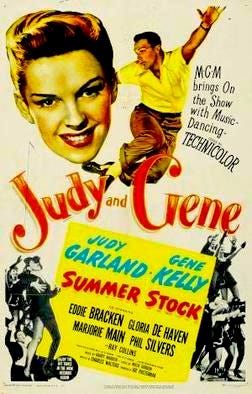
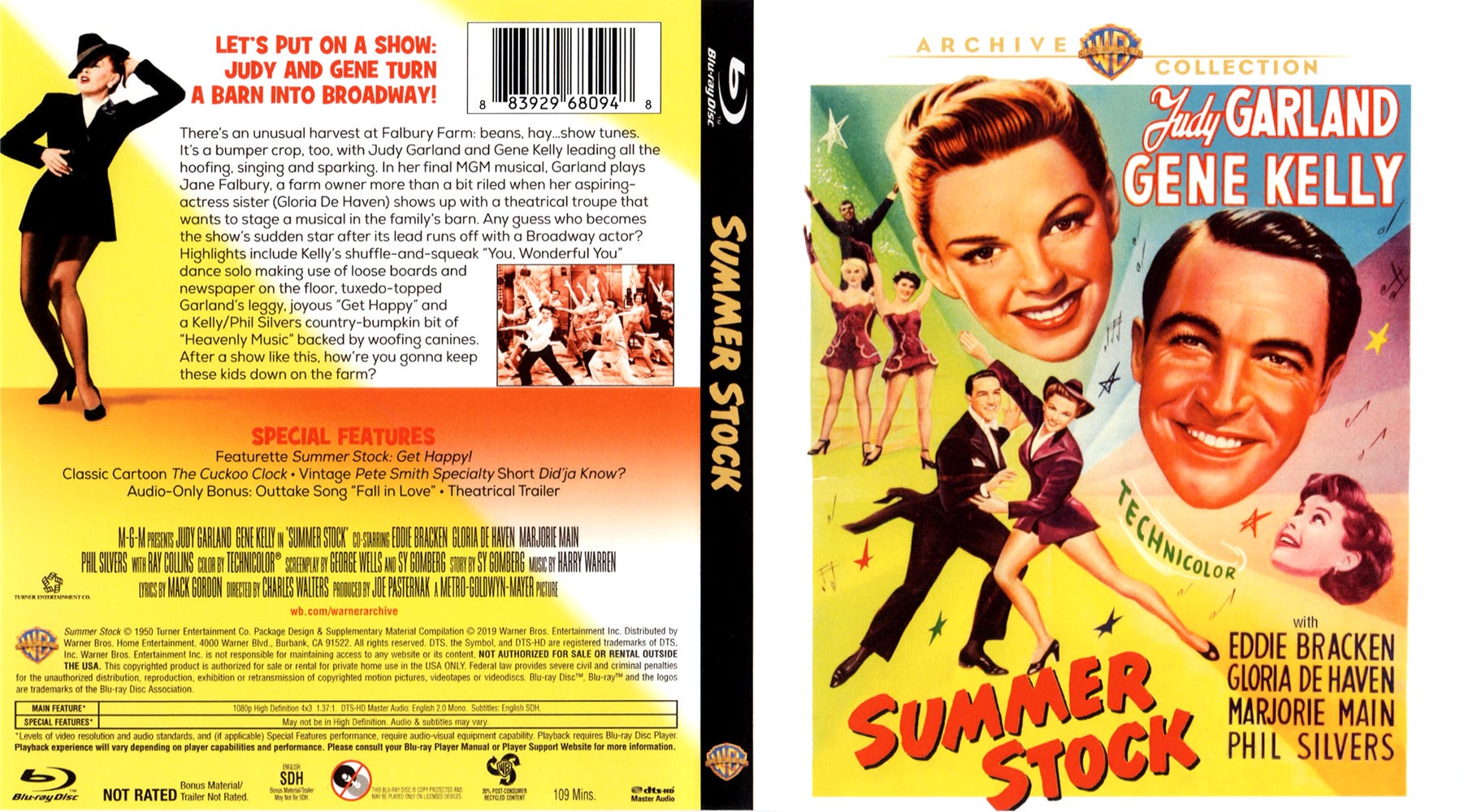
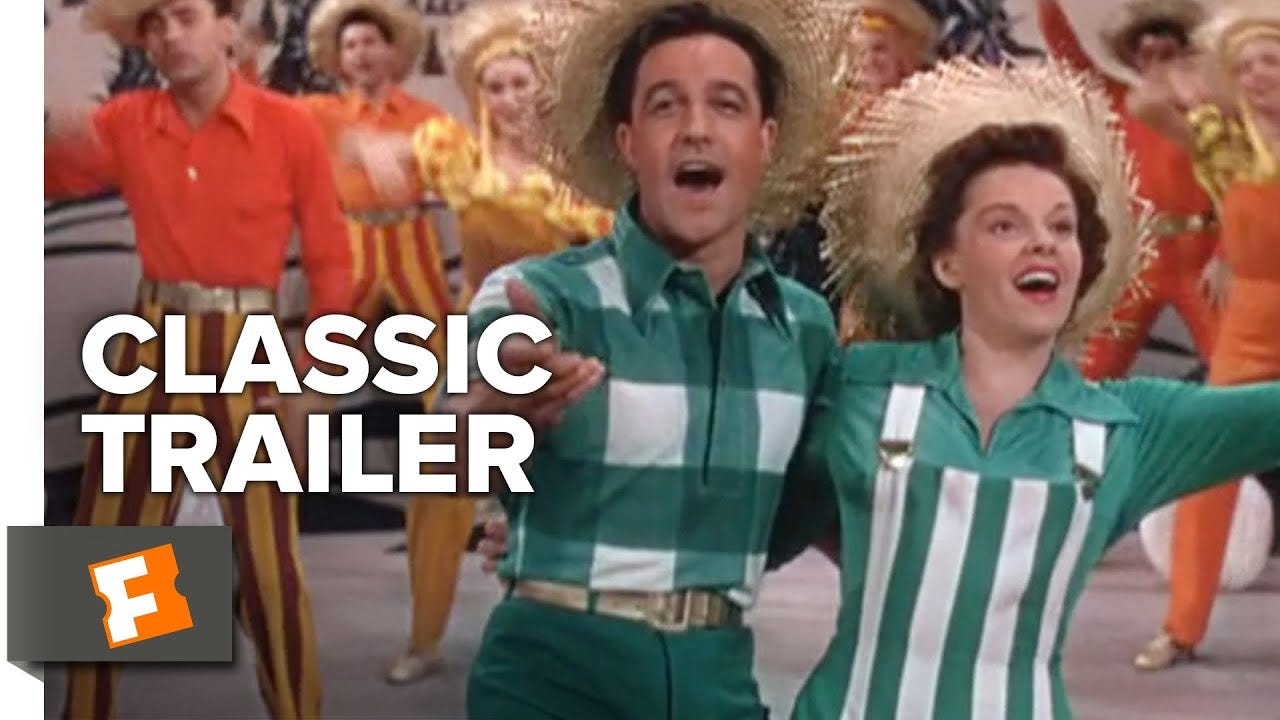
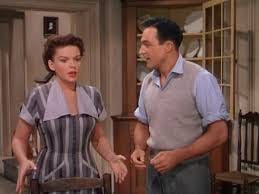
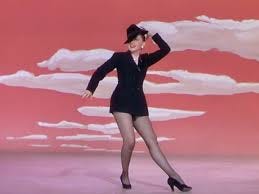

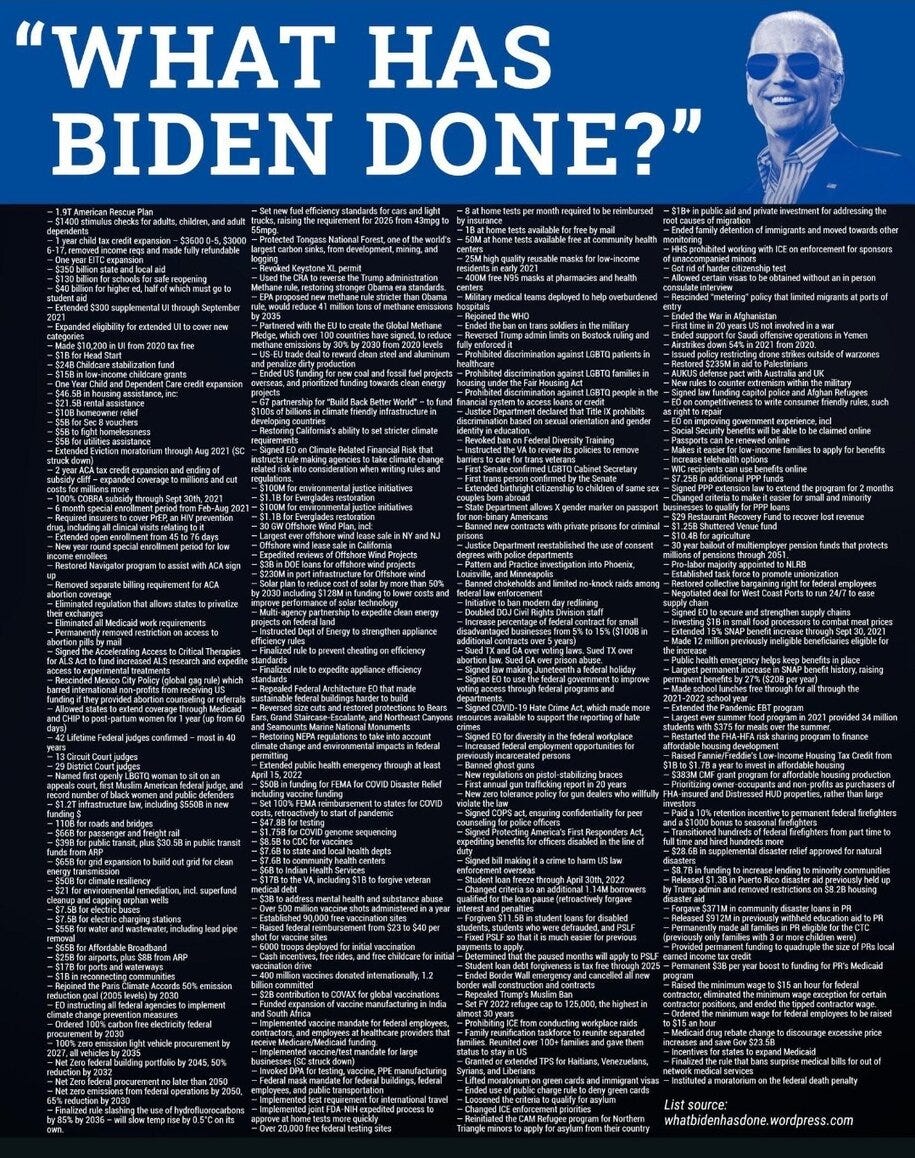
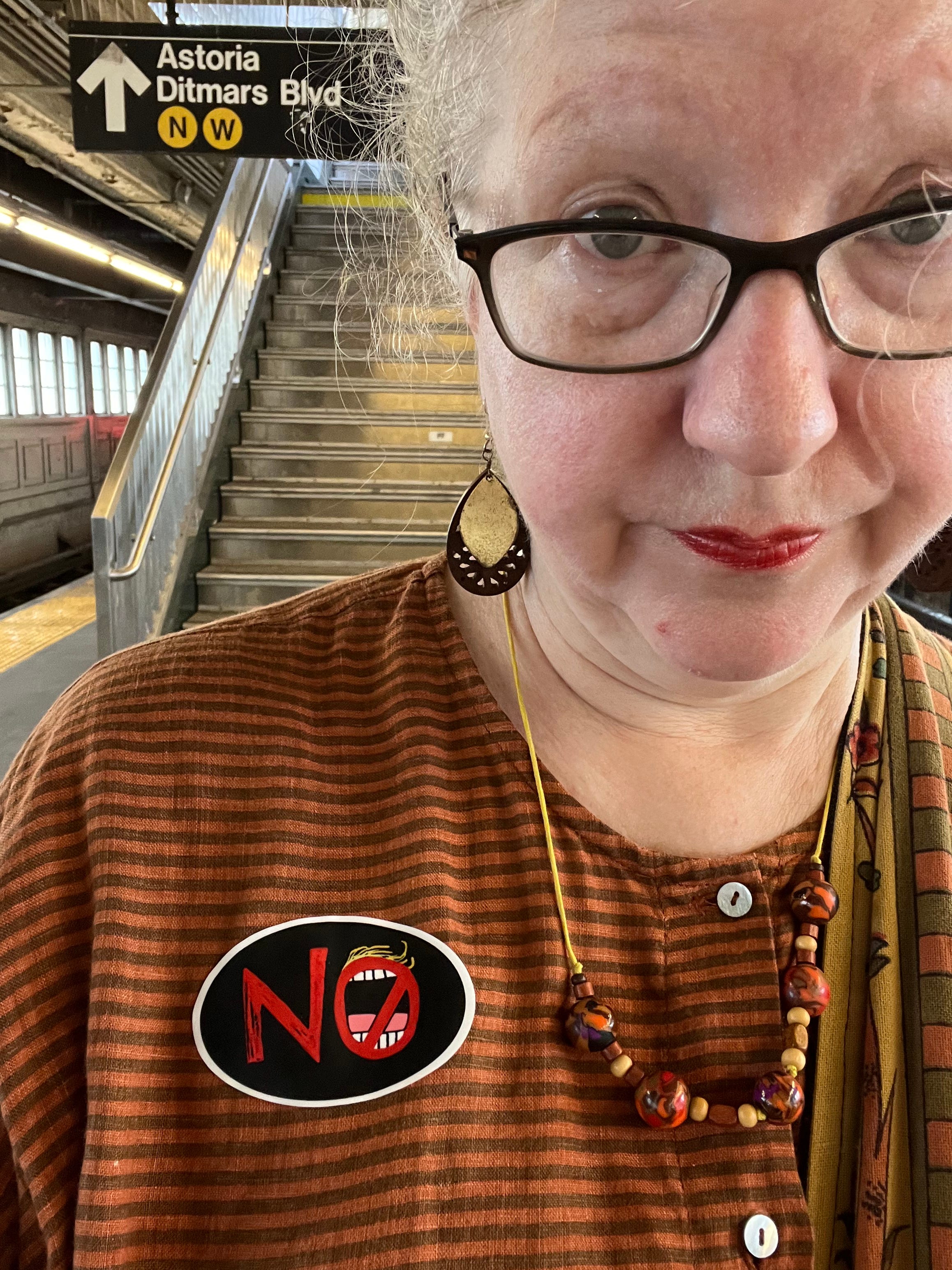


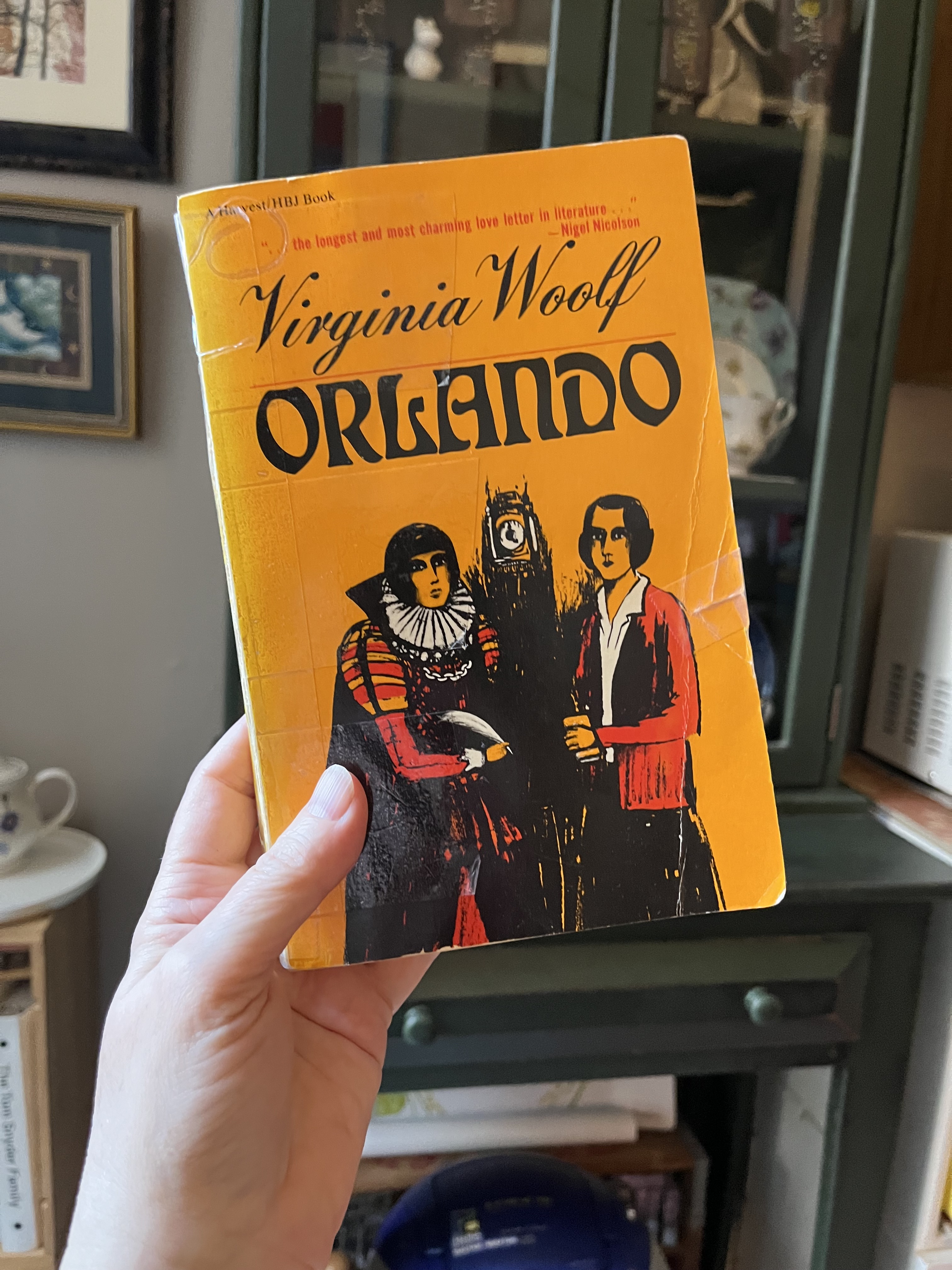
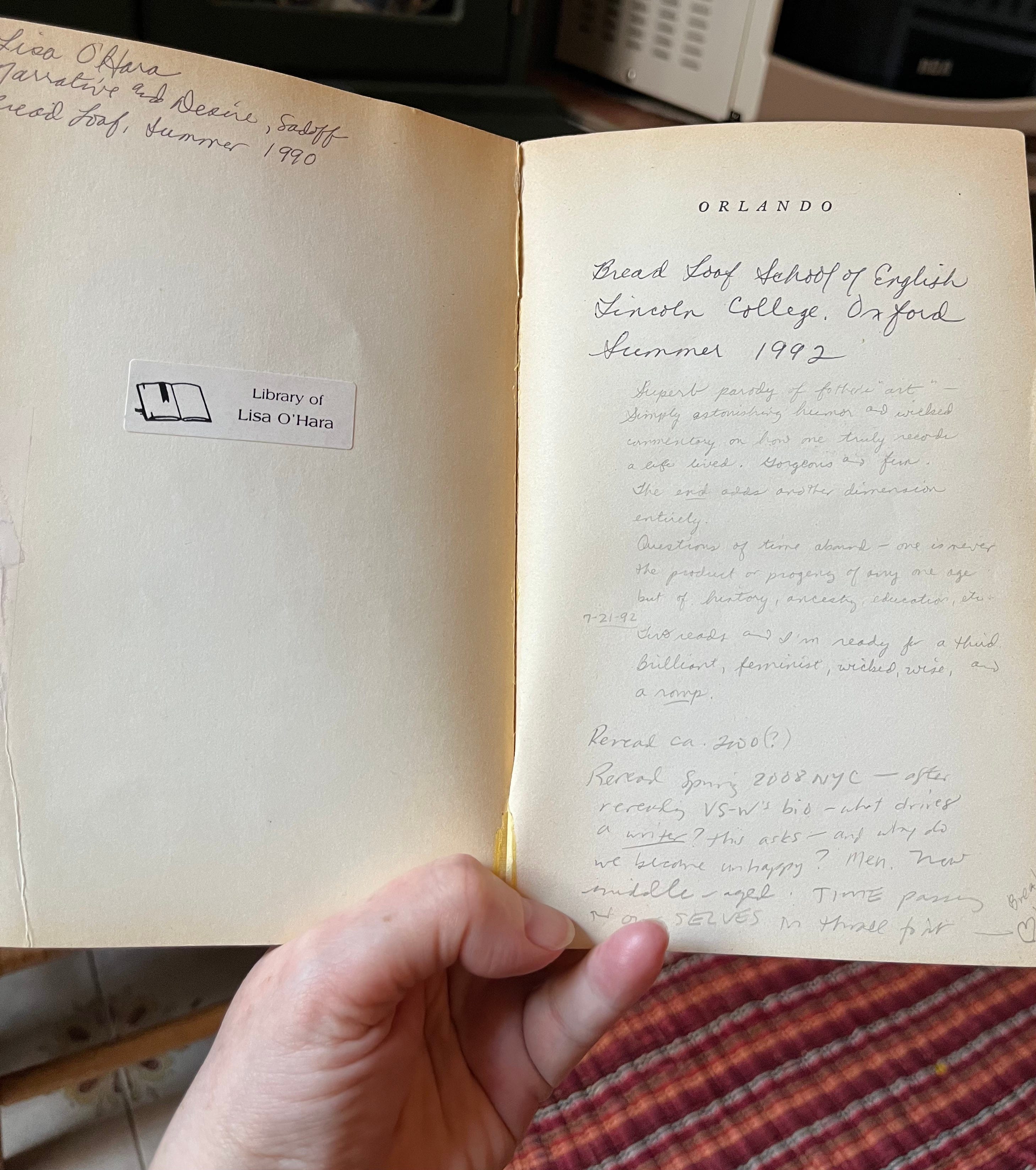
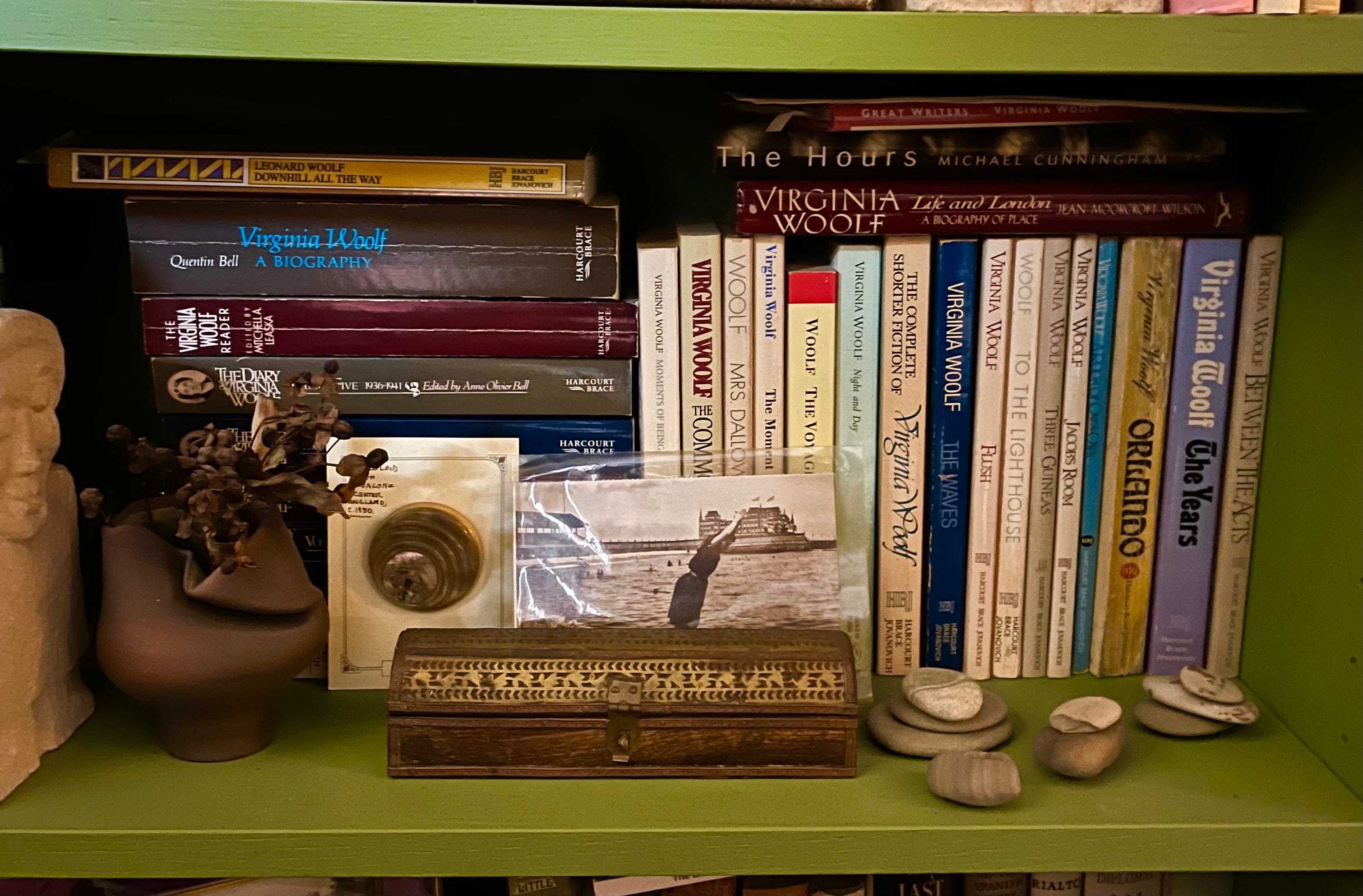
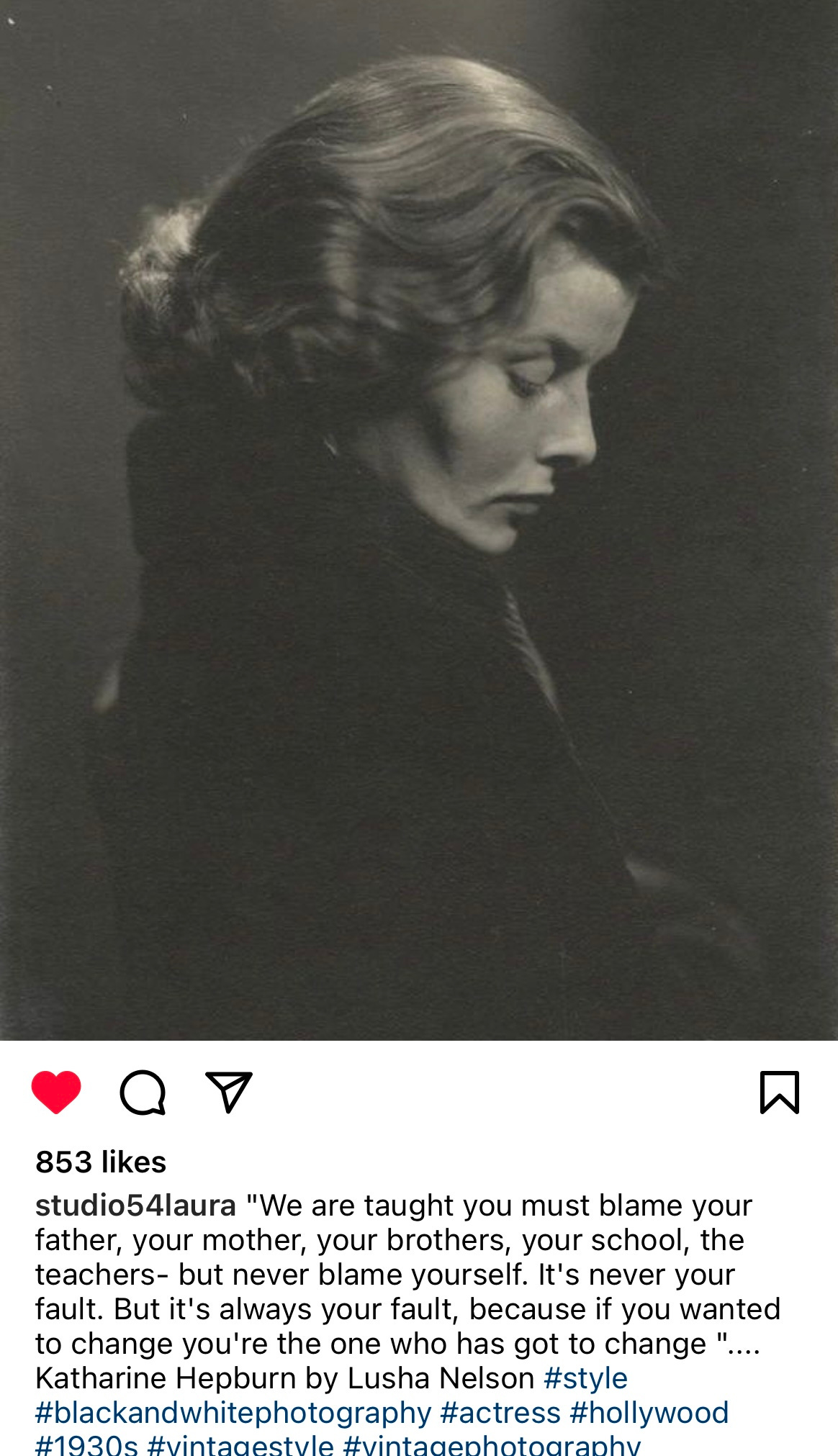
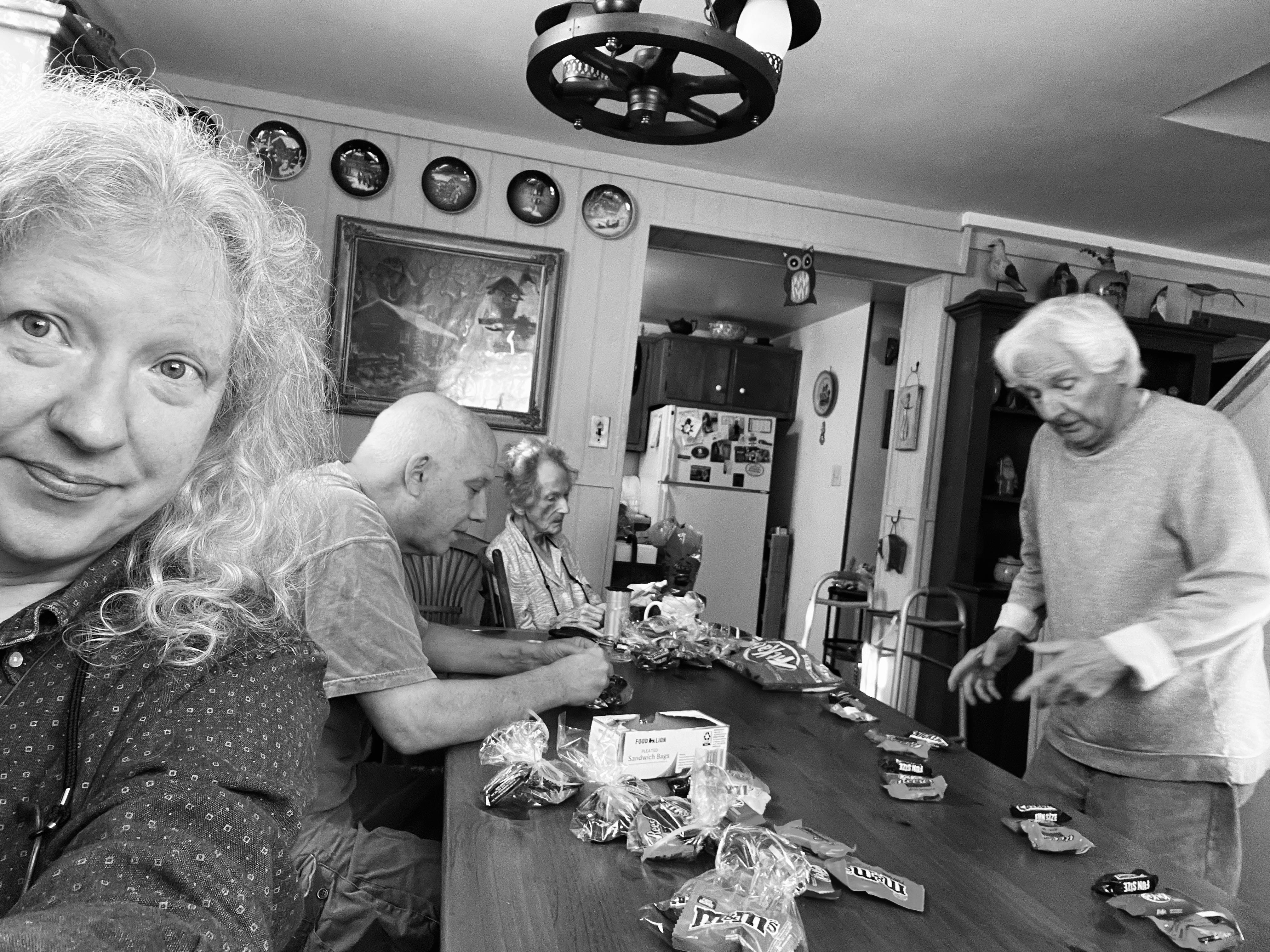
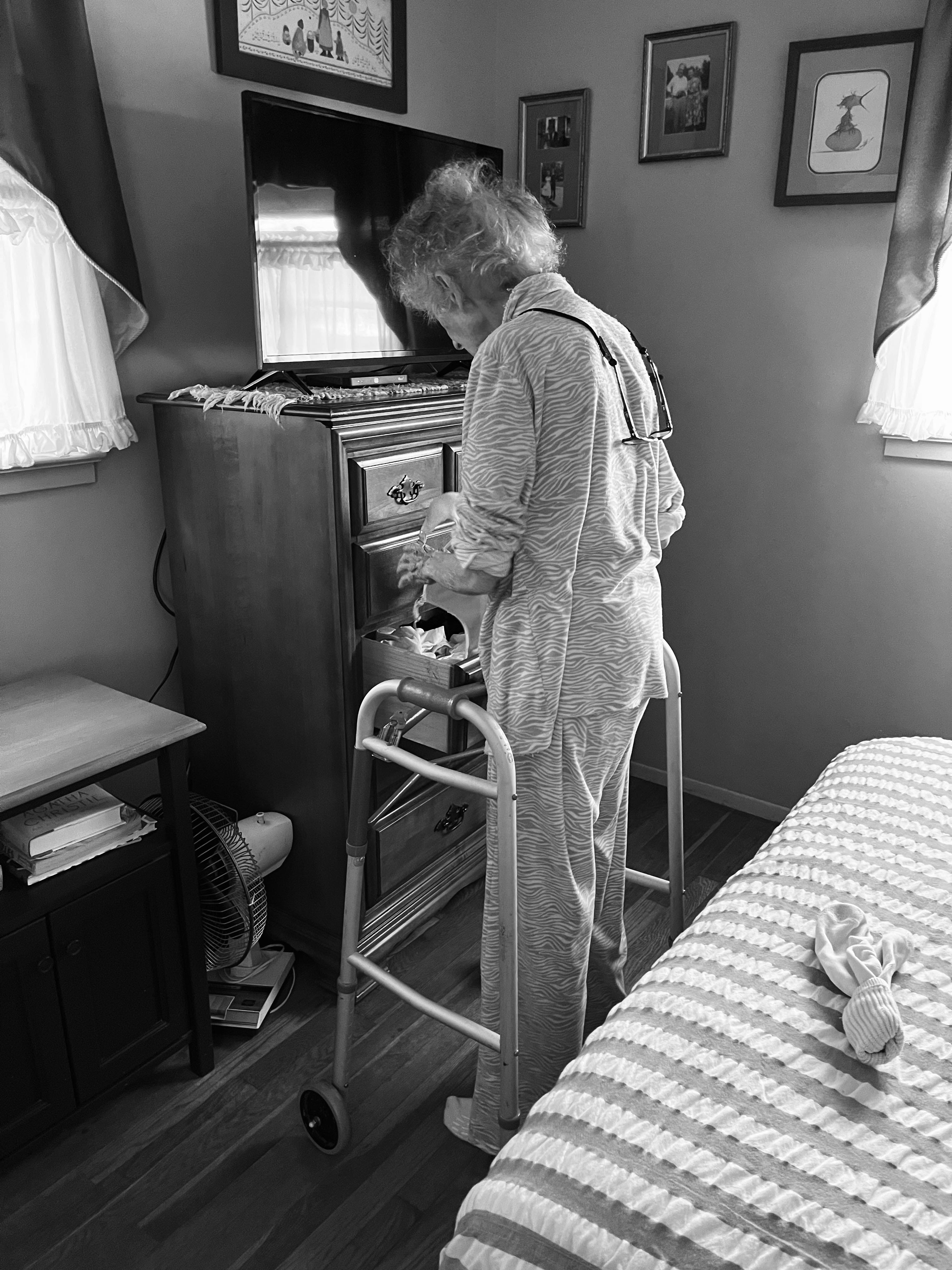
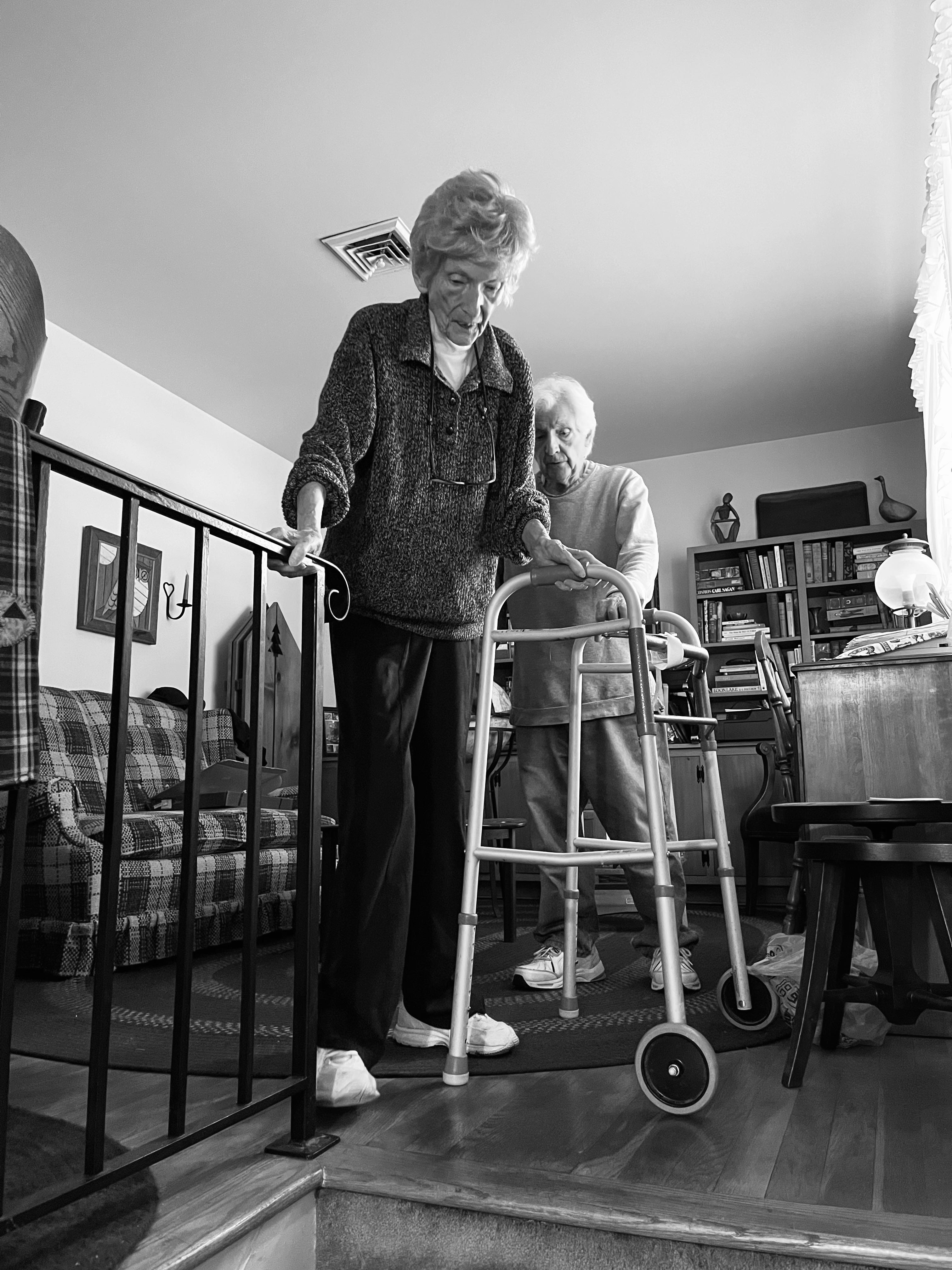
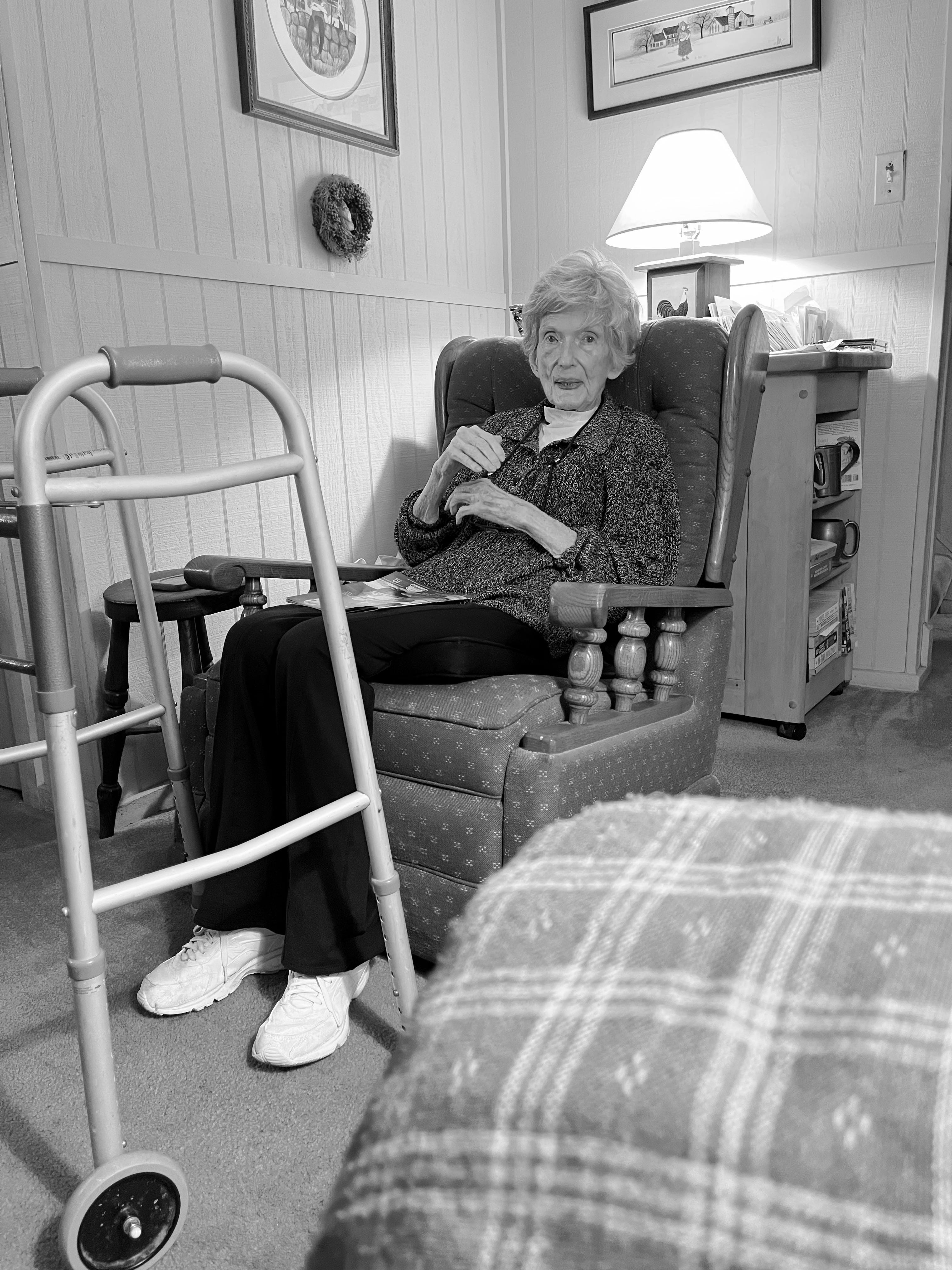


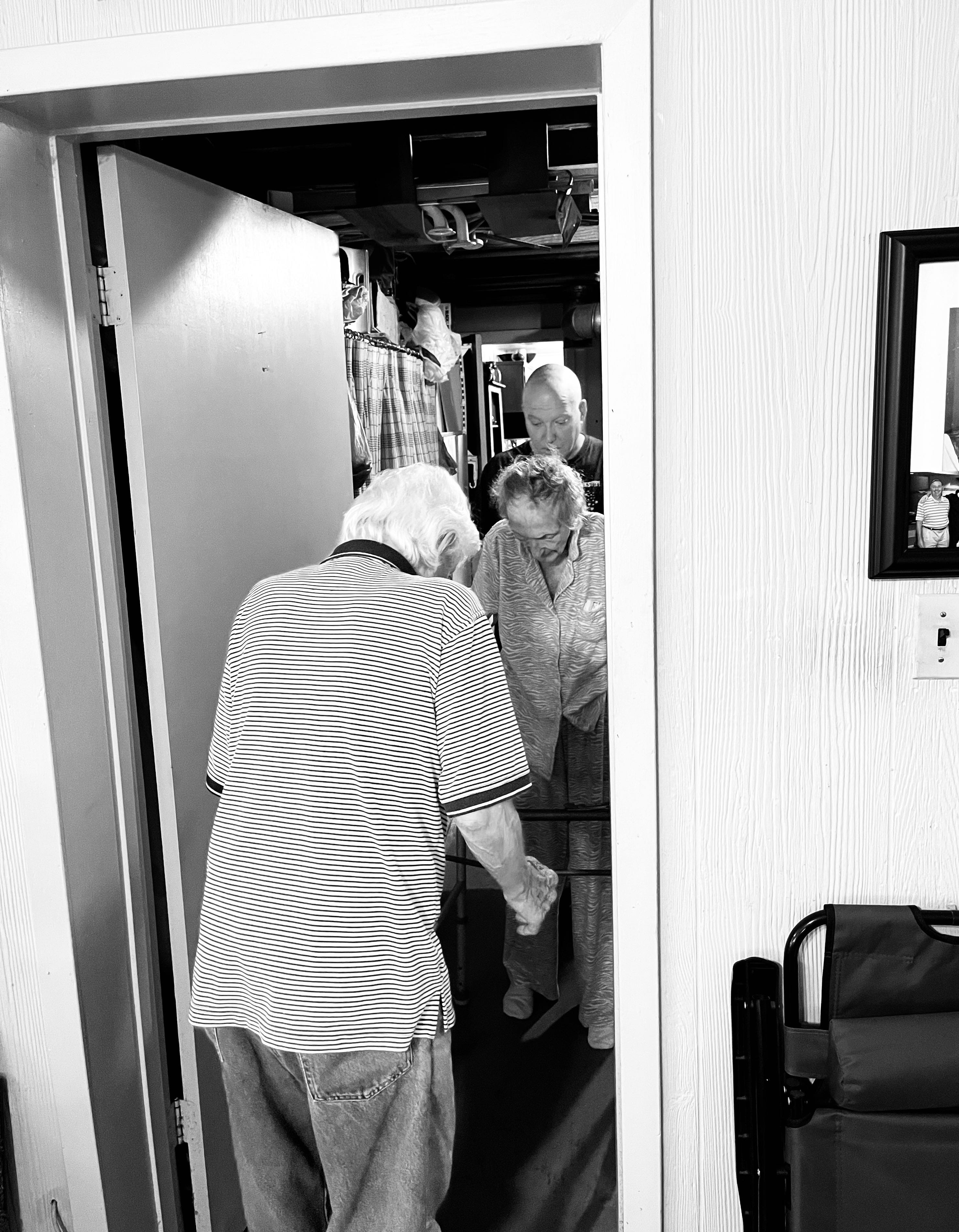
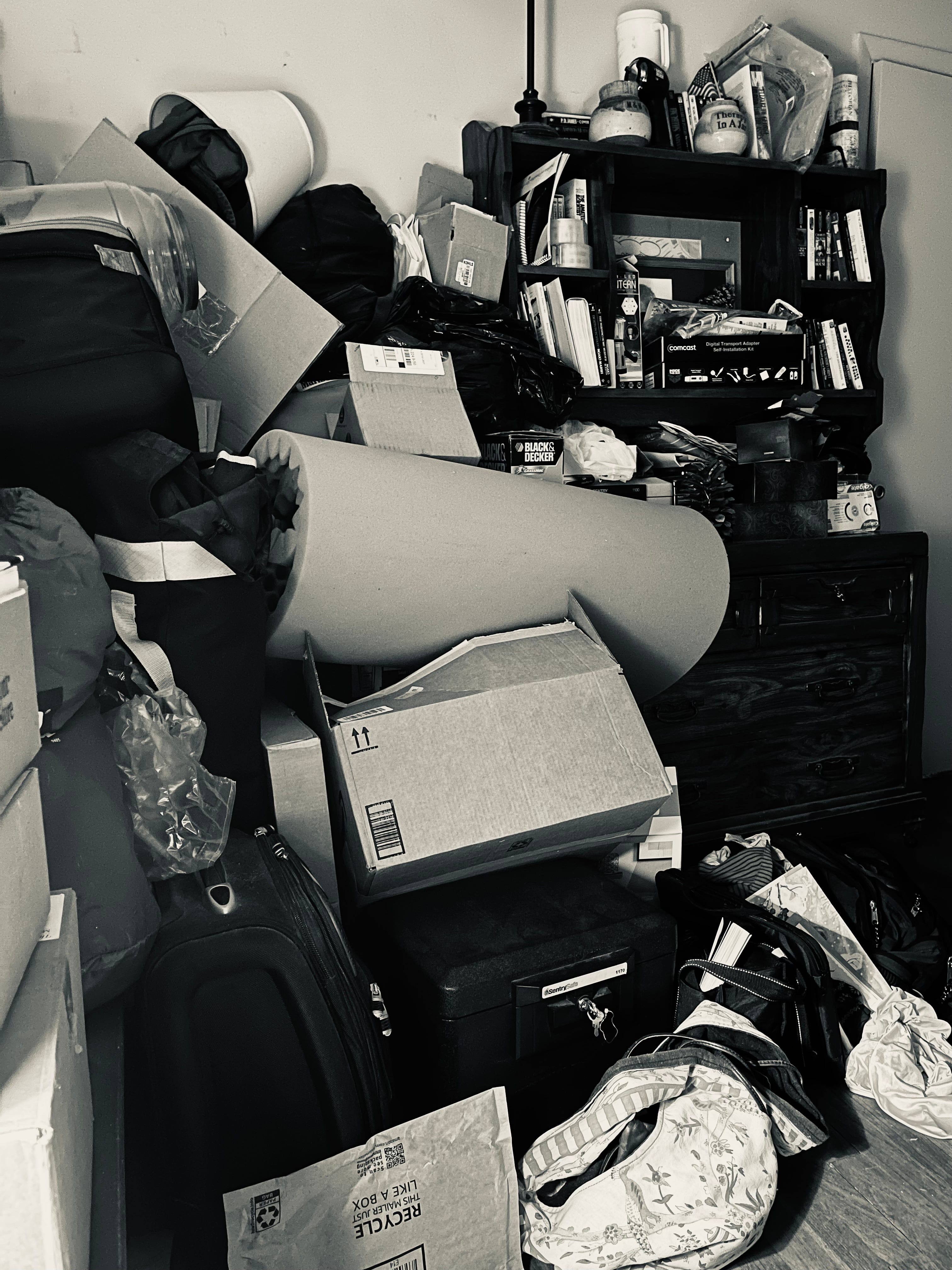


 The Miss O' Show (Teacher's Edition)