Thoughts from the produce aisle of a grocery store
Yesterday after I published my latest post, I walked to the grocery store to pick up vegetables for some kind of Italian wedding soup I had an idea for as a meal for my friends on Sunday (today). I took a hand basket and walked the outer aisle for celery (check), carrots (check), spinach (check), and was turning to find an onion when I noticed a young man (Black, slender) putting back a prewashed spinach container when he saw the expiration date. “Too soon?” I asked, as I do. “I can’t eat all that by tomorrow,” he said. “You know,” I said, and he turned to listen because I do have an arresting teacher voice, “you can always blanche what’s left, now you can’t do that with these other lettuces,” I gestured, “and put in a baggie and freeze it.” He tilted his head thoughtfully, “I never knew that.” I said, my gray braids on full display as it was too warm for a hat, “That is what the age buys you.” I could see there was no more to be said. Would he do it? Who knows. I turned to find my onion.
I also wanted to pick up unsalted pistachios. In this store, the nuts are in not one, not two, but five different locations (at least) in the produce section. I think the idea is to surprise you everywhere with a nutty idea, or maybe it’s just easier to stash them under the fruit and vegetable displays, but it took me several trips around to find the right stand. I saw the young man walked back and forth looking at the prewashed leafy greens, and just before I located my nuts, the man made a point of walking by me to say, “I’m going to try it,” and I raised my arms high and cried, “Success!”
Here’s what I know about learning after 38 years in education and editing: learning never happens at the moment of impact. I’ve told you this many times, but as with all wisdom, it bears repeating. You tell someone something, teach it, and then you have to allow the student to sort of internalize it, reflect on it, and decide how they will respond. We are a very impatient society, we want it all now, in America. I was like that as a young teacher, expecting that because I told them, whatever it was, it would stick. Later you learn that because you are rushing on to another concept, you have to repeat the lesson, on whatever it was, periodically, just to jar a student’s memory.
And it got me thinking how neither Republicans nor Democrats leave time for reflection. What Republicans do is pick one or two messages and repeat, repeat, repeat, repeat, repeat. They hammer those two messages home for a month; once implanted, they pick two more messages and repeat and repeat until those are implanted. After a short time, their base has four or six messages—blame Blacks, blame Democrats, no taxes, no abortions, no schools, no immigrants—to glom onto until the election cycle is over.
Democrats, by contrast, have a more nuanced base, and they don’t appreciate that enough. Repeated messages on a finite number of things—Trump is unhinged, Project 2025 is bad, women need bodily autonomy—don’t land because they are not elaborated on sufficiently, but also because Dem leaders don’t remember that the base is also being bombarded with lies that they have to think about how to counter.
No one has time for reflection in either political scenario.
A good politician, I think, needs to behave like an experienced teacher. Miss O’ didn’t just say to the young man, “You can freeze it.” I explained how: “You can blanche it, and put it in a baggy, and freeze it.” And because we both had shopping to do, and no lives were in the balance, I left it at that. He had time to reflect, and I suspect Miss O’s continued presence in the produce department, on the hunt for what he had no idea, but still present, reminded him he could keep thinking about what he’d been taught.
Telling anyone once, without reinforcement, is like not telling them at all.
Telling them too many times, without evidence or example, is propaganda.
If this democracy is to survive—and it all hinges on Ukraine, one Eastern European nation, defeating not one but two allied superpowers—the United States and Russia—we have to figure out how to message to the American people.
Our legacy press, now almost fully allied with Trump, is useless.
Independents on social media can only do so much.
But I keep remembering that the American Revolution was won on horseback, word by word by word, passed along when people had time to think, when they weren’t distracted by anything that didn’t mean survival.
It’s an ordinary Saturday in Queens, which is to say “ordinary” if you aren’t thinking about the fascism. (I really can’t get over the way that Meta bleeps “Nazi” and “swastika” from videos, or that posters have to insert an * somewhere in each of those words so the post passes muster, even as Elon’s and Bannon’s sieg heils are fine.) I am waiting on a 7 Train, only to learn it’s not going all the way to Manhattan, so I have to switch the N or W, so my mind does a little adjustment. It’s all good.
There used to be moments when, as my friend George puts it, it seems Americans are simply going to be inconvenienced to death. Now, unfortunately, and for a long foreseeable future, we are under threat of annihilation. But today, I’m heading to The Chain Theater at 312 W. 36th Street in Manhattan to see the 2 PM installment of their rolling rep One Act Play Festival, and today I don’t want to think about annihilation.
When I arrived at Times Square/42nd Street, I walked through Golda Meir Plaza, struck again that in the 1970s we had female leaders like Meir of Israel and Indira Gandhi of India, Thatcher in ’80s Britain, and that the United States couldn’t even manage one woman in 250 years, choosing an avowed white supremacist dictator, twice, over a highly qualified, democratic woman. And here we are, I think, wondering as I keep walking what will happen to the bust of Meir.
First, I have to go to the ATM, and for some reason my card chip will never work to open the door; another customer, a man in a hood, has a card that opens the door; he engages in no talk. I go in behind him, and I realize I’m shaking. I find I’m afraid to use the machine until I see him at the other machine, and really getting money; I finish before he does, even having to enter my PIN twice to get it right. Odd, having the shakes like that. Or not so odd. Frankly, that’s as fearful as I want to be in life.
It’s nice out, 40s, sun. I walk down 7th Avenue, taking it in, struck again how I can always spot a tourist. I am of New York City, I move that way, more grounded, a bubble of insulation and also awareness. I was a tourist for 20 years before I moved here, so I don’t mean this as criticism or praise; it just is.
I arrive a half hour before the play festival is to start. I see Mary, the director of my friend Colleen’s play, in the crowded lobby, and we hug. I check in at the desk, my friend Tom having bought our tickets online. Our friends David and Barry are also coming, and learning the afternoon is sold out, I go in when the house opens and save us a row, as it’s general seating. An older woman in the row behind me is doing the same thing. (It’s always funny to me how everyone who enters a general seating situation somehow believes they will get to sit alone, empty of audience members around them, and they look at my saved seats with resentment.) The boys show up just before 2 PM, so we don’t get to visit much, and they don’t have time to go out after. I seem to be the only person I know in the city who has nothing but time. Ah, well. Still, being in this community even for a brief time is comforting and energizing. Hopeful.
For the uninitiated: Attending a play festival of new work, especially one-acts, can be a crapshoot. I’ve attended many of these, both as a high school director and as an audience member in New York, and too often only two out of the five or six are well-written, and only one or two are well-acted and directed, and often it’s not the same set of two. So imagine my delight—I knew Colleen’s would be adorable because I’d read the stage directions for it at a workshop—when all five were simply excellent.
The common theme—and this was a really thoughtful grouping—was aging and death. This might sound awfully close to that annihilation I was avoiding, but it wasn’t the case. The first play was a monologue, a 60-year-old son eulogizing his father at the funeral; the second, two old people on the E Train platform; the third an older man trying to make a deal with Death; the fourth was Colleen’s (a play inspired by seeing a plaque in Evanston, Indiana, along the Ohio River, where President-elect James K. Polk was to have stopped his steamship and didn’t disembark), with an old woman (Colleen) and her grandson in 1854, the year Lincoln was really getting started; and the last a gay couple, older men, one who has, we see gradually, dementia. And all of these were by turns serious, funny, sweet, surprising. And ultimately, ordinary, in the best sense. Life lived.
I’ve realized lately that what I crave most in my music, my art, my nature, and my life, even, is ordinariness. I don’t want the surreal, the challenging, the wildly surprising. I get too much of that in unending loops in American society now, breathless, mean, chaotic, and all that hate and chaos, while not remotely sustainable, will be unending for four years at the very least, and if we all don’t stroke out and live to see another election, we may see a divine revolution. Until then, I want mundanity as a life theme.
For example, here’s a task of basic maintenance.Simple chores. I did the annual bowl oiling during my lunch break one day since I work from home. So restful. Once the oil soaks in, they’re good to go for a year. I oil the cutting boards at least twice a year. Isn’t it nice to focus on that?
As another mundane activity, before leaving for the subway with a half hour to spare once dressed (I took care to pick my ensemble and accessories, knowing no one else would actually care, but it’s my inside feeling that counts), I noticed that I have a lot of loose knobs on my two dressers. One dresser requires a Philips head and one a flathead screwdriver. I keep these in a pitcher by the door—I like to have my tools ready at hand. Knob by knob, I tightened them. In doing this I noticed a few scratches, so I went to my tool closet and found the wax wood filler pencil. And I filled the scratches, and it’s funny how the more you fix the more you see.
And this by the way task was really satisfying. You know what I mean? And centering, before heading out into the chaos of New York’s mass transit.
Why do we have to exist in all this rage and war and hate and aggression and greed and chaos? We all have knobs that need tightening. Why, just because of a few psychotic, damaged men who cannot be satisfied or fulfilled by all the money and power in the world, do all the rest of us have to suffer for all time? Why do other people, people with absolutely no hope at all of either wealth or power, follow them, go psycho with them, and go after all the rest of us? Don’t THEY have knobs?
From the web.
I was thinking too about AI, how the goal is to replace humans, to erase humanity, and that AI cannot tighten knobs. How are we to cope with the attempted erasure of culture, of women’s sovereignty, of black and brown people, of the earth itself, when this desire for annihilation is beyond lunacy? Why can’t we be? Being is hard enough. Knobs come loose. Why can’t we work together to solve real problems?
From the web.
To cope with the whole mess, as I brace for some kind of war, I’m taking more and more pleasure in the very ordinary, like watching people on the subway.
A Study of Knees and Nylons. N Train to Queens. LO’H 2025
I know I can’t be alone in these chaotic feelings. How are you coping? In addition to doing chores, seeing art, and attending the occasional rally, I’m calling politicians and listening to Nina Simone. Followed by Yo-Yo Ma. You?
I am a 60-year-old American white woman who has been steadily listening to Nina Simone and Miriam Makeba for months now, and today find that I have turned my Apple music subscription to Chappell Roan’s The Rise and Fall of a Midwest Princess. White girl voices are often too breathy and whiny for my taste (so, bless Adele), and the lyrical complaints about girls and boys and coffee date ghosting don’t exactly feel vital or resonant, but there is something compelling about Roan.
It’s good to know I can still be surprised by an artist, especially a white one, because lately I’m not surprised my much else white people do.
Anyone in America who works somewhere has probably been “acquired” by “a firm” of some sort for their “portfolio”; and as a result, we all of us feel this chapter of American democracy, as was, all too keenly: the Musk acquisition of America. I’ve read that the Republican voters who work in civil service never thought that the people they supported for office—that is, the venture capitalists and hedge fund managers and private equity firms—would actually strip the government and its Constitution and sell it for parts, and fire them, but they voted for Donald “You’re Fired” Trump despite all the evidence and have found out why he’s been bankrupt six times and still standing. Musk had swooped in and destroyed Twitter and it meant nothing to these voters, either. What did they think? Well, unlike Captain Renault in Casablanca, “a poor corrupt official” who knows full well how the game is played when he says, “I’m shocked, shocked to find gambling going on here” as he collects his winnings—these earnest civil servants living in their paper pushing D.C. bubble lack a social safety net moral compass. When you think life is only money, only “savings,” you may be missing, I don’t know, a heart. Or basic life experience. (And they are about to find out what unemployment looks like when there’s no money for them to claim, and no jobs to be found except the ones all those poor, now-deported undocumented people did. Godspeed.)
For anyone who needs a personal testimony of this process, the publishing house I work for was taken over, the first time, by finance people who quickly eliminated the Editorial Services Group (ESG) because they didn’t know what ESG meant. And they never asked us before handing out the pink slips and severance packages. The ESG, as it turned out, were the COPY EDITORS and FACT CHECKERS for our textbooks. Our product. Our source of revenue. And even after learning this, the financial overlords just shrugged. Who needs copy that is correct and makes sense in educational materials for America’s students? Who will really notice? $$$ (Now I do my job and their job.)
These are, after all, people who don’t believe in textbooks, obviously; we now formally live in a nation of capitalists who don’t value education because somehow they think they learned everything (and they think, everything) through osmosis.
Cue today’s lethal gem of a typical private equity business slash move:
There’s not an American office worker in existence, or factory worker, or cashier, for that matter, who didn’t read that headline and nod.
Why do you need refrigerators? It’s a grocery store. No more refrigerators.
That kind of thing. Only now our entire nation’s security, health and safety, and economy are in the hands of, quite frankly, money fiends devoid of vision, purpose, or shame, let alone the “common sense” Trump claims to have. (Emerson called common sense “genius dressed in plain clothes.” Take a memo.)
In another example, I read that some 1.7 million HOMES around the country are vacant, sitting empty since being acquired by private equity firms, either for the land or the tax write-offs, with no interest in the communities in which the houses sit. Freeing these homes to be sold to people could end the housing crisis, maybe. At this rate we’ll never know. $$$?
My go-to comfort viewing during all this mess has been rewatching the 2019 documentary Toni Morrison: The Pieces I Am, directed by Timothy Greenfield-Sanders, like, a dozen times. I read a review that referred to the documentary as “flat,” and it occurs to me that it’s hard for the newer critic folks to enjoy being brought fully into a world as thoughtfully as this film brings you into a teacher and book creator’s life. The subject, Nobel Prize winning novelist Toni Morrison, is as great a subject as a literate viewer might want, unless what you want is a subject like Hemingway, who beat his four wives and fought to the death in wars and bars; or Pablo Picasso, who screwed two women on the same day and then painted them both, as a habit. I’ll take Morrison’s strong sense of self, her moral compass, unflashy living, artistry, deep humanity, and humor, thanks. And she has great literary company for additional commentary. It’s all about the love of language, and the way we use language to tell about life.
Morrison recalls a time in her early childhood where her sister was teaching her letters, and they would use pebbles to scratch the letters on the sidewalk. One day they saw a new word down the block, and they began copying, F…U…, and suddenly her mother ran out of the house and yelled at them, they were crying, they didn’t know what they’d done. In that moment, Morrison says, “I learned, words have power.” (I had a similar experience when a neighbor up the street taught tiny me and my brother Pat, “Eenie, meenie, minee, moe, catch a n***er by the toe.” Not knowing that word, I substituted one I did know, but when I used that word within earshot of my mother, it sounded bad, too, and I got yelled at. So I tried, “Eenie, meeie, minee, moe, catch a quarter by the toe.” Because I couldn’t say “nickel” anymore. My mother, realizing what she thought she’d heard, said that was fine. Even though coins don’t have toes. I learned that language can surprise you, that language is invention.)
I bought this latest notebook at McNally’s on 8th Street yesterday.My first desire for this notebook, after placing impressions from all my rubber stamps on the inside cover, was to write all my letter forms and numbers. And it really got me into a sense memory of how much work it took to learn penmanship, to practice spacing, use the lines, to be able to form words to communicate. And I was impressed with my young self. I really was. Education is wonderful.
The opening credits for the film show an artist putting together an ever-changing collage of black and white photos of Morrison’s face, pieces from the many stages of her life, along with patterned paper, to jazz music, and I could watch that over and over just by itself.
But on this day of Black History Month, I want to share this observation Morrison makes about her growing up in Lorain, Ohio, a background woven throughout the film to create a familiar texture, one that grounds the artist in a relatable experience for most of us. “It was a melting pot, it really was,” Morrison says of the Blacks, Italians, Poles, and other working-class migrants who came to this steel town along Lake Erie, where “there was no shame in being poor.” Having enough to get by, pay the bills, have a roof, meals, your people—you know, you were good. (I grew up that way, to start. My parents were working class and moved to the middle class, and it was a big deal; values started changing, more materialism, fitting in, all that. Poverty stood out. As a nation of billionaire worshipers, we need to think on that.)
But more interesting to me this time is when she says that she had come to realize that the melting pot, “the cauldron”—and here she makes the pot with the hands—“is Black people. We are the pot.”
The United States of America would not exist at all without the slave labor of Black people, and we know that; and more than that, there would not be a culture without Black people, or at least not a culture I’d want to live in. Along with our Indigenous roots, Black music, dance, energy, love, drive, gospel, wisdom, persistence; Black love, righteousness, and willingness to throw their bodies at justice, at life, to boycott the bus lines of Montgomery, Alabama, for thirteen months—all this holds the rest of the (white) country together, makes this a democratic nation, and one I can stand to live in, if not be always proud to live in. Morrison’s late life understanding that Black people were the holders of what was melting in that pot, that they were the pot, hit me hard when I watched the documentary again last night. They were our models for the fights for justice.
I read this on Friday morning on the Instagram account of my favorite trans performer, 2024 McArthur Fellow Justin Vivian Bond. I went to the Stonewall website several times, where they also removed the “Q,” and when I scrolled down and it said, “Was this information helpful?” I chose NO, and a box asked for tips. Oh, I gave some tips. “Where’s the T? Where’s the Q? For shame.” Times 10.
On Friday, which I’d taken off to have a four-day mini break, I’d planned to spend the cold winter day at the Met Museum but instead took a detour to the Trans Rights Rally at the Stonewall National Monument at Christopher Street. I want to be an ally. Standing with all these people, where it all began, is a little surreal. “Let’s go get coffee,” one person said to a partner part way through, checking his phone. Stonewall made that possible—to just live your life.
And really, face it, without gay men, there is no Hollywood, no theater, no fashion, no clubs, no fun. Without lesbians there is no feminism, no suffrage. These are small examples, broad strokes, but you see what I mean.
American rock music—our greatest export—has its roots in American Indigenous music as well as African music. It’s not that there are no contributions by white artists, it’s just that this country would be unrecognizable, and without doubt way less interesting or dynamic, if left only to cisgender, straight whites. (Lawrence Welk, anyone? At least there’d be no Kid Rock, what with rap off his radar.) Watch what Trump does to the Kennedy Center, if you can. You know it’s cringe.
The ironic wit and hijinks of The Onion and improv theater notwithstanding, white culture has lately been elbowing out any good stuff in order to put that glaring spotlight on capitalism, our god; private equity, individualism, willful ignorance, winner take all, white supremacy, oh, and fuck you, parasite, should there be a fuck left to give. If you see what I mean. And porn. And rape. And brews for bros.
Time to melt that into the pot. And keep it melted.
Meanwhile, keep the faith, show up, find the joy somehow. That’s what I think today. I’m trying to listen to more music. Dance. And you might watch The Pieces I Am, especially if you feel like all this fragmentation of America is making you fall to pieces. It’s so hopeful. And read Beloved.
Love,
Miss O’
“As a woman I have no country. As a woman I want no country. As a woman, my country is the whole world.” ~ Virginia Woolf, paraphrased. Blue button and “Yes Now Right Now” button by Lisa DiPetto and available on Etsy. I had really hoped my Love trumps hate button would be a relic by now. P.S. Red lipstick was a sign of resistance against Nazis, fyi. Nous continuons.
Reflections on democratic voting in a time of rising fascism
I Sit in My Kitchen Rocker Waiting…
As I Lay Dying, “I Stand Here Ironing”…I keep thinking of titles around the anxiety of working out our lives, and deaths, so much of which is out of our control. We have to, more often than not, depend on others, on the actions and emotions and convictions of others, to make our own lives bearable. And today I’m feeling how terrible that can be, and also how reassuring.
Today I “early voted” here in Queens, surprised by the lack of turnout, in some ways, but this being New York, local Democrats don’t have a lot of competition. (Still, I live in an area full of Trump voters, particularly Hispanics, too many of whom more or less worship the man (if tee shirts are evidence) who plans to deport them within days of returning to office, citizens or not, it won’t matter.) The poll workers gave me such heart, though, just to see them there, all caring so much about democracy.
Scenes from a day of early voting, Queens, NY
I’ve been imagining during my sleepless nights the consequences of a second Trump presidency—I cannot see how we are really here, but then no one imagined a Trump to begin with, so showered with love and celebrity coverage by a besotted press. Last night I went to see a play at 59E59 Theater here in New York called Mrs. Stern Wanders the Prussian State Library by Jenny Lyn Bader. The subject of the play is the period of days a young Hannah Arendt was imprisoned and interrogated by a Nazi officer (whom she ultimately convinces to help her) in Germany in 1933. The investigating Nazi officer in the early days of Hitler’s Chancellorship and martial law is convinced that Mrs. Stern, rather than working on her dissertation, is mimeographing and distributing overseas the antisemitic writings and cartoons in the German papers. Because of who she is, we know that Arendt gets out, since she will famously go on to cover the Nuremberg Trials, there to develop a philosophy around the nature of evil and the ordinary people who become complicit.
I became increasingly, deeply horrified watching this play as I realized that this is America’s future, quite literally, with camps and the rest of it, unless Harris is elected. And this time, no hyperbole.
The treacherous New York Times gets scared straight.
The consequences of this election will affect every citizen who is not rich and sociopathic in horrifying ways. Anyone who says we aren’t all in this together is a dope. Years ago (I probably told you this story), I was at a favorite bar in Midtown Manhattan, a great after work sort of bar, and there was a commuter from New Jersey there sometimes, if he had just missed a train. We would chat. When Obama was running for president, I said, “We are all in this together,” and the guy (white, 30s, business type), looked up from his scotch and smirked, “I’m not.” And I said, “Where do you think you got that drink? How do you think it showed up on that bar?” and he said, “I don’t give a shit.” And I got up and said, “You are despicable. I believe I’ll have my drink down here.” And he looked at me, stunned, as I moved. A few days later, he was at the bar again, and he tried to catch my eye. I cut him dead and walked on to the end of the bar for a seat. Returning from the restroom later, he paused and said, “Can a despicable person buy you a drink,” and I said, cold and hard, “No thanks.” Cheers.
Bars are equal opportunity institutions in society, as are commuter trains, and they don’t generally fail us. Two institutions that have failed the United States, however, and most decidedly in the past four decades are 1) the free press; and 2) the Christian Church. Both used to have one thing in common, in that (at their best) in their respective ways, through investigation and preaching, they existed to bring to the People the truth, the way, and the light. Today, both, at their worst, have one thing in common yet again: the love of money.
The love of money is the root of all evil, and if I hear one more ill-informed person of “faith” say even one more time, “I think Trump is better for the economy,” I may run naked and screaming into traffic on the Brooklyn-Queens Expressway (the “economy” under Trump was Obama’s until Trump wrecked it). Today’s Evangelical Christian churches, since the televangelism on TV in the 1980s to today, preach “send me, your pastor, a lot of cash, even if it means emptying your savings accounts.” The newspapers, bought out by billionaires with egos the size of Arnold Palmer’s junk (keeping it classy, Trump), want to curry favor for and provide support to other billionaires. The information printed in today’s newspapers is accidental and incidental to their owners’ true purpose. And yet journalists, as do some Christian pastors, try.
Sister Lisa and Brother Mike in conversation
Despite the quotation marks I use now—”free” press and “Christian” church—I try to remember that there are, really, so many good people. We cannot give up. Please vote. Encourage others to vote. As I walked home from my polling site this morning, a woman accompanying her (I think) elderly mother on a walker stopped me, pointed to my sticker, and asked where the polling site was. I told her, and she looked disappointed—it’s a bit of a walk—but she thanked me and turned to explain to her mother in their language. Because there really is plenty of room for all of us.
Leafing through social media, which I’ve returned to, post-Lent (and “leafing” makes it sound more tender than “scrolling”), I happened on a snippet of a YouTube clip of researcher and author Brené Brown, from her keynote address at 99U, an event series from Adobe for design and innovation. The clip was interesting, but not quite fulfilling, and I saw that it was in fact part of a 22-minute address that was filled with ideas that interested me even more.
Brown is addressing a room full of “creatives,” which she calls her tribe, though she isn’t sure she’s really a member. She points out that “creatives are the kids no one sat with in high school and then everybody wanted to be when they grow up,” but adds ruefully that as a researcher, still no one wants to sit with her. Nevertheless, she wants to be just who she is, doing the work she cares about. She entitled her talk, “Sweaty Creatives.”
I’m Nobody! Who are you?
“No one wants to sit next to you.” I started thinking about all the kids “no one” wanted to sit with in high school. (Miss O’ raises her hand.) And then I wondered, who were all the “no ones”? Remember them? Me, neither. Isn’t that great?
Brown’s field is “vulnerability and love,” which I didn’t know could be a field—and really, shouldn’t that be part of everything human? She recognized, as she reflected on the daunting task of her 99U keynote, that “design is a function of connection because there’s nothing more vulnerable than creativity, and what is art if it’s not love?” She says these beautiful things so conversationally, I nearly missed the radical. I had to turn on closed captioning and watch the video again, go moment to moment, and copy some of the words. Great words.
Brown talks about how a particular quotation, which she will come to, changed her, about the arrival of words “you’re ready to hear,” and how as a result, “something shifts inside of you.” First, for context, she talks about the comments sections that followed articles about her, the devastating personal attacks by “critics” (see also: those “no ones” above) who felt the need to bring her down for having the audacity to do a TED talk that went viral, for sharing her creative work with others. (In that talk her thesis is that we as a species are in great danger because we are “losing our tolerance for vulnerability.” It’s interesting to listen to her in some ways, because her examples of “foreboding joy” and “disappointment as a lifestyle” struck me as very must part of the makeup of historically oppressed people, who often turn this negativity into successful comedy. But I digress.)
Meet the Critics, Part 1
Years ago, when I started writing my first Miss O’ Show blog on Blogger, I did it because I had a lot to say about the importance of teacher training, which is almost nonexistent in the United States, especially and ironically in colleges of education. After 15 years in the classroom teaching English 9-12, Humanities, Speech and Drama, and Theater Production, I had created so many lessons, amassed so much technique, I couldn’t let it all languish in my file boxes after I’d moved to New York and another career. So I wrote. I wrote and wrote and wrote and wrote. A few former students followed me, a few friends followed me, and we had some lively conversations in the Comments section. I really enjoyed it.
A couple of close friends, I couldn’t help noticing—real writers, people who published beautiful writing in journals and even books—either didn’t read my work, stopped reading if they’d read at all, or else pointed out that my blogs were subpar, that I wrote without enough care for being artful. I had not stopped to think about what kind of writer I was, or how gorgeous I might make each sentence sound (I knew a writer once who said, “I’m physically incapable of writing an unlovely sentence” as his excuse for not rendering dialogue truthfully)—what I cared about was teacher training, to begin with; then it went to other, more personal stories, and perhaps I lost my way sometimes. One writer friend seemed to suggest I stop publishing, and I did, for a time.
So I was intrigued by the focus of Brown’s talk, which centered on a culled section of a quote by President Theodore Roosevelt from a speech known as “the man in the arena speech”:
“It is not the critic who counts; not the man who points out how the strong man stumbles, or where the doer of deeds could have done them better. The credit belongs to the man who is actually in the arena, whose face is marred by dust and sweat and blood; who strives valiantly; who errs, who comes short again and again, because there is no effort without error and shortcoming; but who does actually strive to do the deeds; who knows great enthusiasms, the great devotions; who spends himself in a worthy cause; who at the best knows in the end the triumph of high achievement, and who at the worst, if he fails, at least fails while daring greatly, so that his place shall never be with those cold and timid souls who neither know victory nor defeat.”
Three things shifted in Brown, she explains, when she read the quote, all having to do with her 12 years of research into vulnerability: 1) “It’s not about winning, it’s not about losing, it’s about showing up and being seen”; 2) “This is who I want to be; I want to be creative; I want to make things that didn’t exist before I touched them; I want to show up and be seen in my work and in my life…and there is only one guarantee [if you do this]: you will get your ass kicked…if courage is a value that we hold, this is a consequence;” 3) “If you’re not in the arena, also getting your ass kicked, I’m not interested in your feedback.” Can I hear an amen?
Speaking, however, of the friends who expressed unhappiness with my writing: they were and are, in fact, in the arena of publishing. They do the thing, and so their feedback is something I can’t discount. In addition, thinking of Oscar Wilde and his essay, “The Critic as Artist,” it’s obvious that a critic can also be a creative force, thereby getting his ass kicked. It’s not either/or, meaning you are a critic, or you are in the arena. The question any legitimate critic has to ask, though, is, What is the purpose of my critique? And the question an artist has to ask is, Do I listen to the criticism or do my work the best I can?
I think when it comes to critics to ignore, it’s about the critics in the Comments sections. We have all left comments, I’m guessing, on articles and essays, and some comments are very much worth listening to when they are genuine responses. But a lot of commenters are just out to be assholes. Brown is addressing the assholes. All those damaged, lonely assholes.
Armor Up
But something took a turn inside Miss O’ at another point in Brown’s talk, where I took a metaphor she used and made it literal. Brown said, talking about how to deal with the “self doubt, comparison, anxiety” that creatives feel before entering the arena, “You armor up, right?” Against uncertainty and fear, this is what most people do.
Brown meant this, as I say, metaphorically, but I took that and went full-blown NRA. America in the 21st century is all about fear and guns, and religious fervor as an excuse to kill. Fear and irrational hatred of the other as an excuse to kill. Literally “armoring up.”
Brown notes about the metaphorical armor (and Miss O’ echoes her on the literal armor): “But god that stuff is heavy, and that stuff is suffocating, and the problem is, when you armor up against vulnerability, you shut yourself off…from everything that you do and that you love.”
There it is. There it is. Brown points out that while vulnerability is about fear and uncertainty and shame and all that stuff, it’s also “the birthplace” of these other things, and she showed a list:
love
belonging
joy
trust
empathy
creativity
innovation
All this points to why I love the arts so much, and Brown’s list underscores my continual declaration that the arts are the great civilizers, the reason for all the work we do on earth. Whether it’s a Netflix binge or a trip to the Met or a podcast or a playlist, making theater or writing poems or knitting or making beads out of Sculpey, it’s the arts that feed us, that make life worth living.
And Brown’s talk also underscored for me the extent to which our society has lost its way as a civilization. Today in the United States, gun violence is the number one cause of death among children. How many mass shootings does it take to change this? Where does it end? Now random people, including children, are shot for simply ringing a doorbell, turning up the wrong driveway, retrieving a ball from a neighbor’s yard. Why are so many Americans feeling they must “armor up”? Why are they all feeling so vulnerable and afraid?
And why is one political party absolutely in denial that there is a gun death problem? Why does that same party rail against taxes on the rich for the public good, including funding the arts and building infrastructure, while at the same time using tax money to pay bounty hunters to stop abortions that are no one’s business but a woman’s? How can it be reasonable to think regulating guns is authoritarianism but forcing a woman to die in carrying a baby to term is justice?
Weirdly, a lot of gun owners identify as Christians. A lot of Christians freak out about children being molested, and while that is a legitimate concern, obviously, what’s not legitimate is blaming transexuals and drag queens. Many culprits, in fact, turn out to be priests and pastors. And it got me wondering if past abuses in the most sacred spaces have caused American Christians to assume that the whole country is even worse. Thieves live in a world of thieves, after all. Compound that damage with racism and misogyny and deep ignorance of humanity in general, and the easy answer is “armor up.”
Meet the Critics, Part 2
Brown talks about how when we enter the arena, there are lots of people in the seats, but we focus only on the critics. The three big ones are “shame, scarcity, and comparison.” Shame: who am I to create? Scarcity: how can I think that anything I’m doing is original? Comparison: how can I ever be as good as….? Speaking as a former teacher, I remember almost exclusively my failures to do my job well, for all three of the reasons up there, and rarely recall my reasons to feel successful. I agree with Brown that this is human—we want to be loved and rooted for and capable, and no one wants to feel they have failed someone. Our inner critic makes us nuts. And no one wants to hear the outside critics. We don’t want to sit with them, right? And they never wanted to sit with us.
But you don’t shoot them. You just don’t. Not in a sane world. Brown said she avoided doing things in her career, putting things out there, because she didn’t want any critics in the arena, but she knew she couldn’t control that. No one can. I think of the end of the movie Witness (spoiler coming), when Harrison Ford has killed off all the bad guys but one, and there the last bad guy is with a gun, and Harrison starts yelling at him, how many more are you going to kill? The killing would never end. You want every witness dead? You only create more witnesses as your crimes pile up. In American politics now, everyone wants the “other side” to just die already. Are they high?
At least three things are true in all this: 1) Living life is a creative act; 2) No one likes criticism; 3) Few people know how to give criticism in constructive and loving ways, I suspect because they often don’t know why they don’t like something. As to that third thing, I think that when people can’t exactly say why they are upset, it’s because a nerve was touched, a box in the attic of their mind was unexpectedly unlocked, and they want the lid to stay down. At other times, I think critics often project their own fears onto the creatives, resent a creative person’s willingness to reveal vulnerabilities that they themselves would never bring to light. (I remember poet Sonia Sanchez saying in the documentary The Pieces I Am that when she first read Toni Morrison’s novel The Bluest Eye, she would periodically throw it across the room.) Possibly, too, in the case of close friends, they can be hurt that we reveal something in a creative public space that we have not personally shared with them. Maybe a combination of all three. The fourth possibility is you do, in fact, suck at your art. But so what, really? You can still improve! And no one dies.
There’s a fourth critic’s seat in the arena, Brown says, after Shame, Scarcity, and Comparison—the teacher, the parent, the pastor, the person who made you feel less. The fifth seat, the final critic’s seat, is for you, or me, our personal self-criticism seat.
Damaged people, man. We are all damaged to an extent, but somehow we have to help one another to repair all this damage. The scary, confounding part? How to start. A famous (white) actress posted to social media to say, of the rise of fascism, that she didn’t know what to do, that she gives money, she makes videos, she calls her senators, and she’s feeling lost. She was taken down by another woman (a woman of color) who said she can’t understand why white women don’t understand they have all the power but don’t use it. And I, speaking as a white woman, still don’t know what I am supposed to do, either. That is how damaged and isolated many of us are. It’s hard to know how to show up, where to show up to, what showing up actually looks like sometimes. And that’s why I love good leaders, since most of us aren’t.
But the vast majority of us humans, fortunately, don’t see building a literal arsenal as an answer to all our power problems and struggles with others. But neither should we stop caring what other people think. Brown points out that “when we stop caring what people think, we lose our capacity for connection.” I think this is true: if shooting random people doesn’t shame you, you are diseased. If your answer to every criticism is to shoot (or shoot down) someone, you are diseased. On the other hand, Brown notes, “When we become defined by what people think, we lose our capacity to be vulnerable.” Artistically speaking, if I try to write something in order to please one person or to avoid criticism, the writing always fails. This is not a coincidence. When I am not vulnerable, I see now, I don’t write from an authentic place. When you aren’t authentic, the art fails. And the artist feels like shit.
But whatever else you feel, if you want to grow, you have to show up. As Brown says, “If courage is my value, I have to show up. Whether it’s successful or not is irrelevant.”
Seen on Skillman Avenue in Queens, 2023. Bless that literary Banksy.Photo by LO’H. Artists Who Keep Showing Up.
Brown sees two crucial things to the life of a creative: 1) clarity of values; 2) one person in your corner to be there for you no matter what. I don’t have the second thing—I suspect most of us (looking at the numbers of single/never married/never partnered people, esp. women) really don’t have that second thing. Speaking artistically, I suspect I can’t really become anything like a true artist without that person. People who tell me otherwise always have that one person in their corner. They cannot imagine life any other way. They really can’t. And yet I persist. As most of us do.
I suspect that murderers and gun-clingers never had that one person in their corner, either, but something else is going on when the gun is their answer to every one of life’s questions. Even if we other the killers, we have to acknowledge that almost all our television shows, our “entertainments” on screen, feature guns. The only power is might. But in real life, we don’t live like that. Every moment is not about murder and terror. Why do we like watching it? Why do we all accept these mass deaths by guns? How damaged are we?
Brown closes her keynote with the importance of making a seat for yourself in the arena, noting that very often we have an ideal of ourselves, and in trying to reach that ideal, “we orphan all those parts of ourselves to fit what we think the ideal is supposed to be, and that just leaves the critic.” Creating is, after all, about self-discovery and connection, and who is anyone, really, to try to drive away that impulse? Unless, of course, a person’s “creative act” is about destroying others.
Most of us don’t have the quiet, the space, the health, or the support to reflect on our personal growth let alone create. And that shouldn’t be. So, if I have the privilege of the reflection that I can do in this creative act of a blog, I need to keep trying to do it well. As Brown says, “nothing is as scary as getting to the end of our lives and thinking, what if I would have shown up?”
Show up. Somehow.
Love to all.
Selfie taken after a day in which Miss O’ attended all-day corporate meetings, wrote a lesson on parallel structure, and (with her awesome upstairs neighbor, Debbie) buried a dead squirrel in full rigor, all in the same outfit. NYC 2023. If you can make it here…
Ballsy. This is a product (one of a number of other such actual products in 2022 America) being hawked on television commercials for the shaving of men’s ball sacks. And the mechanism doesn’t leave a “ball smell.” Huh? “Save Your Sack from Summer.” (Whatever happened to, I don’t know, bathing?)
It’s not that I’m squeamish. A child of the 70s, I spent my youth being bombarded with ads for Massengill Disposable Douche (a useless product designed to dupe women into thinking they can simply rinse out semen to prevent pregnancy; as well as for men who fear the smell of menses) and Kotex (a very necessary product). But ads for Venus by Gillette, now showing women, quite graphically on television commercials, using a razor to shave their pubic hair (another purely cosmetic thing), is really troubling me. Oh, and Bush Balm. So I sat down to write to figure out why.
Here it is: It’s 2022 and a 10-year-old rape victim in the Midwest cannot legally obtain an abortion since the overturning of Roe v. Wade. And child marriage is back on the table. Child labor, too. See also, the other extreme: The forcing of the aged back to work and the ending of retirement thanks to “Sen.” Rick Scott (R-FL).
The United States in 2022
Note to readers: It’s gonna get really ugly now.
Follow Middle Age Riot on Instagram and Twitter, if you want.
The end of Roe v. Wade is another “beginning of the end” situation in the U.S., sure. And the smoothest sacks and pubes in the world won’t change that. But that’s not totally what’s eating at me, not just the power over women and the hygiene distractors. There’s a larger, deeper sickness happening. The other week “Rep.” Matt Gaetz (R-FL) said that ugly women don’t have to worry about abortions. Hearing that brought up in me tears of rage—that level of open misogyny from a man accused of child rape who has yet to be indicted for it, though is wingman has taken a plea and gone to prison (and when called out on it the next day, he doubled down).
“Republican Rep. Matt Gaetz, who is under federal investigation for alleged sex trafficking of a 17-year-old girl, is under fire on social media after making fat-phobic and misogynist remarks about abortion rights activists to an audience of college students on Saturday, calling people protesting in support of abortion “disgusting.”
“’Have you watched these pro-abortion, pro-murder rallies?” the Florida congressman asked the teenagers gathered at the Turning Point USA Student Action Summit in Tampa, Florida.
“’The people are just disgusting. Why is it that the women with the least likelihood of getting pregnant are the ones most worried about having abortions? Nobody wants to impregnate you if you look like a thumb,” Gaetz commented.
“’These people are odious from the inside out. They’re like 5′ 2″, 350 pounds, and they’re like, “Give me my abortions or I’ll get up and march and protest.” And I’m thinking —march? You look like you got ankles weaker than the legal reasoning behind Roe v. Wade,’ he said to a cheering crowd.”
This is a U.S. Statesman of the Republican Party in 2022. New motto: “Odious from the inside out.”
Speaking of insecure male U.S. Republican statesmen: Back in the spring, “Sen.” Josh “Runs with Fist” Hawley (R-MO) denounced child pornographers so vociferously and so weirdly out of context and proportion during the Judge Ketanji Brown hearings, that it caused Miss O’ to wonder when Anonymous will hack into Hawley’s home computer.
Runs with Fist
Shits with Bricks (seen on the internet)
Meanwhile, Ghislaine Maxwell, a convicted sex trafficker, is moved to a cushy minimum-security prison with yoga. Because otherwise I guess she releases the names of all those powerful white, male johns.
New Republican Motto: Men gotta be MEN, and real men can only get it up for trafficked young girls, ammirite?
And all of this hateful humping hubbub is from a bunch of schoolyard bullies who don’t feel “manly.” Who see everything as a threat to their “masculinity,” from balls that aren’t smooth and tan, to erections they can’t hold, to games they never understood and couldn’t play.
But indoctrinating actual armies of white supremacists is not the actual problem.
And it only gets creepier every day.
Poke Her with the Soft Cushions
I awoke this morning remembering a summer day when my parents repurposed the feather-stuffed cushions on my mom’s fancy sofa—this light sort of champagne brocade-upholstered sleeper in the upstairs living room of our small split-level house with no real room for romping, so that room was sort of the place to do Play-Doh and draw on the walls (which we also had to help scrub), so naturally that fancy sofa from my mom’s days as a single naval officer got ruined in pretty short order; but rather than throw out the whole thing, my parents figured they could buy those zippered pillow cases made of striped ticking and stuff them (they went on to use these pillows for probably 20 years, by the way). I was a kid, maybe 9 or 10, when they laid out old sheets in the backyard, my dad split the cushions with a knife, and they tried to figure out how to transfer the feathers—millions of teeny tiny gray feathers—into the ticking. We kids chased the feathers that flew, but impressively most of them made it into stuffing, enough for four pillows, I think.
I don’t recall my dad wondering aloud if this activity—or for that matter, diapering his babies, cooking family meals, or reading the paper—supported and even glorified his “masculinity.” I feel confident, too, that my dad, who worked six days a week, sometimes two jobs, and yet always made time to make popcorn and play with his kids, had no time for shaving his balls or worrying about their smell. He’d have to wonder about men who had that kind of time on their hands.
That feather pillow stuff was around the time my mom got into decoupage, making all kinds of projects, burning edges of paper prints, gluing and varnishing them onto prepared painted and antiqued wood plaques or stools. It was really nice. And I remember a lot of felt crafts for Halloween, too, and making Christmas ornaments (at school and at home). My dad, a meat cutter (there’s your masculinity, Tucker), got into making his own sausage (!) and used to bring casings home from work (he could buy them wholesale), and we’d do that once a month or so.
So at age 10 I remember going to a lot of local carnivals, fort-building, making a treehouse; all us trying out being tough with toy cowboy guns and holsters; Malibu Barbie vans and building blocks, and Tonka trucks in the dirt, while my parents made food for cookouts in the backyard or a Prince William National Forest; neighbors coming over. Beer and soda. Good Humor Ice Cream treats.
I don’t remember getting raped, is what I’m saying. I don’t remember people getting shot all the time, and never entire classrooms full of children. Sex, rape, semi-automatic slayings—even when reported, none of this was remotely normalized for casual conversation among our elected leaders in the 1970s. I’m not saying bad things didn’t happen. I’m aware that my white parents worked hard to make the shift from working class to middle class in America and faced fewer obstacles doing it than their black and brown counterparts; and I’m also aware that plenty of my classmates grew up in trailer parks or in otherwise reduced circumstances. I was often shocked by white porcelains toilets the bowls of which were stained brown; layers of dust on the white oak floors, grease and grime on all the surfaces in the kitchen. And you heard about things, you know; you heard yelling, you had to wonder.
A girl relative of mine, who was white, was raped at the age of 9 back in the 1960s; being prepubescent, the perpetrator had to split her with a knife to enter her. She told her mom, “A man peed in me.” The police didn’t put much effort into looking for the man, who was most certainly a white school janitor, so no one was prosecuted; her family moved instead. Girls have never been valued much, unless their victimhood could serve as an excuse to lynch a Black man or shoot someone. (Men are so emotional, you know. Is that masculine? I think it’s shit.)
So I don’t want to sound absurdly naïve. When we look at the historical Republican Party (and forget Dixie-crats, who only went Democrat to veer away from Republican Lincoln), they totally and loudly advocated for the mass murder of Black children; the mass rape and murder of Black women; the mass lynching or incarceration of Black men to use as legalized slave labor.
Lately, however, these same Republicans have upped the stakes. We now have an entire political party, on TV and in the newspapers in 2022, pushing for the normalization of child rape (er, marriage), child sex trafficking, child labor. I can’t recall an elected representative in my childhood defending child mass murder, but that’s the case now. It’s not as if I didn’t see violence on TV, but the violence was often righteous, however a news anchor framed it: Black people tired of being targets, being kept down or segregated into project housing, being kept out of power; hippies protesting the war in Viet Nam; workers striking for fair wages; women out in force demanding equal rights; gays demanding to be seen in Pride parades.
The work never stops.
But here was a turning point: I remember when the “anti-abortion movement” started, ca. 1977 or so, and young Catholic school friends went to march on Washington, girls all, girls who’d never even been kissed. They’d cry abstractedly about unborn babies, these girls who were barely of age to babysit. I found it baffling.
Found on the internet; sorry I can’t credit the meme genius.
And that “pro-life” movement, I’ve come to believe, moved the idea of sexualized children (and not the prosecuting of Catholic priests for the molesting of boys; because it’s never been about what they did to the girls, even though the kids I knew who were molested by their priests were girls, but girls don’t count, see), rape, incest, and the oppression of women front and center in the news, and began normalizing the fucking of children and girls and women of childbearing years as both something of prurient interest and something to punish through forced birth; while simultaneously othering the sex of consenting adults of whatever gender.
So. Sick. Of. Male. “Leadership.” So over it.
When I was 10 years old, I played with dolls, acted out my own versions of I Dream of Jeannie and The Brady Bunch; had a crush on David Cassidy; ran barefoot all summer jumping off swings; when my arms and legs got sticky it was from melting popsicles rather than a man’s semen. And I know this kind of growing up is still possible. About the best parents I know are two gay men who limit their kids’ access to television, social media, video games, and sitting around. Their kids play. I texted them to say hi and see what was up. The boy, in middle school, was devastated because his favorite frozen treat, Choco Taco, had been discontinued. (Meanwhile Greta Thunberg gave up her childhood to protest the inaction of governments to stem global heating.) If it were up to Republicans, this sweet kid wouldn’t exist at all.
Full Frontal with Samantha Bee was CANCELLED suddenly by TBS under new management. That’s the price of being a popular woman with a strong voice in America. WOMEN: Start your own networks. OTHER WOMEN: Support them.
Why do Republicans want our women to have no autonomy? Our kids to have no childhoods? Our citizens no vote? Our people no freedom? Why do they want America to be a hellscape of mass murder and rape; floods and wildfires? Why do Republicans mock the very real problems and those who wish to solve them? I think they are diseased. They need help. But first, like any addicts, they need to admit they have a problem. We all know that men who have to pay for sex most likely aren’t any good at it; they know nothing of love, of intimacy, of seduction. They want to “take” a woman, rape a woman, and it makes them feel “powerful.” (Matt Gaetz, an alleged predator of teen girls, seeks children, doesn’t he, because they won’t know how bad he is at sex? Do all these Republican men have to use Nazism to rule because they are really bad at leading?)
Fascists pretend and propagate their inflated, insane idea of “masculinity” because they have no idea of the work it takes to be fully human. It’s not about masculine and feminine, guys. It’s about being a connected human being. It’s about leaving eighth grade, about growing up.
It’s at times like this that I want, at the age of 58, to be able to cross my arms out in front of me, flick my head, and blink all the toxicity away. Instead, I’ll be seeing you out on the streets and at the polls. Because that’s what adults should be doing, when they aren’t, you know, too busy shaving their balls and pubes for the sex they aren’t having.
A commercial for an orange tube-y snack food shows a hip hop artist waving his fingers across bricks in an urban landscape and a colorful mural appears; he passes a child playing plastic buckets and the boy is now sitting at a red and chrome full drum kit. The plain glass buildings all begin shimmering in color.
Because in America, at least, you can’t enjoy anything, not even a junk food treat, unless you are changing the world. And it’s not enough to have a tasty bite. You have to gorge on a whole fucking bloomin’ onion, loaded nachos, and whipped cream on the dessert, with a table filled with family or friends, or why did you bother to go out?
And it’s not enough to enjoy the 4th of July with a sparkler; you need to listen to the incessant sounds of explosions all over Queens and watch the aftermath of a mass shooting of 30 spectators watching a parade in a small town in Illinois.
Art by Rebecca Morgan, as seen on Instagram
And I don’t know about you, but this kind of “go big or go home” bullshit is starting to give Miss O’ more than hives.
What’s the Meaning of All This?
Back in 1964, philosopher Marshall McLuhan famously said:
“The medium is the message. This is merely to say that the personal and social consequences of any medium – that is, of any extension of ourselves – result from the new scale that is introduced into our affairs by each extension of ourselves, or by any new technology.”
Fifty-eight years ago, McLuhan also said, “Ours is a brand-new world of all-at-onceness.” Director Mike Nichols, in an interview in the 1990s, talks about how much McLuhan got right, though McLuhan seemed to be dropped from our consciousness. (I say “to be dropped” because we live in a disposable culture.) People used to receive information at different times, Nichols noted, and in different forms—newspapers, letters, magazines, telegraph, newsreels. News used to reach people weeks or months, or years, after an event occurred. The Emancipation Proclamation, signed in 1863, did not reach enslaved people in Texas until June 19, 1865, and deliberately so—the goal being to keep this from them for as long as possible so the farmers could get another harvest out of the enslaved for free.
With TV, we all saw the Kennedy assassination aftermath play out immediately, for example. Nichols, speaking of the challenges of directing new scripts, pointed out that because exciting real events—from assassinations to the moon landing to wars—come to us in real time, fiction just can’t measure up. And so now instead of deep, simple human stories to sell tickets, we reach for Superheroes and Armageddon for entertainment.
Nothing seems to be enough to sate us. The news media and its audience now hear of mass shootings and barely register an “oh, god,” just before the yawn; you see that it’s getting increasingly harder to satisfy our sensory desires. Overloading on porn and all its vulgar unrealism is why all those Incels (involuntary celibates) can get no pleasure from sex with women. The medium is the message: sex isn’t about intimacy, but rather gratification and power.
“We shape our tools, and then our tools shape us.”
~ Marshall McLuhan
Understanding Media: The Extensions of Man 1964
Miss O’ Wonders
Query: What message are Americans told, by one another, is the message of America?
Response: Freedom.
Query: If your culture’s primary tools (or mediums) are guns, unmediated information highways, evangelical Christianity, and self-proclaimed “influencers,” what is the actual message?
Miss O’s Current Response: The message is that one ideology pushed by a lone individual’s power to kill or influence others is the single most valued aspect of the culture.
It’s a question of lenses.
A philosophy professor of mine once taught about hedonism. He said people misunderstand it, thinking a hedonist is someone who debauches and can’t get enough of pleasure. In fact, Prof. Smith said, “A hedonist is supposed to get an orgasm from bread and water.” Hedonists in fact set up a philosophy with forced, unsustainable expectations for actual humans. Bread and water will never be orgasmic, however nourishing, unless you are first dying of starvation and thirst.
From Instagram
In its latest attempt at a national philosophy, America has set up a forced, unsustainable set of messages for Americans through the medium of video, meaning we all see and hear these messages.
First, we are supposed to place the needs and desires of the individual above society, unless that individual is Black/brown, poor, and/or a woman.
Next, we must yield to the power of guns and ones who wield them over any individual’s freedom to speak, assemble, worship, or report news, unless that person is a white male with shit tons of money.
If the medium is an unmediated Medium, is the message that we are living in Babel?
I often spend whole mornings just deleting email junk so I can free up my email storage for more junk.
If the medium is an unstoppable garbage bin of random communications, is the message that there will be respite from the noise of humans and technology?
I have seen tweets of mine go mini-viral and had panic attacks.
I have tweeted, blogged, or posted on my wall things that I find vitally important and not one person agrees with me in even the form of a like.
I begin to value myself based on the mediums.
Which medium are we going to amplify? Which message will sound off and win in the end? Is there an end?
Is there anything duller and less surprising, however continually shocking, than American politics? Republicans can only stay on brand by grabbing power and rejecting anything democratic; the Democrats can only stay on brand by rejecting revolutionary progress and staying steady.
If the medium is the message, what is the proper medium for politics? What is the MESSAGE of our political life?
I keep getting stuck on these questions. “Stalemate” comes to mind. “Bartleby the Scrivener,” too.
Because a stable democracy is dull copy for our hundreds of 24-hour cycle “news” outlets, whether on a cable network, local television, or a newspaper, the Big Stories I see are almost never to do with public good so much as public titillation for ratings or sales. (And now this commercial message.)
The collective message is what exactly? Consume mass quantities and die already?
I awoke this morning, the Fourth of July, 2022, as I have every morning for months, in a pit of despair. Between the climate crisis-induced collapse of an Italian glacier and the invasion of Ukraine, along with the naked Republican attempt at every level of government over the past three years to end our constitutional democracy—and a press that does little more than pass the popcorn—it’s hard to write anything, create anything, feel there’s any point. And as I stood in my hallway after the coffee, half naked, holding a bra, vacillating between putting on real clothes to leave my apartment so as not to listen to the lone skateboarder on the asphalt playground who decided to practice his tricks right next to my little abutting porch (knowing that will also be in for an endless night of illegal fireworks); and falling into a ball of lonely weeping, as I do rather a lot these days; I mercifully remembered I have friends. I texted everyone I love and care about that piece of art by Rebecca Morgan, up there, because they all would instantly get it, and they did. And they answered.
My friends Carl and Mark, buddies of mine since 2nd grade wrote back too. Both of them are gay. Carl lives in our home town; Mark lives in Delaware with this husband. In response to our group, Carl said, “Not feeling celebratory. Low key chill here. Cleaning and organizing.” Mark said, “America doesn’t deserve a birthday celebration this year 😤.” I said, “I’m writing a blog.” Carl said, “Excellent. I hope you include my disappointment.” Mark sent his love, calling us, “MY FAMILY.” And that just broke me up. You know? That sudden burst or wave of love. And if I hadn’t broken the grip of depression, pushed past the despair by becoming outer directed, I suppose I would have started drinking wine at 10:30 AM and not really looked back.
And wine is a lousy medium for any message. Here are some better ones:
Honeysuckle
Photos by Miss O’
Postcards to SCOTUS
Miss O’ uses up some postcards.
Most of our important commentary anymore comes through in the medium of satire, including comics, cartoons, and Comedy Central’s The Daily Show and TBS’s Full Frontal. The medium is the message: We treat our existential truths like jokes. The “breaking news” of the NYT is often the equivalent of “What happens to Jolly Ranchers when they stay all day in a hot car?” The medium—the paper of record—is the message, and that message is “accentuate the trivial and don’t mess with existential truth in between.”
Like millions in the world, I write what’s on my mind and post these ideas for free for all to see. I have no mediators. No one, not a partner or friend and certainly not a paid editor, is around to read behind me, suggest where I might improve, strengthen, or refocus. Nor does any publisher or advertiser pay me for my thoughts.
And it’s still only one voice trying to mediate all the other voices and create a message that is coherent and true.
I still don’t know how to do it. Nevertheless I persist.
Turbulence, in science, is a chaotic fluid motion, unpredictable, as you see in the ocean surf or fast-running streams and rivers. My common sense tells me that all that wildlife in the water would help create that chaos, movements inside of the flow, but in any case, mathematically, there is no clear reason such a thing should occur. Why does turbulence exist?
I might well ask this question of life on Earth. Why are there psychotics? Why do some people create and believe in conspiracy theories that undermine forward motion and foment insanity in otherwise decent people?
Turbulence happens all the time, even in small ways. Every time a kid walked into my classroom, slamming books, grunting; or during class a kid called out, “this is a waste of my tax dollars,” the flow of the lesson was ruined.
A friendship flows along, and then one friend neglects another in time of need. Or grows jealous.
Turbulence.
Why is there turbulence?
A (now ex-) friend (a racist, homophobe, and xenophobe with no capacity to grow one inch over thirty years, so I have limits), used to complain, “Life should be gossamer!” I used to counter, “I think that’s heaven, right?” Life is brutish, nasty, and short, full of trials sent to test us, suck it up, etc. I accepted that.
Miss O’ ponders the Big Ideas.
So Why Can’t Everything Ever Just Calm the Fuck Down?
Now I’m stuck on this unsolvable mathematical problem, “Why turbulence?” Why is it that this one utterly unpredictable thing (as far as we know) cannot be solved or answered for?
No, Seriously, What in the Actual Fuck?
So I begin here with an admission: Despite the turbulence of continuing life in Covid-land, I enjoyed 2021. Well, the first part of it. Lockdown or no, once Biden was inaugurated and the American Rescue Plan was passed, and positive things were in MOTION, progress, repair, I could breathe. For the first time in five years I could breathe.
But.
It’s 2022.
Manchin and Sinema and the Barr and Pompeo Rehabilitation Tours.
Trump has announced his candidacy and is out on the rally circuit.
All these seemingly paid Russian agents, like Carlson and Gabbard, are getting a media pass. A DOJ pass.
And.
The left, so-called, is losing again.
Again.
Again.
The planet, the country, the voice.
And now Ukraine, a struggling and young democracy, is under assault by Russia out of Putin’s desire to recreate the Soviet Empire and to take its resources and thwart its democracy. As of this writing President Zelensky, a Jew, has asked to meet Putin in Jerusalem to try to broker peace. Putin does not want peace. He wants to rule the world. Putin is reportedly firing and arresting everyone around him, from ministers to generals, who has failed him, and he will doubtless have them all executed, er, report that they fell out of windows, with plenty more to take their places. You know, we all dream of a separate planet for all of them, while they dream of the annihilation of most of us, who are good, decent people. It’s the same old story. It’s Star Wars. Only now too many leaders of our planet root for Darth Vader without shame.
As Seen on the Internet.
Jerusalem
Singer-songwriter Dan Bern opens his song “Jerusalem” (which you can listen to here):
When I tell you that I love you Don’t test my love Accept my love, don’t test my love ‘Cause maybe I don’t love you all that much
It’s such a charming and funny opening to a song, and it’s merely a hint of greater things to come. While the song dates to the ‘90s, it may as well be written now. After a bit of a journey (and I hope you listened to it), the speaker offers the Big Reveal:
Everybody’s waiting for the Messiah The Jews are waiting Christians are waiting Also the Muslims It’s like everybody’s waiting They been waiting a long time I know how I hate to wait Like even for a bus or something An important phone call So I can just imagine How darned impatient Everybody must be getting So I think it’s time now Time to reveal myself I am the Messiah I am the Messiah
Trump’s supporters, as we witnessed, came all over themselves (and that’s not vulgar hyperbole, as I saw women on camera saying that they’d welcome being raped by Trump, which isn’t rape then, is it?) and continue to do so when they found their Messiah in Trump, which is beyond baffling to sentient people. (Not really is this the case for all-powerful Putin, because he’s not interested in being a Messiah so much as being Voldemort.)
Oh, that Internet. (Sub in Picture of Donald Trump. -ed.)
So here is where Trump channels Dan Bern’s speaker in the latest media tours and rallies:
Yes I think you heard me right I am the Messiah
I was gonna wait til next year Build up the suspense a little Make it a really big surprise But I could not resist It’s like when you got a really big secret You’re just bursting to tell someone It was kinda like that with this And now that I’ve told you I feel this great weight lifted Dr. Nusbaum was right He’s my therapist He said get it out in the open
Even the speaker of the lyrics has, like Trump, a fake doctor’s note of “all clear.” And, to make matters worse, Trump’s “message” is ever amplified by Right and Left alike, because everyone is, in fact, waiting for the Messiah. Everyone except those of us who just want to roll up our sleeves and for the love of fucking god do the WORK to SOLVE PROBLEMS.
What Is a Messiah?
If you, like me, ever found yourself in an Advanced Placement class or in some other Highly Challenging class, like Aristotelian Philosophy (which I, a theatre arts major, took in the hopes that we might talk about the Poetics, but if we ever did I was lost by then), you know the Boys Who Ruin Everything. They are the “smart,” or let’s say for the sake of accuracy, schmart boys, the boys obsessed with derailing every lecture, changing the subject to something they feel expert in (say, Plato, Pink Floyd, or Reagan), or comment derisively just because; and the teacher or professor of said course invariably proved incompetent to get the class back on anything like a sentient track. We see this behavior played out in today’s media in a frenzy, almost exclusively by the right-leaning Schmart Boys, whether it’s Cucker Tarlson on Fux or “Lincoln Republican/Never Trumper” Wick Rilson, have one thing in common: They have exactly zero ideas for how to make life better for anyone or for the planet. Zero! Nada! Ha, ha! Their joy—and it’s all over Twitter, all over Fux Nooze, is their GLEE at either supporting or amplifying via decrying the voices of hatred, doom, and Big Power. And also to knock down smart, capable women like Hillary Clinton (what larks! who does that skirt think she is?)—and maybe only Hillary Clinton—who are focused on solving actual problems, women who, as people in government, believe that government should identify and face a problem, discover the causes, and seek solutions that benefit the masses. How dull, these Schmart Boys shriek. (And yet if we need anything in government it’s more dull wonks who solve problems.) Let’s throw out “truth” bombs that make us look schmart!
Thanks, Internet. Because she really was.
And, right on cue once again, in 2022, despite the improvement in Covid numbers, the great jobs report, you name the success, the American news media are amplifying the voices of Trump, via Bill Barr and the American fascists via coverage of the trucker convoy and Russia’s Putin, and only criticizing Joe Biden and the Democrats.
Even Trevor Noah on The Daily Show joked (?) that the UAE wouldn’t ever have refused a call from Donald Trump, as they have from Biden, because Trump’s such a wild card, ha, ha! But now the Right is using this as a meme in their Twitter feeds (framed with a picture of the Black man back when he was “clean-cut”), further legitimizing Trump’s power and his right to take it back.
There are a few so-called “remorseful” Republicans, the faux-apologists (for not voting to impeach or convict, right, sure) like Rep. Adam Kitzinger (R-IL) who are only apologizing as they prepare for a run of their own, I suspect; and who still voted AGAINST the John Lewis Voting Advancement Act, the Violence Against Women Act, and who also are against a woman having control of her own body, and who have no problem with book banning.
So.
I don’t think it’s hyperbole to say we are in the midst of a global nervous breakdown. Putin is behaving like Dr. Evil in an Austin Powers movie and the media legitimizes him by calling him “president,” a self-conferred title, and by using Putin’s objectives to frame all their headlines, rather than the pain being felt by the Ukrainian people.
Republicans and Fascists and Authoritarians preach the Gospel of the Messiah. Their followers drink it like wine, munch it like manna. They convoy around it. They fall prostrate before it, and all the while their Messiah screws them up the ass, they weep tears of gratitude.
You know who’s NOT a Messiah? President Zelensky. President Biden. President Obama. President Carter. Hillary Clinton. These are people ON THE GROUND, doing the work, fighting for right. So why aren’t our American Democrat politicians praised for their heart, focus, and hard work?
Because there’s a Messiah problem on the Left, too.
Democrats are ALSO looking for the Messiah. That’s how Obama got elected, and talented though he was, he wasn’t, SPOILER, a Messiah, and so many people were so disappointed! And who can forget the Bernie Bro cult that went on to derail Hillary Clinton’s election? Because if a candidate isn’t “likable” or “perfect,” which is to say “male,” and if the candidate isn’t anointed by the press and Dems alike, fuck her and let the world collapse. (Meanwhile Republicans get a total media free pass to thwart good work. It’s their accepted role as the Evil Nemesis to Good!)
Until we on the so-called “left,” which is almost “right-center” anymore, reckon with our own messianic desires and dispense with them, this absurd pattern of annoint-or-derail won’t change. Until we admit of and celebrate the humanity, fallibility, and glorious possibility of our talented Democratic candidates and move past the plea for perfect alignment, we destroy all hope.
At the close of Dan Bern’s “Jerusalem,” the speaker returns to the opening lines, but now he is speaking not as a man but as the Messiah:
When I tell you that I love you Don’t test my love Accept my love, don’t test my love Cause maybe I don’t love you all that much
Anyone who calls himself a Messiah, is anything but. And maybe it’s the concept of a “messiah” that really is the greatest mind-fuck of all. Messiahs don’t have to accomplish anything; they just have to flatter to promote themselves. They don’t love anyone, really. Especially not you.
(Next time, Part II of Turbulent Flow will accentuate the positive. In the meantime:)
“Selfishness must always be forgiven, you know, because there is no hope for a cure.”
Jane Austen, Mansfield Park (1814)
Years ago, after a friend of mine had been married for several months, her relatives and friends began asking, “So when are you having a baby?” And the longer time went on without a pregnancy, the more her relatives began muttering, “Oh. Selfish.” My friend teared up as she told me about it. She wanted to scream, “No—we tried and we can’t. Go to hell.”
So who in that story is in truth being “selfish”? If you aren’t sure, we may need to have a talk.
When I think of humans who are “selfish,” inevitably a few names spring to mind.
(Seen around the web.) The bartenders are just expressing their freedom. Right?
Selfishness Unmasked
So here’s what I really want to talk about: Yesterday, over walks and talks and viewings of various programs, I found myself reflecting on the concept of selfishness in the time of pandemic. So I guess what I want, selfishly, is to talk about selfishness and have you, my reader, reflect on it, too.
Your Miss O’, like you and the rest of the world, is living into a new year of an old pandemic; millions of us have perished, or lost loved ones, or endured the illness, or have somehow managed to avoid it, ever-present though it remains. Some who were infected merely “tested positive” and had little more than a loss of taste and smell and maybe sniffles (as with my brother Pat and his family, as well as a few of my friends). More often, people have had high fever, aches, and their breathing almost lethally compromised for weeks (one of my dear cousins is currently hanging on day by day; others I know have recovered; a few friends were touch and go for months; one friend died); or experienced near-lethal dehydration as a result of severe diarrhea (two close friends); others, quite young, died suddenly after throwing a blood clot, including those who had been otherwise asymptomatic. The disease is utterly different in different bodies, and over different amounts of exposure. For nearly half of the United States, the view of the pandemic, whatever the human cost, has shifted from “hoax” to “who cares?” These same Americans view this pandemic in the same way that they excuse war or mass shootings, as nature’s way of “culling the herd.” And these same people don’t bother with masks or social distancing, and not only because of a cavalier attitude toward health. In their view, any restriction on their personal liberty is the greatest evil that any person can experience. Even more evil than a gun massacre, they insist, is the law that would prevent any individual from committing that massacre.
And so it goes. And don’t get us started on vaccinations!
This week, I am getting my second dose of Moderna. I mask up and live every day hoping against hope that I can remain virus free long enough to get fully vaccinated. To many, this is me being selfish. All I want is to see my parents again for the first time in a year and a half; and meet my new baby nephew James, who (if I can make it to the end of May), will be just over 6 months old when I meet him. Have I been selfish to wait this long? Or have I been responsible?
On my 6-sibling text thread, besides enjoying adorable baby pictures, we’ve been reporting our vaccination updates. My sister Sherry works in a retirement home, so she was the first of us to be fully vaccinated. My brother Craig, who is taking care of his and Sherry’s mom, Ann, who has Alzheimer’s, was next—he and Ann both have theirs now; I finally qualified and have one dose down; then brother Jeff, who will get his second dose April 30; and my youngest brother Mike, dad of wee James, had his second dose on Saturday, leaving just his wife to finish hers. There was, however, one notable silence on this thread: My brother Pat.
This does not surprise me.
When Pat texted on Friday that he was going to be visiting my brother Jeff and our parents, I flew into my usual hyper-responsible panic: I texted Jeff and called my parents to advise them to wear masks and keep their distance from Pat; don’t go out with him, etc. My mom called him to query this, and he declared that Covid was nothing (he and his family were hardly sick), that he’s pissed that his wife is getting their son vaccinated just because the school and his sports teams won’t take him back unless he is, that it’s his choice, hardly anyone has really died relative to the world population, etc. My mother told him not to visit if he wasn’t going to be responsible about it. My brother was furious and didn’t visit after all. (No one said who told them, but Pat knows that I know and have challenged his anti-vaxxer views.) Query: Is it selfish or simply freedom not to tell the people you love that you are not vaccinated and never intend to be vaccinated against a deadly virus?
“SELFISH, adj. Devoid of consideration for the selfishness of others.”
Ambrose Bierce, The Devil’s Dictionary (1911)
First, is it in fact asking too much of one another to wear a mask in public, socially distance, and wash our hands regularly during a time when such actions could prevent mass death?
To me, such a question sounds absurd; even to ask it feels ridiculous. For at least half of America, these simple precautions, requested by leading epidemiologists, are in fact too much to ask. Why?
“It’s almost paradoxical that on the one hand they want to be relieved of the restrictions, but on the other hand they don’t want to get vaccinated. It just almost doesn’t make any sense.”
Dr. Anthony Fauci, discussing [the] vaccine hesitant
Second, is it too much to ask all eligible (that is to say, not allergic) Americans to get vaccinated against Covid? After all, polio and smallpox did not eradicate themselves. Children must be vaccinated by law to attend public school. As a society, I thought we had accepted this, and if we don’t, we move to a survivalist compound in Idaho or Texas and spend a life in hiding. Again, why is this request too bitter a pill to swallow?
On this same subject, people claim “reaction” as their reason for refusal; so if your personal child once had a bad reaction to a vaccine, does that mean we should not require vaccinations? Or, because I had a severe allergic reaction to penicillin as a child, should my family have lobbied to have penicillin banned from pharmacies? What if we had, and had won?
Third, is it fair or unfair of national or state governments to require a “vaccination passport” to travel? (My brother, for example, who loves Mexico, would, I think, get vaccinated if Mexico or the US required such a passport.) Or is this too much government in the name of preventing a virus from doing what it was born to do—kill as many of us as possible?
In other words—and not that environmentalism is on the minds of anti-vaxxers—are those of us who would prevent mass suffering and death, including our own—deaths that may in fact save the health of planet Earth—really the selfish ones?
What is the line between selfish and responsible, and what makes this line so difficult to navigate? I ask that because it seems to me this is the dilemma. Is denial easier to live with? If we don’t attend a church service or a wedding or a funeral or a birthday celebration due to Covid, are we being selfish (not making ourselves physically present to honor others), or are we, in fact, responsibly looking out for the greater good? Or is it both? If we deny them and ourselves a temporal pleasure with the idea of serving a greater longterm goal, is it worth the sacrifice? Or are we being fools?
Perhaps we should consult the healthcare professionals who haven’t seen their own families in a year. And the soldiers who go to war.
The Royal Treatment
Yesterday afternoon, I streamed the funeral of Prince Philip, the Duke of Edinburgh, via the BBC, listening to interesting history but able to fast forward to the essential ceremony, which was beautifully done—intimate, restrained, yet also grand. (Robin Givhan of The Washington Post captures it perfectly. )
It might seem odd to talk about privileged royals at a royal funeral in an essay that concerns selfishness in the time of a pandemic, but the broad sweep of history and the roles of those in power are part of the big story. To be unselfish in the big moments means, for example, sharing your personal grief with the larger world, accepting the condolences and comforts and kindness of the many with grace and gratitude even if you might wish to weep alone. In addition, for those of us who might not understand why a royal relic of a colonial era is deserving of this globally seen ritual, we have to be unselfish enough to try to understand the full picture.
If rituals remind us of how small we are in the scope of history, they can also reassure us that despite all evidence to the contrary, none of us is alone.
So many people have been missing the reassuring powers of rituals these past 13 months — especially the spiritual ones. They have not been able to attend religious services, and when they have, they’ve been reconfigured for safety. Perhaps they’ve been held outdoors. Communion has been transformed into a drive-through event. It has been impossible to extend the hand of fellowship, and there have been so few people in attendance that it hasn’t felt like fellowship at all.
And so Philip’s funeral was a reminder of what these rituals can do. They don’t erase the flaws in the deceased but they afford the public an opportunity to make peace with them. They’re about endings, but also renewal. During a time of emotional upheaval, they’re guardrails to keep people from tumbling over.
~ Robin Givhan, The Washington Post
Learn One, Try One, Teach One (Repeat)
In the end, the events of the past year have reminded me of the importance of our teachers. To take one example: Last night on Turner Classic Movies I watched again (for the first time in years) William Gibson’s The Miracle Worker starring Anne Bancroft as Anne Sullivan and that prodigy Patty Duke as the prodigious Helen Keller. To help bring to heel the ungovernable and tantrum-prone Helen—who since an illness at 19 months (possibly meningitis) had been blind and deaf—her parents have sent for a teacher; and while wrestling Helen to gain control and be effective, this teacher is doubted and questioned continually by Helen’s parents, “Why can’t you show some pity?” At one point in the film, Helen’s older half-brother (who had been on Anne’s side but sees the whole business to teaching Helen as a hopeless cause) asks Anne, “Why do you care if Helen learns or not?”
Any reasonable person watching this madness, this wrestling match, might easily wonder both of those things: Why fight this poor, wretched creature? and, Why do you care to try?
And I can tell you, as a teacher, that any teacher watching this film will offer in answer to anyone posing those questions, “Well, it’s obvious you aren’t a teacher.” Anne herself says it, that where there is one closed mind that is never opened, that’s a loss to the world, and so of course she must work to open that mind. (She spells into Helen’s hand, T*E*A*C*H*E*R, not ANNE, to introduce herself.) So, how much learning is “enough”? When Helen learns to sit at the table and fold her napkin, for example, instead of roaming the room eating off of everyone’s plates, the family is satisfied. What more is needed? Isn’t it enough that she obeys? Anne, the teacher, knows that obedience is not enough: Where there is only obedience without the knowing why, that’s a loss not only to the person, but also to the world. (As you know, of course, because of Anne Sullivan’s teaching persistence, Helen Keller went on to be one of the most inspirational activists for good that the world has known.) Selfishness may be born of ignorance more than anything else, and that is why education is key.
I’m sometimes messaged by friends on social media, following one of my usual posts on racial injustice, for example, “Why do you care so much about other people?” I don’t know; I never really thought about it. I just always did. I guess that’s why I became a teacher in the first place. What I find odd is that so many people who do not have the vocation to educate or help others, want selfishly to throw up obstacles to prevent the success of those of us who do. See also: voter suppression and climate change denial.
Selfishness, then, causes loss—first for the closed or untapped mind of the “selfish” person, sure; but ultimately, it is that other and more insidious selfish desire for “calm” and “order” without sacrifice or struggle (obedience without knowing why one obeys, nor caring), that makes the world the biggest loser of all. Why should we, as individuals, care about the world? The teacher says, How can you not?
In sum, anyone who claims not to understand why he/ she/ they must “obey” an order to be vaccinated against a deadly and highly contagious disease, or openly rebels against the order fully knowing and denying the consequences, is acting not righteously but selfishly—selfishly because, even with all the information to explain the why, he /she /they has chosen personal and unfounded belief over the greater good. Morally, this is simply wrong. So judgeth Miss O’.
I look back to Ambrose Bierce up there, who hit the mark where too many people today live: the idea that my asking you not to be selfish, makes me the selfish one. Teachers especially are imbued with just that kind of selfishness—the selfish need to unlock closed minds so that all of us may experience life in all its richness and complexity, and grapple with all the points of view so that we ourselves may grow and be more fully of service to those we love.
Back in late October of 2000, my Grandma O’Hara died. After her funeral in Iowa, back at my cousin Candy’s house, Candy asked me, “Just between us, who do you think should be president?” And I replied, without hesitation, “Al Gore. He’s so much more intelligent and aware of the problems we face. There’s no question.” Candy then left the kitchen, entered the living room filled with her siblings, kids, and nieces and nephews, and announced, “Lisa says Bush is too stupid to be president.” And from then on, none of them has spoken to me, not really, even at their own mother’s funeral. This isn’t about politics, unless we can all understand that this divide in America, playing out symbolically in Iowa v. New York City, is that politics equals values.
And what has happened since that moment of Candy’s announcement heard ’round the world, of course, is that my concerns were beyond well founded; and despite this, too many of my Iowa cousins (to take one demographic) are determined for the world to end, if for no other reason than the annihilation of me and my kind, even if it means the destruction of their own children. It’s a point of pride with them, this annihilation of me, and my dreams of America; and at the very least the “fuck you” to my education and my empathy is worth the destruction of the Constitution. They would literally rather have Putin’s Russian army take us over than vote for Al Gore or Hillary Clinton.
It’s about, I gather, a celebration of their Christ; so how can I stop the end of days? They will, no doubt, sing at my execution, for they have not only inherited but also earned the scorched and lifeless Earth. Kisses.
Seriously, though (and I was serious back there): What does the future hold?
It’s in the Cards
Many years ago in college, at a party, someone I’d just met was doing Tarot card readings. At that time I was always made nervous by anything approaching religion let alone the occult, as I had been hurt by too many liars and hypocrites, but I sat in as a fellow young actress, Raine, had her cards read. Raine was a graduate student in architecture, but her heart was pulling her to theater. When it came time for Raine to pose a question to the Tarot, she asked, “Will I ever make a beautiful drawing?” What struck me about the question was the very nature of it, based as it was in art and not in material gain or comfort, as with questions such as “Will I find true love?” or “Will I be rich?” asked by others at the same party. Raine had asked about her capacity to put beauty into the world; I’d never wondered such a thing. (As for the answer, the cards were mixed; the reader, as I recall, suggested that there was something muddled in the motivation for subject’s question; the card reading would leave us hanging.) It struck me in that moment that I would never be an artist. I felt a slight pang of loss, but some of us are not artists but rather worker bees, and that’s what I was. We produce honey, sure, and the comb might be kind of cool, but ultimately I would never stand out from any other bee. I realized I was okay with that, though I wasn’t sure how I was supposed to feel. I decided that a path of uninterrupted self-loathing surely had to be penance enough for all the people in my life I would (and continue to) disappoint.
So why do we want to visit the future? On a visit to Scotland recently, I was in a pub one night when a psychic was visiting. It was an announced event, and the room was filled with about two-dozen women, all working class, aged 18 to 70. The psychic was a man about 60 years old, I’d say, very handsome, lithe, sexy, and he had his routine down pat: He’d cross his arms, rub his chin with his hand, wrinkle up his face, push his groin out a bit (a seductive posture made safe because of his arms wrapped in front of himself), and tell you what the spirits were saying, “Does the name James mean anything to you?” (the names he noted were safe bets, this being Scotland), or “I’m getting something here about being in trouble, does that sound right?” (To that one a subject declared, “Oh, no, I haven’t been back to prison for ten years—that’s all behind,” and everyone chuckled.) “So you knew that, yeh?” he said, nodding. His use of “yeh?” after his statements made the subject complicit; most were willing to go along. He’d hit the mark often enough to impress his audience; for myself, the great part was getting to know the lives and characters of so many working class Scottish women—where would I have had such a chance? More than that, here were a bunch of women looking to a phony psychic for guidance in life in the form of entertainment. Hmmm.
Where have I seen that recently?
Future Perfect
I remember reading one of Virginia Woolf’s diaries in which she said at one point that she’d like to flip ahead thirty pages in her own diary to find out how all this (whatever it was) would turn out. Wouldn’t we all? Then again, when someone asked Audrey Hepburn how she and her compatriots kept going in Holland those five years under Nazi occupation and near starvation, she said something to the effect, “I suppose had we known it would last five years, we would have killed ourselves.”
Maybe the card readings have to remain ambiguous. Maybe a psychic’s tricks are all we can handle. Still, this manufactured suspense and the ensuing chaos may be the end of us all. Maybe we are supposed to end. Maybe the best thing that could happen to the earth is our human annihilation. But it’s the suffering that pains me, and that means the suffering of all wild life, all of nature.
I feel very worn down by the chaos, the duplicity, the willful ignorance—and I don’t know how to fix this. I can no longer write—it’s hard and frustrating because I have absolutely nothing to say about anything. It seems it’s all been said—watching the impeachment hearings showed us all quite clearly that President Trump and the Republicans are actively destroying our democracy, and yet Trump’s base is more determined than ever. They would actually prefer the end of the Constitution and a Russian invasion to the liberals having power. It’s insane. My friend Rob has practically lost his entire family to Fox News, and even as a gay man they choose Fox over him every time, seem utterly incapable of separating out from their hatred of whomever and whatever Fox News tells them to hate.
As I talked about this the other morning with Amelie, a dancer friend staying with me between sublets, I said, “But then I think everyone has a Fox News,” a source or place from which only rage can emerge. I realized that for our mutual friend Rob, for example, it’s all things Shakespeare—Rob hates Shakespeare—you’ve never seen anyone so enraged over it as he was at the intermission of what to me was a most perfect version of Cymbeline as we were seeing in Central Park. Rob, who is ADHD, just doesn’t understand Shakespeare, feels excluded from it, and becomes angry over it, and thinks no one should be doing it ever because it’s old. Only NEW work, he says, matters. “Why isn’t there more new work? Who needs to see this?” And when you counter that you could say the same about opera, classical music, classic Hollywood movies, he agrees that all that, too, should go. But what if I love it? What if it feeds my soul? Presumably, I need a new soul, as do all the people who watch Fox News. So where does that leave us? I would say, here: People’s lives are happening now, in the present; to embrace the art of the past for the nourishment of the soul shouldn’t cause us to seek the death of Black people, for instance, but it got me wondering: Are these impulses to a “Fox News” reaction, however different in outcomes, tied together?
Accessibility to the Dream in One Image: Compare Trump’s notes and Obama’s.
Almost 40% of America would prefer the president on the Right, who is on the left in the photo below, to the Black president, who’s personal notes are seen in the photo on the right. Take that in. NOTE: The “no quid quo pro” was spoken to Ambassador Gordon Sondland by the president himself, which means that if an indicted or accused criminal says, “I didn’t do it,” if he or she is Republican, we have to set him or her free. It’s the new America.
Why does the right prefer the disabled in their leadership to the brilliant? In his short story “Harrison Bergeron,” Kurt Vonnegut saw this coming, the lowering of all the expectations in the nation so that all is “fair,” that everyone has equal access; therefore, a unique genius, exceptional athletic ability, and the like, are not to be borne; we will have be given handicaps to prevent us from being too good or to beautiful or too curious—the mind control is high-pitched sounds—the burden of thinking for oneself no longer to be borne. And the Right calls the Left “politically correct.” NOTE: Every time a Republican speaks, just cough out, “Projection,” and keep walking.
Even in New York City, “Harrison Bergeron” is becoming a new normal. I look at the plans for the Brooklyn Botanic Garden [yes, Botanic, not Botanical, so at not to confuse it with the NY ones in the Bronx] that demolished this gorgeous stone terraced gardens on slope so as to make the slope accessible for wheel chairs and walkers. So, too, was the only natural area of forest razed and smoothed, so as to eliminate those pesky roots someone might trip over. Hell, a developer is building a condo that will obscure sunlight for the largest part of the day so the whole Garden is going to die anyway. Venice is under water. But let’s enable quid pro quo come hell or high water.
Is annihilation of beauty our goal? Is that why we’ve allowed 60% of wildlife to die off in the past 45 years? Are we afraid of anything that soars beyond our understanding? Even Christians are terrified of the teachings of Christ, because living by those teachings is so hard, requires so much of them, that it’s easier to throw money at a huckster preacher like Joel Osteen than to read and study and meditate and try to become a better human. We live in exhausting times.
The quick message that is killing us is “Consume.” Consume goods and more goods. Let your hatred consume you. The other week I went to see Bella Bella, by and starring Harvey Fierstein, wherein I learned how as a young attorney and civil rights advocate, Bella Abzug traveled to Mississippi to defend a black man accused of rape for having a consensual affair with a married white woman. Because she could get no accommodations she slept in the bus station or the ladies room, hiding her feet on the toilet seat when the security guards came around, and this went on for two years, as she went to the Supreme Court to get the guilty verdict overturned, won, only to have Mississippi re-indict him; won again, re-indicted again, and without waiting for another appeal they simply executed him in the town square. Those whites in power rigged up an electric chair with a generator, and 200 white people came to watch, sitting with picnic lunches and cheering. I wanted every member of Congress sitting next to black colleagues to have to watch this play. There are members of Congress who would cheer to this day. So would those Iowa cousins up there.
In the face of all that, Bella Abzug was a model of all the best women I know and have seen and revere.
Fox News demonstrates that the worst qualities of human beings—hatred, greed, jealousy, and lack of curiosity—are the qualities most needed to the devil’s work to succeed, in the name of Christ and the Constitution. In the Bible, Eve is “punished” by the God of Wrath for being curious—but it’s not punishment, is it? It’s the natural order of things—we all have to leave the Garden if we are to become all we can be. Christians who are not Christians but followers of preachers are told over and over the Old Testament story of how a woman tempted a man out of paradise, how repentance is the only way, and that it must come in dollar donations. And to be clear, Adam and Eve were white; Jesus was white; anything “good” is “white,” and I’ve about done had it with WHITE is RIGHT. Fuck white.
Interpretations of Events
How do you justify evil? To what do you turn to so that you can live with an atrocity? Or, worse, when is an atrocity not an atrocity? I think of women and babies. When a woman is raped and made pregnant, the Right asks, “What was she wearing?” and demands she keep the baby. No harm, no foul, right, Right? If a woman dies as a result of a back alley abortion, she deserved it. If a woman if fleeing for her life, gives birth, and has the baby taken from her by authorities…it’s okay, as long a the baby is brown.
The other day one of my many cousins, whom I’ll call Pam, had an exchange on Facebook wherein she called out Donald J. Trump as a piece of shit, and I concurred. Another cousin from another aunt and uncle, whom I’ll call Bonnie, came in to announce that Trump had done everything his base wanted, such as building a wall, pulling out of the Paris Climate Accord, moving the embassy to Jerusalem (after which Bonnie inserted a super happy emoji), and giving tax breaks to billionaires to “grow the economy.” All I could do was ask Bonnie, “Why do you think any of that is helpful?” to which she could only say, “I don’t have anything to prove, I’m just saying that’s why his base loves him.” Huh? My response, over several message bites, amounted to, “I hear you, but I’m telling you that none of the things you listed is useful to the nation or the planet; and how you can ignore all the destruction of his presidency is staggering to me, our loss of standing in the world as a global power not the least of it.” And…crickets.
When will I write something beautiful? How will I be of use before the end of times?
During the flight back from Scotland I watched a movie that resonated in a staggering way. Michael Shannon’s character in The Shape of Water, which won best picture of 2018, is, symbolically, rot. His body manifests the rot; his soul’s rot and mind’s rot are seen in his increasingly ruthless behavior, escalating in a quest for power no one above him will ever give him; when he fails to achieve the power he seeks, his only motive in continuing to live is revenge.
Sound familiar?
It has been ever thus: The Right is Rot. This is not to say that the Left is the Answer, only that the Left is not (yet) infected with rot. Possibly both sides will devolve into only Rot, with only the artists creating the beauty.
We all live a great tragedy.
Old Art in the Service of New Understanding
On Friday night after Thanksgiving, I went to the Public Theater to see a revival/reimagining of Tony Kushner’s A Bright Room Called Day (a title he decided on from a mishearing of “A Bridegroom Called Death”) a play from 1985 in reaction to Reagan, deeply prescient in its prediction of a Donald Trump in 2019, and updated by the playwright for that horror. The play chronicles the rise of Adolf Hitler and the Nazis from the perspective of a group of friends in Berlin from 1932 to 1933, and what is clear now, given the clarity of the parallels, is that there is no way to stop the fascism of America and its new ownership by Putin’s Russia. We can’t stop it. It only takes around 40% of the population to help fascism succeed, and the Republicans have it.
Those of us who see the nation’s and world’s end with profound clarity can only do what Kushner’s surrogate does in the play, and that is scream that he had to write the play “because I didn’t know what else to fucking do! I had to fucking DO something!” And this is exactly how Miss O’ feels. Though as for the fellow middle-aged New Yorkers in the audience that night, they could only sigh and comment, “I don’t know if I liked this play,” thus missing the point, thus confirming why the left cannot win this.
The end of the planet is nigh. There’s no stopping it, just as there was no stopping Adolf Hitler and his 37% “majority.” The Third Reich functioned efficiently for 12 years. Earth doesn’t have 12 years, however many millions are slated to die. I’m sick and sorry about it, and yet I know I will continue to try, despite this inevitability, to make a livable world; I know I can only continue to try. I’m sorry that too many of us won’t, sorry for my nephews, who likely won’t see age 40. Neither will your children, but somehow you won’t admit this. Your kids will hate you more than love you, but somehow, again, you won’t admit this. Apparently this is somebody’s god’s will; apparently the “winning” of “Donald J. Trump,” liar, thief, scoundrel, motherfucker, is, inexplicably, more important than the future of the voters’ children. It’s weird, to me. I mean, isn’t it insane?
A Handmaid’s Tale. (The Guardian.)
Philip Glass’s Akhnaten: Egypt of 1350 and America of 2020
At the close of this gorgeous and deeply moving opera, which I had the privilege of seeing at the Metropolitan Opera last night, a leader reforms Egypt, moving it away from polytheism and toward a monotheism that worships the Sun, the giver of life. The production features a master juggling troupe, whose skills of juggling the balls to the music end in the dropping of all of them as the pharaoh Akhnaten and his bride Nefertiti pay the ultimate price for not keeping a closer watch on the new world they have built, after spending 20 years in a bubble of their own love. The final scene of the play is the death, mummification, and ascension of Akhnaten and the continuation of a weary world in his wake. The jugglers crawl across the stage, pushing the dropped ball along, even as the curtain falls.
This opera left me reeling, with a burning question tied to Tony Kushner’s question of the night before: In the wake of the failings of leadership, who will pick up the ball, continue the work of the world, keep the music pulsing? Do you want to keep going?


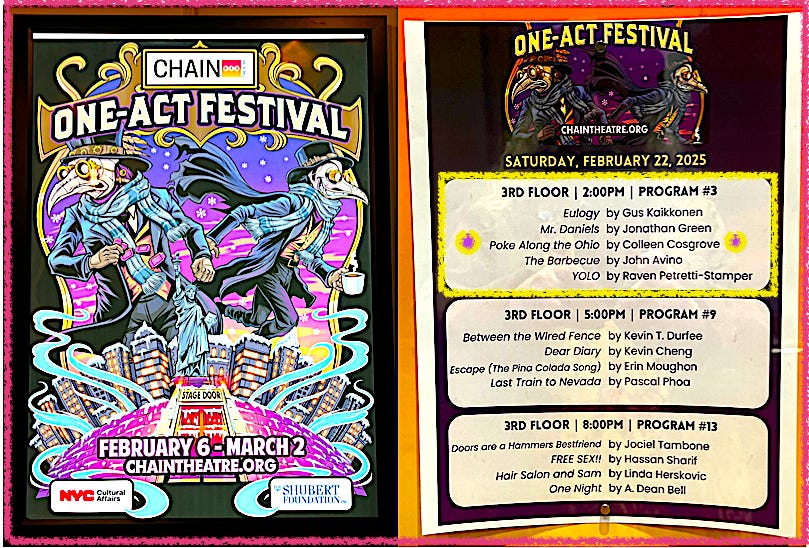
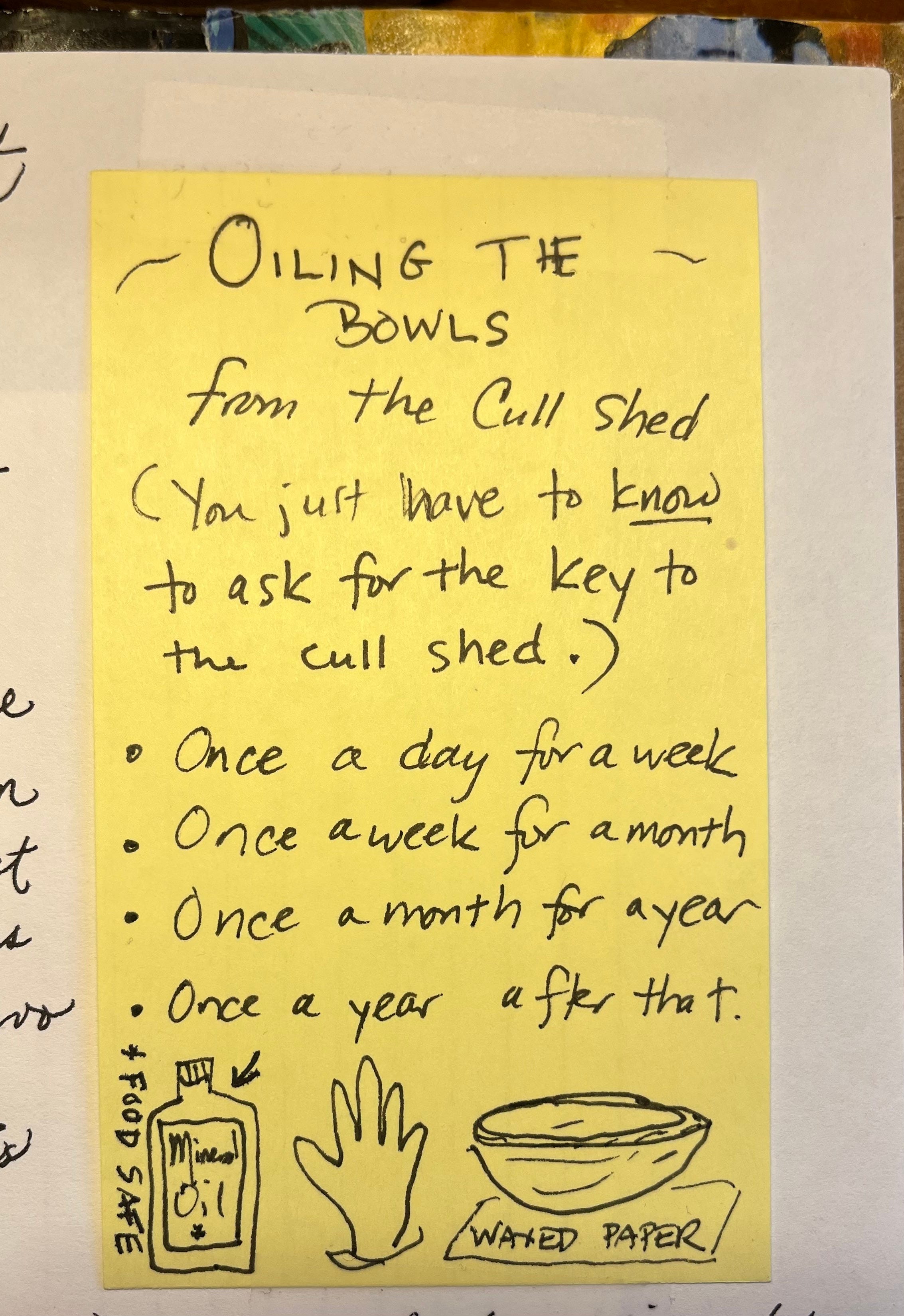
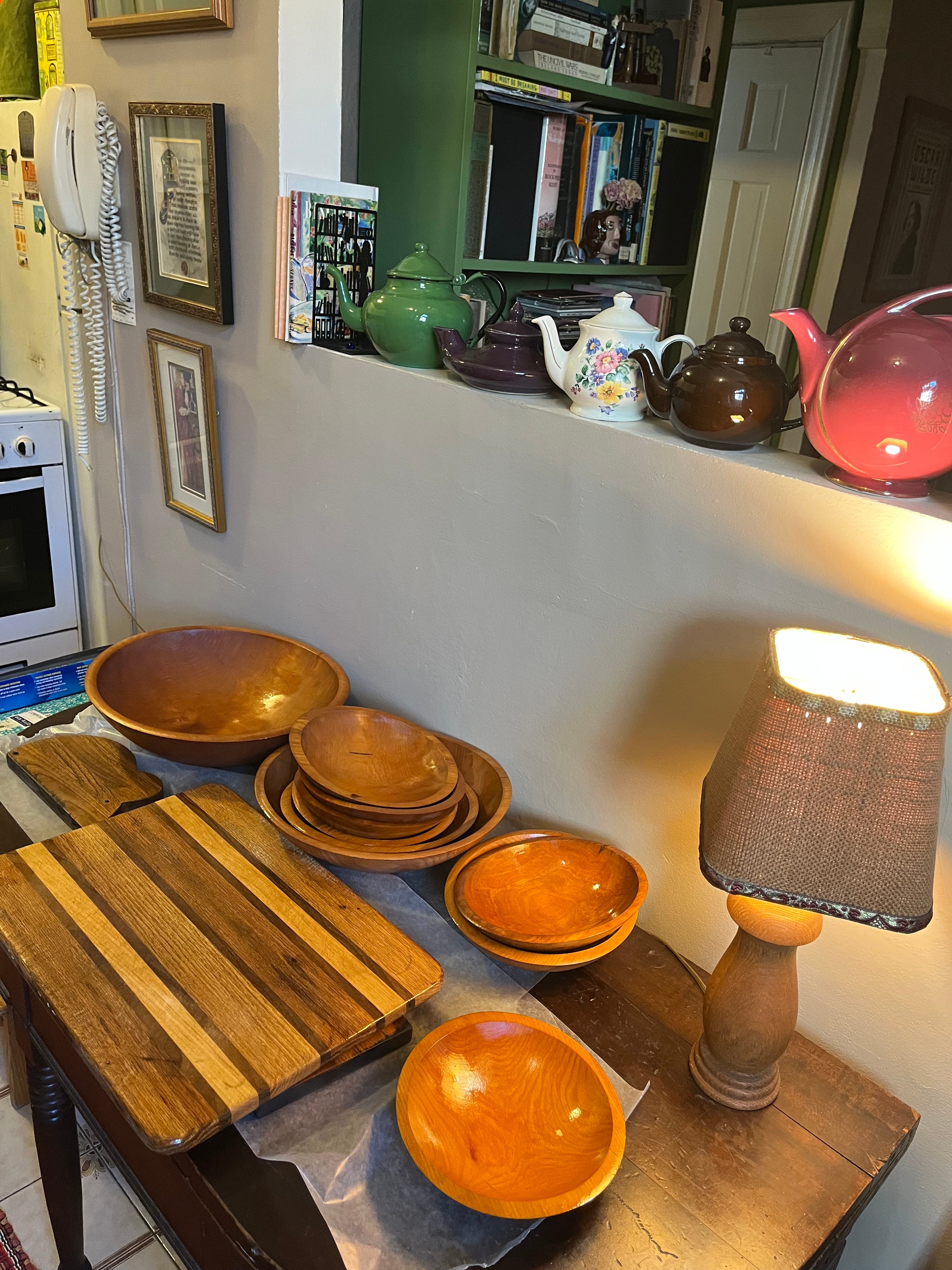


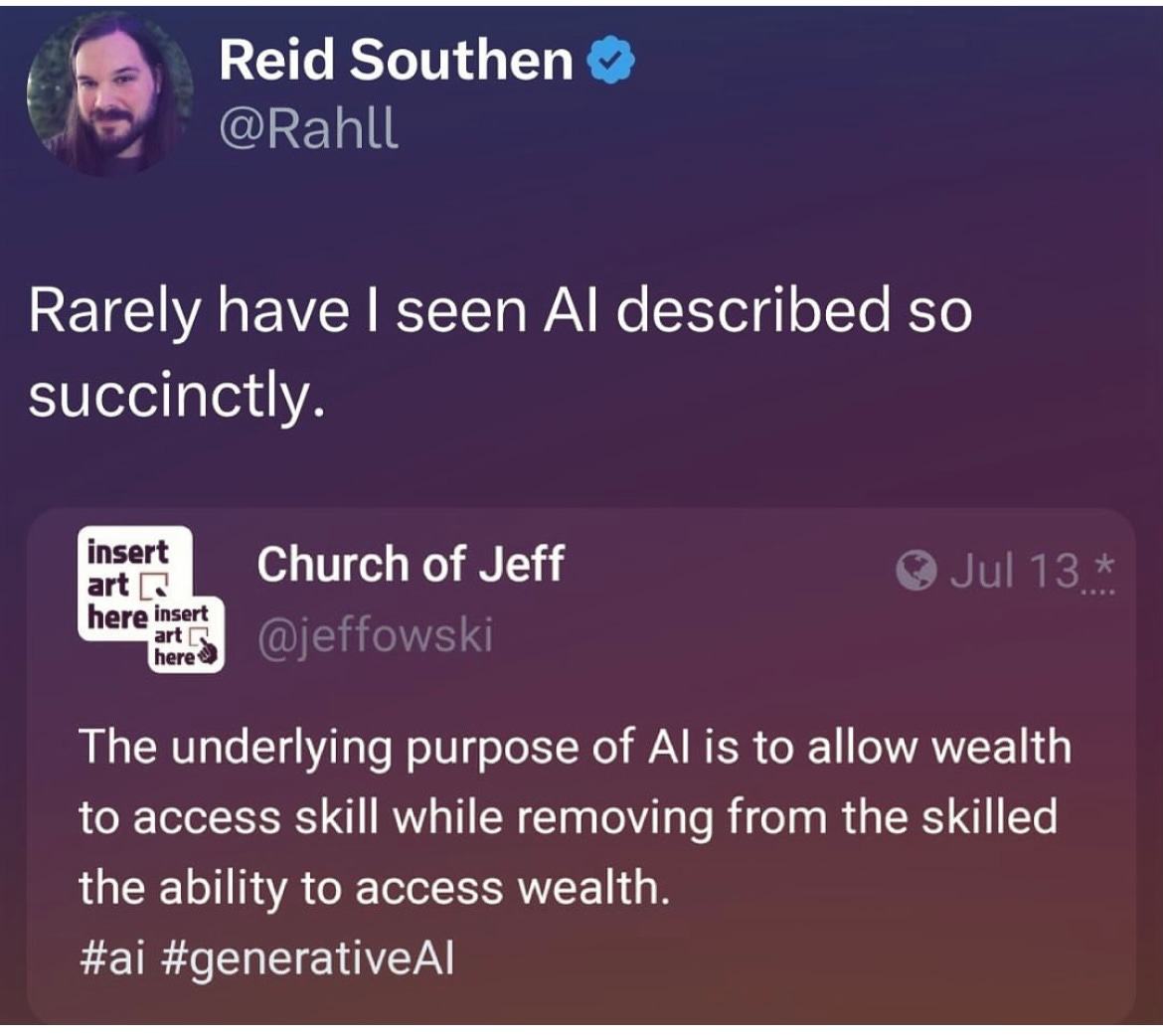
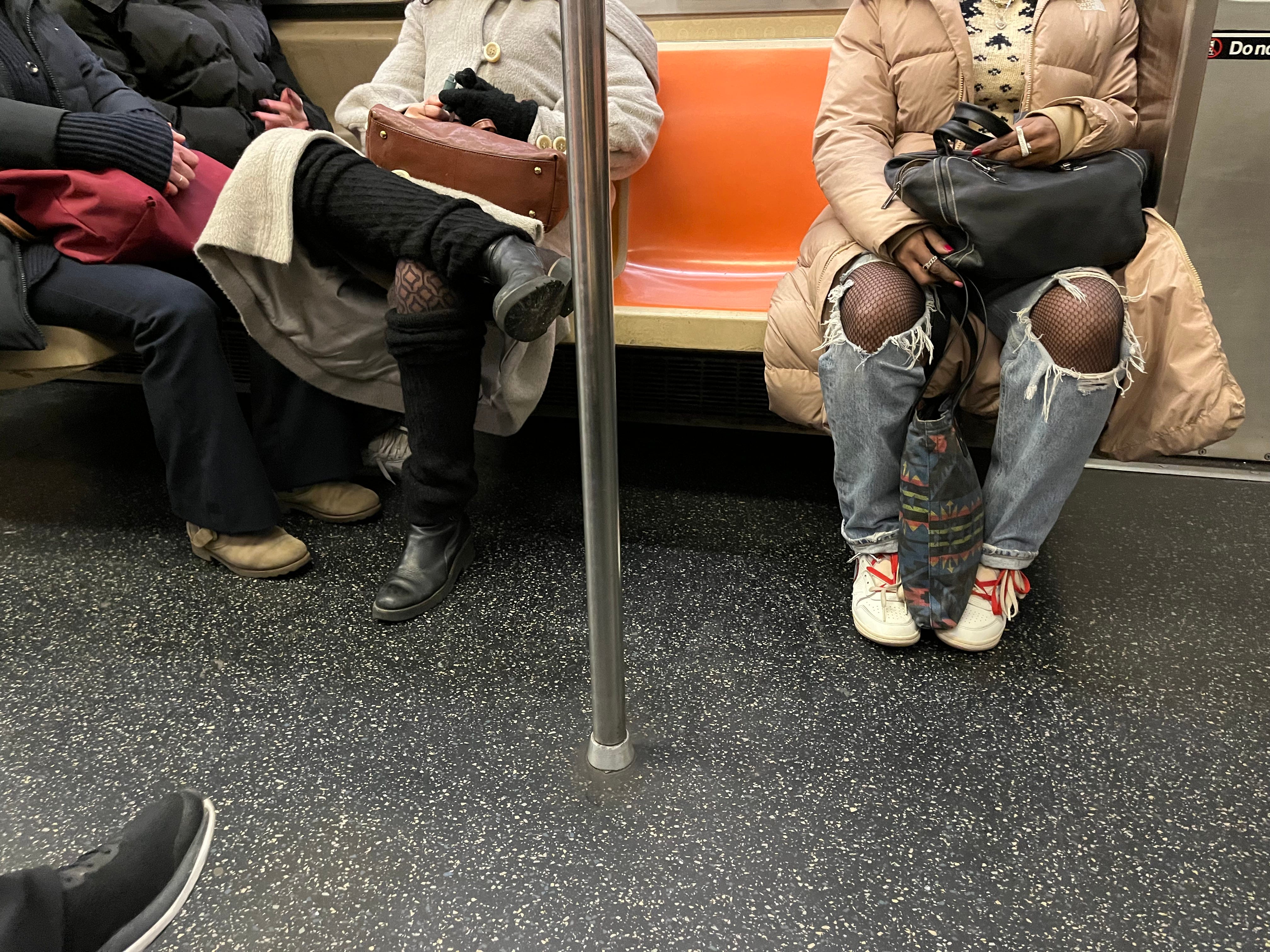
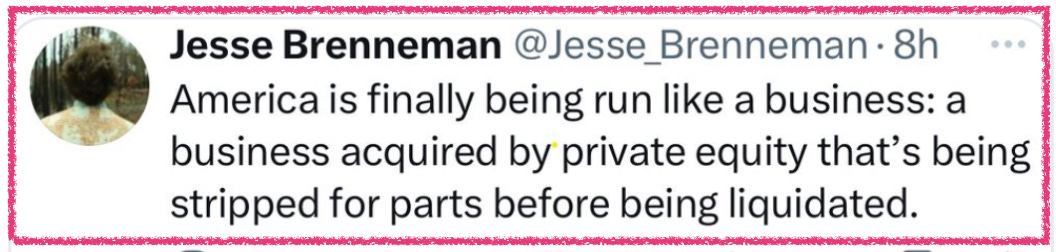
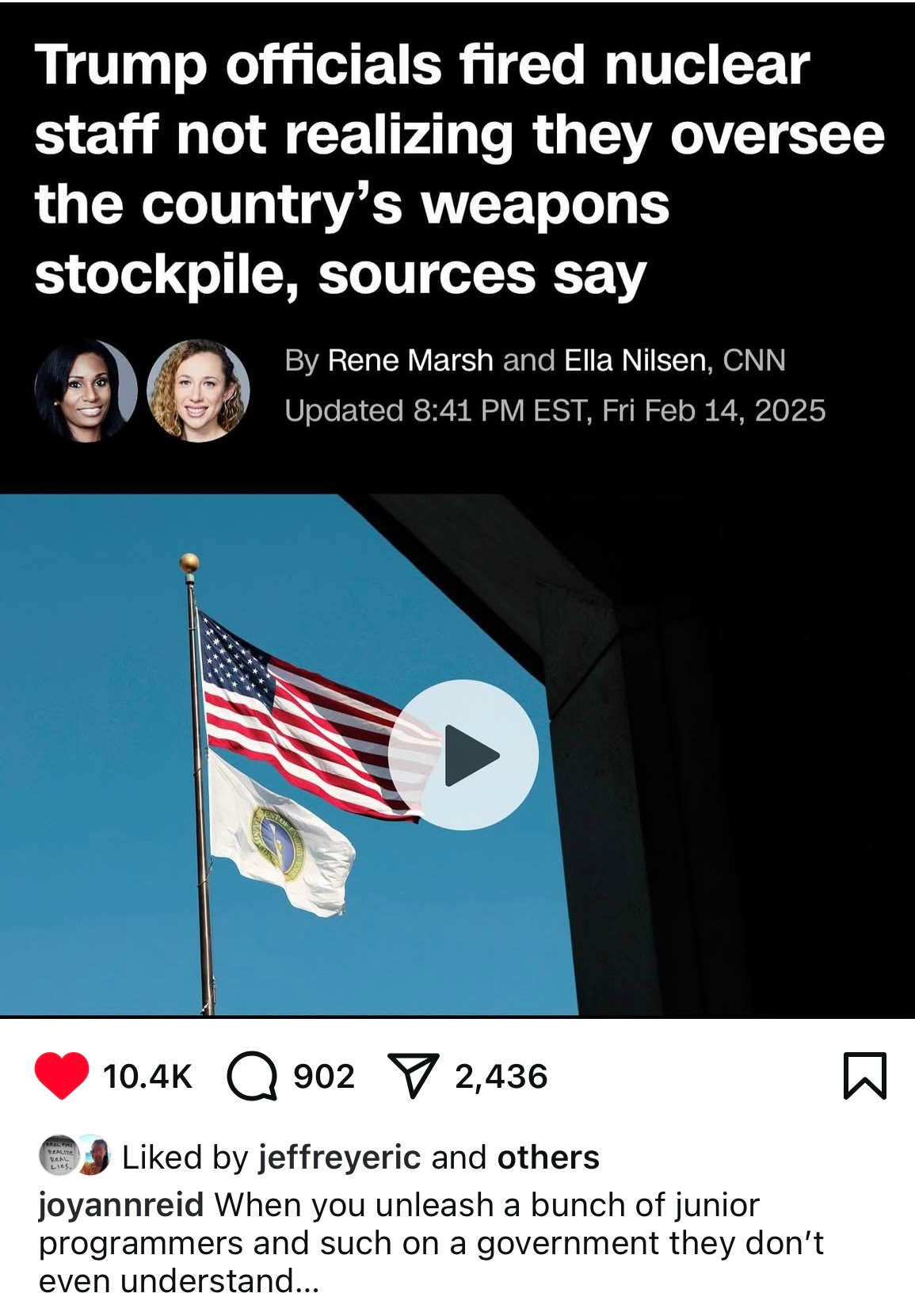
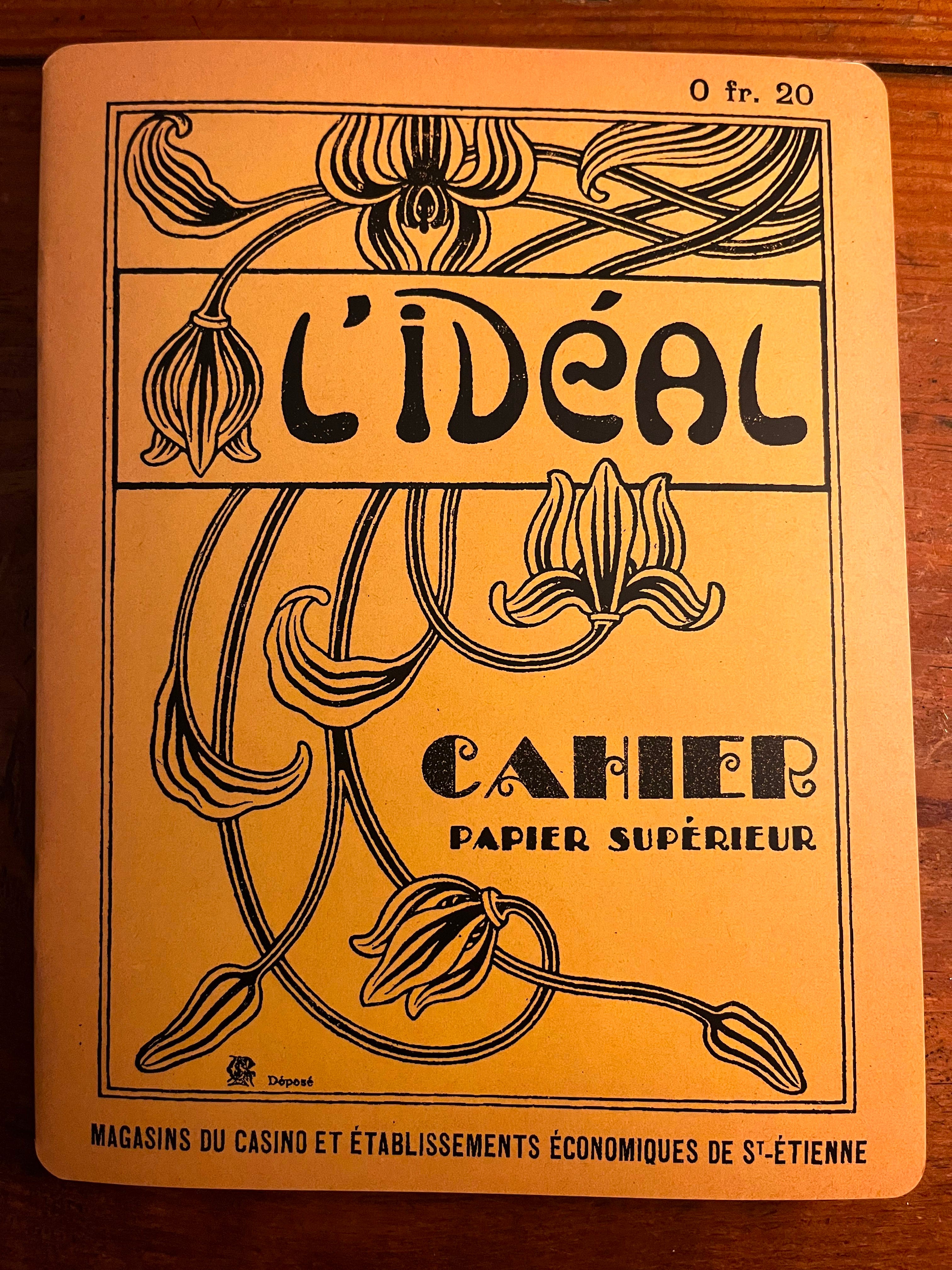
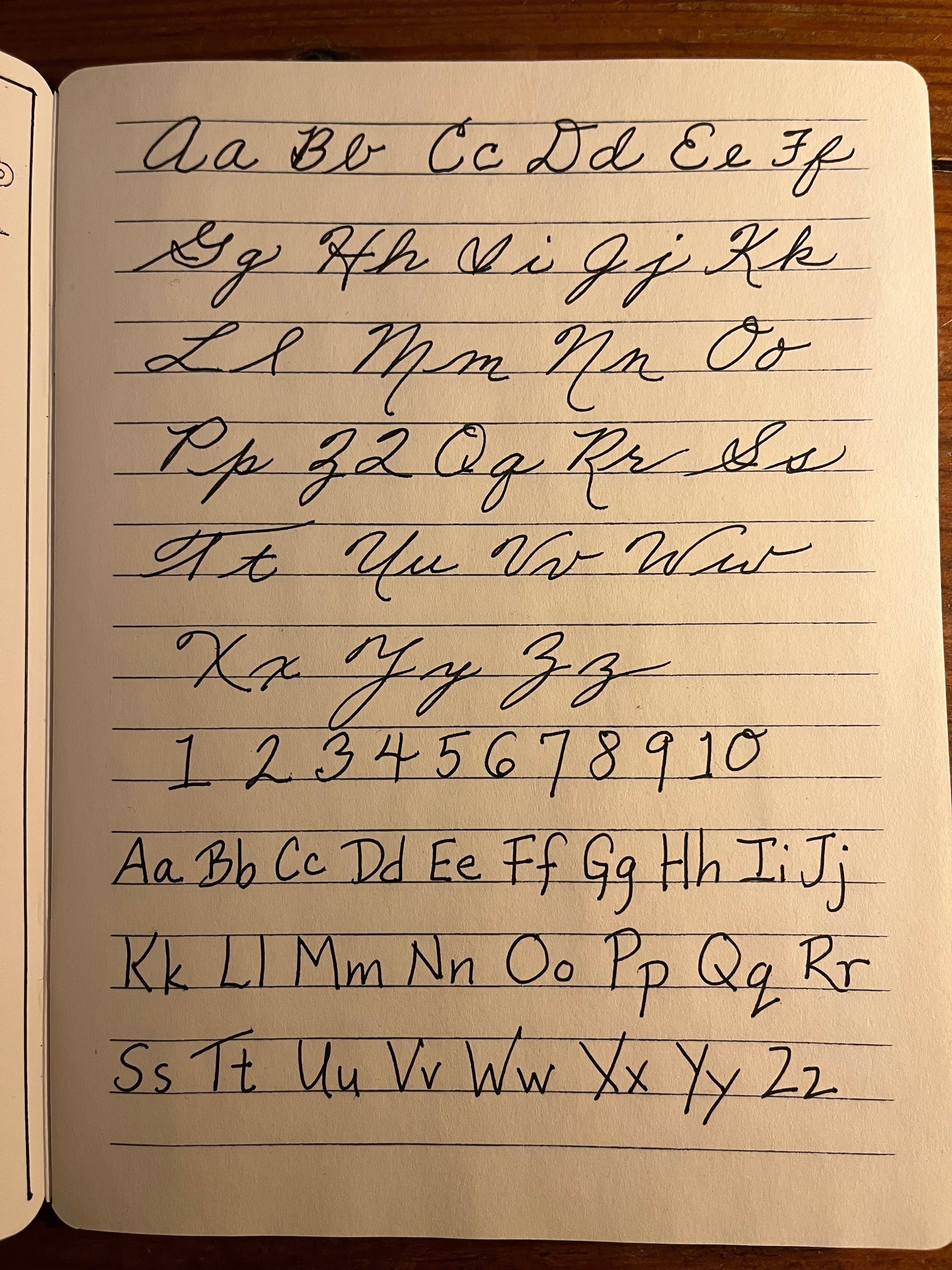


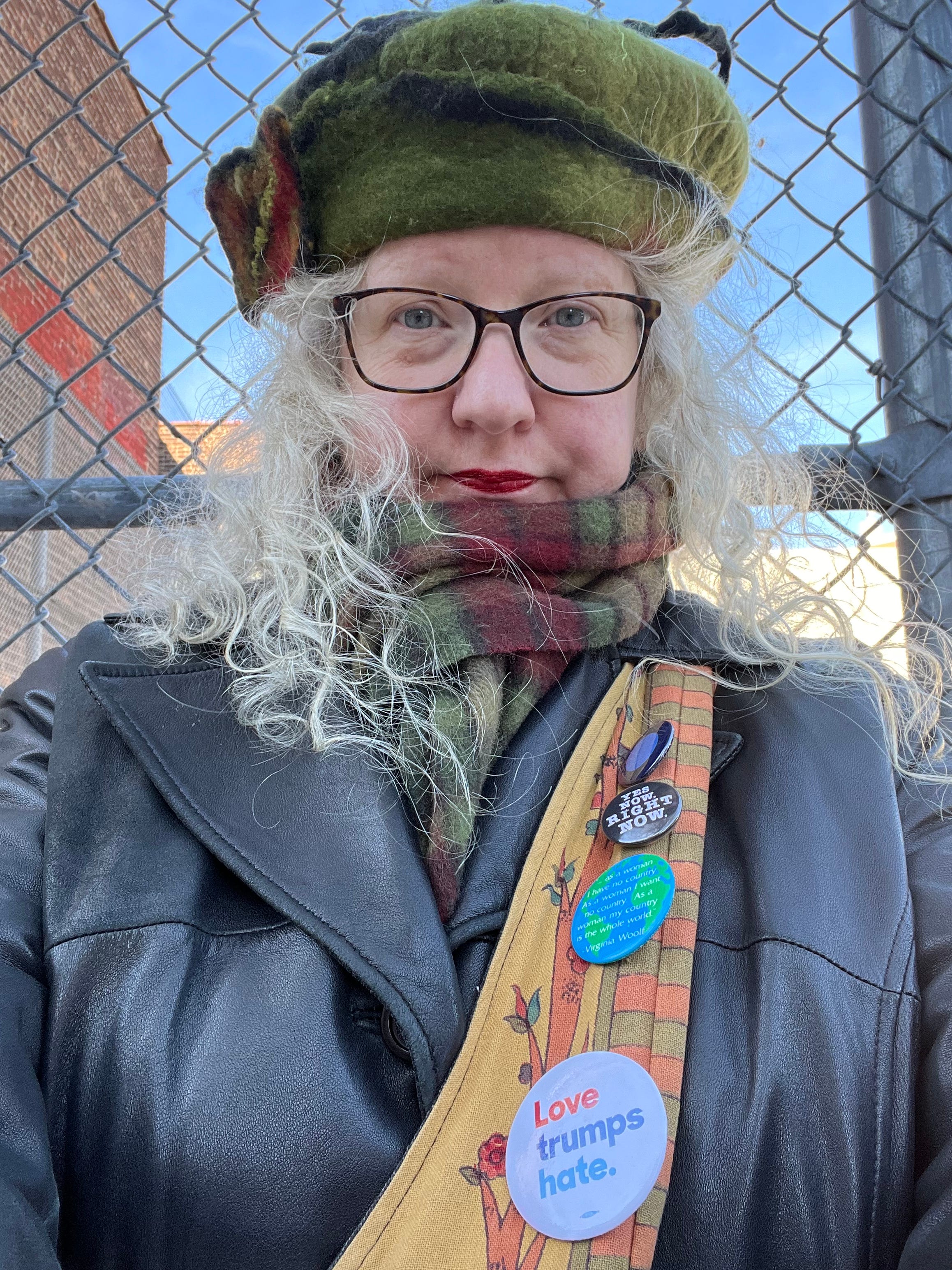





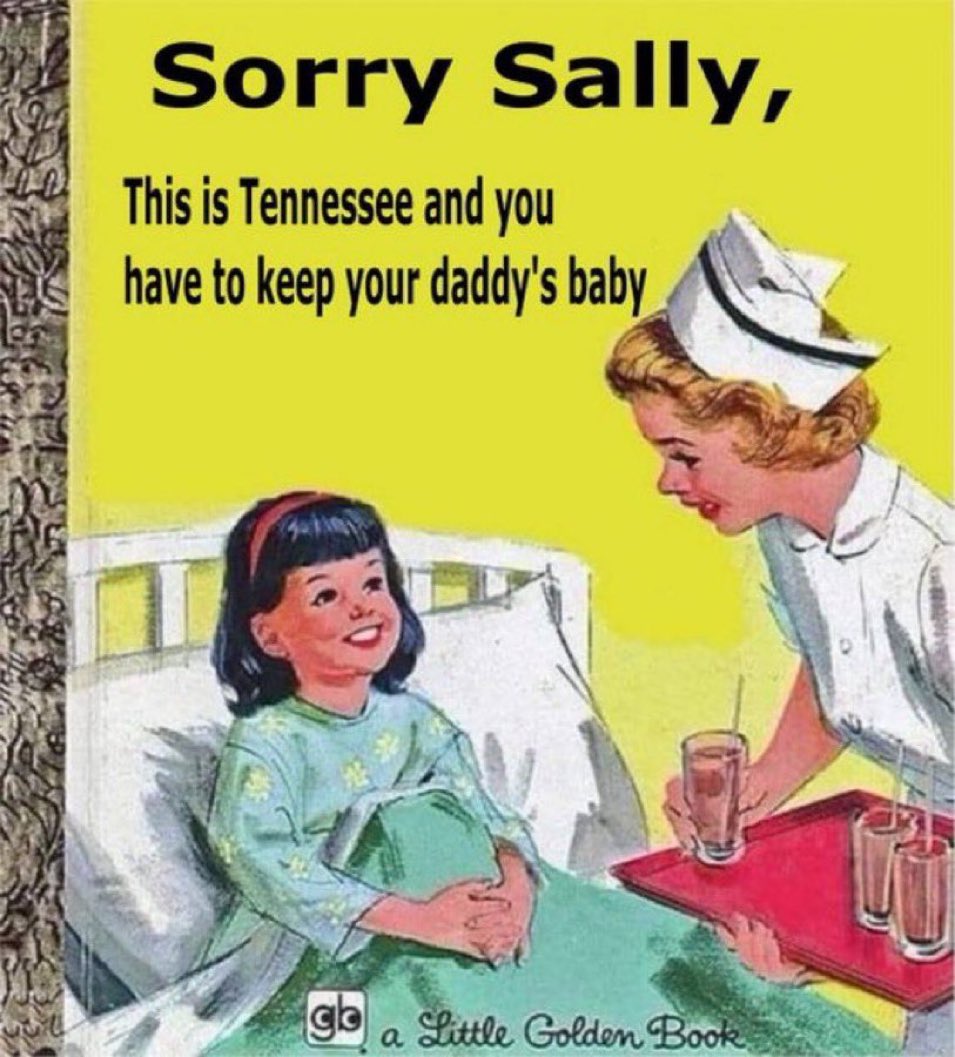
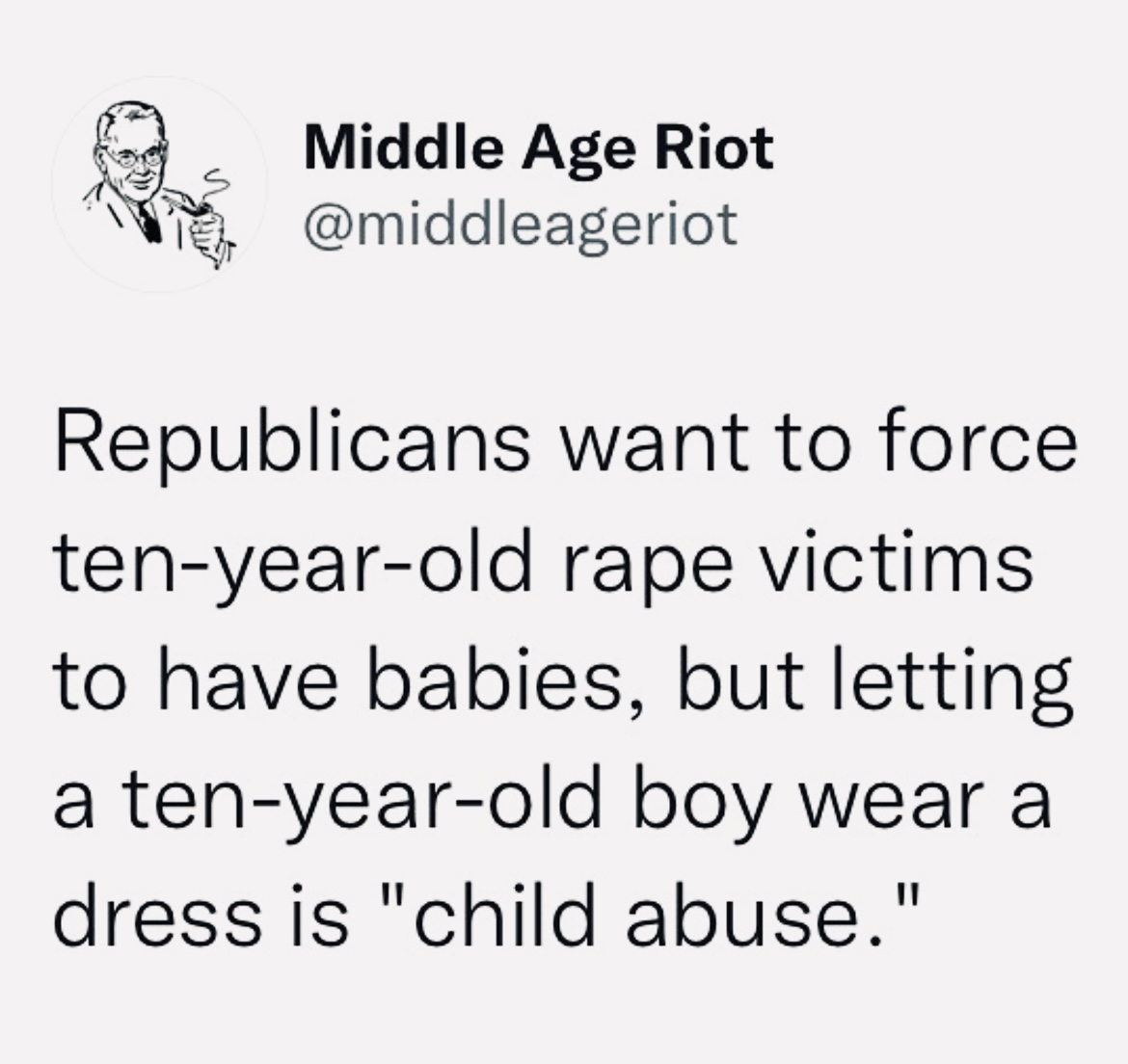


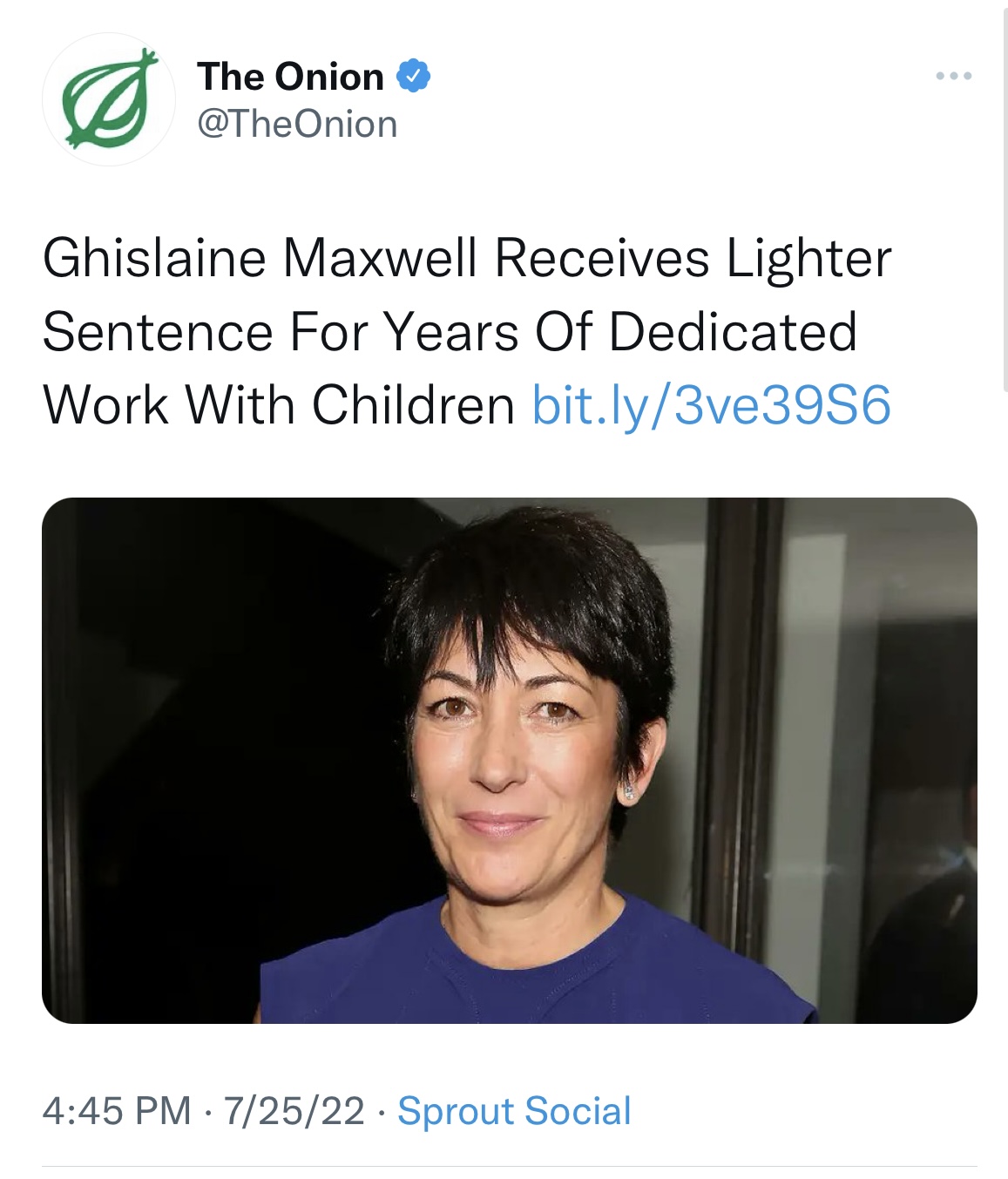


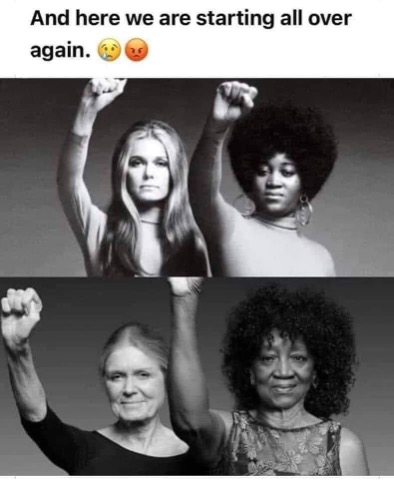

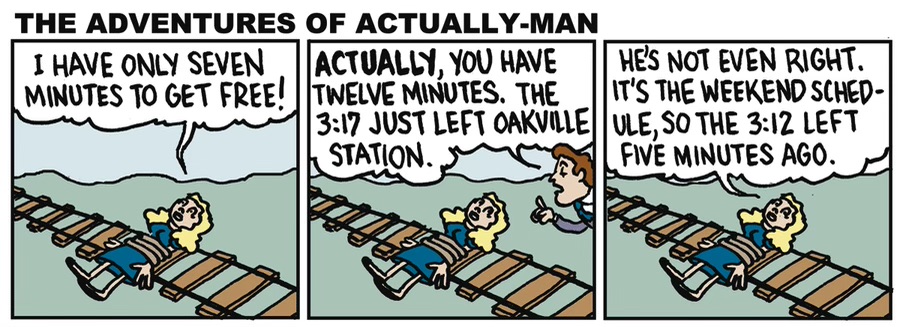


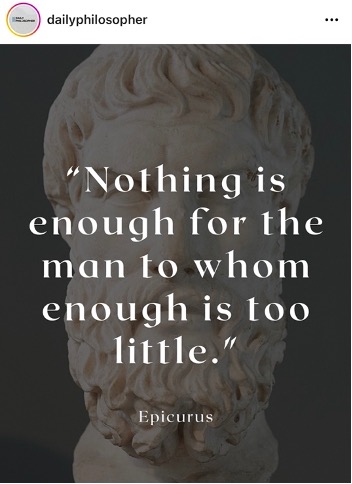


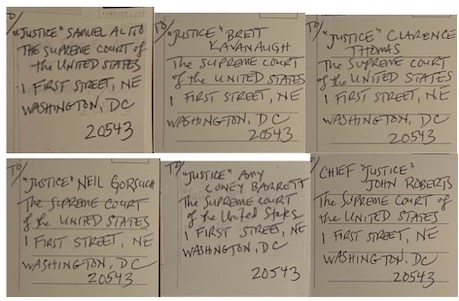
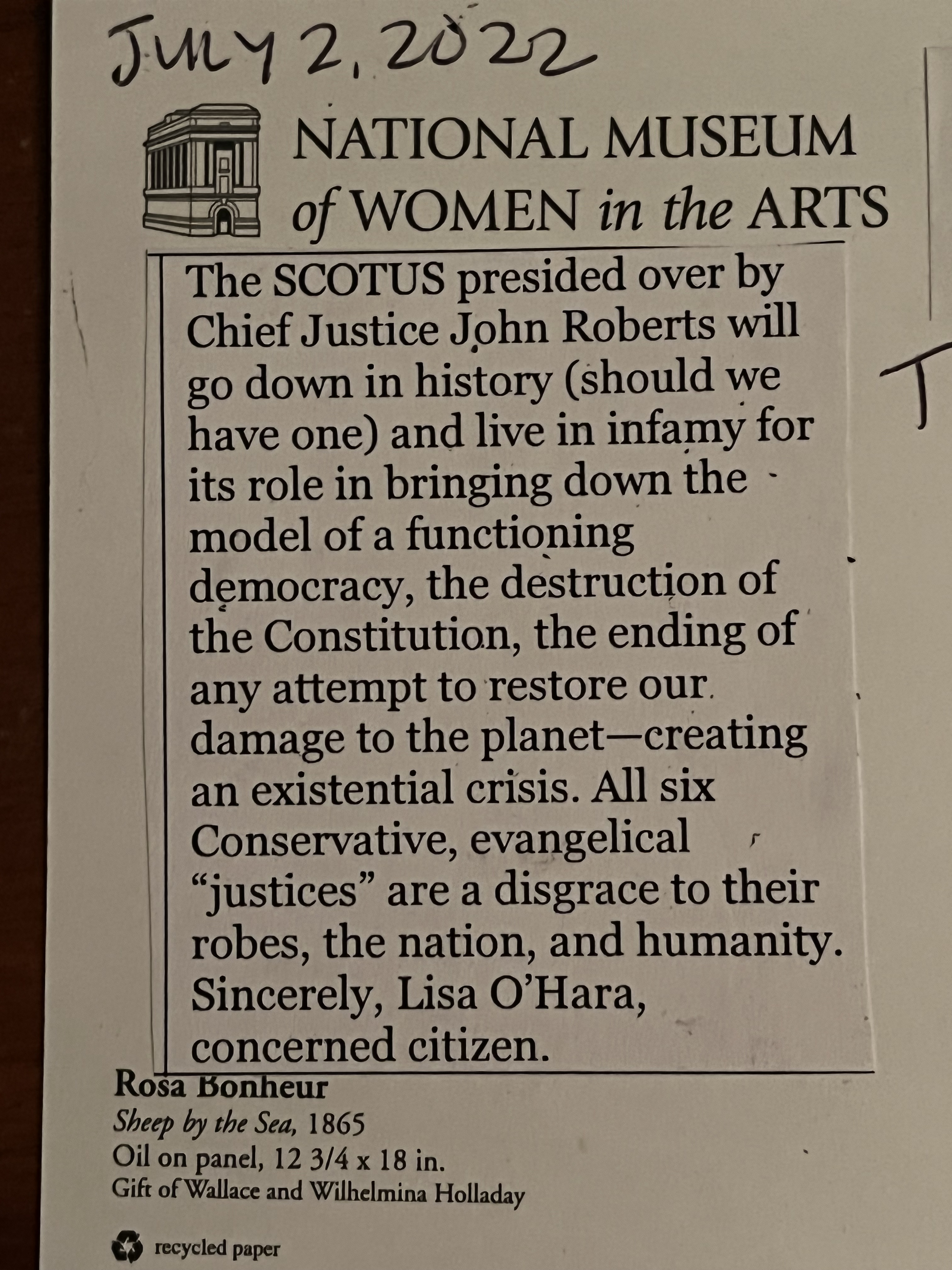


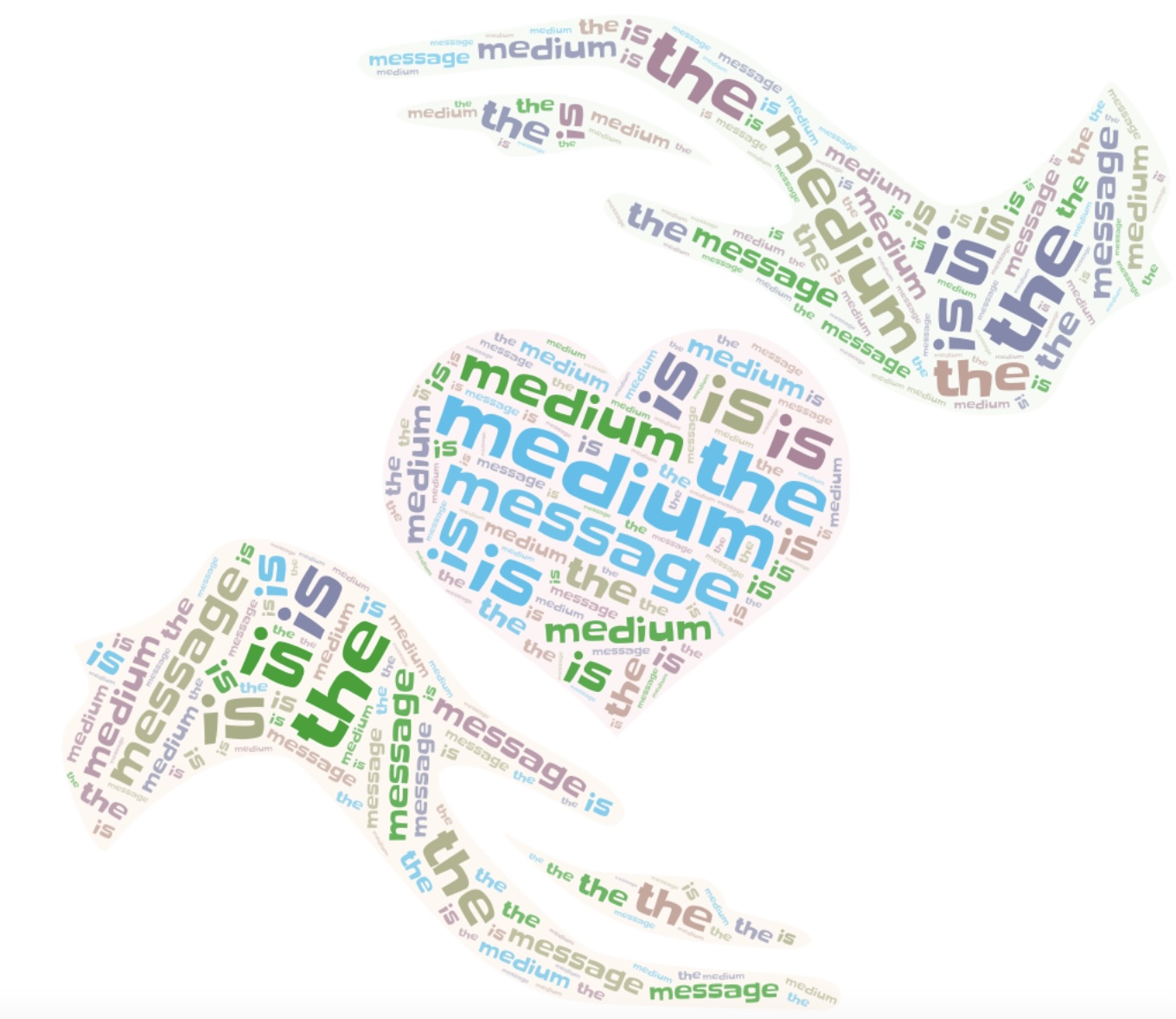





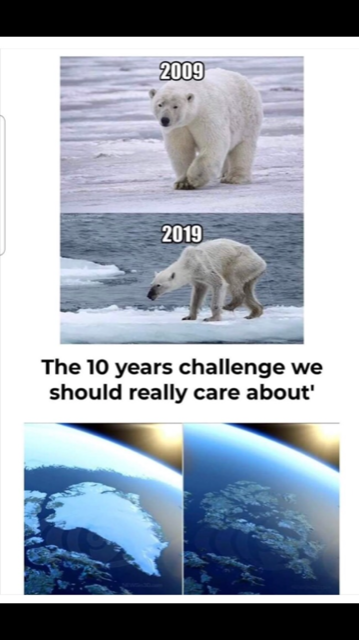


 The Miss O' Show (Teacher's Edition)