It’s an ordinary Saturday in Queens, which is to say “ordinary” if you aren’t thinking about the fascism. (I really can’t get over the way that Meta bleeps “Nazi” and “swastika” from videos, or that posters have to insert an * somewhere in each of those words so the post passes muster, even as Elon’s and Bannon’s sieg heils are fine.) I am waiting on a 7 Train, only to learn it’s not going all the way to Manhattan, so I have to switch the N or W, so my mind does a little adjustment. It’s all good.
There used to be moments when, as my friend George puts it, it seems Americans are simply going to be inconvenienced to death. Now, unfortunately, and for a long foreseeable future, we are under threat of annihilation. But today, I’m heading to The Chain Theater at 312 W. 36th Street in Manhattan to see the 2 PM installment of their rolling rep One Act Play Festival, and today I don’t want to think about annihilation.
When I arrived at Times Square/42nd Street, I walked through Golda Meir Plaza, struck again that in the 1970s we had female leaders like Meir of Israel and Indira Gandhi of India, Thatcher in ’80s Britain, and that the United States couldn’t even manage one woman in 250 years, choosing an avowed white supremacist dictator, twice, over a highly qualified, democratic woman. And here we are, I think, wondering as I keep walking what will happen to the bust of Meir.
First, I have to go to the ATM, and for some reason my card chip will never work to open the door; another customer, a man in a hood, has a card that opens the door; he engages in no talk. I go in behind him, and I realize I’m shaking. I find I’m afraid to use the machine until I see him at the other machine, and really getting money; I finish before he does, even having to enter my PIN twice to get it right. Odd, having the shakes like that. Or not so odd. Frankly, that’s as fearful as I want to be in life.
It’s nice out, 40s, sun. I walk down 7th Avenue, taking it in, struck again how I can always spot a tourist. I am of New York City, I move that way, more grounded, a bubble of insulation and also awareness. I was a tourist for 20 years before I moved here, so I don’t mean this as criticism or praise; it just is.
I arrive a half hour before the play festival is to start. I see Mary, the director of my friend Colleen’s play, in the crowded lobby, and we hug. I check in at the desk, my friend Tom having bought our tickets online. Our friends David and Barry are also coming, and learning the afternoon is sold out, I go in when the house opens and save us a row, as it’s general seating. An older woman in the row behind me is doing the same thing. (It’s always funny to me how everyone who enters a general seating situation somehow believes they will get to sit alone, empty of audience members around them, and they look at my saved seats with resentment.) The boys show up just before 2 PM, so we don’t get to visit much, and they don’t have time to go out after. I seem to be the only person I know in the city who has nothing but time. Ah, well. Still, being in this community even for a brief time is comforting and energizing. Hopeful.
For the uninitiated: Attending a play festival of new work, especially one-acts, can be a crapshoot. I’ve attended many of these, both as a high school director and as an audience member in New York, and too often only two out of the five or six are well-written, and only one or two are well-acted and directed, and often it’s not the same set of two. So imagine my delight—I knew Colleen’s would be adorable because I’d read the stage directions for it at a workshop—when all five were simply excellent.
The common theme—and this was a really thoughtful grouping—was aging and death. This might sound awfully close to that annihilation I was avoiding, but it wasn’t the case. The first play was a monologue, a 60-year-old son eulogizing his father at the funeral; the second, two old people on the E Train platform; the third an older man trying to make a deal with Death; the fourth was Colleen’s (a play inspired by seeing a plaque in Evanston, Indiana, along the Ohio River, where President-elect James K. Polk was to have stopped his steamship and didn’t disembark), with an old woman (Colleen) and her grandson in 1854, the year Lincoln was really getting started; and the last a gay couple, older men, one who has, we see gradually, dementia. And all of these were by turns serious, funny, sweet, surprising. And ultimately, ordinary, in the best sense. Life lived.
I’ve realized lately that what I crave most in my music, my art, my nature, and my life, even, is ordinariness. I don’t want the surreal, the challenging, the wildly surprising. I get too much of that in unending loops in American society now, breathless, mean, chaotic, and all that hate and chaos, while not remotely sustainable, will be unending for four years at the very least, and if we all don’t stroke out and live to see another election, we may see a divine revolution. Until then, I want mundanity as a life theme.
For example, here’s a task of basic maintenance.Simple chores. I did the annual bowl oiling during my lunch break one day since I work from home. So restful. Once the oil soaks in, they’re good to go for a year. I oil the cutting boards at least twice a year. Isn’t it nice to focus on that?
As another mundane activity, before leaving for the subway with a half hour to spare once dressed (I took care to pick my ensemble and accessories, knowing no one else would actually care, but it’s my inside feeling that counts), I noticed that I have a lot of loose knobs on my two dressers. One dresser requires a Philips head and one a flathead screwdriver. I keep these in a pitcher by the door—I like to have my tools ready at hand. Knob by knob, I tightened them. In doing this I noticed a few scratches, so I went to my tool closet and found the wax wood filler pencil. And I filled the scratches, and it’s funny how the more you fix the more you see.
And this by the way task was really satisfying. You know what I mean? And centering, before heading out into the chaos of New York’s mass transit.
Why do we have to exist in all this rage and war and hate and aggression and greed and chaos? We all have knobs that need tightening. Why, just because of a few psychotic, damaged men who cannot be satisfied or fulfilled by all the money and power in the world, do all the rest of us have to suffer for all time? Why do other people, people with absolutely no hope at all of either wealth or power, follow them, go psycho with them, and go after all the rest of us? Don’t THEY have knobs?
From the web.
I was thinking too about AI, how the goal is to replace humans, to erase humanity, and that AI cannot tighten knobs. How are we to cope with the attempted erasure of culture, of women’s sovereignty, of black and brown people, of the earth itself, when this desire for annihilation is beyond lunacy? Why can’t we be? Being is hard enough. Knobs come loose. Why can’t we work together to solve real problems?
From the web.
To cope with the whole mess, as I brace for some kind of war, I’m taking more and more pleasure in the very ordinary, like watching people on the subway.
A Study of Knees and Nylons. N Train to Queens. LO’H 2025
I know I can’t be alone in these chaotic feelings. How are you coping? In addition to doing chores, seeing art, and attending the occasional rally, I’m calling politicians and listening to Nina Simone. Followed by Yo-Yo Ma. You?
I am a 60-year-old American white woman who has been steadily listening to Nina Simone and Miriam Makeba for months now, and today find that I have turned my Apple music subscription to Chappell Roan’s The Rise and Fall of a Midwest Princess. White girl voices are often too breathy and whiny for my taste (so, bless Adele), and the lyrical complaints about girls and boys and coffee date ghosting don’t exactly feel vital or resonant, but there is something compelling about Roan.
It’s good to know I can still be surprised by an artist, especially a white one, because lately I’m not surprised my much else white people do.
Anyone in America who works somewhere has probably been “acquired” by “a firm” of some sort for their “portfolio”; and as a result, we all of us feel this chapter of American democracy, as was, all too keenly: the Musk acquisition of America. I’ve read that the Republican voters who work in civil service never thought that the people they supported for office—that is, the venture capitalists and hedge fund managers and private equity firms—would actually strip the government and its Constitution and sell it for parts, and fire them, but they voted for Donald “You’re Fired” Trump despite all the evidence and have found out why he’s been bankrupt six times and still standing. Musk had swooped in and destroyed Twitter and it meant nothing to these voters, either. What did they think? Well, unlike Captain Renault in Casablanca, “a poor corrupt official” who knows full well how the game is played when he says, “I’m shocked, shocked to find gambling going on here” as he collects his winnings—these earnest civil servants living in their paper pushing D.C. bubble lack a social safety net moral compass. When you think life is only money, only “savings,” you may be missing, I don’t know, a heart. Or basic life experience. (And they are about to find out what unemployment looks like when there’s no money for them to claim, and no jobs to be found except the ones all those poor, now-deported undocumented people did. Godspeed.)
For anyone who needs a personal testimony of this process, the publishing house I work for was taken over, the first time, by finance people who quickly eliminated the Editorial Services Group (ESG) because they didn’t know what ESG meant. And they never asked us before handing out the pink slips and severance packages. The ESG, as it turned out, were the COPY EDITORS and FACT CHECKERS for our textbooks. Our product. Our source of revenue. And even after learning this, the financial overlords just shrugged. Who needs copy that is correct and makes sense in educational materials for America’s students? Who will really notice? $$$ (Now I do my job and their job.)
These are, after all, people who don’t believe in textbooks, obviously; we now formally live in a nation of capitalists who don’t value education because somehow they think they learned everything (and they think, everything) through osmosis.
Cue today’s lethal gem of a typical private equity business slash move:
There’s not an American office worker in existence, or factory worker, or cashier, for that matter, who didn’t read that headline and nod.
Why do you need refrigerators? It’s a grocery store. No more refrigerators.
That kind of thing. Only now our entire nation’s security, health and safety, and economy are in the hands of, quite frankly, money fiends devoid of vision, purpose, or shame, let alone the “common sense” Trump claims to have. (Emerson called common sense “genius dressed in plain clothes.” Take a memo.)
In another example, I read that some 1.7 million HOMES around the country are vacant, sitting empty since being acquired by private equity firms, either for the land or the tax write-offs, with no interest in the communities in which the houses sit. Freeing these homes to be sold to people could end the housing crisis, maybe. At this rate we’ll never know. $$$?
My go-to comfort viewing during all this mess has been rewatching the 2019 documentary Toni Morrison: The Pieces I Am, directed by Timothy Greenfield-Sanders, like, a dozen times. I read a review that referred to the documentary as “flat,” and it occurs to me that it’s hard for the newer critic folks to enjoy being brought fully into a world as thoughtfully as this film brings you into a teacher and book creator’s life. The subject, Nobel Prize winning novelist Toni Morrison, is as great a subject as a literate viewer might want, unless what you want is a subject like Hemingway, who beat his four wives and fought to the death in wars and bars; or Pablo Picasso, who screwed two women on the same day and then painted them both, as a habit. I’ll take Morrison’s strong sense of self, her moral compass, unflashy living, artistry, deep humanity, and humor, thanks. And she has great literary company for additional commentary. It’s all about the love of language, and the way we use language to tell about life.
Morrison recalls a time in her early childhood where her sister was teaching her letters, and they would use pebbles to scratch the letters on the sidewalk. One day they saw a new word down the block, and they began copying, F…U…, and suddenly her mother ran out of the house and yelled at them, they were crying, they didn’t know what they’d done. In that moment, Morrison says, “I learned, words have power.” (I had a similar experience when a neighbor up the street taught tiny me and my brother Pat, “Eenie, meenie, minee, moe, catch a n***er by the toe.” Not knowing that word, I substituted one I did know, but when I used that word within earshot of my mother, it sounded bad, too, and I got yelled at. So I tried, “Eenie, meeie, minee, moe, catch a quarter by the toe.” Because I couldn’t say “nickel” anymore. My mother, realizing what she thought she’d heard, said that was fine. Even though coins don’t have toes. I learned that language can surprise you, that language is invention.)
I bought this latest notebook at McNally’s on 8th Street yesterday.My first desire for this notebook, after placing impressions from all my rubber stamps on the inside cover, was to write all my letter forms and numbers. And it really got me into a sense memory of how much work it took to learn penmanship, to practice spacing, use the lines, to be able to form words to communicate. And I was impressed with my young self. I really was. Education is wonderful.
The opening credits for the film show an artist putting together an ever-changing collage of black and white photos of Morrison’s face, pieces from the many stages of her life, along with patterned paper, to jazz music, and I could watch that over and over just by itself.
But on this day of Black History Month, I want to share this observation Morrison makes about her growing up in Lorain, Ohio, a background woven throughout the film to create a familiar texture, one that grounds the artist in a relatable experience for most of us. “It was a melting pot, it really was,” Morrison says of the Blacks, Italians, Poles, and other working-class migrants who came to this steel town along Lake Erie, where “there was no shame in being poor.” Having enough to get by, pay the bills, have a roof, meals, your people—you know, you were good. (I grew up that way, to start. My parents were working class and moved to the middle class, and it was a big deal; values started changing, more materialism, fitting in, all that. Poverty stood out. As a nation of billionaire worshipers, we need to think on that.)
But more interesting to me this time is when she says that she had come to realize that the melting pot, “the cauldron”—and here she makes the pot with the hands—“is Black people. We are the pot.”
The United States of America would not exist at all without the slave labor of Black people, and we know that; and more than that, there would not be a culture without Black people, or at least not a culture I’d want to live in. Along with our Indigenous roots, Black music, dance, energy, love, drive, gospel, wisdom, persistence; Black love, righteousness, and willingness to throw their bodies at justice, at life, to boycott the bus lines of Montgomery, Alabama, for thirteen months—all this holds the rest of the (white) country together, makes this a democratic nation, and one I can stand to live in, if not be always proud to live in. Morrison’s late life understanding that Black people were the holders of what was melting in that pot, that they were the pot, hit me hard when I watched the documentary again last night. They were our models for the fights for justice.
I read this on Friday morning on the Instagram account of my favorite trans performer, 2024 McArthur Fellow Justin Vivian Bond. I went to the Stonewall website several times, where they also removed the “Q,” and when I scrolled down and it said, “Was this information helpful?” I chose NO, and a box asked for tips. Oh, I gave some tips. “Where’s the T? Where’s the Q? For shame.” Times 10.
On Friday, which I’d taken off to have a four-day mini break, I’d planned to spend the cold winter day at the Met Museum but instead took a detour to the Trans Rights Rally at the Stonewall National Monument at Christopher Street. I want to be an ally. Standing with all these people, where it all began, is a little surreal. “Let’s go get coffee,” one person said to a partner part way through, checking his phone. Stonewall made that possible—to just live your life.
And really, face it, without gay men, there is no Hollywood, no theater, no fashion, no clubs, no fun. Without lesbians there is no feminism, no suffrage. These are small examples, broad strokes, but you see what I mean.
American rock music—our greatest export—has its roots in American Indigenous music as well as African music. It’s not that there are no contributions by white artists, it’s just that this country would be unrecognizable, and without doubt way less interesting or dynamic, if left only to cisgender, straight whites. (Lawrence Welk, anyone? At least there’d be no Kid Rock, what with rap off his radar.) Watch what Trump does to the Kennedy Center, if you can. You know it’s cringe.
The ironic wit and hijinks of The Onion and improv theater notwithstanding, white culture has lately been elbowing out any good stuff in order to put that glaring spotlight on capitalism, our god; private equity, individualism, willful ignorance, winner take all, white supremacy, oh, and fuck you, parasite, should there be a fuck left to give. If you see what I mean. And porn. And rape. And brews for bros.
Time to melt that into the pot. And keep it melted.
Meanwhile, keep the faith, show up, find the joy somehow. That’s what I think today. I’m trying to listen to more music. Dance. And you might watch The Pieces I Am, especially if you feel like all this fragmentation of America is making you fall to pieces. It’s so hopeful. And read Beloved.
Love,
Miss O’
“As a woman I have no country. As a woman I want no country. As a woman, my country is the whole world.” ~ Virginia Woolf, paraphrased. Blue button and “Yes Now Right Now” button by Lisa DiPetto and available on Etsy. I had really hoped my Love trumps hate button would be a relic by now. P.S. Red lipstick was a sign of resistance against Nazis, fyi. Nous continuons.
I used to write funny. I have an old blog to prove it, at least those few entries that were genuinely hilarious to the six or eight friends who read them. I also used to be way more outer directed, blogging about national catastrophes, global issues, the fate of the planet. Somehow, I could hold both hilarity and tragedy in my head as I typed.
Then I entered my 50s, that magical decade of the many phases of, say, menopause; the panic of Covid; the (unending) transparent criminal absurdity of Trump; the near-precipitous decline and recovery of many aging parents; the unexpected death of a longtime lover; the sudden dissolution of old friendships. What happened?
My favorite hip pocket quote; art by LO’H for Lilly, who framed it. I think we all could use this quote as we age. Feel free to make a copy if you want.
The greatest shock of this decade was the new insistence of the body. Beyond my menopause was the frozen shoulder, the two-week suffering through the symptoms of the global pandemic, the recurring sciatica (or is it stenosis?), the sprained ankles, the appearance of polyps in the colon,…it just doesn’t end, and it never will, not now. This is life forever.
And who am I kidding? It’s always been life, for everyone, for all time. How in the name of holy vaccinations did I just now come to realize that our macro bodies are at perpetual war with the micro world?
How did it just now occur to me, in the last year of my 50th decade, given global wars and global warming, the murder of migrants and children, rampant diseases like AIDS, and, I mean really knowing about all that, how did I just now really realize in my body that we are constantly living in this crazy nebulous place of, what the fuck and when? It seems most everyone I know and love has lately revealed that they are living with a condition which could, probably, eventually kill them, if an errant bus doesn’t get them first. To take two examples, I have my mysterious brain thing (the symptom is the numb left eye, MRI March 14); and my theater friend HD exclaimed over lunch at the West Bank Café last Saturday, “So, my prostate cancer…did I tell you that? Oh! I have cancer!” And we had to laugh.
Constantly Living Uncertainty
Our introductions to disease an ultrarare sarcoma late diagnosis melanoma two types of diabetes
Those many swords of Damocles: pulmonary fibrosis multiple sclerosis life-threatening allergies;
Cancer histories, predisposed: colon bladder prostate breast esophageal and the rest the diagnoses presupposed.
How is it, knowing all of this, How is it nous continuons? To meet each day with coffee cups Face the downs to find the ups Fix the leaking kitchen drain Wash the car despite the rain?
Dorothy Parker I ain’t, but sometimes only playing at verse gets me through. Verse, and Ella and Louis; or trying my hand at collage again; helping dear friends through grief; enduring yet a fourth colonoscopy in 15 years; weeping past control over the whole fucking world—feeling as deeply as I can, pushing through it, to see what comes out the other side.
Latest sketchbook, this from the PS 1 MoMA gift shop; Gibson Girl stamp added by LO’H, courtesy Casey’s Rubber Stamp Shop, 11th Street, East Village, NYC
Here’s to uncertainty and unforeseeable change as our new normal, that was ever normal and never new. Will work on getting funny again. I so want to cheer you. In the meantime, don’t die.
Love,
Miss O’
In the meantime, there matzoh ball soup. Photo by Lisa DiPetto, Court Square Diner, Queens.
§ My mom, Lynne, is 90 years old today. Last night I forced myself to get out of the house on a damp, raw New York City evening and head to the theater to see Purlie Victorious before it closes, showing up at the Box Office at 5:45 PM or so to see if they had “anything for tonight,” and I indeed got a center orchestra seat. Magic. This morning I am thinking about transformation: how actors transform into characters; how young people transform into old people; how oppressed Black people transform into autonomous Black people; how racist white people too often never transform. But more to the point, how my depressed soul transforms in the presence of great art. How does this happen? Why is undergoing as well as witnessing transformation so necessary to our humanity? And why do we resist transformation?
My mom, 2024 and 1952.Perfection, the first Broadway revival of this play in 62 years.
§ Memories of transformation are often curious ones. When I was in 2nd grade, for example, Daphne O’Keefe brought in a Gallo wine jug melted over with rainbows of crayons. She was so proud of this show-and-tell object, explaining how she made it. She passed it round the class, and all I could think, confused, was, “What a waste of crayons.” Some transformations both small (see that wine jug) and large (see Tucker Carlson’s from “entitled Swanson Food trust-fund baby” turned “even richer Fox News personality” to “radicalized Russian-Putin ass kisser”) are lost on me. If transformations aren’t increasing your humanity or expanding your soul, what is the point? One woman’s wasted crayons may be another woman’s art (one man’s patriotism is another man’s treason?), and if the melting crayons make you happy, and you aren’t lying to yourself or hurting anyone in the process, melt way.
§ On my mind: Years ago, the now-famous comedian, podcaster, actor, and producer Tig Notaro was kind of doing okay as a mid-level comic, respected by her peers, booking enough gigs to make a living; one day she was diagnosed with Stage II breast cancer, and that evening she went on stage, “Hi, I have cancer…,” and her whole career changed. Soon after the diagnosis, her mother fell, hit her head, and died. Between a middling career, a double mastectomy, and burying her beloved mother, you’d think, “How did she keep going?” But it was the beginning of a transformational phase in Notaro’s life, one in which she became widely known and successful, met her wife, had a family, and is happier than she has ever been. Go know.
(Note: image found on the web..-ed.)
§ Scaffolding: It’s everywhere in New York City. You can’t walk a block or a street without walking under some at least once; I used to jokingly ask my friend, Richard, back when I visited the city, “When will it be done?” I return and return to this image of crumbling, but also of trying to repair—it takes such an absurdly long time; I want to walk around the city with a bull horn, “TRANSFORM ALREADY! BE DONE!” New York City’s Times Square was once glamorous and exciting, and then it became derelict and dirty, and then Disney moved in and transformed it into a theme park for tourists that makes me want to stab myself in the arm every time I walk through it, just to feel something more elevated than pissed off. Then I look around at the endless scaffolding in these high traffic areas, and “pissed off” is about all I will manage for a long time to come.
February, 2024
§ Since mid-January, my left eye has been arcing light, flashing, and also numb; in fact that quadrant of my head and face is sorta numb, too. I went to a neuro ophthalmologist today (after my regular ophthalmologist and primary care docs were stumped, and thank goodness a colleague had one, and that I talk about my life to other people who then often have suggestions, because appointments with specialists like that can take a year to get). This special eye-brain doctor (and I can’t believe how easily I spell “ophthalmologist” now) can determine for sure that your eye is in fact numb by sticking a sort of blunt pin in it and you not knowing she did that. She said, “I don’t like that.” She is, as promised by my colleague, a total doll, and has a very busy but well-run clinic; we scheduled the MRI (it’s in a month, the earliest appointment (which can take many months to get sometimes) and bloodwork, and follow up. “I don’t like that your eye is numb and that you have headaches,” she said, and then she looked into my face, “but we will solve it.” My life is either about to transform completely (my maternal grandmother died of a brain tumor at 60; I’m 60 in May), or just be inconvenienced. But it’s scary. I still haven’t told my family (older half-brother and sister caring for their mom with Alzheimer’s; my brother Jeff looking after 90-year-old parents; my brother Pat just lost his father-in-law), except for my youngest brother who also has eye issues, just in case I collapse or something so at least one person knows what’s going on. (I think six people read my blog, and none of them family.) My upstairs neighbor also knows, a few friends, and one colleague, so I’m covered. Will tell all.
§ Sunday in New York, with photos: Grand Bazaar Flea Market (art purchase), American Museum of Natural History, Washington Square Park (with birds), Washington Square Mews (my favorite spot in New York, maybe), past Cooper Union, with lunch at Little Poland while you wait for the Rubber Stamp Store to open on East 11th St, near St. Mark’s Church, where you talk to Jimmy the owner, who has made all his own stamps since he became interested in coins in Ireland some 70 years ago, followed by a return to Queens and a binge of cocktails at Belo with the Cordero brothers Spencer, bartender, and Jonathan, owner. And all this, all this connection, is why we are alive, right? Republican motherfuckers be damned: we are here to transform each other and ourselves in creative, joyful ways. What else is the fucking point?
I love meeting new artists. Akasa was a doll.AMNH is always cool.Quite a show by pigeons.The Mews make me calm.Casey’s Rubber Stamp Store, E. 11th Street, NYCThe possibilities.Belo, a fabulous Brazilian-American restaurant in Sunnyside, Queens. (All photos by LO’H)
§ My Aunt Lorraine died on Valentine’s Day. She was 98, my dad’s oldest sister, the second oldest in a complicated family. Lorraine was my Grandma Fern’s daughter from her first marriage; Fern married Frank O’Hara, a widower with four sons, two daughters dead in infancy, and his wife dead in childbirth with the second daughter. (Fern and Frank only married because she was three months pregnant with what would be the first of five children, my Uncle Don.) When Lorraine died, various siblings and cousins speculated on the order of the kids, so I clarified: Chet, Lorraine, Bob (note: Chet and Bob were sent to an orphanage after their mom died; then returned when Fern (not that much older than Chet) became their stepmother), the twins Alfred and Alvin (who were adopted by Frank’s childless sister Emily and her husband Walter Smith), Don, Nadine, Bernie (my dad), Mary, and Francis, Jr. Of the ten children in all (not counting Grandpa’s baby girls), then, my dad is the last survivor. (For reference, they were all alive but Bob when Obama was elected president in 2008; I remember this because I called Uncle Chet on his birthday just after the election, and I told him I was happy about the outcome. “So that’s the way you went, huh?” he asked. I did. “Well, I did too,” he said. “Now I loved Hillary, loved her,” and he had even driven her around Omaha when she came to campaign. And I expressed my condolences about Uncle Bob. If anyone tries to tell you that American families should be “traditional,” you just point them to Frank and Fern in Council Bluffs, Iowa, ca. 1930. Oh, and Lorraine and Chet were best friends all his life (he died over ten years ago), and no relation to one another at all; my dad was a half-brother to each. Got that?) Families are living, breathing, ever-changing, and eventually dying, ecosystems, transforming all the time. Or they are if they are healthy, even if they sometimes put the “fun” in “dysfunction.”
Over the phone this past week, I asked my dad, who turned 90 last October, for his memories of Lorraine, and he told me what he remembered. “When I was little,” he said, “Lorraine used to take me to over to Broadway [in Council Bluffs], when we lived on Avenue E, at Christmastime, when Santa came down. He always threw candy, and she’d help me, we’d run around and gather up all the candy we could. I think about that memory a lot, I don’t know why.” Here he laughed. “And it’s funny, because Santa was in a pick-up truck or something, and he threw hard candy, really threw it, and you wonder how nobody got hurt.”
Another memory: “I told you that story, about the time Dad [my Grandpa O’Hara], he worked on the railroad, you know, and they had a wine car there that was leaking, and all the men were catching that wine and drinking it all day. Dad came home smashed, yelling that he was gonna do this, gonna do that. And Lorraine—she was working at the bomber plant at the time, and muscular—she laid him out on his back in nothin’ flat and said, ‘You aren’t doin’ nothin’,’ and we all just cracked up.” And Lorraine’s first child, Patty (one of ten, two deceased), and my dad’s first niece (or nephew for that matter—is their a general term for that?), just celebrated her 77th birthday; my dad was 13, and he remembers coming home from school one day and seeing Lorraine holding her in her arms.
My cousin Kerry (Don’s older daughter) and I (Bernie’s younger daughter), I think, are the only ones who know who everyone is and the order they come in, from aunts and uncles to cousins; maybe my cousin Liz (Mary’s oldest daughter) knows. Lorraine’s daughter, Rita (one of twins, children 6 & 7 in the lineup), who called last week to tell me that her mom was in hospice care, confessed that she had no idea who any of my siblings were. (“How do you know everyone?” she asked. Because every Christmas the relatives put school pictures, labeled on the back, in the cards; and I memorized them, because I thought I was supposed to.) Rita and I became friends the year I went out for our Aunt Mary’s funeral (2012, I think), and her twin sister Ruthie had coincidentally just moved to the street where my Uncle Denny, my mom’s cousin (with whom I was staying), lived (are you following?), so Rita started giving me rides after gatherings, dropping off first me and then Ruthie. (Ruthie, by the way, has moved back to Kansas City to be near her kids; I have a nephew living there, but since no one would know him because they don’t know my half-sister, Sherry, why mention it?) Sending love to all of Aunt Lorraine’s loved ones in our ever-transfiguring families.
FaceTime with Bernie
§ Surprised by snow. Brown desolation to cheering plush white happens less and less frequently here in New York, and what does fall melts right away, so I went on walkabout and took photos. I was surprised how many folks were out doing just that on that chilly Saturday. I love when spring makes you beg for it.
Miss O’ in Queens
§ Sunday morning, bright blue and sunny, but chilly as winter should be. Time to head to the city, I think, to City Papery and buy some blank card stock, maybe spend the rest of President’s Weekend making some original cards for people using those rubber stamps up there for inspiration. First, I’ll post this blog. Love, Miss O’
Miss O’s hallway, transformed each morning, when it’s sunny, by that shaft of light. Color me grateful.
Back when I was a drama director, my school’s orchestra teacher, Mr. T, had to fill in as the conductor of the orchestra for The Music Man when not one band director but two had to bow out (one for a family tragedy, the other because he’d been asked to be an interim principal at another high school). Mr. T, who had strenuously avoided conducting kids in a pit, was a terrific conductor and teacher, but knew nothing about musical theater. One day in the library, where he’d tracked me down, he asked me about a bunch of music on the sheet. Those marks (Greek to me) turned out to be the opening of “Wells Fargo Wagon,” and just as Mr. T knew nothing about putting on a show, I knew nothing about reading music.
He asked, “You don’t need all this music, do you?”
Oh, yes, we do.
“Why? It’s a lot of music.”
Because all this intro music is covering a set change.
“Covering?”
Right—the orchestra plays while we do all this work behind the curtain, or on a darkened stage, and when the lights come up, the music stops. In fact (I explained to the perplexed Mr. T) we will probably need more than that, so you will need to pick a spot you can back up to and play it again. It’s called, Vamp until ready. (And here I sang a little, “Bum, bum, bum, bum” [key change] “bum bum bum bum…” and then, “Now the lights come up and Marion enters…and music fades….”)
To his credit, Mr. T listened, learned, and got it. I was really happy to work with him, and he was in turn grateful to conduct the pit, though once was enough (it’s a 10-week after school time commitment for no pay), because he’d had no idea what went into it or how interesting it was to watch a show evolve in rehearsals to performance. And since pit orchestras are among the biggest employers of musicians, even a high school production of The Music Man is real world work experience for the kids.
I was thinking one morning this week about that expression, “vamp until ready,” which I learned in college as a theatre major under the direction of the late, great Maureen Shea. I used to watch her direct even on shows I had nothing to do with, only one of which was a musical during my four years. (Sometimes, you only need one strong experience to bank away knowledge for a lifetime.) I’ve noticed that “vamp until ready” applies to my corporate work life, and by extension to my life in general right now, but oddly enough, also to world leaders; the question is, How long can we keep this up?
“Figure It Out”
Among the looniest takeaways from all the years of public or private education for Americans in general over the past many decades is the notion that teachers had nothing to do with our learning. Instead, too many who go on to adulthood, especially those who become “leaders,” are under the delusion that they themselves figured out how to read, write, calculate, observe, and think irrespective of the educators they had over the years; indeed, some believe they learned in spite of them (and however much we may not like a teacher, we learn that, don’t we?). Ergo, when these former students go on to lead projects for, say, the government or a corporation, they begin by telling you, the workers, about a vision, the market, and the research, and to explain your titles and roles in the creation of this new initiative or project.
And when you ask, “What do you want me to do, or how can I best be of service?” their standard answer is, all too frequently, “Figure it out.”
Or, worse, “I’ll know it when I see it.”
I believe this is because they, the leaders, know we have to create something, but beyond a pillowy, sparkly dream, they more or less have no idea how to execute it. Or, by contrast, they know exactly what they want to do and give innumerable lectures in meetings trying to get your buy in. Talk, talk, talk, talk, talk until blue in the face. And after two decades in corporate life, where I moved from worker bee to senior whatever, the same thing holds true, whatever the leadership style: No one in leadership gives a tinker’s damn what anyone on my level “thinks.” Nothing we “do” or “make” will ever be what they want because they have zero curiosity about what we on the ground are going through. Life as Monty Python sketch. So, in order not to go mad and to keep your salary and benefits, you learn that the best thing to do is “look busy,” or as we say in show biz, vamp until ready.
And one day, suddenly, the curtain will open, the lights will come up, and the leader will shout, “I need everyone on stage NOW.” And with the wave of a wand, the leader will tell you what they want you to do. Only now, instead of 12 months to make the product, you have one. And you’d better not fuck it up.
Work Until Living
Everything on earth is in crisis—the climate, the untold effects of war and natural disaster, governments taken over by the right-wing march to fascism—and where once we had (we thought) plenty of lead time to solve everything, the time has been lost primarily due to lack of capable leadership, or because good leaders have been thwarted by others devoid of curiosity and compassion and belief in something true. I’m looking at free-press publishers as well as mayors and governors and representatives and presidents. Even good leaders can’t move forward when no one else is cooperating. How many times must we quote “The Second Coming”? The best lack all conviction, while the worst / Are filled with passionate intensity.
But being a lowly worker bee, I can’t lead the world to victory over the latest crises. As a result, I find myself stuck with my own life to figure out. That’s where most of us are.
Where is my leader, I wonder, the one who will announce to me what I’m supposed to do and how I’m supposed to do it and what the deadline is? A lot of us could use a purpose, not life and death, maybe, not with stakes beyond what we can handle and live in joy at the same time, but I mean some kind of purpose that makes the work of living each day something beyond mere survival. Many people have love in their lives, a mate or children, to give them that level of desire for living. Most of us, however, do not. And that’s when we look to art, I guess, whether or not we have talent or direction.
I think, in fact, the worlds of business and government (and even puny human life) would do well to take a cue from the world of musical theater.
At the first production meeting for an upcoming show, the director (in charge of the whole shebang) sits with the musical director, set designer, lighting designer, costume designer, choreographer, and stage manager (and if at all possible the original authors, but I was never that lucky director) around a big table, scripts in hand. First, a good director will share the vision she has for the production. A really good director will move forward by genuinely asking each of the players assembled what they think about the script and score, looking at their preliminary sketches and notes. Next, an even better director listens to each person in turn, not as a courtesy but because she really wants to know what they think. The stage manager takes notes. Perhaps they break for tea and donuts. And if a director is excellent, she will tell back to each of the players all the ideas they shared that she would really like to incorporate. Then she will give them an assignment, which is to take everything they’ve talked about today and make adjustments to their previous ideas; this includes the director. And so the work goes. Ultimately, the director decides on the production concept and must make sure that all the pieces of the production, including performances, are working in concert (the setting not modern when the costumes are 19th century, say). All this work evolves over the course of, say, ten weeks, leading to the technical rehearsal with the performers. The tickets are sold, the show must go on.
Unlike world leaders faced with the problem of war or global warming, or a CEO launching a new, useful product in corporate America, in theater a leader is not allowed to go into denial, sit around making speeches or ringing hands or having drinks with other theater folks before deciding to finally start rehearsals a week before opening night.
There is in the theater what Dr. King called “the fierce urgency of now.” (How is this not true for too many when it comes to war and the planet, when the stakes couldn’t be higher?)
In the months or weeks leading up to an opening night of a show, the work has to be ongoing and purposeful (the theater is booked), the collaborations real (the tickets are sold), the director clearly in charge of pulling it all together. That’s the deal. A show might succeed or flop, but no one is setting out to fail. And the work in any case will help everyone involved be better trained for the next one. And there will always be a next one.
The theater process is worth studying, I think, because while the stakes often feel like life and death, because artists care so deeply about success, the truth is no one dies. All we ever have against us, whatever our job, is time. In the theater, every show needs two more weeks. Because we don’t have it, we go on, we work, we do our best. We don’tgive up.
Shouldn’t that be everywhere? With everyone?
More and more, I’m wondering if I’m feeling a crushing sense of my own life off the rails because all around me I sense the director left the building; I feel this enormous lack of sentience, wisdom, and leadership in the larger world. It’s hard to think of my little life having value or meaning when the highest of stakes, life and death issues, are being played for farce among, say, elected Republicans in our House of Representatives, where the instigators receive no rebuke in the headlines (while “the slap” gets unending coverage). How long can we keep up this vamp before the audience in fact dies?
Troubling Deaf Heaven
“Yet in these thoughts myself almost despising,” haply I ran across this quote from my idol Katharine Hepburn via Instagram. She’s absolutely right—the only one who has to change in the above scenarios is I. Yet how, I wonder. And to what end?
Yesterday, I took Amtrak from Virginia to New York City, after two full months living in my parents’ house. (Bernie and Lynne are coming along, for however long they can.) Even though theirs is the house I grew up in, nearly all the aspects of it that made it home are gone or changed so significantly that it really feels like a different house. The 1960s offered a white house with green shutters, exposed asbestos tile floors on the half-basement level of the split foyer. During my growing up, when harvest gold industrial carpet took over the floors and steps and upstairs living room, so did the 1970s palette expand to bring in orange and avocado green and brown. In truth, my mom did this palette really tastefully and artfully, refinishing now tossed furniture pieces that I really miss, replaced in the late 1980s country makeover—suddenly a windfall of cash with no kids in college and two incomes allowed my mom to indulge her passion for blue and natural wood. The result is that I’ve known the present incarnation of their house only as a self-supported adult, so whatever there was of my home (my bedroom stuff pared down to a single large box back when I went to college), it’s no longer a built environment (objects of deep memory and family history notwithstanding) that I feel particular warmth for.
The curious thing is that my connection to the yard runs as deep as ever. The majority of my accessible childhood memories are tied up in grass, dirt, shrubs, trees; often, too, a swing set, a shed, a playhouse, a fort, though gone, appear as ghosts. I am always barefoot. The maple in the front yard has been my constant greeter for 59 years; the crepe myrtle, too. The oaks of various species in the backyard were there for decades before I was born, and the hickories have grown up with me. The holly trees, shrouded by the taller deciduous trees, have never gotten really large, but they are my age, at least. (I can still feel the prickly fallen leaves lodge in my heels.) It is to the yard that I want to go when I get home, to feel that I’m home.
Backyard. Photo by LO’H.
You Can Be Anyone You Want to Here
My Aunt Mary from Iowa said the above when she was standing on Canal Street, her first visit to New York, in 2004. I would add, “If you can make it here.” My home for the past 20 years has been a co-op apartment in a 90-year-old building in New York City’s borough of Queens. Coming off the train into Penn Station yesterday, wearing an air cast on my left leg (over my black travel slacks, to prevent a rash from the plastic—menopause has a been a blast, you guys) and a gray combat boot over my slacks on my right leg (for not one but two sprained ankles!), carrying a large sling bag, full backpack, and computer tote bag, not a single person gave a flying fuck. And that is the price you pay for all that freedom to be you doing you: supreme indifference to my personal human plight. I’m always agonizingly aware of my own complicity in this survival game as I pass homeless people without giving alms, in my rush, I think, which is really avoidance of culpability. For that reason, I don’t begrudge anyone racing past me up or down the dozen flights of stairs I had to take to find a working subway going in my direction (midtown was pure gridlock so any cab or Uber was pointless, unless I wanted to spend three hours getting back to Queens). All I know is that as I trudged past construction on 7th Avenue and 33rd Street that has literally been in progress for SEVEN FUCKING YEARS, with no end in sight; past orange cones and trash and and scaffolding and pilings and strollers and tourists walking past all the chain store banality that is 7th Avenue four abreast, down steps (foot-foot, foot-foot) where I have to inch past guys blissed out on weed; into the bowels of Times Square only to find out the 7 Train is not running; up the four flights of stairs (foot-foot, foot-foot) to the N Train (because the escalator up starts down by the 7 Train, and those stairs are blocked off and are being policed); and by now in the global warming October heat with the schlepping and the sore ankles and endless walking, shoved or ignored, and feeling by this point a little weepy, I really had to ask myself, seriously, “Why the fuck do I live here?”
And later, in my own bed, unable to sleep from ankle pain and the chill and recalling the stack of mail and all the unpacking and plugging in of laptops and texting people I’m back—I realized I really do hate living here. I have, as of November 1, been living in this apartment for 20 years. Of those two decades, only the first one was good. In 2013, my play lab ended, my work role changed to working essentially for a partner start-up, I had a miserable month of grand jury duty, and I met a man who gave me the deepest love and caused me more grief over the next decade than I want to speak about. And, post Covid, I have accomplished exactly zero as a creative person. As I now work exclusively “from home” (great for flexibility if not sociability), I see almost no one—a dinner here and there once or twice a month. My old building needs too much work. Global warming is creating a flood plain out of the city. And I’m going to be 60.
I turned on the light then, because I had this flash of memory, of going with my college friend Richard as his plus-one to his cousin’s wedding in New Hope, Pennsylvania, back in 1985 or so. The downtown was lit up at night, even in summer, with white fairy lights strung here and there. Everything about the place was joyful and cozy, people out and about, shop windows so inviting. This was like Blacksburg, home of our college, Virginia Tech, without the carousing drunk frat boys. Ever since, I have dreamed of living in a town that felt like that—creative and joyful and pleasant, but with diversity, room for the middle class, and lots of live music and dancing in parks and plazas in the summers. A community theater, concerts, art for people who lived where they worked.
I realize now that those places don’t exist ready made for me to walk into—an enchanted village in a story book that become real, like Brigadoon. Community like that, place like that, has to be built, and not presented as a gift. I have always worked very hard to create a life for myself everywhere I’ve lived. What is different now? I guess, looking at 60 and returning from nursing my parents as best I could, faced with two square feet of junk mail to sort (with unending gratitude to my upstairs neighbor, Debbie, who built that pile of junk mail, watered the plants, and ran the taps AND cleaned up my basement after it (mildly, mercifully) flooded with the remnants of Ian—see Brooklyn for reference)—I guess I’m really wondering about where I belong, what I do next, and how I do it. I feel, weirdly, totally lost.
On my way down the sidewalk near my apartment (all my gear by now giving me its full weight) past the playground, my eye caught a shiny object in the leaves along the chain-link—a New York driver’s license. I picked it up, someone on 41st Street. I’ll try to find him tomorrow, I thought. (This morning I strapped on my “casts” and went out in the rain over to his apartment building, buzzed his number, no answer, so I left it on the ledge above the buzzers—and then I spent the next two hours beating myself up for not thinking of MAILING it back to him.) It’s a small but common event for me in this vast city, helping a stranger in an odd way. Sometimes I wonder, given the last decade of my life, if all I’m really here for is not to be an “artist,” but really to be a clean-up crew of one, one human accident at a time. Maybe that’s who I am, and these notions that I should accomplish more are foolish expressions of ego.
View from the 7 Train Platform, Queens. Photo by LO’H.
After all, unlike too many people, I have not one but two roofs to shelter under, at least for now. Trees to visit. Good neighbors. Friends, however much they are only available via text. It’s a crazy modern world, and there’s no good where to be unless we make it the way we like it. Where my next home will be or how I remake the one I’m in, I can’t know, but in my heart I know the search is on.
Hope you are feeling home in your own heart. I saw this quote on a meme recently, and it hit…home:
Home is not where you were born; home is where all your attempts to escape cease.
In my room, the world is beyond my understanding; But when I walk I see that it consists of three or four hills and a cloud.
Surface Chair
Years ago, my friend Tom and his partner were moving and downsizing, and he sold me a delicious olive green wing chair (which I foolishly gave away when I later moved to New York and I miss it still). On first seeing the chair, which was solid and plain, in my house, my friend Chuck remarked, “Now it just needs a couple of bright pillows!” When walking the shops of Fredericksburg, Virginia, I found two expensive hand-painted pillows, with an accent of that very olive green, that did just the trick. I thought of all this just now as I pulled down my bed covers and shifted one of those very pillows to the side so as not to crush it in my sleep.
So much of life and living is surface, a chair you buy and lose, the bright pillows you spend so much money on to decorate the chair, the casual remark that caused you to elevate your home decorating aesthetic beyond solid colors into bright patterns of possibility. All surface thoughts, yes, but more than the surface shifts. Doesn’t it?
II
From my balcony, I survey the yellow air, Reading where I have written, “The spring is like a belle undressing.”
Surface Friend
Thursday afternoon, I texted my dear friend Cindy who lives on Maui to ask what was happening and if she and her family were safe, and they were, as the fires were not on her part of the island, but oh how she was grieving the loss of Lahaina. She then texted, “Did you know that Tammy [a fellow student and actor from Virginia Tech days in the 1980s] passed?” I did those things we do now: looked up Tammy’s obituary online; wrote a tribute memory; posted of her death in a social media alumni group. I really had only a surface relationship with Tammy, acting with her in a Summer Arts Festival production of Andre Gregory’s adaptation of Alice in Wonderland the few months before I started my teaching career. We took to walking home together on the nights after rehearsals and performances, as neither of us had cars, and her place was my halfway point. She’d kiss my cheek, wish me “safe home,” a phrase I didn’t know. She graduated the year I was a freshman, and by the summer I got to know her had waitressed and auditioned in New York City for three years and lived with a Russian boyfriend named Roman who wouldn’t go down on her because he didn’t understand what “the magic button” was, which was not where women bleed and pee, and her favorite city memory was Roman pushing her around the East Village in an abandoned shopping cart in the cold wee hours after the bar where they worked closed for the night, her legs sticking up out of the cart while he spun her around on the deserted streets and she screamed and laughed. That’s what I know about Tammy. And can’t forget.
Surface memories as lasting as love.
At the Planetarium, American Museum of Natural History. Photo by LO’H
III
The gold tree is blue, The singer has pulled his cloak over his head. The moon is in the folds of the cloak.
Surface Life
Sometimes I think I have only ever known surfaces, surface friendships, surface news, surface travels, surface nature, surface career, surface artistry, surface feelings, surface disaster, surface stories. So of course I dread. I obsess over decorating a home, oddly, that almost no one sees, an art project for an audience of one, knowing it and I could be lost at any time, and it’s so much fog, really. I see spots I missed when I dusted today. And what should I have to show for all this care and attention? Is there anything inside me deeply affected by bright pillows on a muted chair? Is there anything that can emerge out of me that will deeply affect the world? And what of all this death?
Three or four memories and a cloud. Is there much more we can expect?
Sending love out to everyone who needs it, even from my surface, to help you absorb whatever was your loss in life this week.
Morning from the 82nd Street Subway Station. A couple of cars and a sun Photo by LO’H
Leafing through social media, which I’ve returned to, post-Lent (and “leafing” makes it sound more tender than “scrolling”), I happened on a snippet of a YouTube clip of researcher and author Brené Brown, from her keynote address at 99U, an event series from Adobe for design and innovation. The clip was interesting, but not quite fulfilling, and I saw that it was in fact part of a 22-minute address that was filled with ideas that interested me even more.
Brown is addressing a room full of “creatives,” which she calls her tribe, though she isn’t sure she’s really a member. She points out that “creatives are the kids no one sat with in high school and then everybody wanted to be when they grow up,” but adds ruefully that as a researcher, still no one wants to sit with her. Nevertheless, she wants to be just who she is, doing the work she cares about. She entitled her talk, “Sweaty Creatives.”
I’m Nobody! Who are you?
“No one wants to sit next to you.” I started thinking about all the kids “no one” wanted to sit with in high school. (Miss O’ raises her hand.) And then I wondered, who were all the “no ones”? Remember them? Me, neither. Isn’t that great?
Brown’s field is “vulnerability and love,” which I didn’t know could be a field—and really, shouldn’t that be part of everything human? She recognized, as she reflected on the daunting task of her 99U keynote, that “design is a function of connection because there’s nothing more vulnerable than creativity, and what is art if it’s not love?” She says these beautiful things so conversationally, I nearly missed the radical. I had to turn on closed captioning and watch the video again, go moment to moment, and copy some of the words. Great words.
Brown talks about how a particular quotation, which she will come to, changed her, about the arrival of words “you’re ready to hear,” and how as a result, “something shifts inside of you.” First, for context, she talks about the comments sections that followed articles about her, the devastating personal attacks by “critics” (see also: those “no ones” above) who felt the need to bring her down for having the audacity to do a TED talk that went viral, for sharing her creative work with others. (In that talk her thesis is that we as a species are in great danger because we are “losing our tolerance for vulnerability.” It’s interesting to listen to her in some ways, because her examples of “foreboding joy” and “disappointment as a lifestyle” struck me as very must part of the makeup of historically oppressed people, who often turn this negativity into successful comedy. But I digress.)
Meet the Critics, Part 1
Years ago, when I started writing my first Miss O’ Show blog on Blogger, I did it because I had a lot to say about the importance of teacher training, which is almost nonexistent in the United States, especially and ironically in colleges of education. After 15 years in the classroom teaching English 9-12, Humanities, Speech and Drama, and Theater Production, I had created so many lessons, amassed so much technique, I couldn’t let it all languish in my file boxes after I’d moved to New York and another career. So I wrote. I wrote and wrote and wrote and wrote. A few former students followed me, a few friends followed me, and we had some lively conversations in the Comments section. I really enjoyed it.
A couple of close friends, I couldn’t help noticing—real writers, people who published beautiful writing in journals and even books—either didn’t read my work, stopped reading if they’d read at all, or else pointed out that my blogs were subpar, that I wrote without enough care for being artful. I had not stopped to think about what kind of writer I was, or how gorgeous I might make each sentence sound (I knew a writer once who said, “I’m physically incapable of writing an unlovely sentence” as his excuse for not rendering dialogue truthfully)—what I cared about was teacher training, to begin with; then it went to other, more personal stories, and perhaps I lost my way sometimes. One writer friend seemed to suggest I stop publishing, and I did, for a time.
So I was intrigued by the focus of Brown’s talk, which centered on a culled section of a quote by President Theodore Roosevelt from a speech known as “the man in the arena speech”:
“It is not the critic who counts; not the man who points out how the strong man stumbles, or where the doer of deeds could have done them better. The credit belongs to the man who is actually in the arena, whose face is marred by dust and sweat and blood; who strives valiantly; who errs, who comes short again and again, because there is no effort without error and shortcoming; but who does actually strive to do the deeds; who knows great enthusiasms, the great devotions; who spends himself in a worthy cause; who at the best knows in the end the triumph of high achievement, and who at the worst, if he fails, at least fails while daring greatly, so that his place shall never be with those cold and timid souls who neither know victory nor defeat.”
Three things shifted in Brown, she explains, when she read the quote, all having to do with her 12 years of research into vulnerability: 1) “It’s not about winning, it’s not about losing, it’s about showing up and being seen”; 2) “This is who I want to be; I want to be creative; I want to make things that didn’t exist before I touched them; I want to show up and be seen in my work and in my life…and there is only one guarantee [if you do this]: you will get your ass kicked…if courage is a value that we hold, this is a consequence;” 3) “If you’re not in the arena, also getting your ass kicked, I’m not interested in your feedback.” Can I hear an amen?
Speaking, however, of the friends who expressed unhappiness with my writing: they were and are, in fact, in the arena of publishing. They do the thing, and so their feedback is something I can’t discount. In addition, thinking of Oscar Wilde and his essay, “The Critic as Artist,” it’s obvious that a critic can also be a creative force, thereby getting his ass kicked. It’s not either/or, meaning you are a critic, or you are in the arena. The question any legitimate critic has to ask, though, is, What is the purpose of my critique? And the question an artist has to ask is, Do I listen to the criticism or do my work the best I can?
I think when it comes to critics to ignore, it’s about the critics in the Comments sections. We have all left comments, I’m guessing, on articles and essays, and some comments are very much worth listening to when they are genuine responses. But a lot of commenters are just out to be assholes. Brown is addressing the assholes. All those damaged, lonely assholes.
Armor Up
But something took a turn inside Miss O’ at another point in Brown’s talk, where I took a metaphor she used and made it literal. Brown said, talking about how to deal with the “self doubt, comparison, anxiety” that creatives feel before entering the arena, “You armor up, right?” Against uncertainty and fear, this is what most people do.
Brown meant this, as I say, metaphorically, but I took that and went full-blown NRA. America in the 21st century is all about fear and guns, and religious fervor as an excuse to kill. Fear and irrational hatred of the other as an excuse to kill. Literally “armoring up.”
Brown notes about the metaphorical armor (and Miss O’ echoes her on the literal armor): “But god that stuff is heavy, and that stuff is suffocating, and the problem is, when you armor up against vulnerability, you shut yourself off…from everything that you do and that you love.”
There it is. There it is. Brown points out that while vulnerability is about fear and uncertainty and shame and all that stuff, it’s also “the birthplace” of these other things, and she showed a list:
love
belonging
joy
trust
empathy
creativity
innovation
All this points to why I love the arts so much, and Brown’s list underscores my continual declaration that the arts are the great civilizers, the reason for all the work we do on earth. Whether it’s a Netflix binge or a trip to the Met or a podcast or a playlist, making theater or writing poems or knitting or making beads out of Sculpey, it’s the arts that feed us, that make life worth living.
And Brown’s talk also underscored for me the extent to which our society has lost its way as a civilization. Today in the United States, gun violence is the number one cause of death among children. How many mass shootings does it take to change this? Where does it end? Now random people, including children, are shot for simply ringing a doorbell, turning up the wrong driveway, retrieving a ball from a neighbor’s yard. Why are so many Americans feeling they must “armor up”? Why are they all feeling so vulnerable and afraid?
And why is one political party absolutely in denial that there is a gun death problem? Why does that same party rail against taxes on the rich for the public good, including funding the arts and building infrastructure, while at the same time using tax money to pay bounty hunters to stop abortions that are no one’s business but a woman’s? How can it be reasonable to think regulating guns is authoritarianism but forcing a woman to die in carrying a baby to term is justice?
Weirdly, a lot of gun owners identify as Christians. A lot of Christians freak out about children being molested, and while that is a legitimate concern, obviously, what’s not legitimate is blaming transexuals and drag queens. Many culprits, in fact, turn out to be priests and pastors. And it got me wondering if past abuses in the most sacred spaces have caused American Christians to assume that the whole country is even worse. Thieves live in a world of thieves, after all. Compound that damage with racism and misogyny and deep ignorance of humanity in general, and the easy answer is “armor up.”
Meet the Critics, Part 2
Brown talks about how when we enter the arena, there are lots of people in the seats, but we focus only on the critics. The three big ones are “shame, scarcity, and comparison.” Shame: who am I to create? Scarcity: how can I think that anything I’m doing is original? Comparison: how can I ever be as good as….? Speaking as a former teacher, I remember almost exclusively my failures to do my job well, for all three of the reasons up there, and rarely recall my reasons to feel successful. I agree with Brown that this is human—we want to be loved and rooted for and capable, and no one wants to feel they have failed someone. Our inner critic makes us nuts. And no one wants to hear the outside critics. We don’t want to sit with them, right? And they never wanted to sit with us.
But you don’t shoot them. You just don’t. Not in a sane world. Brown said she avoided doing things in her career, putting things out there, because she didn’t want any critics in the arena, but she knew she couldn’t control that. No one can. I think of the end of the movie Witness (spoiler coming), when Harrison Ford has killed off all the bad guys but one, and there the last bad guy is with a gun, and Harrison starts yelling at him, how many more are you going to kill? The killing would never end. You want every witness dead? You only create more witnesses as your crimes pile up. In American politics now, everyone wants the “other side” to just die already. Are they high?
At least three things are true in all this: 1) Living life is a creative act; 2) No one likes criticism; 3) Few people know how to give criticism in constructive and loving ways, I suspect because they often don’t know why they don’t like something. As to that third thing, I think that when people can’t exactly say why they are upset, it’s because a nerve was touched, a box in the attic of their mind was unexpectedly unlocked, and they want the lid to stay down. At other times, I think critics often project their own fears onto the creatives, resent a creative person’s willingness to reveal vulnerabilities that they themselves would never bring to light. (I remember poet Sonia Sanchez saying in the documentary The Pieces I Am that when she first read Toni Morrison’s novel The Bluest Eye, she would periodically throw it across the room.) Possibly, too, in the case of close friends, they can be hurt that we reveal something in a creative public space that we have not personally shared with them. Maybe a combination of all three. The fourth possibility is you do, in fact, suck at your art. But so what, really? You can still improve! And no one dies.
There’s a fourth critic’s seat in the arena, Brown says, after Shame, Scarcity, and Comparison—the teacher, the parent, the pastor, the person who made you feel less. The fifth seat, the final critic’s seat, is for you, or me, our personal self-criticism seat.
Damaged people, man. We are all damaged to an extent, but somehow we have to help one another to repair all this damage. The scary, confounding part? How to start. A famous (white) actress posted to social media to say, of the rise of fascism, that she didn’t know what to do, that she gives money, she makes videos, she calls her senators, and she’s feeling lost. She was taken down by another woman (a woman of color) who said she can’t understand why white women don’t understand they have all the power but don’t use it. And I, speaking as a white woman, still don’t know what I am supposed to do, either. That is how damaged and isolated many of us are. It’s hard to know how to show up, where to show up to, what showing up actually looks like sometimes. And that’s why I love good leaders, since most of us aren’t.
But the vast majority of us humans, fortunately, don’t see building a literal arsenal as an answer to all our power problems and struggles with others. But neither should we stop caring what other people think. Brown points out that “when we stop caring what people think, we lose our capacity for connection.” I think this is true: if shooting random people doesn’t shame you, you are diseased. If your answer to every criticism is to shoot (or shoot down) someone, you are diseased. On the other hand, Brown notes, “When we become defined by what people think, we lose our capacity to be vulnerable.” Artistically speaking, if I try to write something in order to please one person or to avoid criticism, the writing always fails. This is not a coincidence. When I am not vulnerable, I see now, I don’t write from an authentic place. When you aren’t authentic, the art fails. And the artist feels like shit.
But whatever else you feel, if you want to grow, you have to show up. As Brown says, “If courage is my value, I have to show up. Whether it’s successful or not is irrelevant.”
Seen on Skillman Avenue in Queens, 2023. Bless that literary Banksy.Photo by LO’H. Artists Who Keep Showing Up.
Brown sees two crucial things to the life of a creative: 1) clarity of values; 2) one person in your corner to be there for you no matter what. I don’t have the second thing—I suspect most of us (looking at the numbers of single/never married/never partnered people, esp. women) really don’t have that second thing. Speaking artistically, I suspect I can’t really become anything like a true artist without that person. People who tell me otherwise always have that one person in their corner. They cannot imagine life any other way. They really can’t. And yet I persist. As most of us do.
I suspect that murderers and gun-clingers never had that one person in their corner, either, but something else is going on when the gun is their answer to every one of life’s questions. Even if we other the killers, we have to acknowledge that almost all our television shows, our “entertainments” on screen, feature guns. The only power is might. But in real life, we don’t live like that. Every moment is not about murder and terror. Why do we like watching it? Why do we all accept these mass deaths by guns? How damaged are we?
Brown closes her keynote with the importance of making a seat for yourself in the arena, noting that very often we have an ideal of ourselves, and in trying to reach that ideal, “we orphan all those parts of ourselves to fit what we think the ideal is supposed to be, and that just leaves the critic.” Creating is, after all, about self-discovery and connection, and who is anyone, really, to try to drive away that impulse? Unless, of course, a person’s “creative act” is about destroying others.
Most of us don’t have the quiet, the space, the health, or the support to reflect on our personal growth let alone create. And that shouldn’t be. So, if I have the privilege of the reflection that I can do in this creative act of a blog, I need to keep trying to do it well. As Brown says, “nothing is as scary as getting to the end of our lives and thinking, what if I would have shown up?”
Show up. Somehow.
Love to all.
Selfie taken after a day in which Miss O’ attended all-day corporate meetings, wrote a lesson on parallel structure, and (with her awesome upstairs neighbor, Debbie) buried a dead squirrel in full rigor, all in the same outfit. NYC 2023. If you can make it here…
When I was in sixth grade, I learned about Lent and the practice of giving up something you really enjoy for 40 days. Something to do with Jesus wandering in a desert, David Elmore said. But what I was taken by was the idea of the discipline, of sacrifice. I thought hard. What would I sacrifice? My mom, Lynne, told me, shaking her head as she owned her hypocrisy, “I gave up candy, but I’d buy Smith Brothers Cough Drops, because they didn’t count.” Recognizing the trap of the generalist (“candy”), I gave up, very specifically, Doritos. (Fritos didn’t count.) Sainthood within easy grasp notwithstanding, I expanded the practice, over the years, to encompass all junk food. Can I hear a so what?
Somewhere along the Lents it did finally dawn on me that such a sacrifice was, I don’t know, lame. What is the sacrifice (Doritos? seriously?) really for, you know? Inspired by a “reading deprivation” exercise in The Artist’s Way, I realized that Lent could be an opportunity to tune out noise and make a discovery. So for Lent this year, as Miss O’ has for many other years, I gave up the distraction that is media; and in the past several years it’s been social media and sometimes also television. It really is instructive, these periods of deprivation, restful and oddly energizing.
One thing that Doritos and media have in common, by the way, is that both are engineered to be addictive. I have an addictive personality. I have to be really careful about drinking, for example, so in the past few years I’ve given that up, too, or at least drinking at home. I can drink if I’m out with people I know, which includes my bartenders at the Globe Tavern. I earned those stouts (all six over 40 days). At least I was off Facebook and Instagram, bitches.
What I get out of all this modern-day desert wandering is the happiest thing imaginable: I enjoy 40 days of a quiet mind. It’s amazing what you read, see, and consider when you aren’t scrolling a phone. This Lent gave me a surprise in the form of a different, and yet familiar quiet, a kind of memory of quiet.
Walking on the Moon
On March 22, 2023, Google made a doodle that caught my eye, and link leading to link by art gallery by video by article by book sent me down a mime rabbit hole: the miraculous Marcel Marceau, who would have turned 100 this year! I have a brief collegiate history as a mime, saw him perform live in 1986 at Virginia Tech, saw/heard him lecture the next day—mesmerizing, so brilliant. I wrote a blog about it (among other things—it’s buried in the middle) once. And here I am again.
Just full out, let me say this before I say more about Marceau: Marceau’s character, Mr. Bip, has a history, a reason for being, far deeper than easy caricatures might suggest. Marceau explains about it in a Wallenberg lecture from 2001, when he was 78 and receiving the Raoul Wallenberg Medal for the work he did during WWII as a teenager. Marceau (born Marcel Mangel) himself a Jew whose father had been deported to Auschwitz never to return, helped save dozens of orphaned Jewish children and others by leading them to the Swiss border as part of the French Resistance. Marceau’s part of the lecture begins at the 39-minute mark, and you can learn about his life from his own lips.
I want to tell you, I love mime, and I love Marcel Marceau. So let me just say that what happened to mime in the United States took his beautiful art form and made it into a parody, a travesty of silly imitation because in America we got no sense of history. Marceau’s white face, first of all, harkens back to the French Pierrot figure, and it was young Marcel’s wish to reclaim French culture after the Nazi occupation; Mr. Bip is named in honor of Pip, the protagonist of a beloved Dickens novel, Great Expectations. And it all started with seeing a Charlie Chaplin silent film with his father when little Marcel was seven years old turned the young Marcel into a mimic and the Little Tramp became his hero (but not one he merely imitated as a mature artist). Marceau was born to pantomime, he felt; it was universal, he believed—storytelling that transcended race and ethnicity and culture, found famously in the Orient and also in some form on most every continent; it was an art that could bring us together in love and humanity. Mr. Bip, his everyman, had terrible troubles, but he never lost his hope. Before every adventure, humorous and tragic, Bip removes his opera hat, smells the red flower that decorates it, sets down the hat, and tries. Bip tries and tries and tries.
Throughout the years Marceau lived his art, he taught, (and he loved to teach) at his school in Paris, what he called the grammar of mime, the techniques, and the arts that inform it, like fencing, ballet, acrobatics, and juggling. Nowhere in his teaching is there a dictum that to be a mime you must wear a white face, black and white clothes, and pretend to push against an invisible wall for no reason. Marceau wanted new artists to create new mimeodramas, new stories, new characters. He wanted his art to grow and not be mummified in museums.
Mime is the art of making the visible invisible, Marceau says. I interpret this to mean that his white face, red lips, and black eyebrows as well as his white and gray sailor costume disappear into the lights as he becomes a judge, a prosecutor, the defense, and the defendant in “The Trial.” Mime is also the art of making the invisible visible, as you are sure you are in a fully realized courtroom instead of a bare stage when you watch this same drama, or seeing a universe while witnessing the birth of the world in “The Creation of the World.” Having seen both the video and the live performance, I will tell you the live version is far more magical and transporting, but I am so grateful to have these videos to sharpen my memories. In this video of “The Cage,” Marceau expresses his hopes for what his art can do. I’m grateful for the videos, but speaking from experience, Miss O’ can tell you they can’t hold a candle to the electric experience of seeing Marceau live.
I learned in my searches that Marceau adored Michael Jackson, “a poet,” he said, who loved Chaplin (Marceau’s early hero) and Marceau, learning how to “walk against the wind” and turning it into the moonwalk. Marceau loved that. That is what an artist does—takes the old teachings and makes them new. A planet of imitators will not do. (Painters study Rembrandt and Van Gogh and Picasso, but no one would tolerate a mere mimic; there was only one Marilyn Monroe, as it should be.) And I think I felt this in my limited artist’s heart as I myself learned mime and performed. Why a white face? Because that’s what you do. Why? So I drew a line around my white face and added rosy cheeks, but it never felt authentic. Marceau would agree. I needed to find my own character for my own reasons, to tell my own stories that might be also universal. Still, I have never lost my training, still aware of how all the movements of the body articulate and what those movements can convey emotionally. I still love the art, this art of silence which is really so much more.
Miss O’ and Debbie Hodges in Roanoke ca. 1986. We saw Marceau together, and before the show two odd things happened: 1) hearing an announcement that the show had to be delayed because the (wait for it) sound system had not yet arrived; and 2) Debbie turning to me, voice quavering: “Lisa, I just saw something beautiful, but I don’t understand it.” What? “That woman, being helped by the the usher. She’s blind. Lisa, it’s a pantomime.” Thus began a cascade of laughter, and tears. Ah, humanity.
So imagine my joy as a result of the click on the Google doodle to find out 1) NYC has a National Arts Club on Gramercy Park South, which is free; and 2) said space has an exhibition of Marceau portraits by photographer Ben Martin. And imagine my joy at finding out the book is back in print, and that on Thriftbooks I could find two other books by Marceau, including one with his own paintings and one co-authored by a man I actually know, all on the art of mime. To learn more about tis wonderful artist, there is a 2022 documentary that Miss O’ dreams will come to New York City.
“One must think like a heroto behave like a merely decent human being.” ~ May Sarton, Journal of a Solitude, 1973
Bip is the hero of his own story, and in moving through the world heroically, he is a decent creature and shares with us his decency. (Miss O’ notes here that feeling oneself to be a hero is not the same as feeling oneself to be God. Gods are monsters. Take a memo.)
Marcel Marceau, photographed by Ben Martin in 1973. Originally supposed to be a piece for Life Magazine, the project never came off because the magazine folded. So Martin made it into a book. Photo by LO’H, National Arts Club, NYCMarcel Marceau, photographed by Ben Martin in 1973. Marceau was initially against Martin’s project, as he was sure he would look absurd in still pictures and not in performance. He was wrong. Photo by LO’H, National Arts Club, NYC
On Being, in Mimicry
I realize something every time I latch obsessively onto a form of study, such as mime, I begin to see reflections of that obsession in everything; in this case during Lent, mime was suddenly everywhere. The art of mime, of mimicry for survival, is in fact all around us, and I lucked into specific connections (well, we luck into things when we are looking, don’t you think?). Listening to the podcast On Being recently, I heard about the work of Janine Benyus for the first time. She helps companies learn to use the tools of nature, the natural processes of successful living things, to solve their manmade engineering and environmental problems. Isn’t that fascinating? She herself never understood why it wasn’t simply obvious to follow nature’s lead. Since childhood, Benyus had loved wild spaces, and was traumatized the first time she saw bulldozers destroy her wild lots, where she knew all the creatures and plants by their names and habits. I myself grew up catty corner from a huge vacant (we say “vacant” when there are no humans living there, you notice that?) lot that was anything but empty: filled with a creek, rocks, a dirt lot for kickball, pine trees, grasses, and blackberry thickets. When I was in my 20s, a developer bought the lot and turned it into houses, cemented up the creek bed and fenced it off with high chainlink—it was horrifying. And that sadness made me remember the old McNeil sisters who used to pick those blackberries—all that land had been once their father’s farm, and now they shared a house on Kentucky Avenue in a huge subdivision. And that made me remember that before that, it was Native American land. And before that, a wild place for all the creatures. This endless cycle of taking over, of colonizing, is really painful when you tune into it, in ways small and large. (Marcel Mangel grew up in Strasbourg, in Alsace-Lorraine, which was sometimes German, sometimes French, in the struggles to own territory, to annex, to conquer, and we all know what that led to.)
In her book Biomimicry (on my booklist now) Benyus explores how humans have ignored the ways in which nature can teach us, that because humans see themselves as having “dominion” over the earth, we think we have to do all the thinking. And our thinking is often sheer stupidity; and that stupidity is killing the planet. Benyus talks about this without malice, with love and hope, though. Podcast host Krista Tippett read aloud from the last page of the book, showing there is hope for solving the problems we have created for our world:
“The good news is that we’ll have plenty of help. We are surrounded by geniuses. They are everywhere with us breathing the same air, drinking the same round river of water, moving on limbs built from the same blood and bone. Learning from them will take only stillness on our part, a quieting of the voices of our own cleverness. Into this quiet will come a cacophony of earthly sounds, a symphony of good sense.”
~ Jane Benyus, Biomimicry
I thought of Benyus’s continued hope this stillness, and it put me in mind again of Marceau, of Bip. In the quiet of his performances, Marceau elicited a cacophony of earthly sounds, perhaps in musical accompaniment, by Bach, say, but always also the laughter, gasps, and applause of human beings. Marceau played at life, at dreams in the hope a symphony of good sense, but more than that, a symphony of love.
From Benyus’s trauma of seeing her wild space bulldozed through past the topsoil to Marcel Mangel’s witness to Nazi persecution down to his own father’s deportation and murder—both made art out of it, science out of it, education out of it. Their work is and was marginal, and made more important and beautiful and necessary because of that. We all do our best thinking doodling on the margins, don’t we?
Vanity of Vanities, All Is Vanity
“The whole point of Jesus’s life was not that we should become exactly like him, but that we should become ourselves in the same way he became himself. Jesus was not the great exception but the great example.”
– Carl Jung
On Easter Sunday, people post, “He is Risen,” that sort of thing. When people fall into idolatry, worship, they may also slip into an inauthentic imitation, or a glory of themselves in the religion rather than the religion in themselves.
I don’t understand worship. I understand curiosity and passion, and I understand a desire to learn. We lose great art, great thought, great science, it seems to me, when we see imitation all around us. Education, enlightenment, and exposure to new ideas are supposed to help us become who we are, generate more new ideas, new hopes and dreams, new beauty.
I think mime died out (which is not to say it’s dead) for two reasons: 1) it’s unbelievably hard to do well; and 2) everyone tried to be Marceau. This is a shame. Marcel Marceau wanted to teach people mime because he loved his art, not because he wanted a planet covered in white-faced pale imitations of himself. He loved Michael Jackson because Jackson (white-faced and pale though he became) took a lesson in walking against the wind and turned it into the moonwalk; Jackson elevated the form and made it personal. Similarly, Jesus didn’t ask for a planet full of imitators and power mongers to “spread his word” (his apostles did that); he (lowercase human pronoun) wanted people (as I read it) to simply live in a radically alternative way: love over hate, kindness over violence, the love of all over the love of money, equity for all (women, men, whatever) over huge power of some over the rest. It’s not difficult. But it feels impossible to accomplish, like walking against the wind.
The nature all around us, the earth that holds us—how does this not feel like our true mother, our closest companion, our guide, our lover, our teacher, our friend? Why do we push it off, push against it and each other?
Let us, like Bip, don our opera hat proudly every day, dressed up with a fresh flower on top, the scent of which we smell with delight before we move to walk against the wind into the world to do the best we can.
Silence is about attention. An audience may break that silence with response. Something inward goes outward. I say that because most everyone now can be seen staring silently into a phone, scrolling dead-eyed, a quiet trance of habit that isn’t what I mean by silence at all. With Marceau’s art, silence is about concentration, the mime’s attention to the art in emotion, and the audience’s attention to the performance. If we mimic anything in this life, let it be the nature around us, and the artist’s attention to his art. And another’s kindness.
Love, somehow, to all.
Miss O’ with Bip. National Arts Club, NYC, special exhibition of photos by Ben Martin.
I’m on Day 12 of Covid, contracted I think on the New York City Subway System, being the only masked person around coughers and sneezers; or else in the brief unmasked walk from Port Authority to the subway entrance on 7th Avenue. However one gets it (only 5 days into my bivalent vaccine, I wasn’t yet efficacious) it’s been a helluva bedridden ride of waves of all the various Covid symptoms I’ve read about. As a result of the positive test (taken a few days prior to heading to Virginia for my 40th high school reunion, with a sore throat and runny nose, oh shit), I’ve found myself living in bed and relying on the kindness of my friend Cathy and her husband and son, who check in daily, pick up takeout for me and a few groceries. I’ve been subsisting on V8, apples, brown rice, beans, some Chinese soups, and tea. And The Graham Norton Show via YouTube. I tested positive again after five days, and again after ten (though a lighter line), so I’ll try again on Wednesday, which will be a full two weeks plus one day. I’m running out of tests. But at least I’m dressing for the day again.
Recently I (in my return to social media after a three-month hiatus) saw that above quote on Harvey Fierstein’s Facebook wall in the context of gaining sobriety, but I truly appreciate this in the context of Covid recovery. I have not been living my life properly in the past few years. I am a recluse agonizing over rising fascism, without intelligence or talent enough to do anything useful to stop it. As of November 8, when the Republicans take over and impeach Biden and Harris, install the Speaker of the House as president, hang Pelosi, and deploy the military to overrun the liberal cities and imprison all of us…because I think that is more likely than not to happen should Republicans take the House and Senate…it will be too late to do more. Ain’t that a kick in the head?
Amidst the coming end of democracy as a concept, I’ve also been thinking about age, how we change, or don’t. It’s all part of the mix of my brain fog.
Reflections on the High School Reunion I Missed
My friends Mark and Carl urged me to go, so I signed up, and then I got Covid, as I somehow knew I would, so I kept myself awake that night to find out who they got to see.
The boys sweetly texted me pictures of the kids (who are all 58), many of whom I’ve known since childhood—the Arrington twins; Juanita the piano prodigy and probably the smartest kid I knew. Then there was Janet, who was voted most talented from a high school senior class of 1,000—still a tall drink of water, same long blonde hair, a toned and tan former gymnast who could still fit into her show choir ensemble and her high-kick team dress and wow them all with a smile, the one who gives you hope. Lots of people for whom high school may or may not have been a blast, as they say, were there, too.
Prior to the reunion, I posted on our page the following memory, wondering if everyone was hoping we’d “sing”:
Lisa O’ and Mark Robinson, ca. 1981, promoting the Junior Variety Show we hosted, and more recently.Friends since 2nd grade, or thereabouts, Mark and Carl and I were always somehow involved in music, our last outing together ca. 2018 found us singing karaoke, “I Love the Nightlife,” in Rehoboth Beach. As Mark reminds us, three separate people said we were great. So.
I sent along to them a sickbed selfie, and it caused me to reflect on aging; when I attended a group 50thbirthday party years ago, my brother Jeff took a photo. When I posted it on Facebook, my friend Jen said, “Don’t take this the wrong way, but you were born to be 50.” I think I was. However, it was the last photo in which I looked like myself, a Lisa O’ anyone would recognize. A couple of years ago I became old—see sickbed selfie. It was time.
Miss O’ at 18, 58, and 50. I blame lovers of Trump.
I loved all the pictures Mark was sending, but I didn’t understand his constant texts: “EVERYONE is asking about you!” I responded first with a “Ha!” comment thingy. But he persisted. And I couldn’t understand this sentiment because I was such a dull kid, not a standout at anything; just kinda skated through school, tried to be helpful, did my work, did a few plays, stayed out of trouble, head down, big laugher at the jokes of funnier people.
And you realize that all of us, whatever we thought ourselves, were part of one another’s stories, and that we are somehow still dear to one another, part of one another’s memories. We all can’t be beautiful or stay young, whatever that is, and what is even the point of the concern? In the end the Republicans will gun it down.
I recently read this definition of Beauty: “the adherence to the balance and structure of the Universe.” Seen that way, most of us can feel just fine.
Vanity: Reflections of a Royal Philosopher, from Ecclesiastes, 2-11
It’s Sunday, so here’s a little of the Bible that most American Christians (given their actions in favor of dead mothers and gunned down children and their worship of a narcissistic, unapologetic adulterer, conman, and cheat) clearly haven’t read, but a surprising number of my Jewish, agnostic, and atheist friends have.
1 The words of the Teacher, the son of David, king in Jerusalem.
2
Vanity of vanities, says the Teacher,
vanity of vanities! All is vanity.
3
What do people gain from all the toil
at which they toil under the sun?
4
A generation goes, and a generation comes,
but the earth remains for ever.
5
The sun rises and the sun goes down,
and hurries to the place where it rises.
6
The wind blows to the south,
and goes round to the north;
round and round goes the wind,
and on its circuits the wind returns.
7
All streams run to the sea,
but the sea is not full;
to the place where the streams flow,
there they continue to flow.
8
All things are wearisome;
more than one can express;
the eye is not satisfied with seeing,
or the ear filled with hearing.
9
What has been is what will be,
and what has been done is what will be done;
there is nothing new under the sun.
10
Is there a thing of which it is said,
‘See, this is new’?
It has already been,
in the ages before us.
11
The people of long ago are not remembered,
nor will there be any remembrance
of people yet to come
by those who come after them.
The friend who posted this on her wall asked: “So, like, what EVEN is the point.”
The existential questions are the worst. What I’ve never understood, when I look at all the guns and people threatening people over their race or gender, for example, is that if this is all we know—this time on earth, this life—why would anyone choose to spend it glorifying themselves, playing the lottery, and spreading misery? And that leaves the rest of us in a power struggle with those people, scratching for our bits of joy where we find them. There’s a great play called Every Brilliant Thing I saw a few years back at Barrow Street in Greenwich Village, about a little boy who goes on a quest to try to help his depressed mother—and he finds the joy in himself. Love people, find the joy, eat the chocolate. Do your best.
“We all have regrets and most of us know that those regrets, as excruciating as they can be, are the things that help us lead improved lives. Or, rather, there are certain regrets that, as they emerge, can accompany us on the incremental bettering of our lives. Regrets are forever floating to the surface… They require our attention. You have to do something with them. One way is to seek forgiveness by making what might be called living amends, by using whatever gifts you may have in order to help rehabilitate the world.” – Nick Cave
This quote can be found on the website The Marginalian, curated by Maria Popova. She shares ideas from artists, their quotes, and then her own reflections. What Cave got me longing for, or reminding me of, is the idea of being an artist. I really wonder what that must be like. (Whatever light I have in potential, I learned years ago, must be kept hidden or it upsets too many people; you have to trust me on this.) At least my one real joy as I age is that I can still enjoy art.
“Art does have the ability to save us, in so many different ways. It can act as a point of salvation, because it has the potential to put beauty back into the world. And that in itself is a way of making amends, of reconciling us with the world. Art has the power to redress the balance of things, of our wrongs, of our sins… By “sins,” I mean those acts that are an offence to God or, if you would prefer, the “good in us” — that live within us, and that if we pay them no heed, harden and become part of our character. They are forms of suffering that can weigh us down terribly and separate us from the world. I have found that the goodness of the work can go some way towards mitigating them.” – Nick Cave
In my search for more about suffering and surviving it, I happened on a couple of TED Talks that only pissed me off. On Being with Krista Tippett, now defunct in terms of its old format but still out there, is a good bet. Still, when I go hunting to try to understand all the shit, I find things that exhaust as well as inspire.
Ultimately, Bruno Latour (1947-2022), the scholar who passed last week, took nothing for granted: not science, not society, not even “reality” or “existence.”
– The Nation header on Facebook
And I realized, reading that banner, how TIRED I am of reality and the lunacy of existence—the realization that we’re all stuck in an overwhelming cycle of …
In the meantime, life goes on, somehow.
Preoccupations on Reflection
In my last blog post I paid tribute to the remarkable theater artist and teacher Maureen Shea, who died unexpectedly in September of this year. Shortly after posting, my old Virginia Tech friend Todd located and “liked” this Facebook post from 2020, I guess because of the attached photograph he must have recalled. Todd was very close to Maureen, too. Here is the post, in full:
Miss O’, ca. 1987. I’m posting it because I have always hated this picture, but kept it because mentor Maureen Shea is in the background, on the left on the hill, in a cast, and it does capture a moment in time. Oddly, this is often other people’s favorite photo of me whenever, back in the old days, we’d flip through one another’s photo albums. Similarly—and stay with me here—while I was the favorite and most beloved teacher of some students, I was just as often the most reviled and dreaded teacher of other students; and still others didn’t even remember being in my class when I’d say hello to them as seniors. Think of them as pro / no / undecided voters. Here’s my point: Yesterday I saw the “well, I’m not voting for Biden if it’s Harris” posts begin. Here we go, I thought, 2016 redux, “but her emails,” any excuse to not vote a woman into office. Because I believe, truly, however evolved people think they are, that that is what it comes down to. These folks can rationalize it all they want, but it comes down to misogyny. They’d rather end democracy, keep Bill Barr and Trump and Miller, and destroy the Supreme Court and even the planet, for the rest of their children’s natural lives, than vote for a woman—for whatever her “sin” is, it’s always one hundred times worse than the sins of the men who are caging children and denying a pandemic and allowing Russians to own our elections and put bounties on the heads of our soldiers in the field. America, don’t do that; don’t be that voter all over again. Because let’s face it: I’ve always hated this photo of myself, and yet I now have to admit I am adorable in it. All those years of self-loathing, and for what?
It’s 2022, and here we are AGAIN. Voters, Americans, for fuck’s sake: Do the work, love the people, be good to the earth, find a purpose, appreciate art. Get over yourself. And vote Democrat.


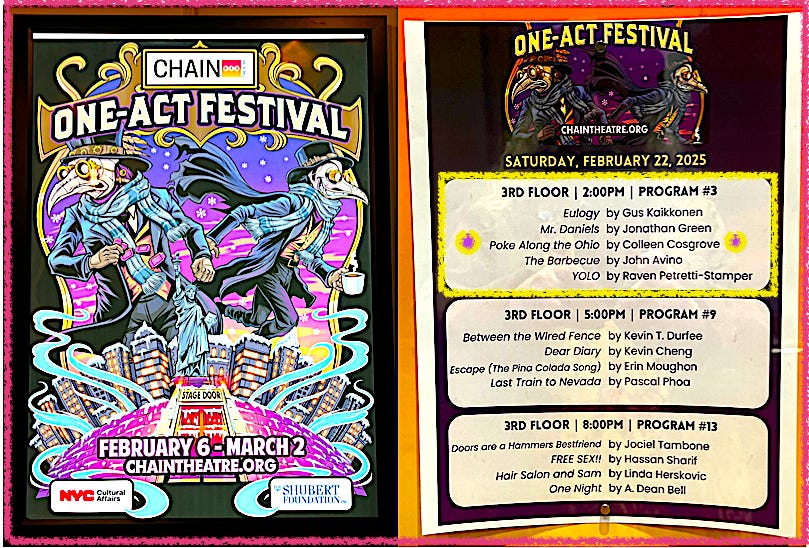
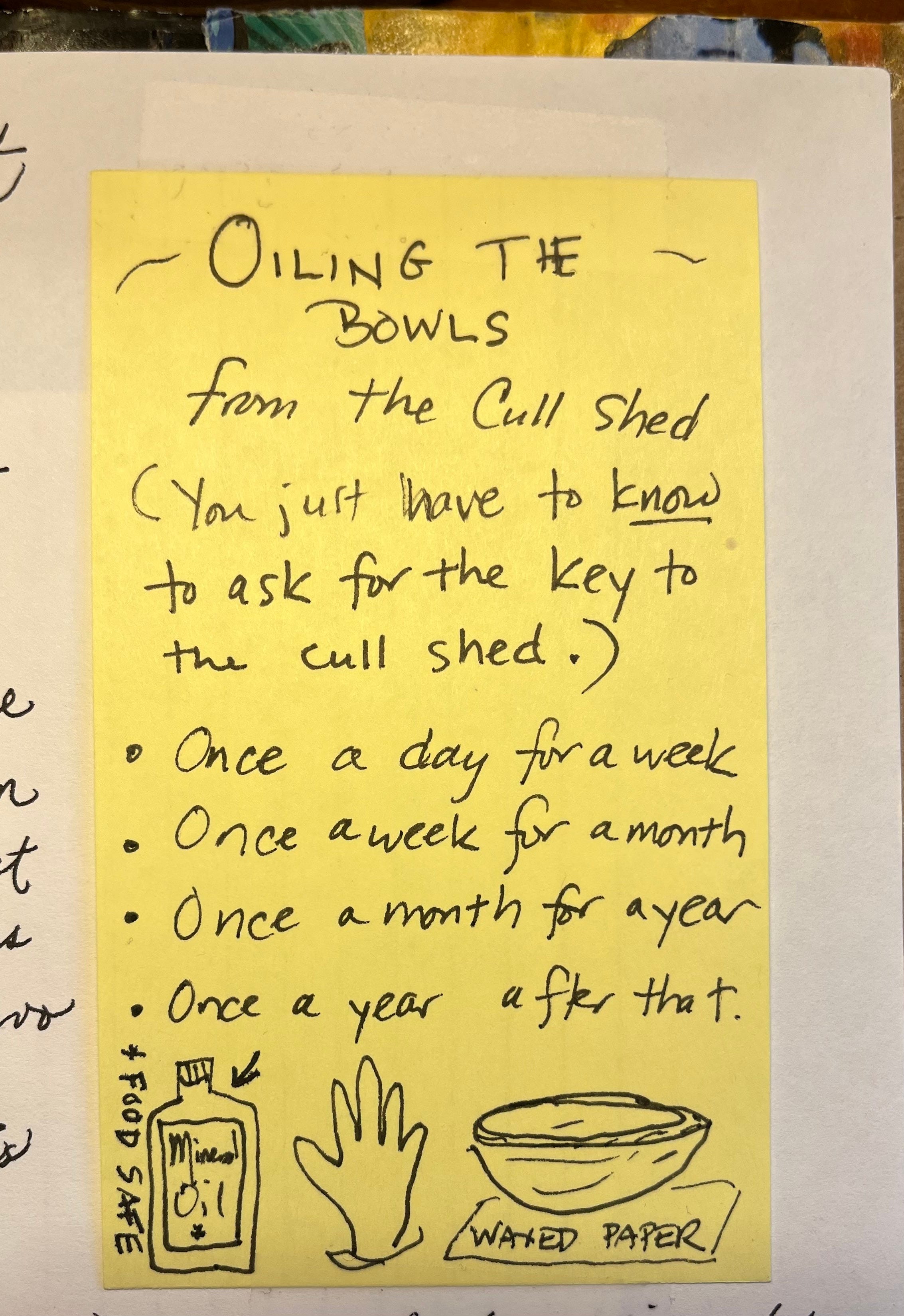
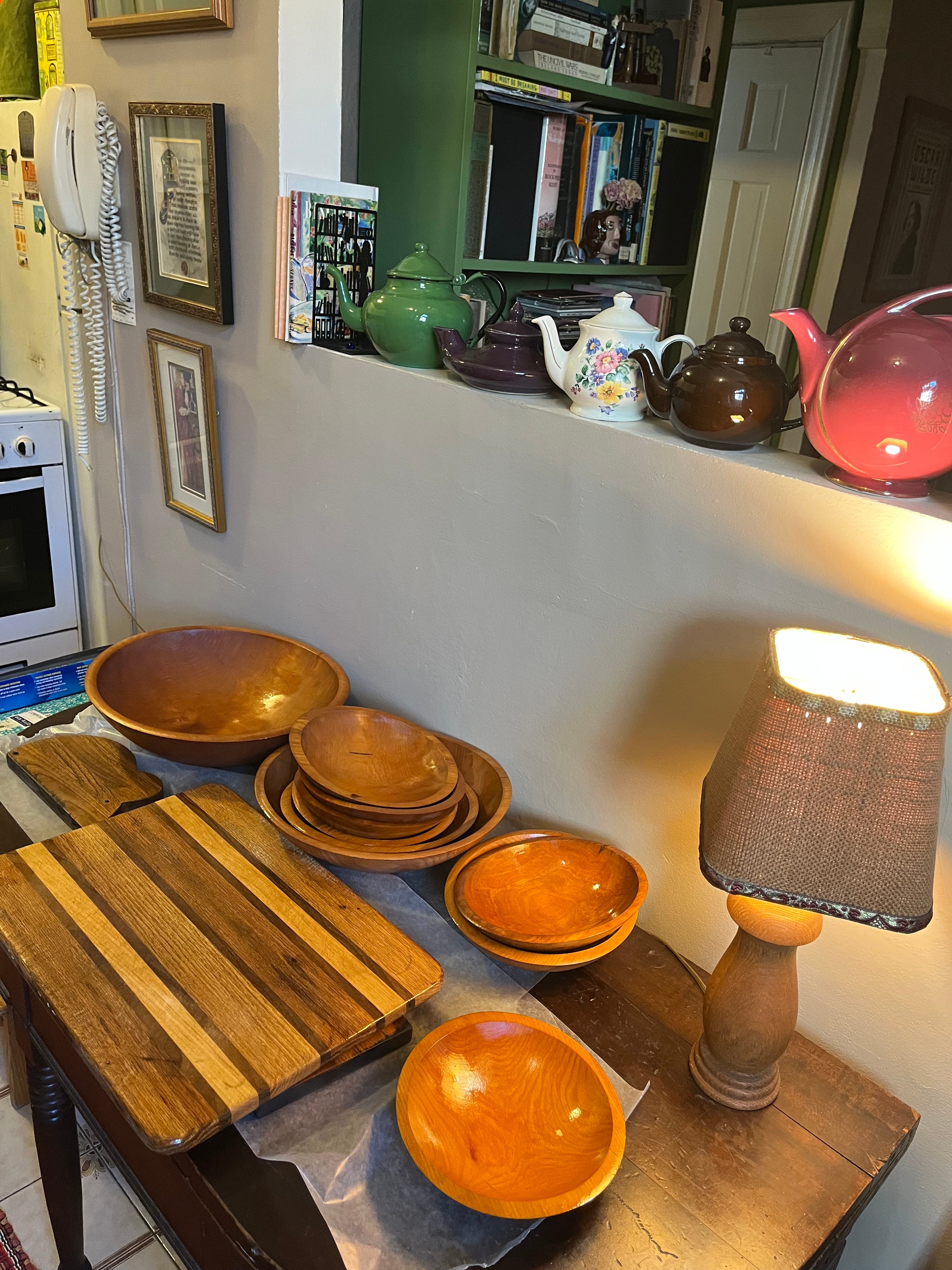


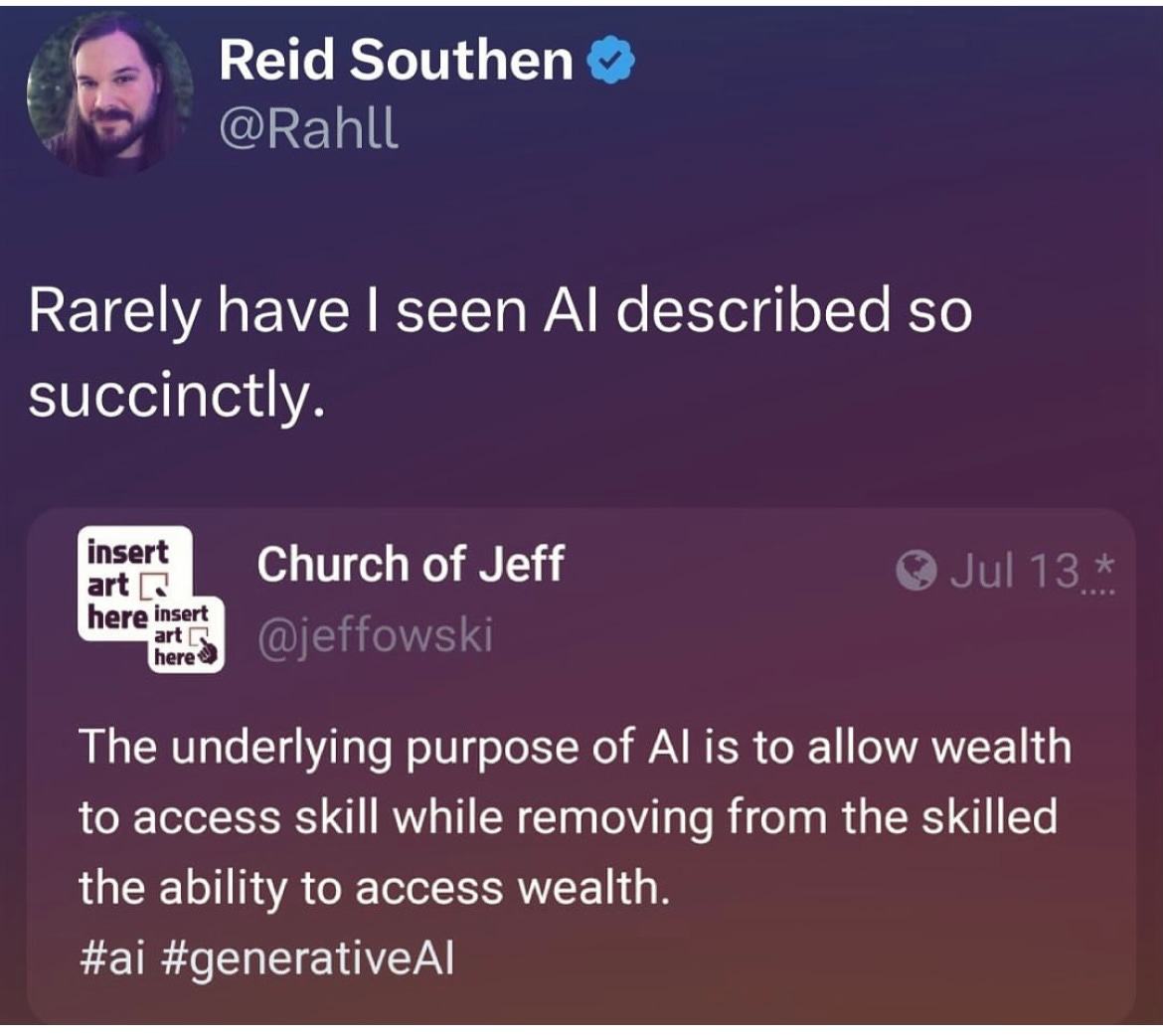
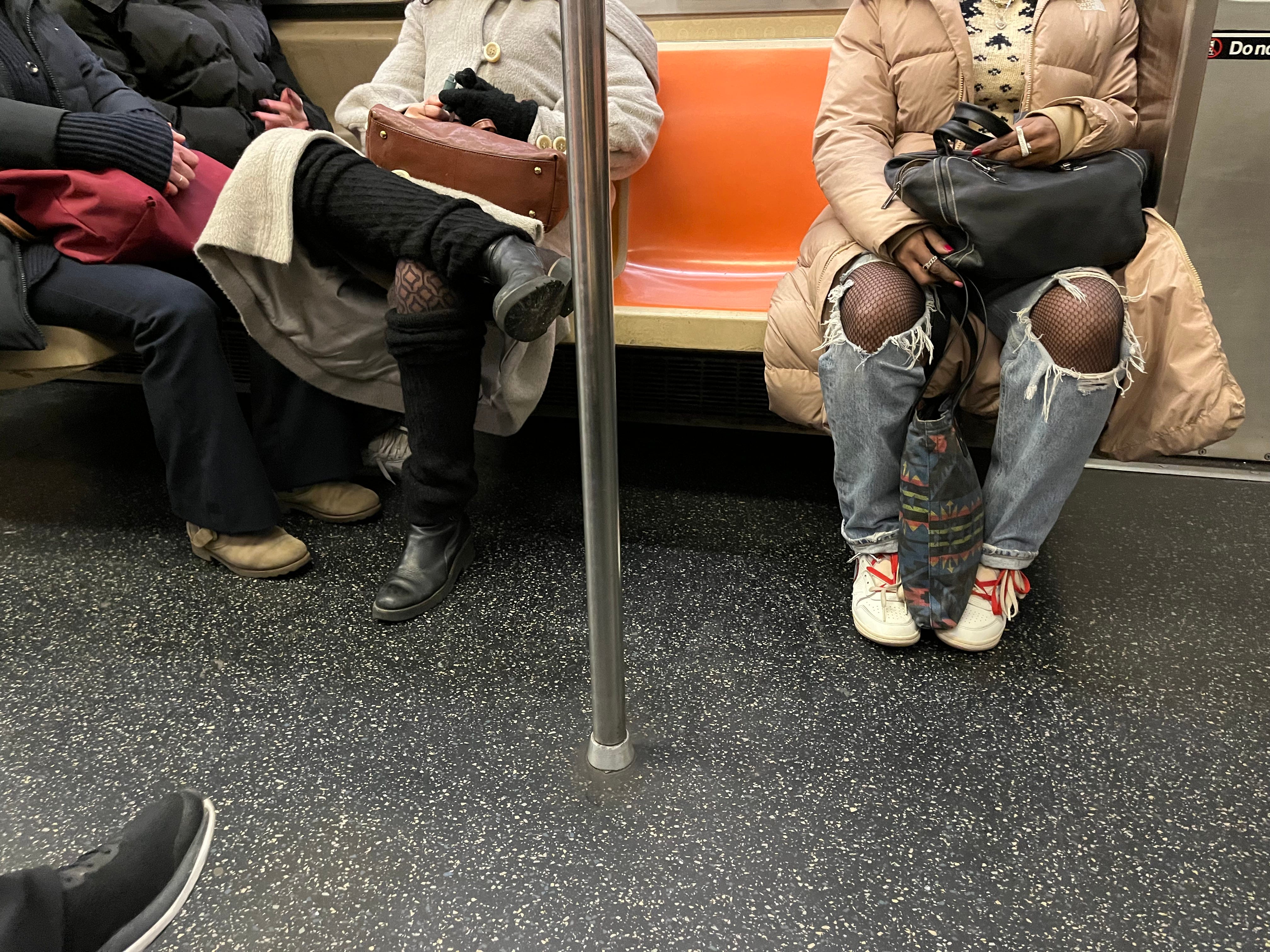
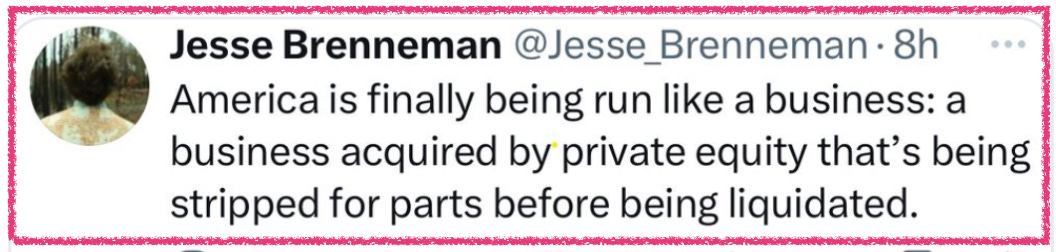
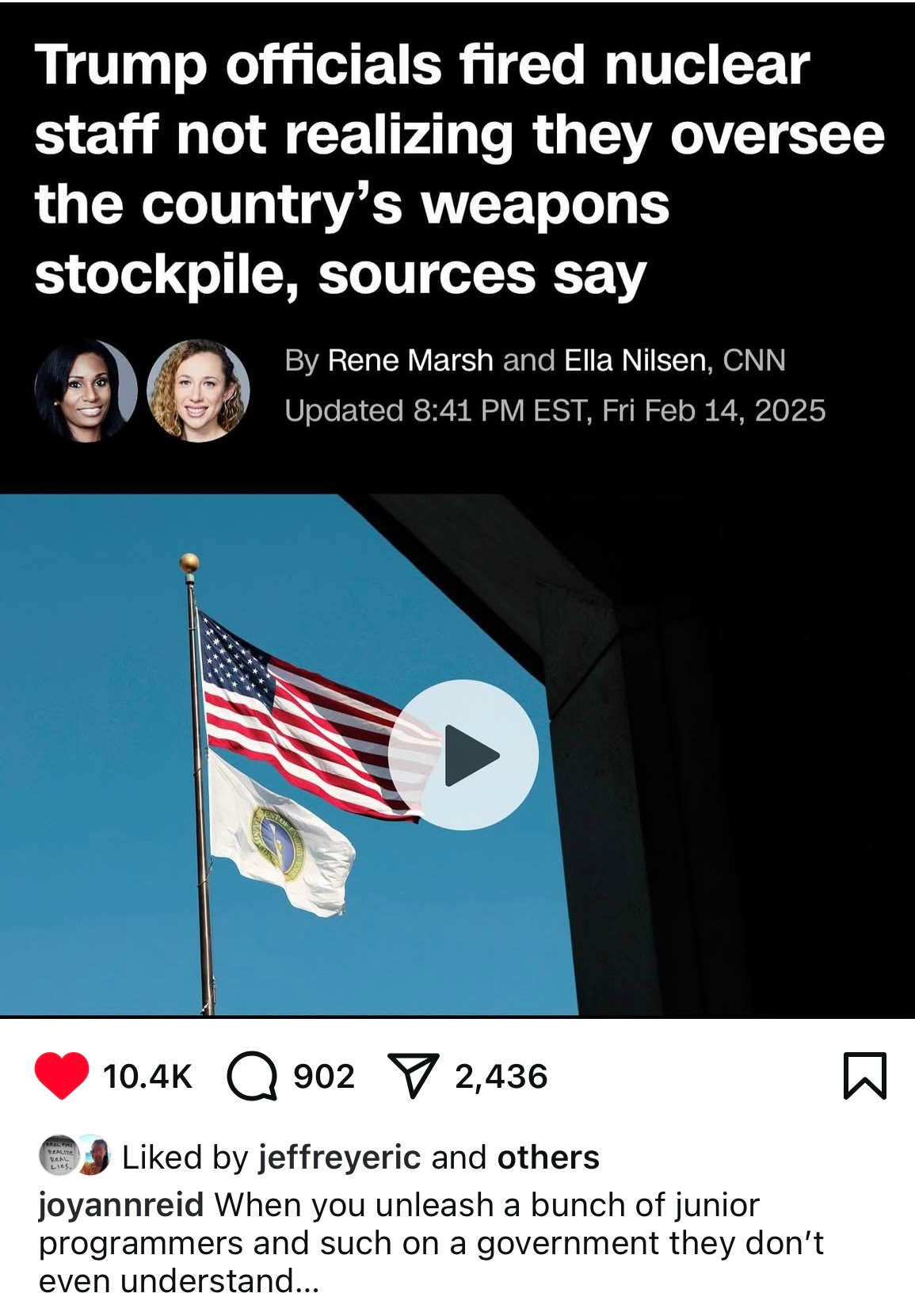
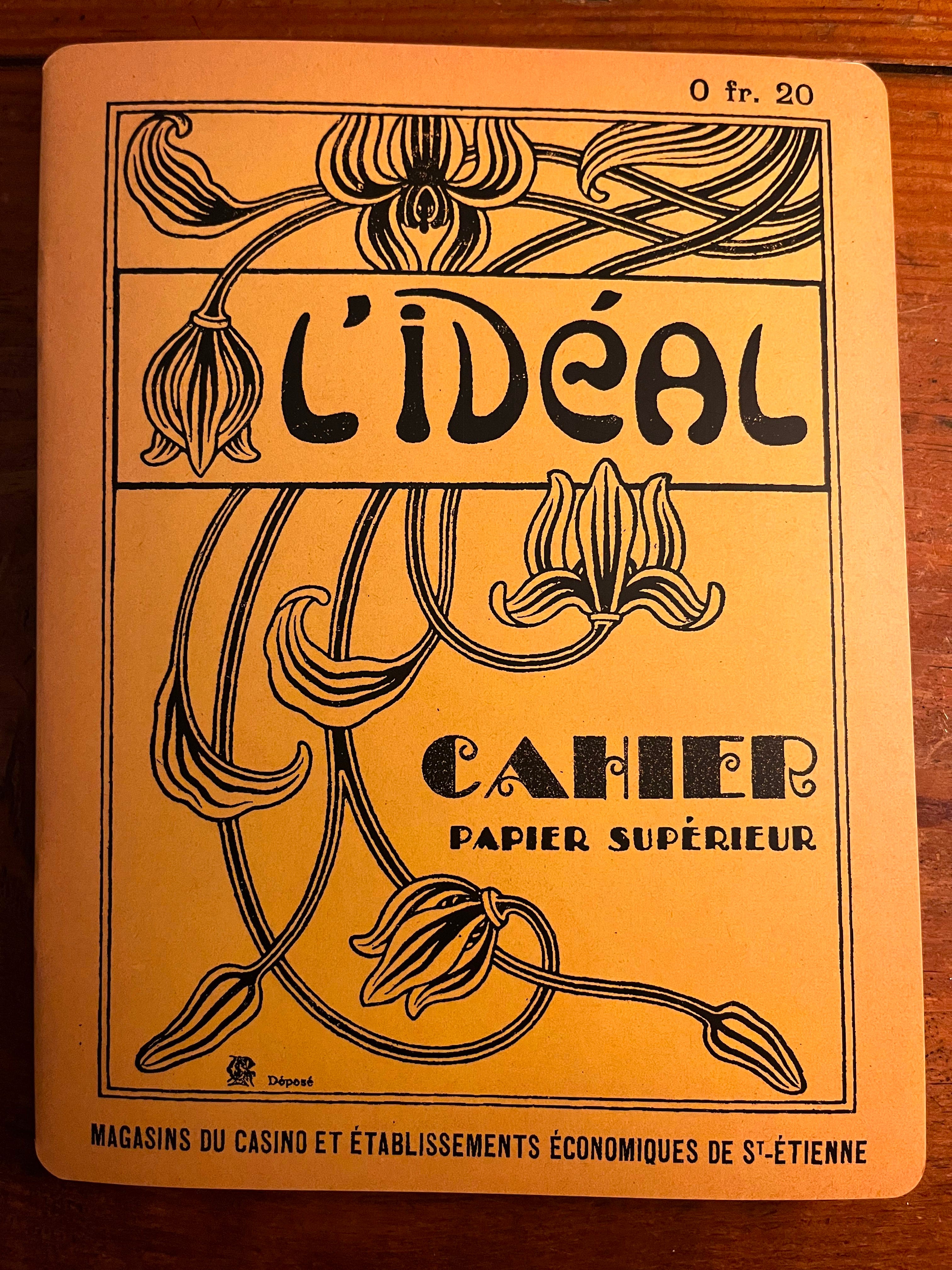
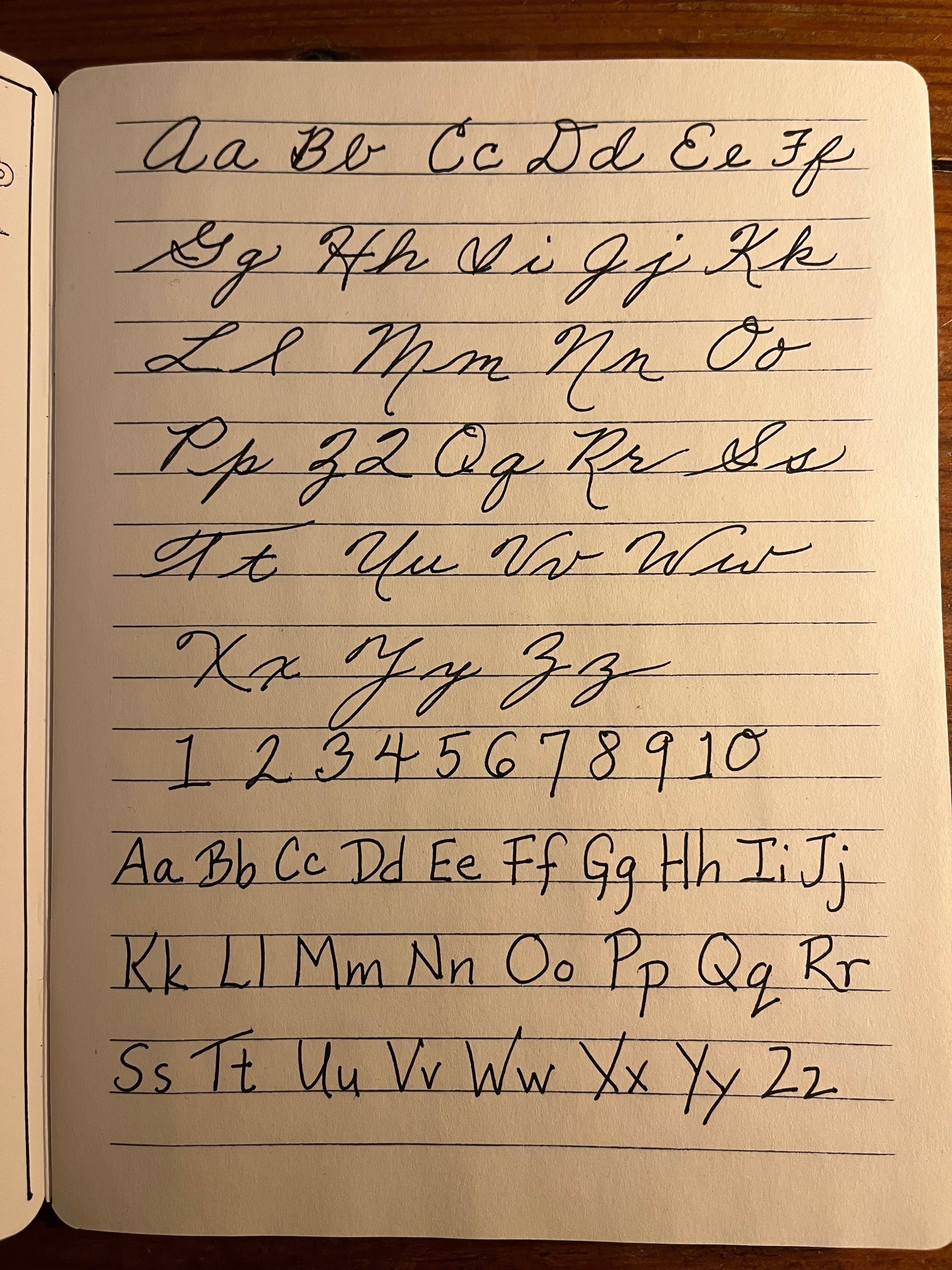


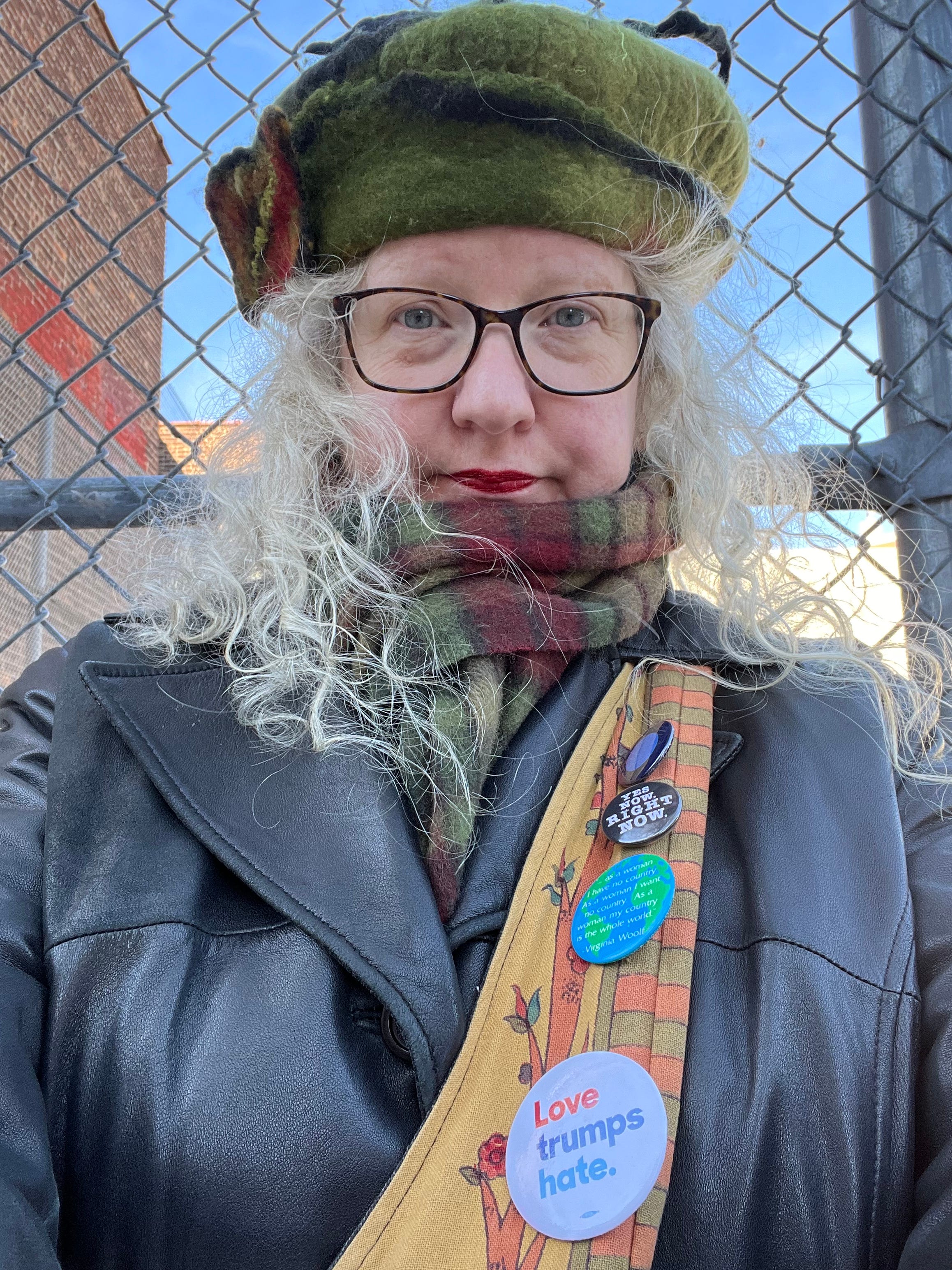
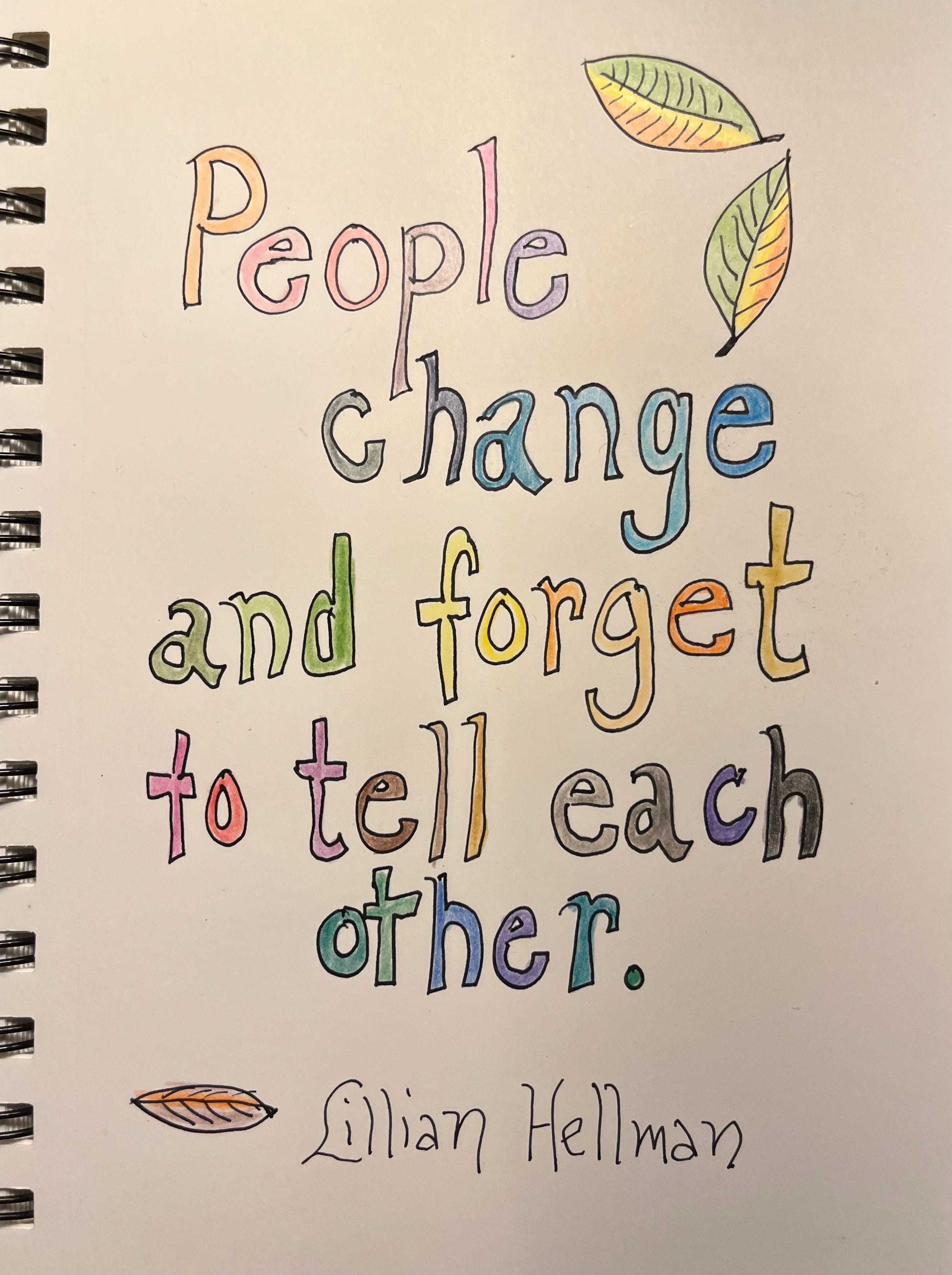
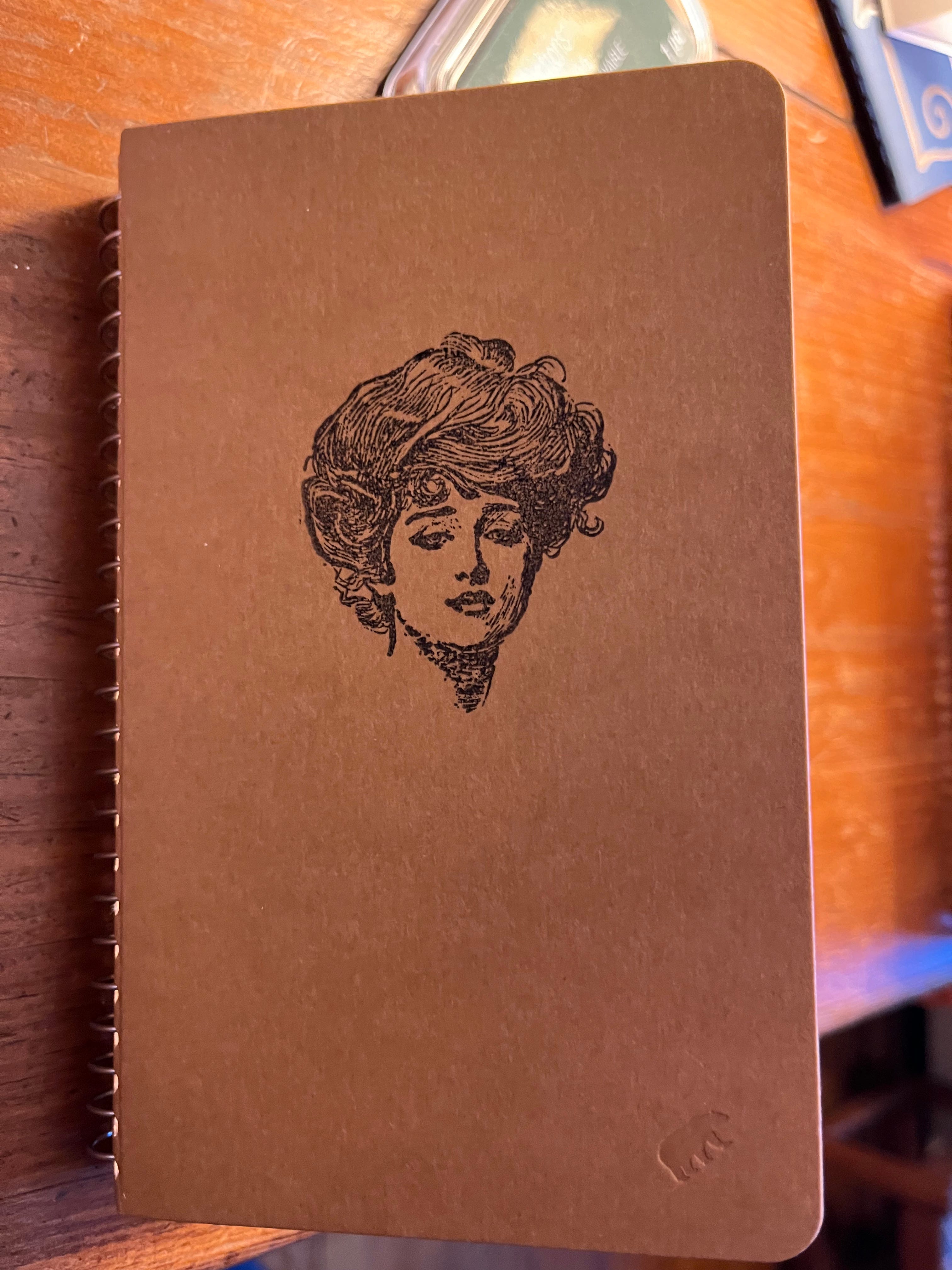
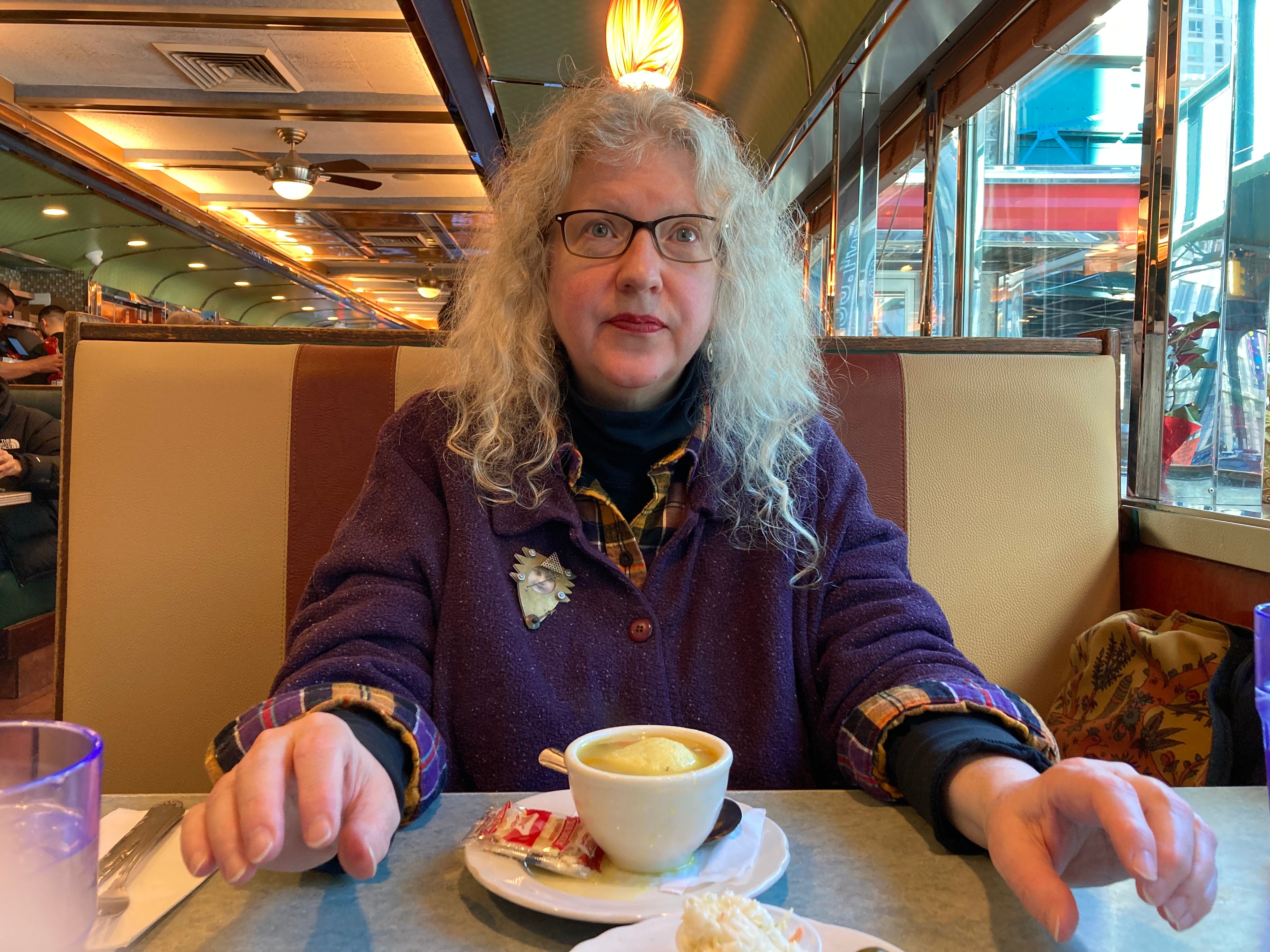
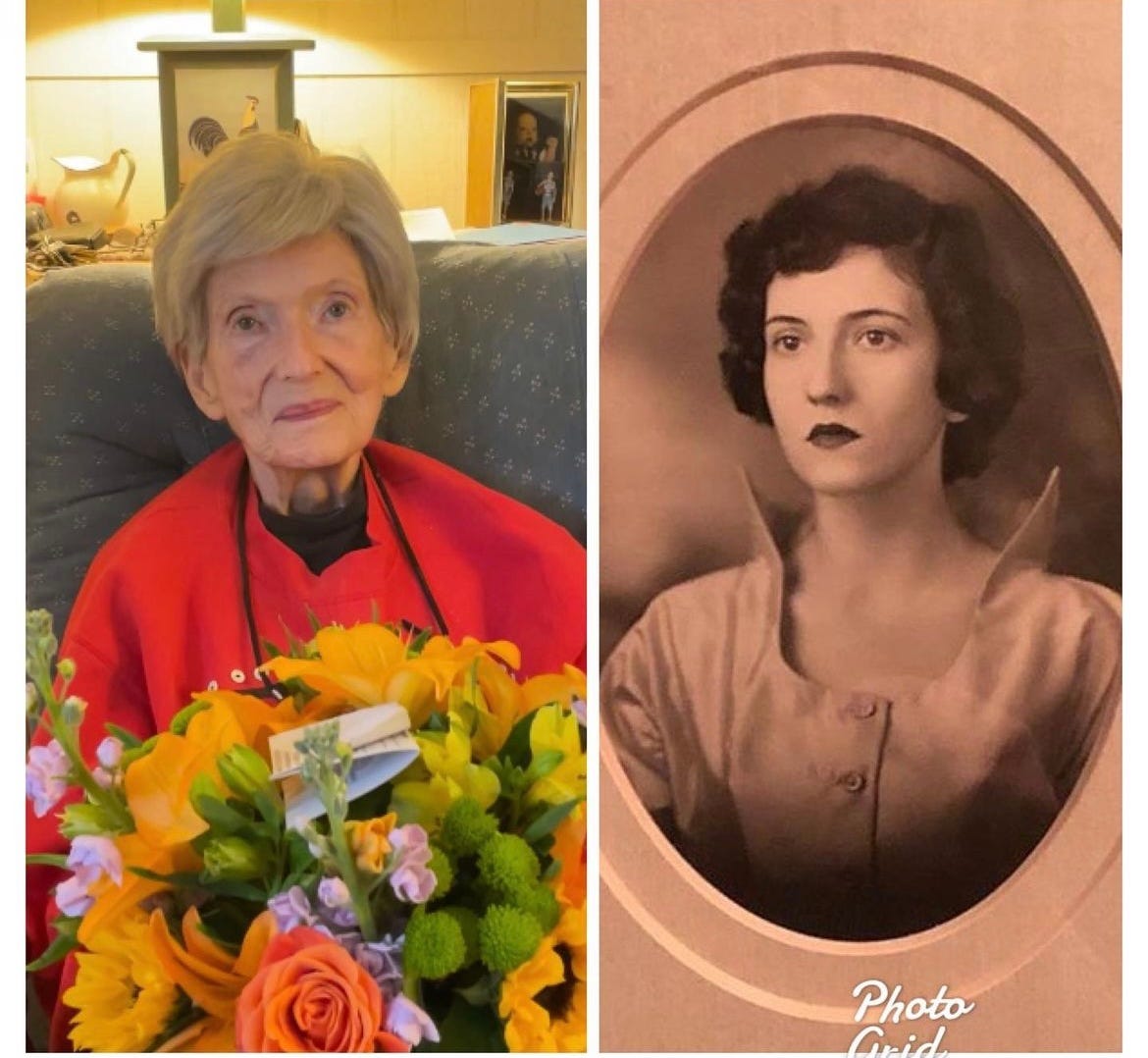
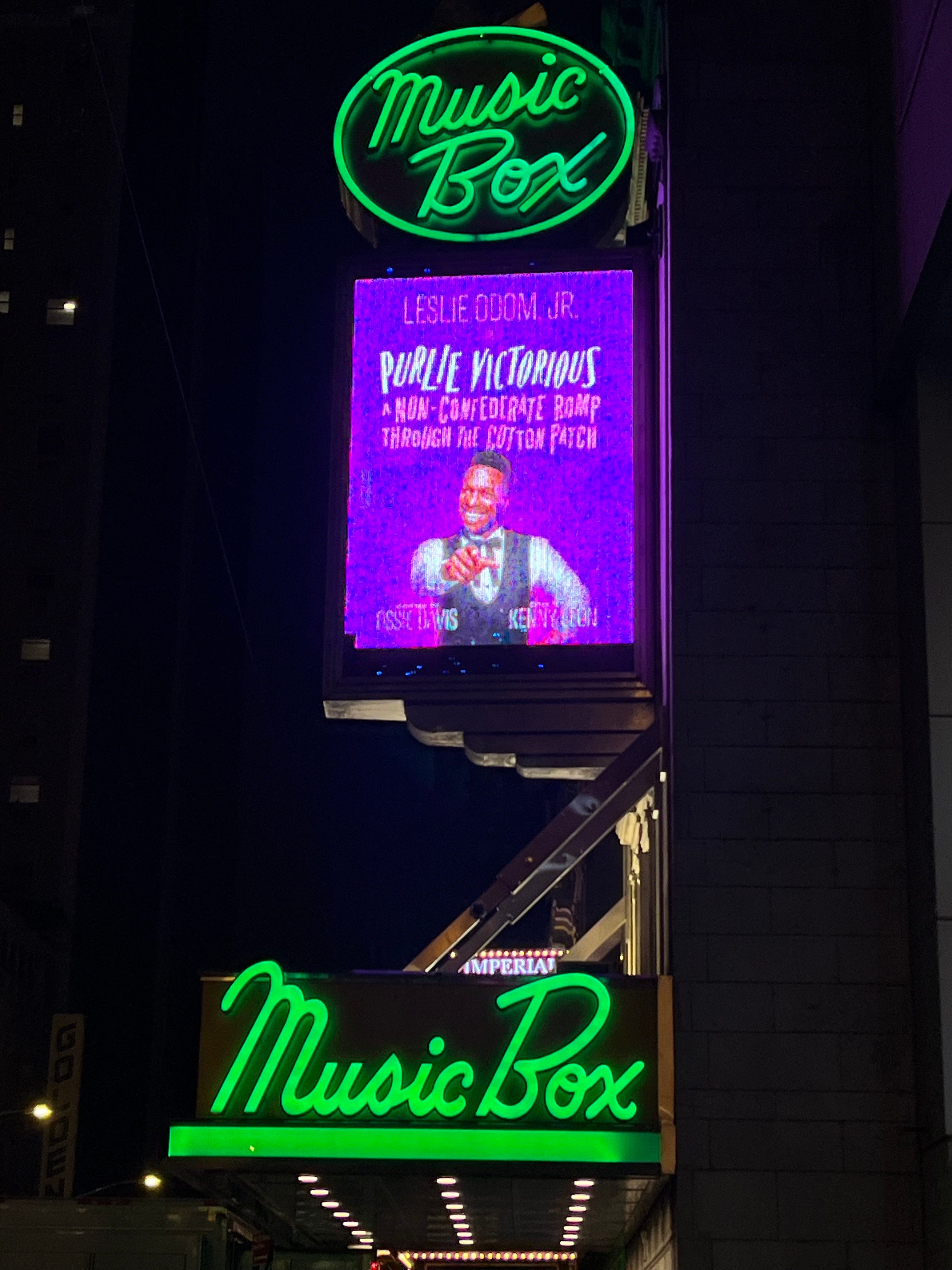
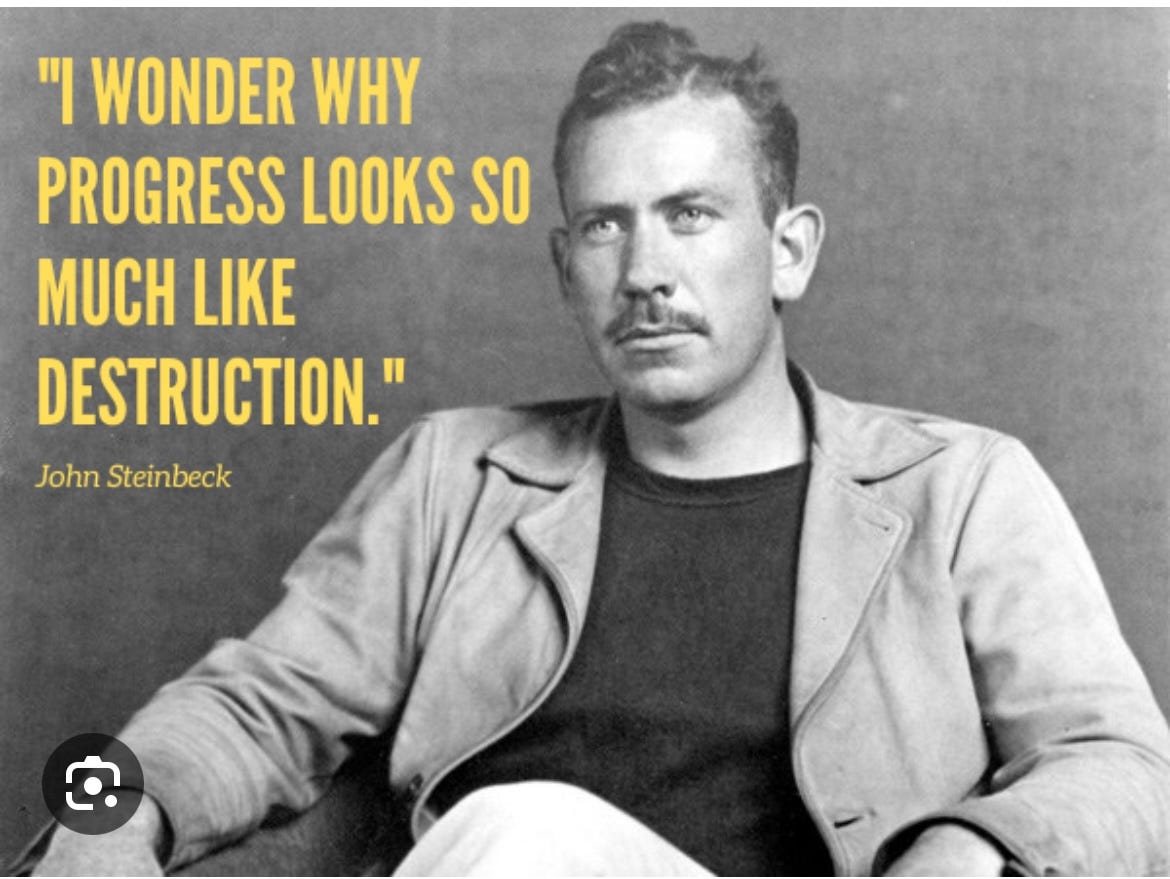

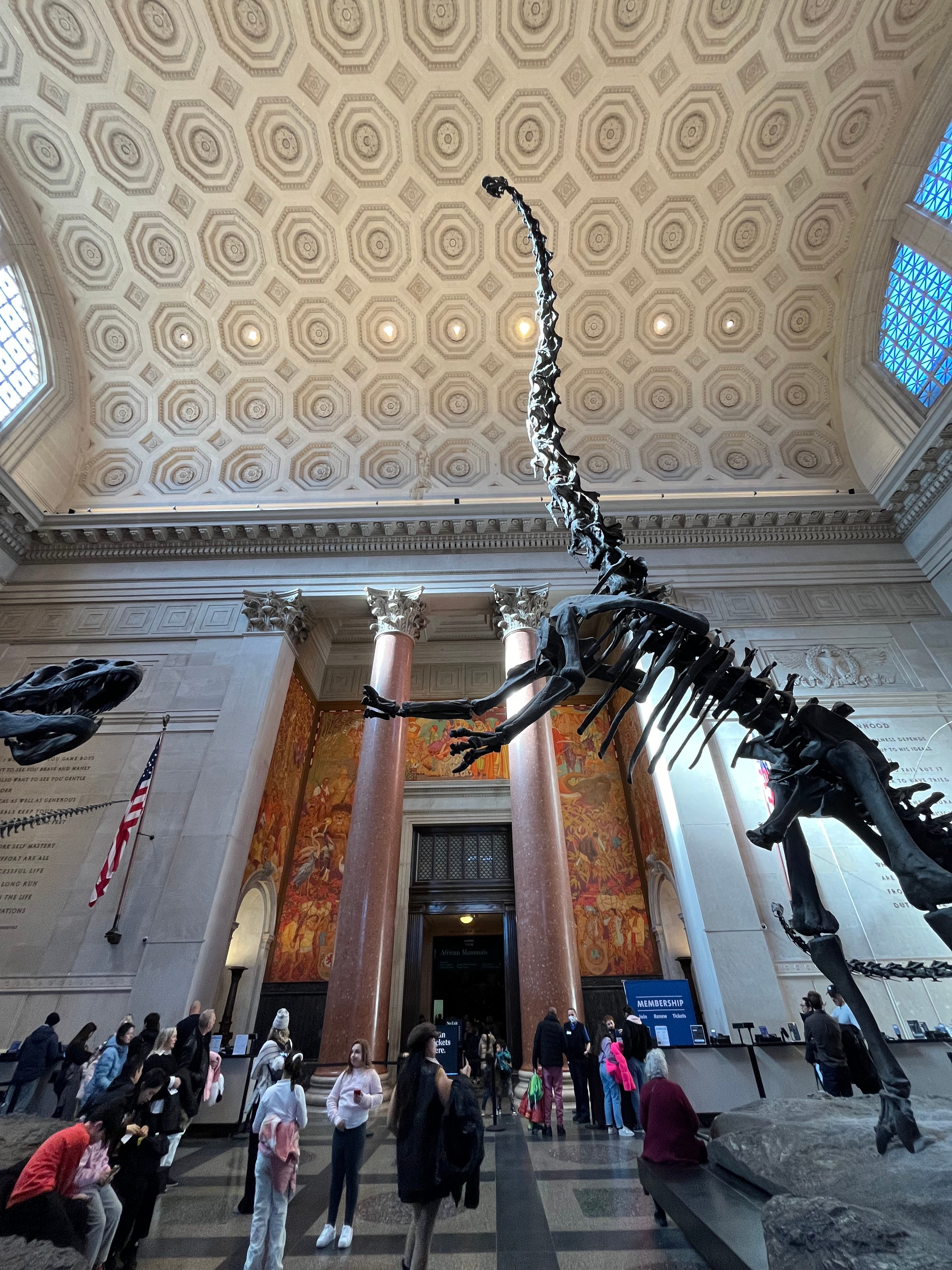
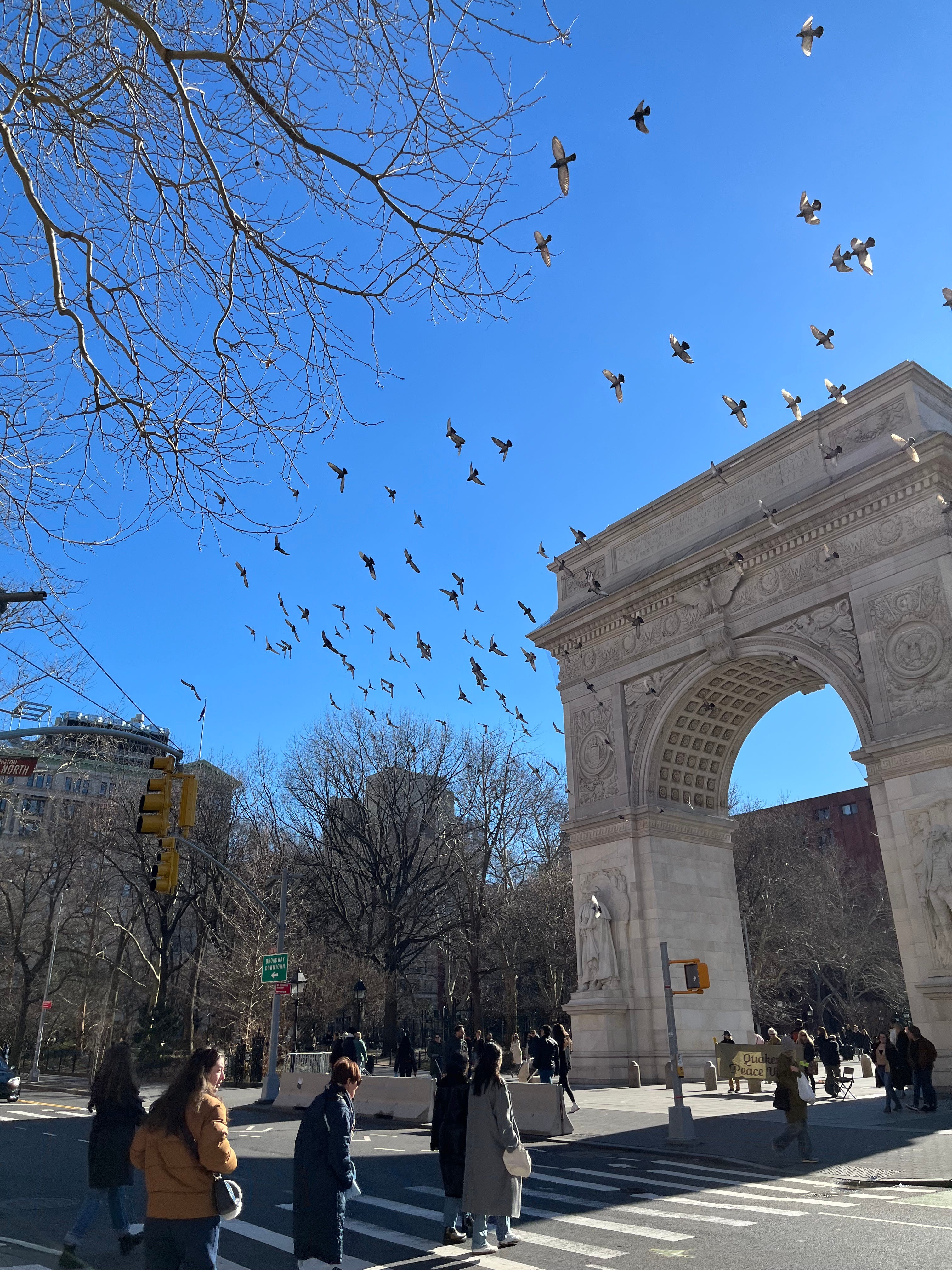
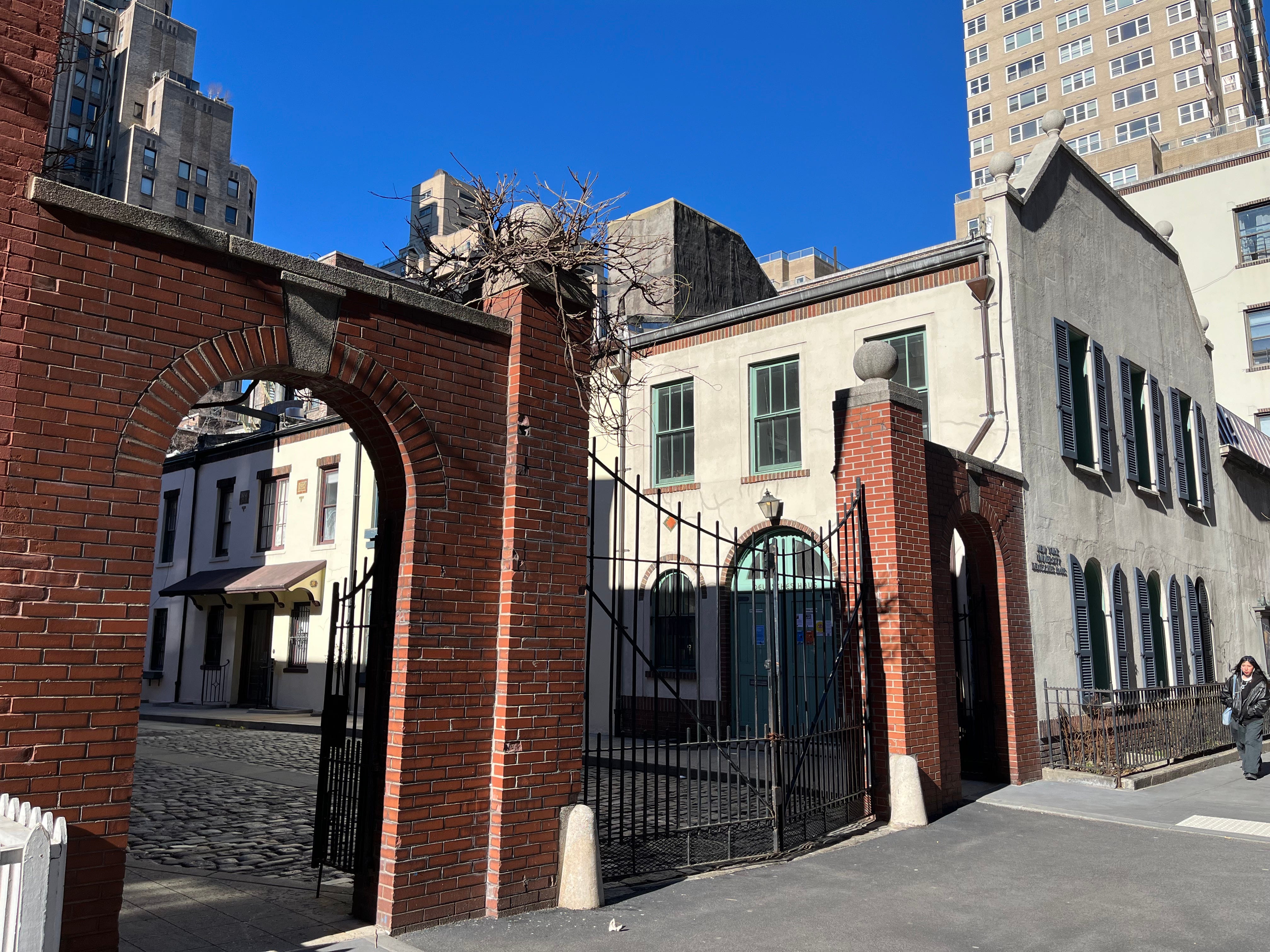


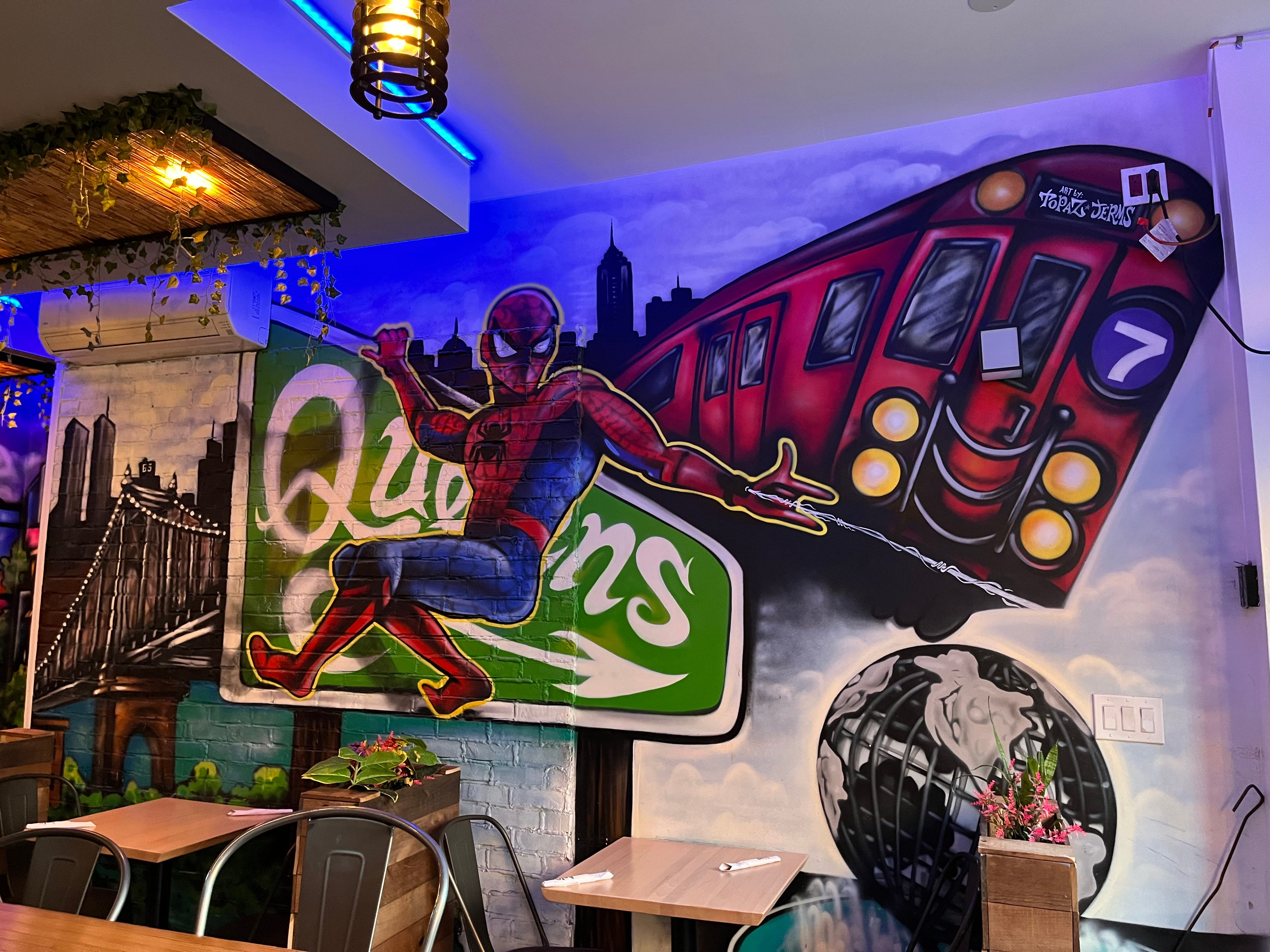
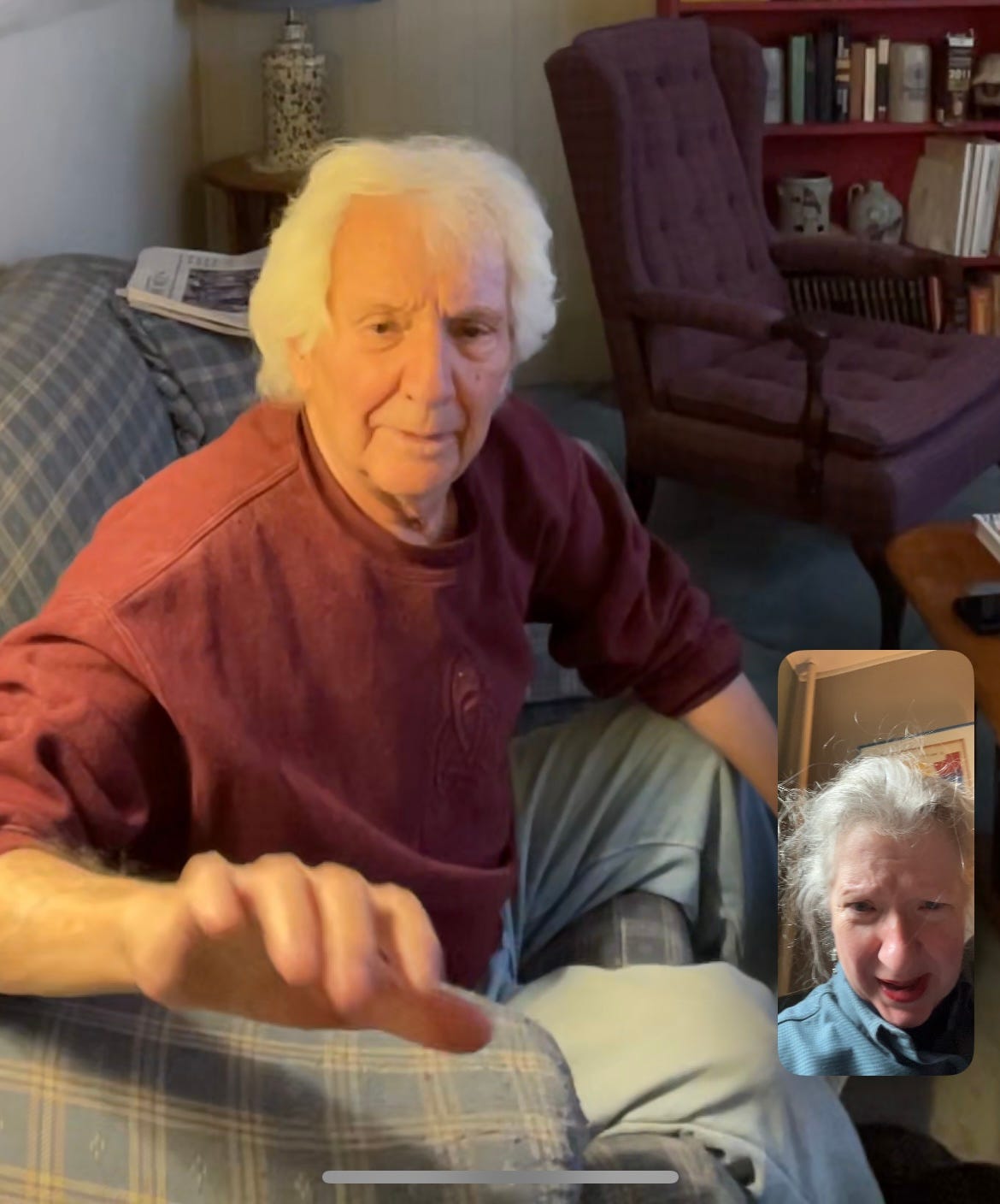

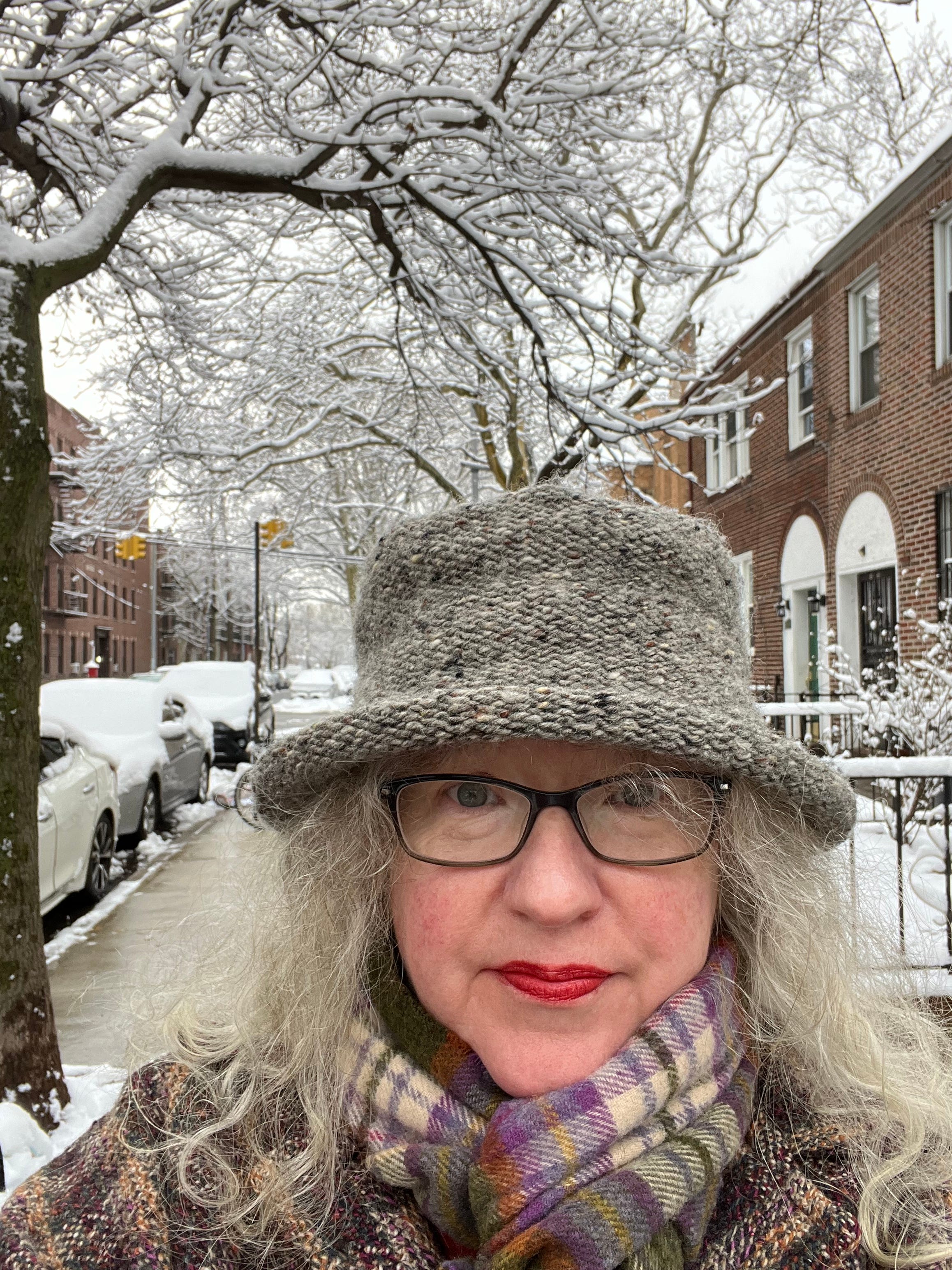
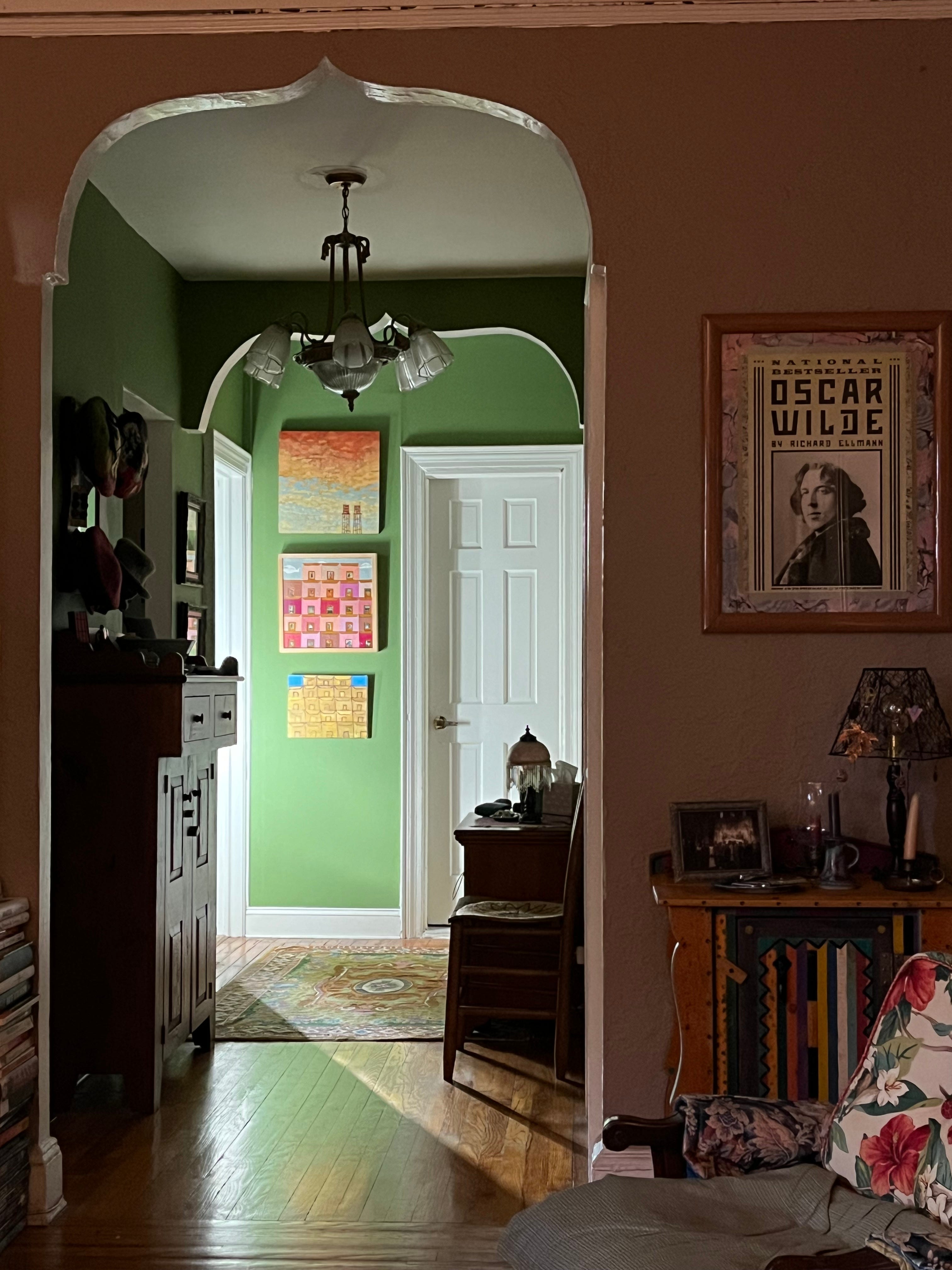
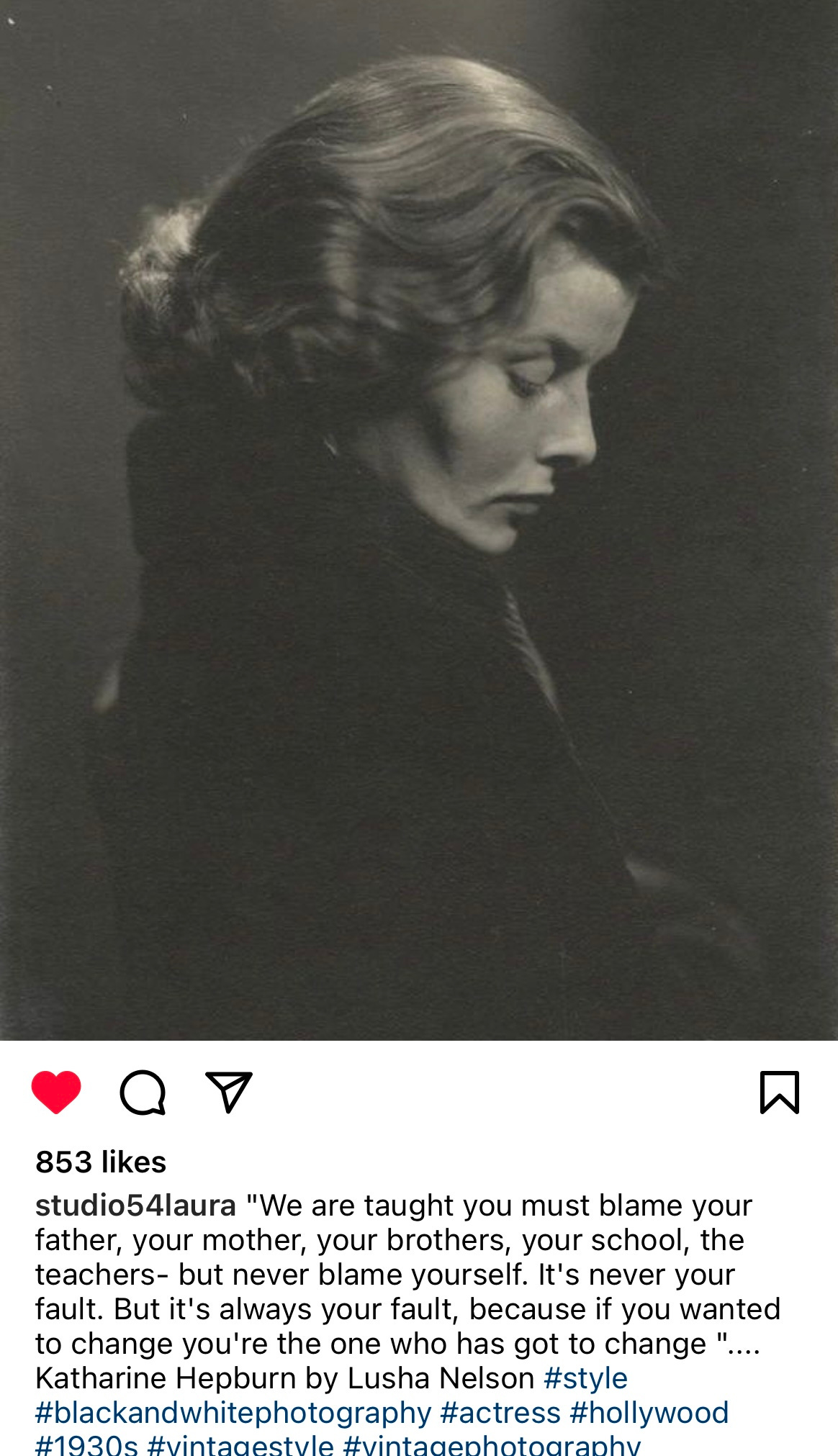
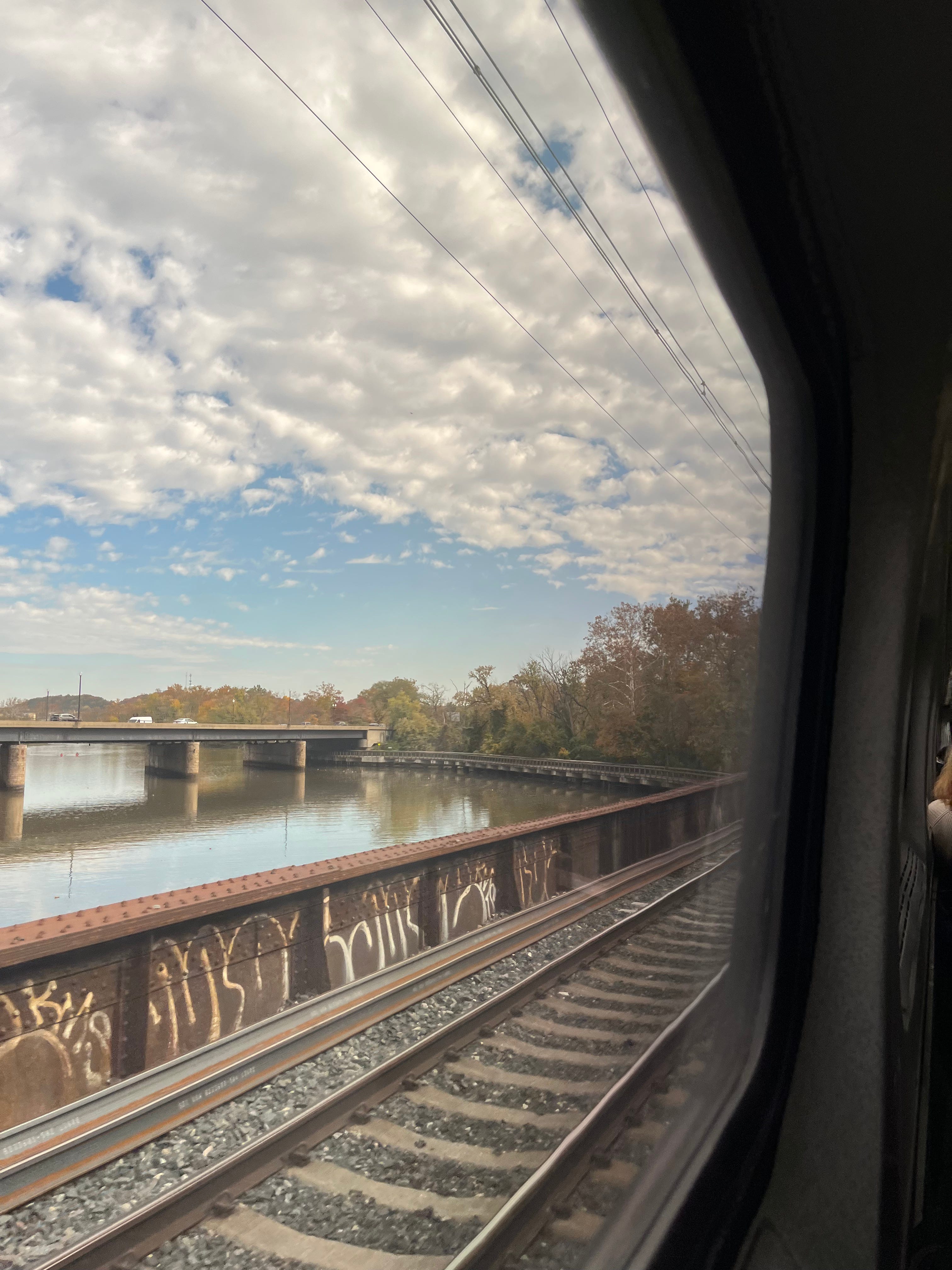
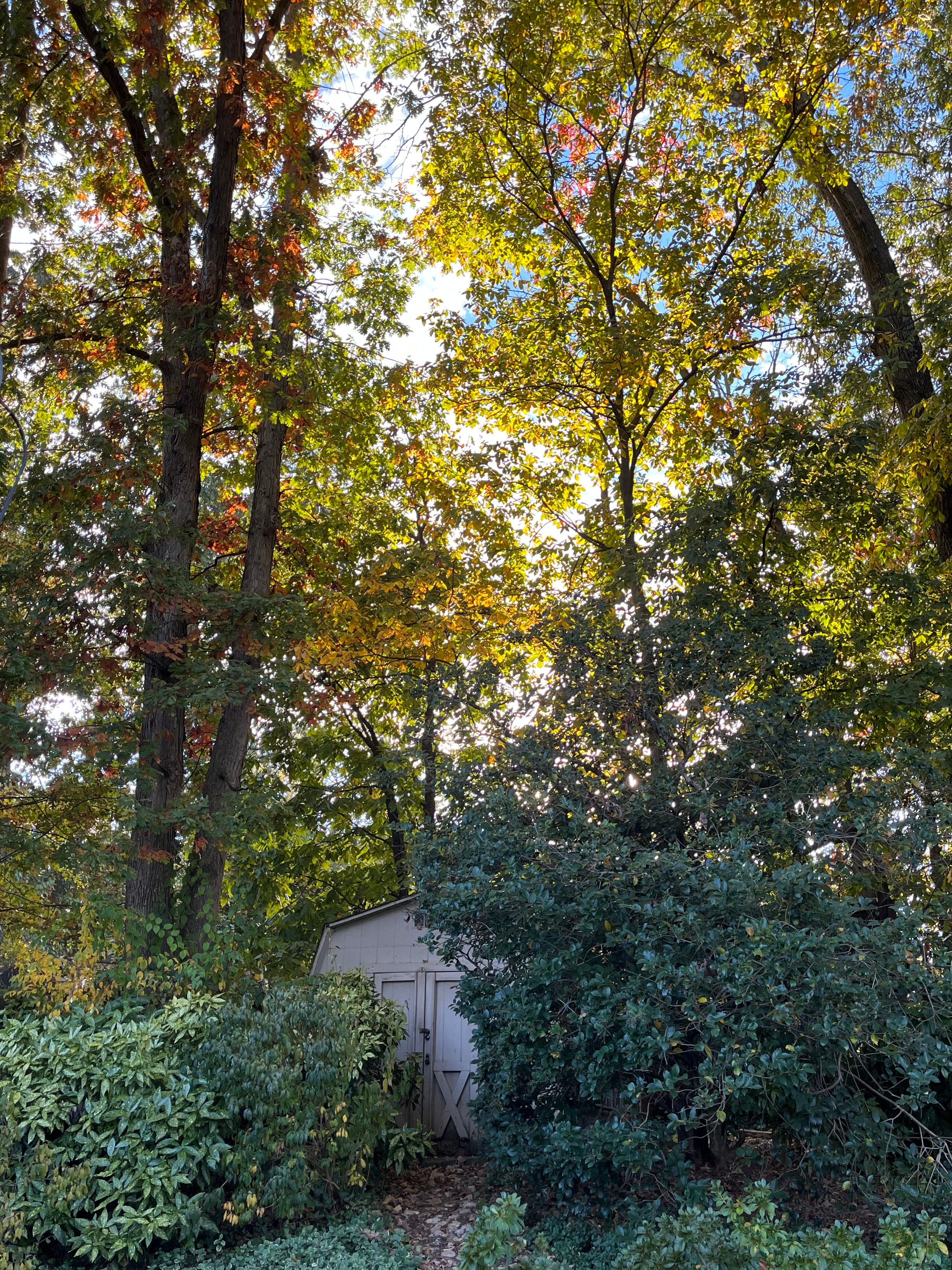

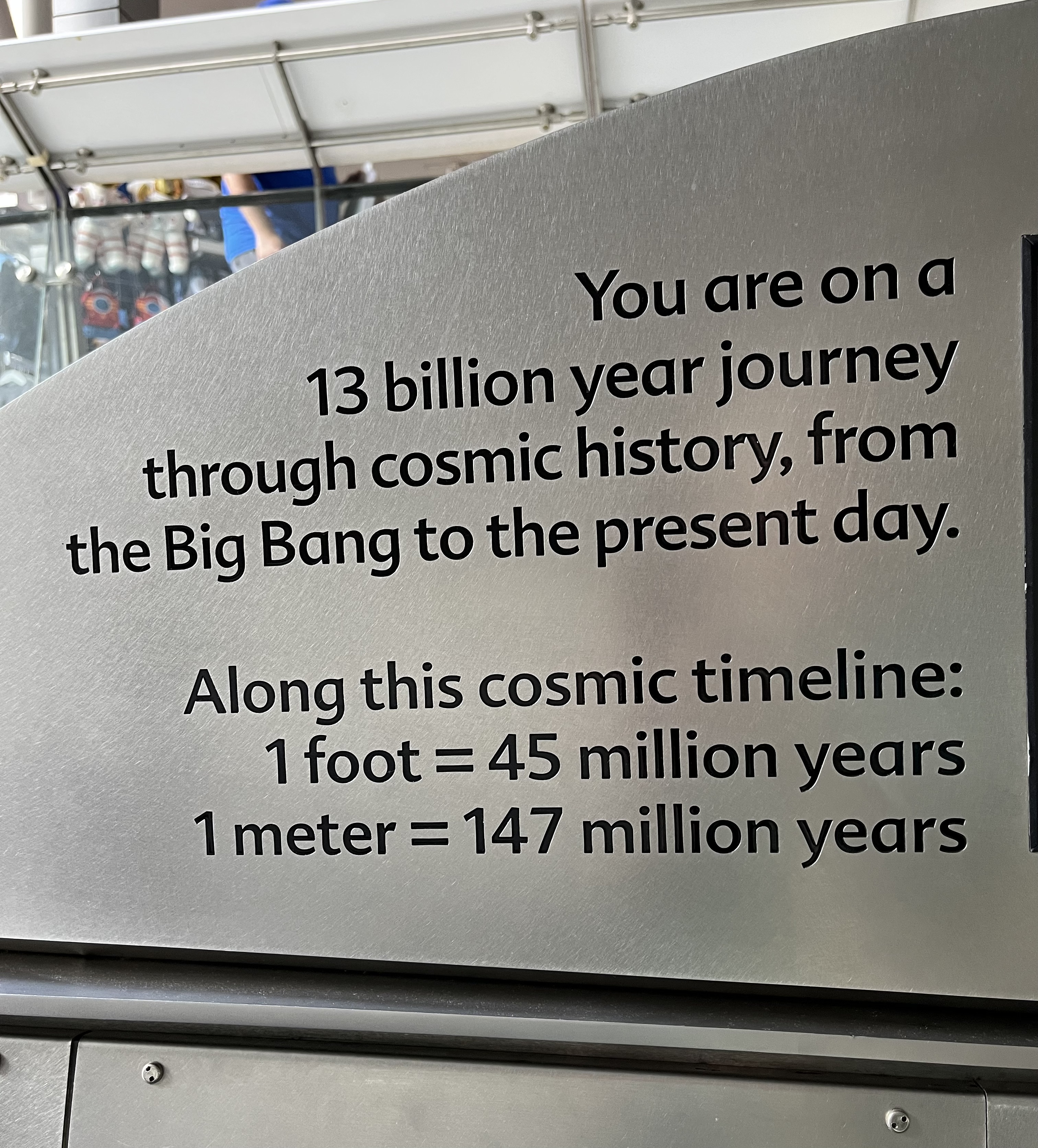
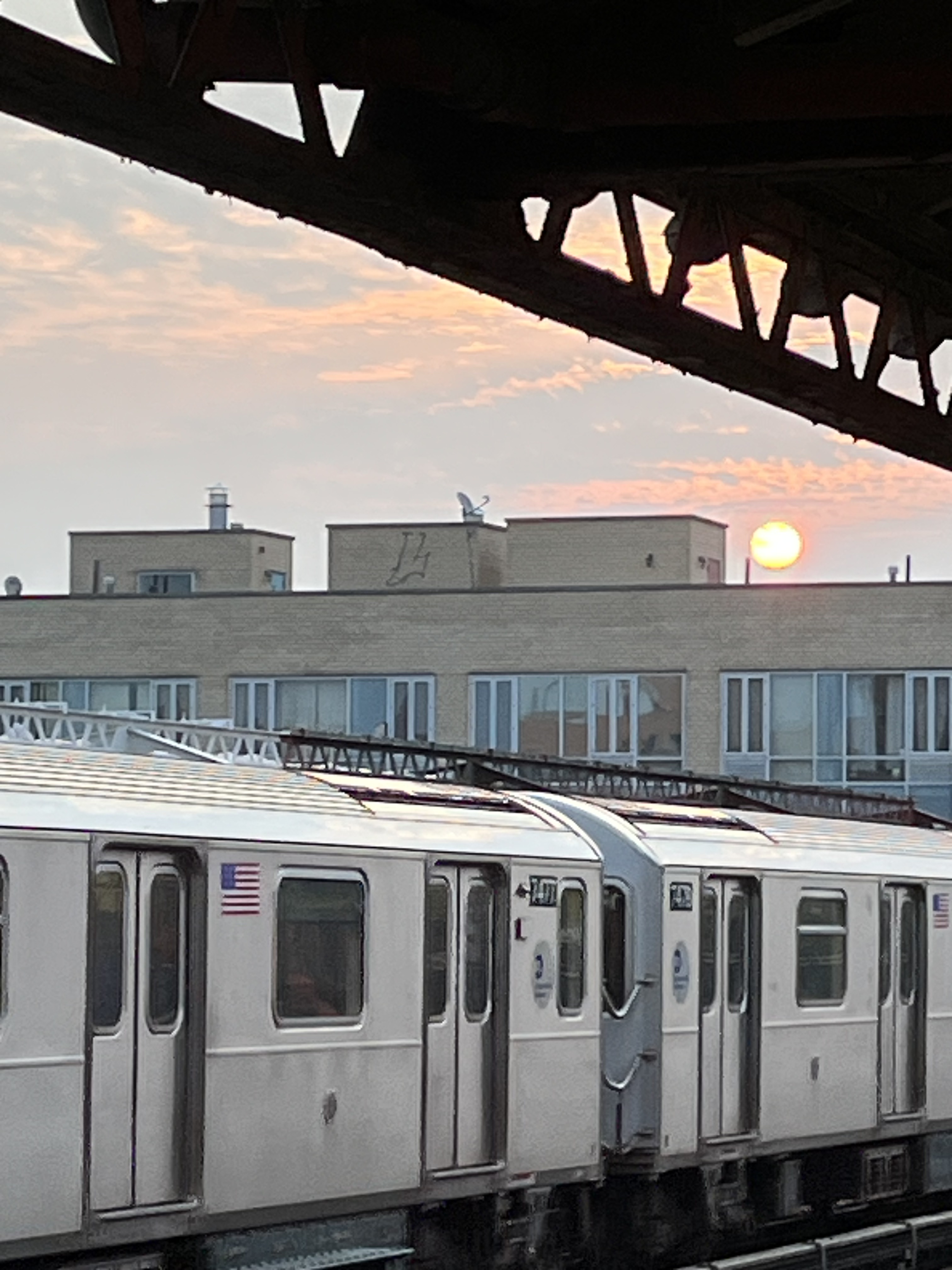


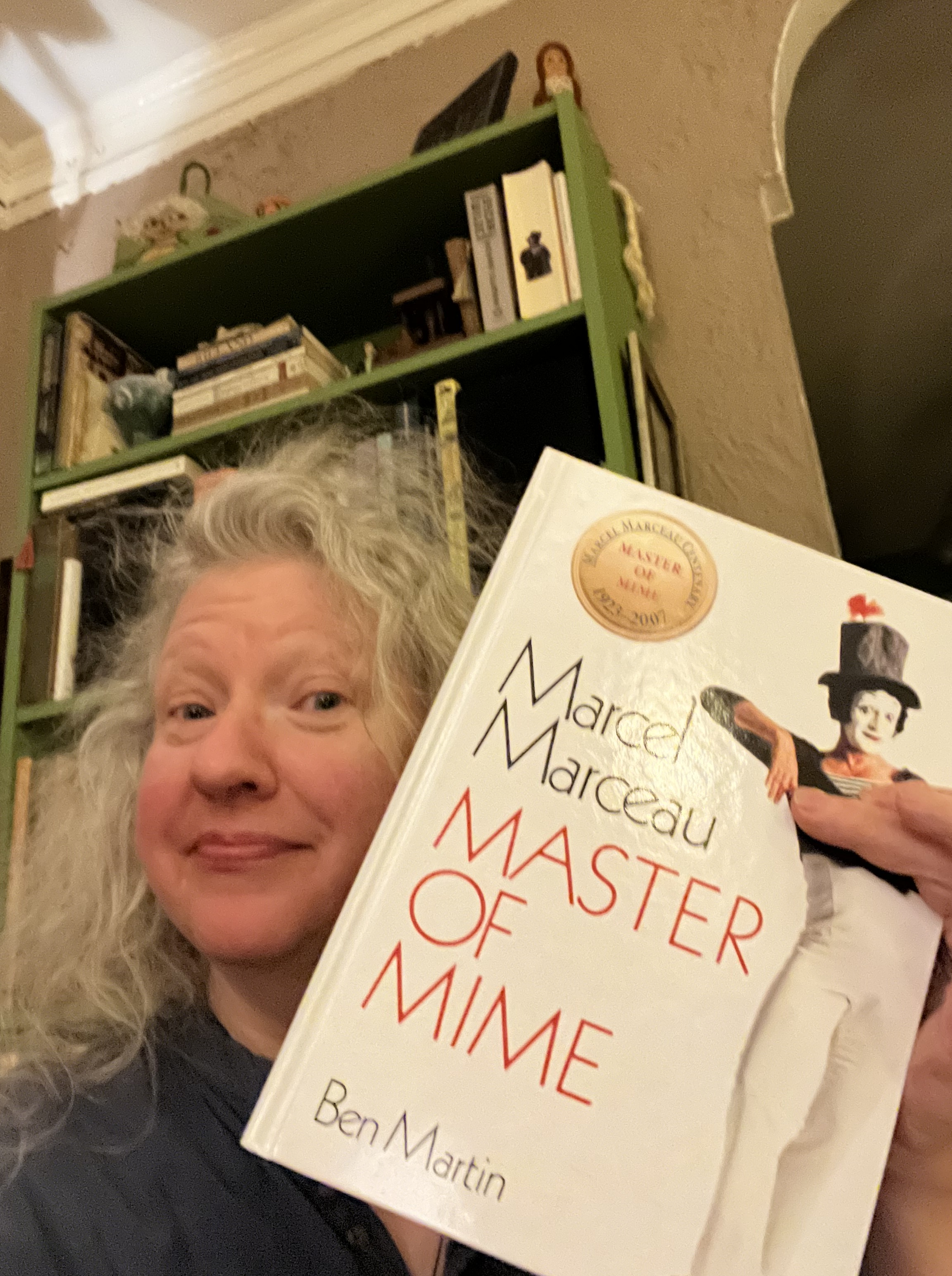


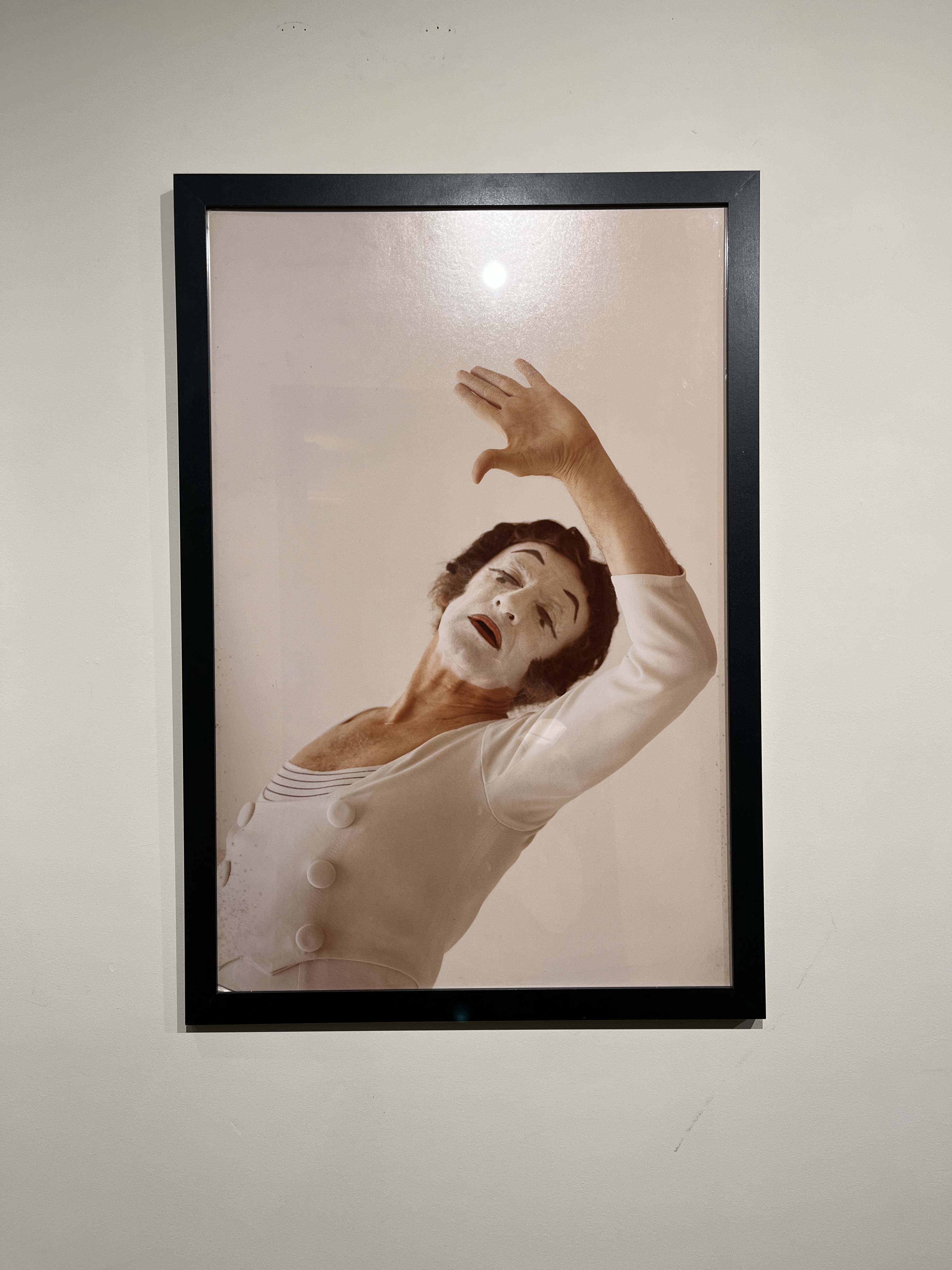


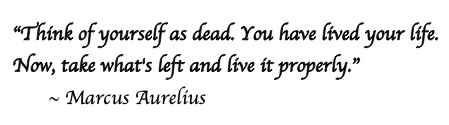
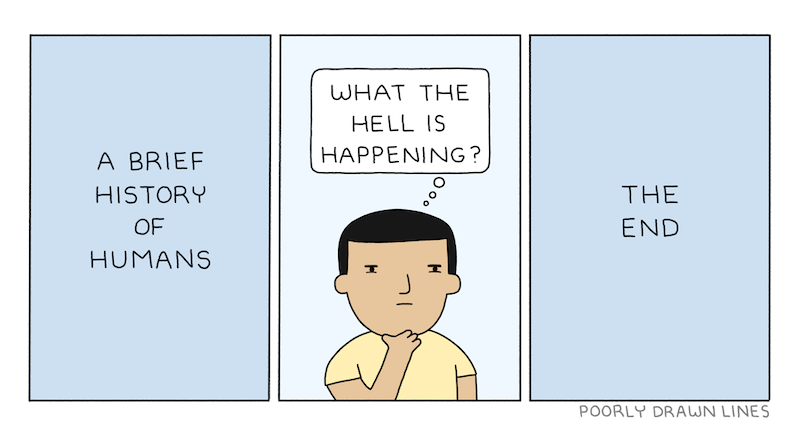

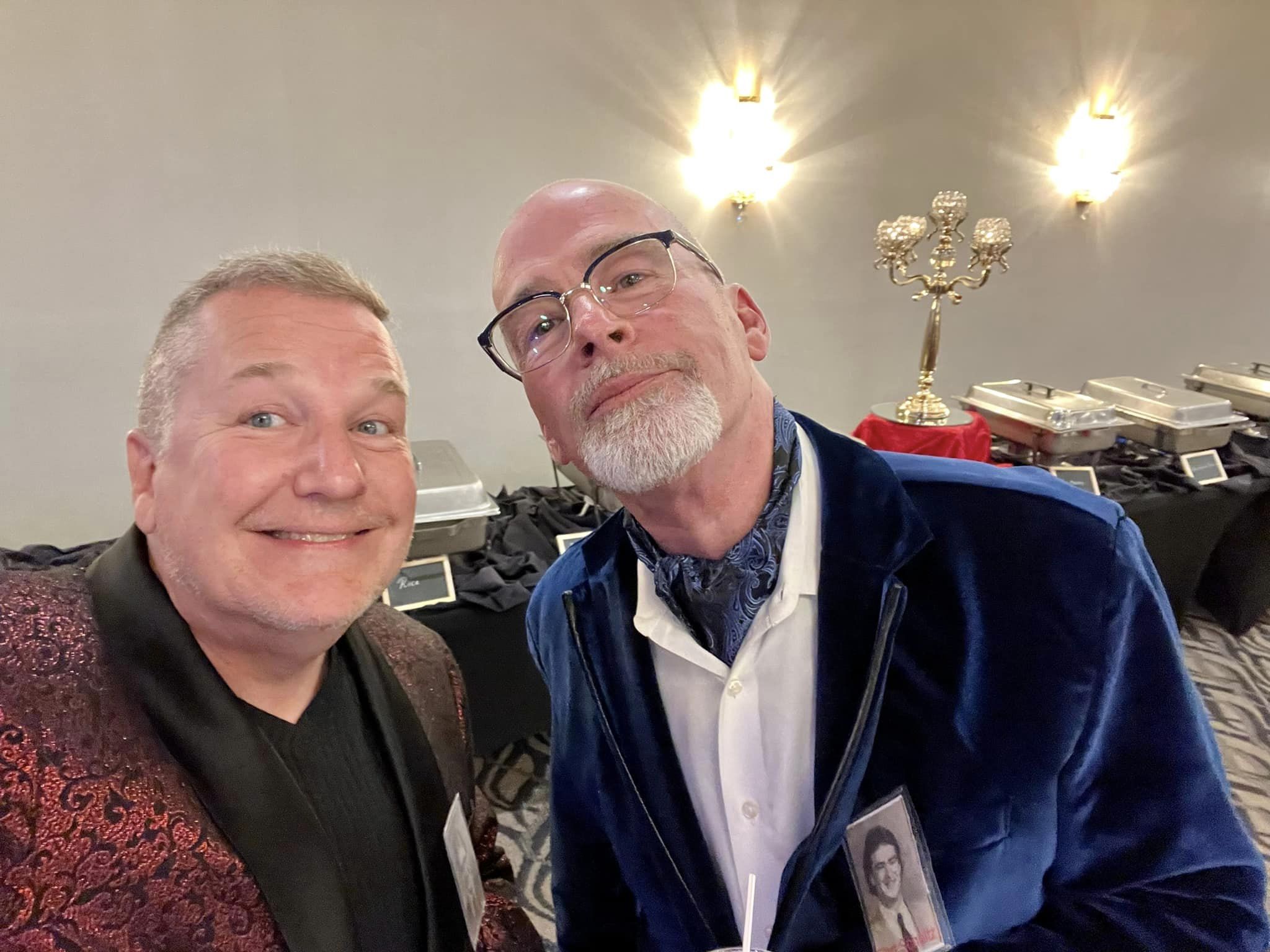


 The Miss O' Show (Teacher's Edition)