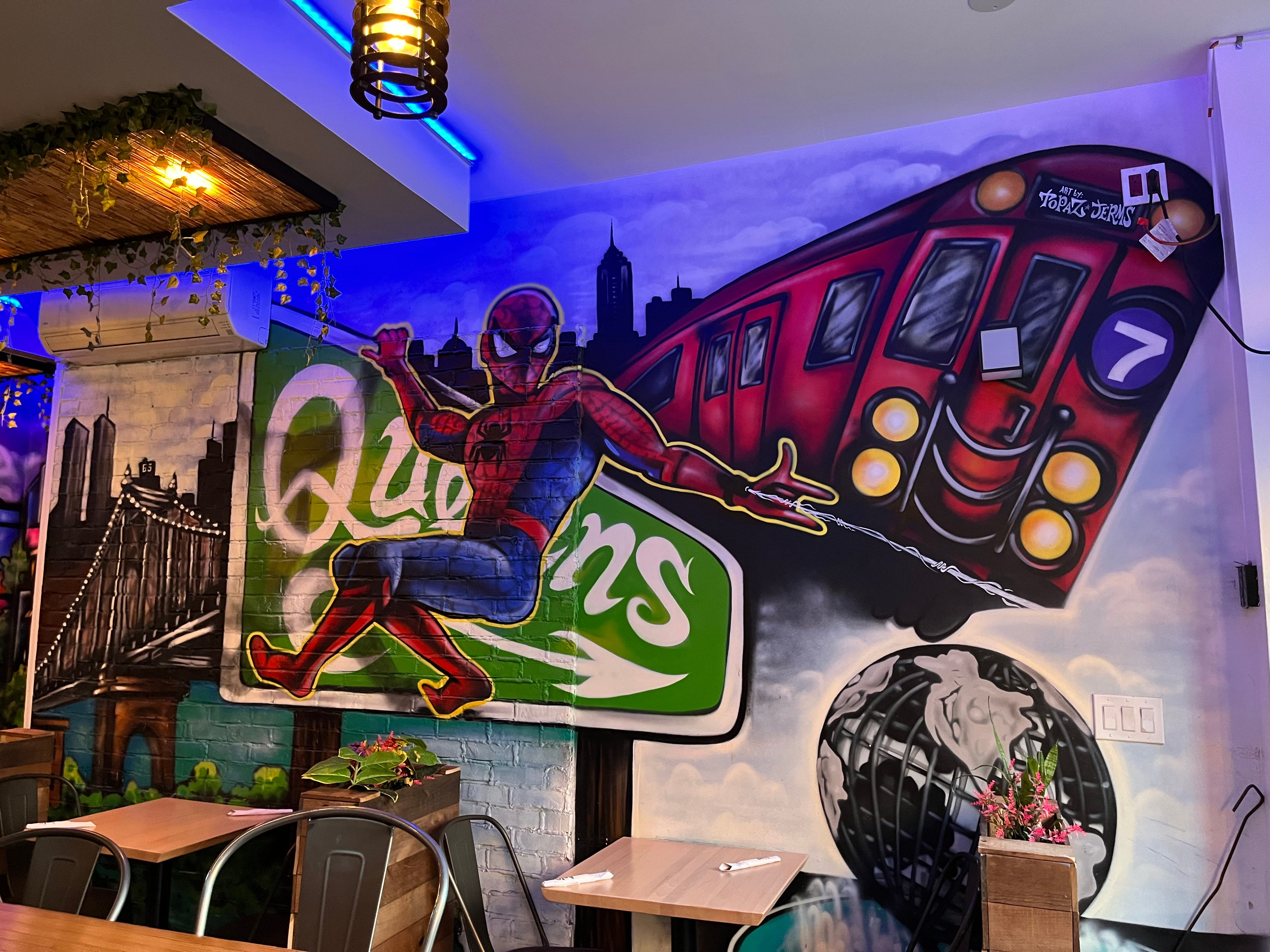
It’s an ordinary Saturday in Queens, which is to say “ordinary” if you aren’t thinking about the fascism. (I really can’t get over the way that Meta bleeps “Nazi” and “swastika” from videos, or that posters have to insert an * somewhere in each of those words so the post passes muster, even as Elon’s and Bannon’s sieg heils are fine.) I am waiting on a 7 Train, only to learn it’s not going all the way to Manhattan, so I have to switch the N or W, so my mind does a little adjustment. It’s all good.
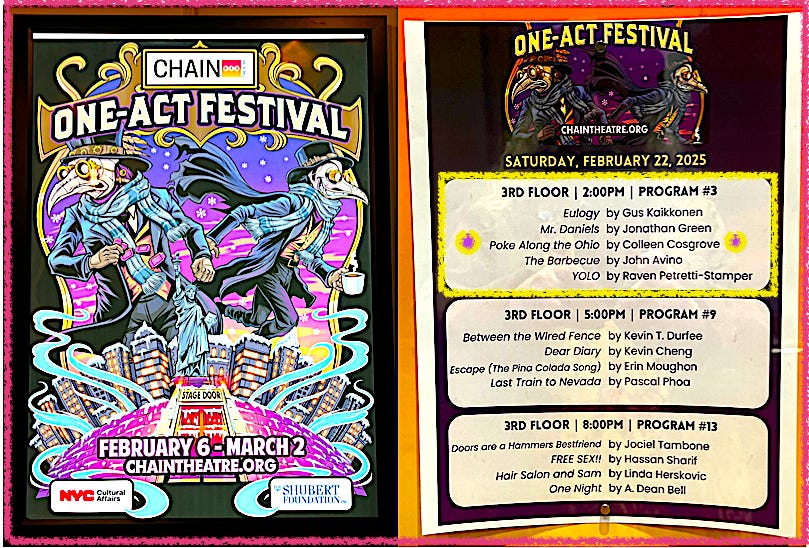
There used to be moments when, as my friend George puts it, it seems Americans are simply going to be inconvenienced to death. Now, unfortunately, and for a long foreseeable future, we are under threat of annihilation. But today, I’m heading to The Chain Theater at 312 W. 36th Street in Manhattan to see the 2 PM installment of their rolling rep One Act Play Festival, and today I don’t want to think about annihilation.
When I arrived at Times Square/42nd Street, I walked through Golda Meir Plaza, struck again that in the 1970s we had female leaders like Meir of Israel and Indira Gandhi of India, Thatcher in ’80s Britain, and that the United States couldn’t even manage one woman in 250 years, choosing an avowed white supremacist dictator, twice, over a highly qualified, democratic woman. And here we are, I think, wondering as I keep walking what will happen to the bust of Meir.
First, I have to go to the ATM, and for some reason my card chip will never work to open the door; another customer, a man in a hood, has a card that opens the door; he engages in no talk. I go in behind him, and I realize I’m shaking. I find I’m afraid to use the machine until I see him at the other machine, and really getting money; I finish before he does, even having to enter my PIN twice to get it right. Odd, having the shakes like that. Or not so odd. Frankly, that’s as fearful as I want to be in life.
It’s nice out, 40s, sun. I walk down 7th Avenue, taking it in, struck again how I can always spot a tourist. I am of New York City, I move that way, more grounded, a bubble of insulation and also awareness. I was a tourist for 20 years before I moved here, so I don’t mean this as criticism or praise; it just is.
I arrive a half hour before the play festival is to start. I see Mary, the director of my friend Colleen’s play, in the crowded lobby, and we hug. I check in at the desk, my friend Tom having bought our tickets online. Our friends David and Barry are also coming, and learning the afternoon is sold out, I go in when the house opens and save us a row, as it’s general seating. An older woman in the row behind me is doing the same thing. (It’s always funny to me how everyone who enters a general seating situation somehow believes they will get to sit alone, empty of audience members around them, and they look at my saved seats with resentment.) The boys show up just before 2 PM, so we don’t get to visit much, and they don’t have time to go out after. I seem to be the only person I know in the city who has nothing but time. Ah, well. Still, being in this community even for a brief time is comforting and energizing. Hopeful.
For the uninitiated: Attending a play festival of new work, especially one-acts, can be a crapshoot. I’ve attended many of these, both as a high school director and as an audience member in New York, and too often only two out of the five or six are well-written, and only one or two are well-acted and directed, and often it’s not the same set of two. So imagine my delight—I knew Colleen’s would be adorable because I’d read the stage directions for it at a workshop—when all five were simply excellent.
The common theme—and this was a really thoughtful grouping—was aging and death. This might sound awfully close to that annihilation I was avoiding, but it wasn’t the case. The first play was a monologue, a 60-year-old son eulogizing his father at the funeral; the second, two old people on the E Train platform; the third an older man trying to make a deal with Death; the fourth was Colleen’s (a play inspired by seeing a plaque in Evanston, Indiana, along the Ohio River, where President-elect James K. Polk was to have stopped his steamship and didn’t disembark), with an old woman (Colleen) and her grandson in 1854, the year Lincoln was really getting started; and the last a gay couple, older men, one who has, we see gradually, dementia. And all of these were by turns serious, funny, sweet, surprising. And ultimately, ordinary, in the best sense. Life lived.
I’ve realized lately that what I crave most in my music, my art, my nature, and my life, even, is ordinariness. I don’t want the surreal, the challenging, the wildly surprising. I get too much of that in unending loops in American society now, breathless, mean, chaotic, and all that hate and chaos, while not remotely sustainable, will be unending for four years at the very least, and if we all don’t stroke out and live to see another election, we may see a divine revolution. Until then, I want mundanity as a life theme.
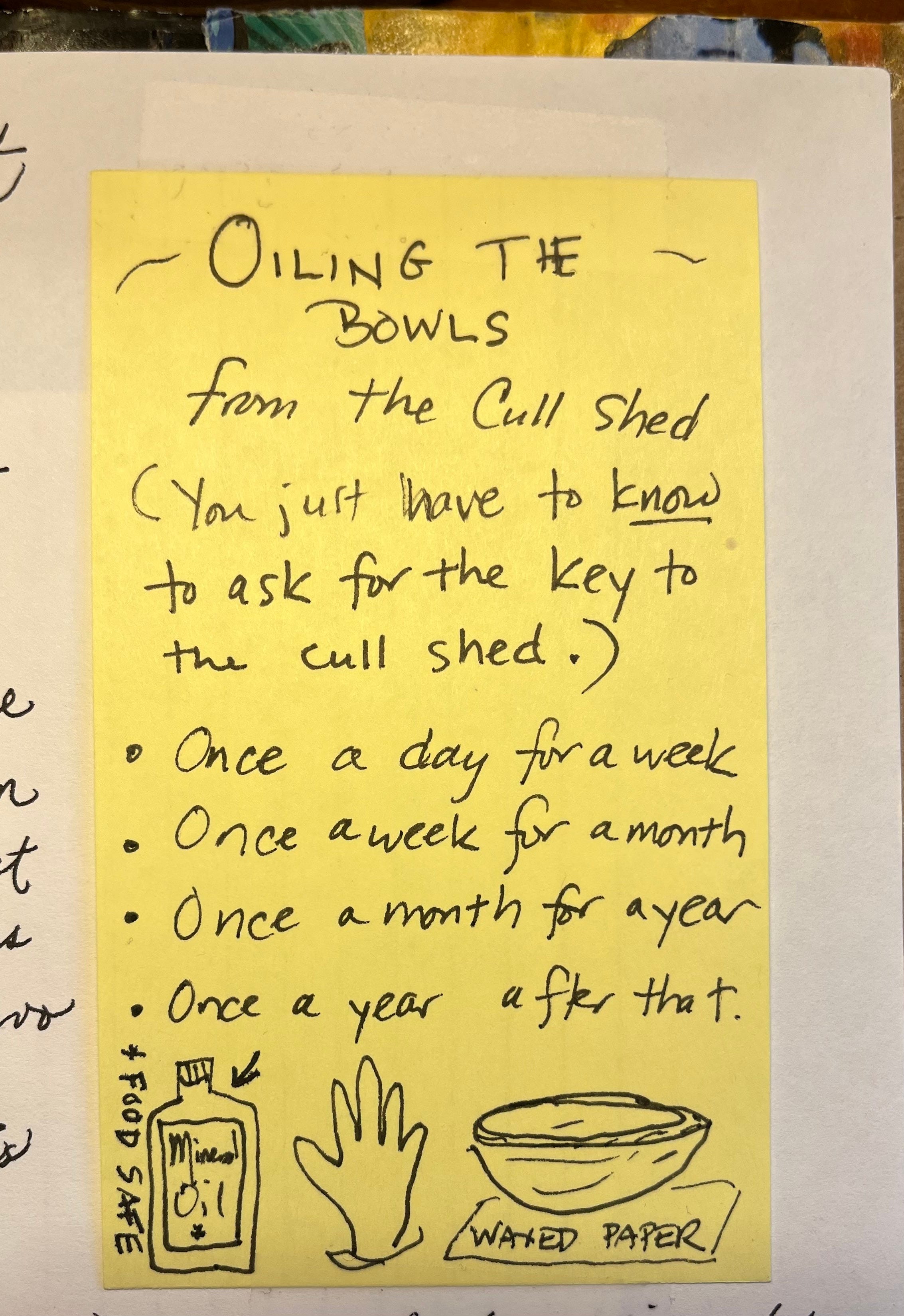
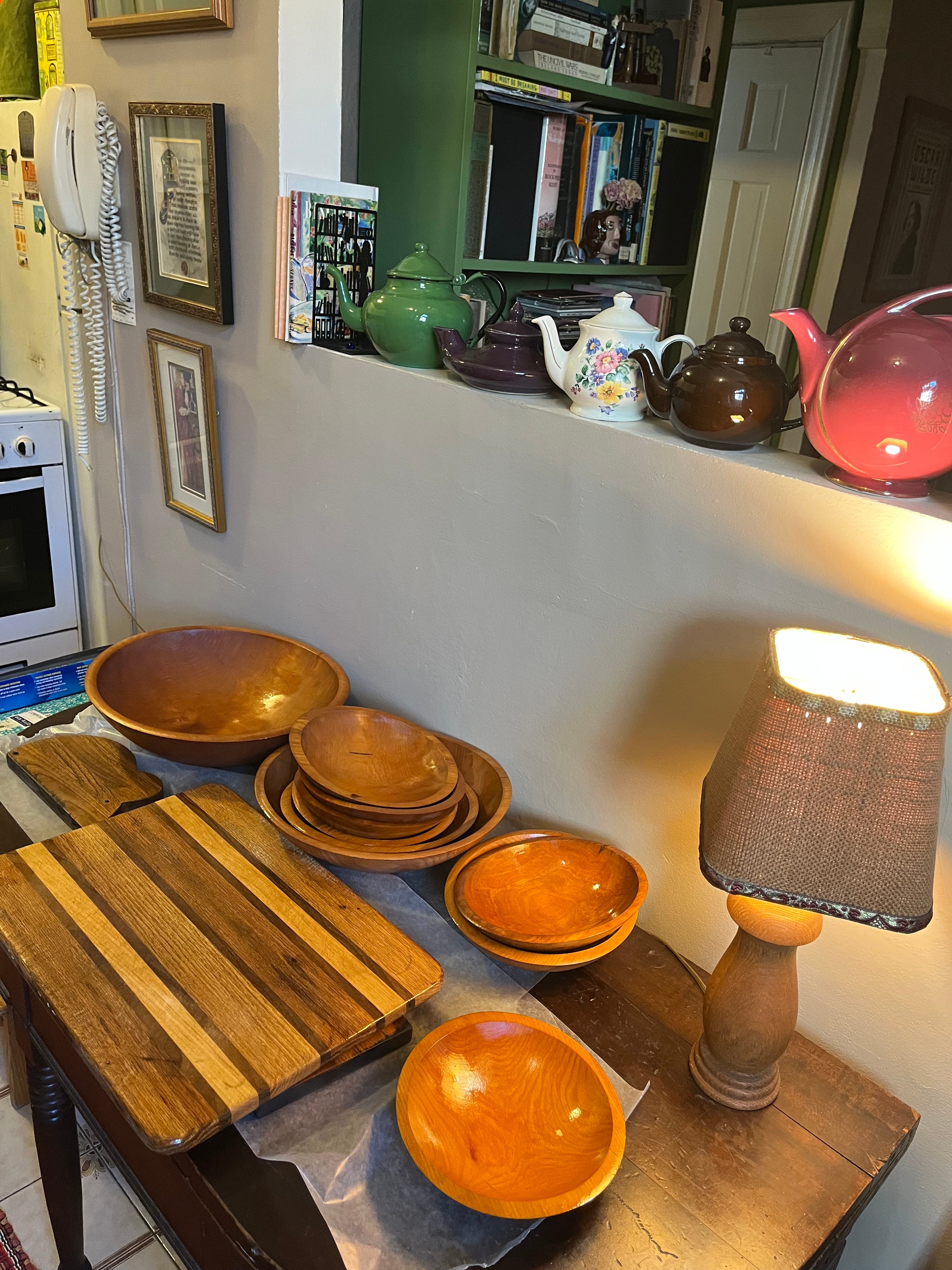
For example, here’s a task of basic maintenance.Simple chores. I did the annual bowl oiling during my lunch break one day since I work from home. So restful. Once the oil soaks in, they’re good to go for a year. I oil the cutting boards at least twice a year. Isn’t it nice to focus on that?
As another mundane activity, before leaving for the subway with a half hour to spare once dressed (I took care to pick my ensemble and accessories, knowing no one else would actually care, but it’s my inside feeling that counts), I noticed that I have a lot of loose knobs on my two dressers. One dresser requires a Philips head and one a flathead screwdriver. I keep these in a pitcher by the door—I like to have my tools ready at hand. Knob by knob, I tightened them. In doing this I noticed a few scratches, so I went to my tool closet and found the wax wood filler pencil. And I filled the scratches, and it’s funny how the more you fix the more you see.
And this by the way task was really satisfying. You know what I mean? And centering, before heading out into the chaos of New York’s mass transit.
Why do we have to exist in all this rage and war and hate and aggression and greed and chaos? We all have knobs that need tightening. Why, just because of a few psychotic, damaged men who cannot be satisfied or fulfilled by all the money and power in the world, do all the rest of us have to suffer for all time? Why do other people, people with absolutely no hope at all of either wealth or power, follow them, go psycho with them, and go after all the rest of us? Don’t THEY have knobs?
From the web.
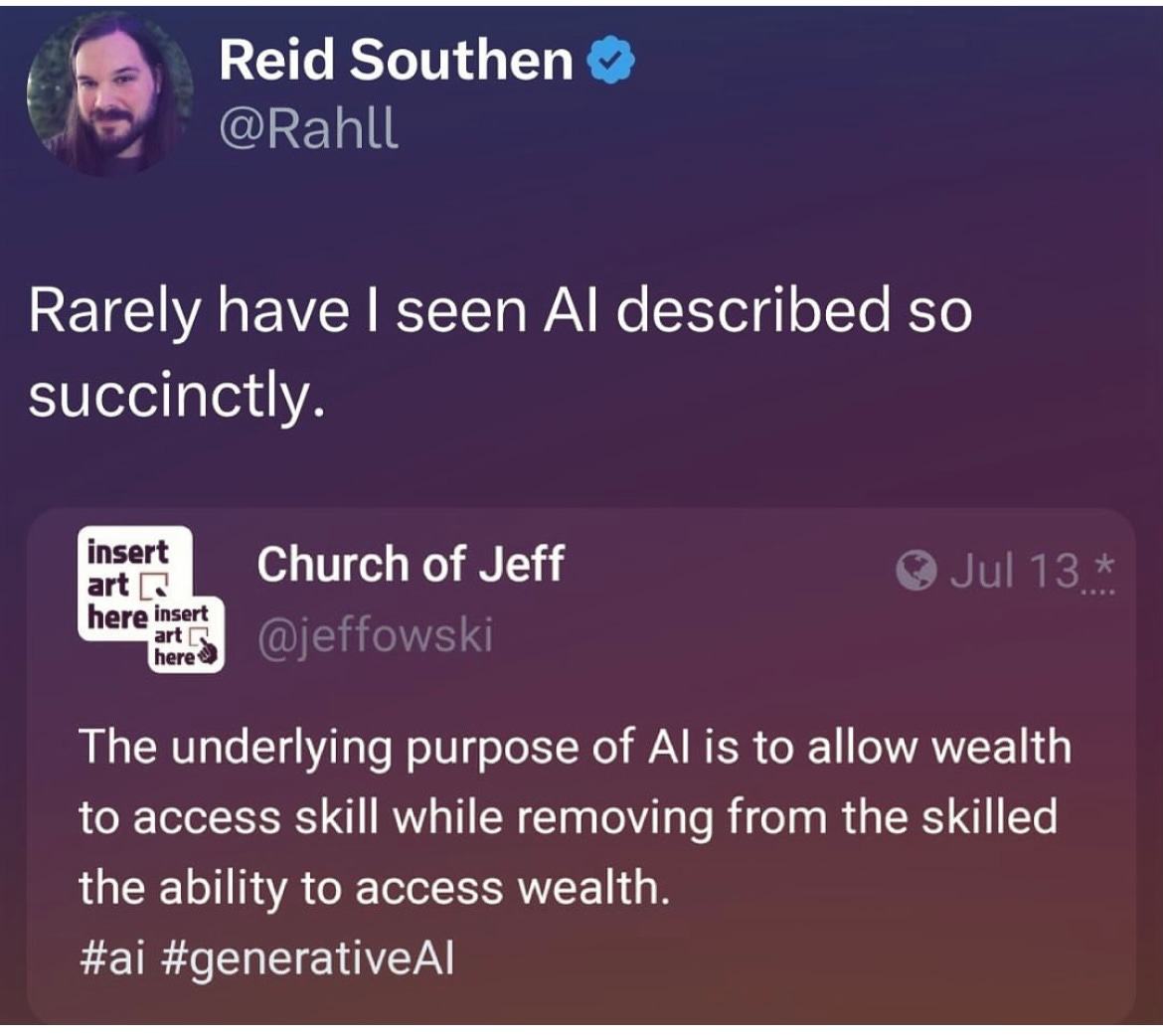
I was thinking too about AI, how the goal is to replace humans, to erase humanity, and that AI cannot tighten knobs. How are we to cope with the attempted erasure of culture, of women’s sovereignty, of black and brown people, of the earth itself, when this desire for annihilation is beyond lunacy? Why can’t we be? Being is hard enough. Knobs come loose. Why can’t we work together to solve real problems?
From the web.
To cope with the whole mess, as I brace for some kind of war, I’m taking more and more pleasure in the very ordinary, like watching people on the subway.
A Study of Knees and Nylons. N Train to Queens. LO’H 2025
I know I can’t be alone in these chaotic feelings. How are you coping? In addition to doing chores, seeing art, and attending the occasional rally, I’m calling politicians and listening to Nina Simone. Followed by Yo-Yo Ma. You?
Reflections on democratic voting in a time of rising fascism
I Sit in My Kitchen Rocker Waiting…
As I Lay Dying, “I Stand Here Ironing”…I keep thinking of titles around the anxiety of working out our lives, and deaths, so much of which is out of our control. We have to, more often than not, depend on others, on the actions and emotions and convictions of others, to make our own lives bearable. And today I’m feeling how terrible that can be, and also how reassuring.
Today I “early voted” here in Queens, surprised by the lack of turnout, in some ways, but this being New York, local Democrats don’t have a lot of competition. (Still, I live in an area full of Trump voters, particularly Hispanics, too many of whom more or less worship the man (if tee shirts are evidence) who plans to deport them within days of returning to office, citizens or not, it won’t matter.) The poll workers gave me such heart, though, just to see them there, all caring so much about democracy.
Scenes from a day of early voting, Queens, NY
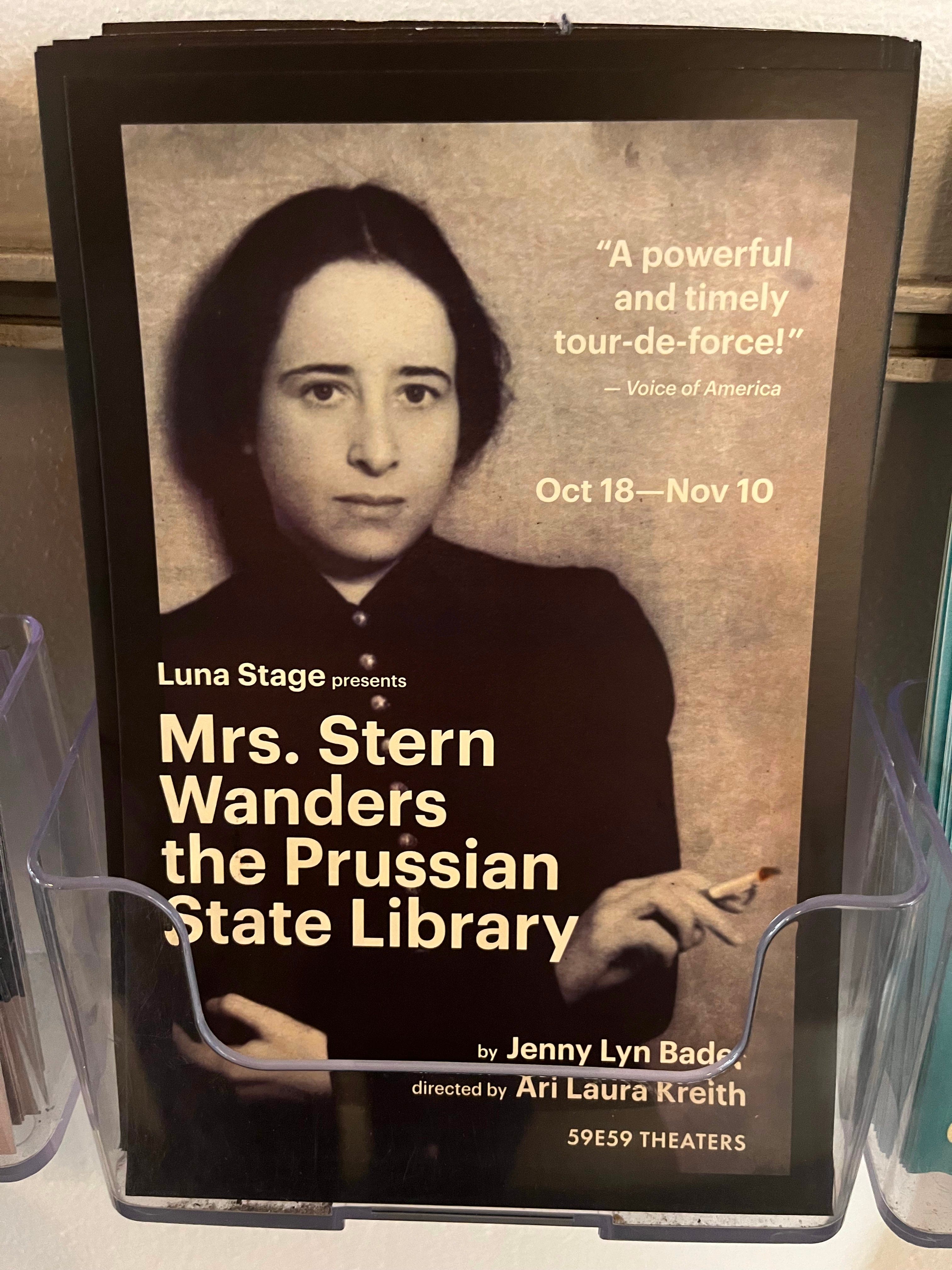
I’ve been imagining during my sleepless nights the consequences of a second Trump presidency—I cannot see how we are really here, but then no one imagined a Trump to begin with, so showered with love and celebrity coverage by a besotted press. Last night I went to see a play at 59E59 Theater here in New York called Mrs. Stern Wanders the Prussian State Library by Jenny Lyn Bader. The subject of the play is the period of days a young Hannah Arendt was imprisoned and interrogated by a Nazi officer (whom she ultimately convinces to help her) in Germany in 1933. The investigating Nazi officer in the early days of Hitler’s Chancellorship and martial law is convinced that Mrs. Stern, rather than working on her dissertation, is mimeographing and distributing overseas the antisemitic writings and cartoons in the German papers. Because of who she is, we know that Arendt gets out, since she will famously go on to cover the Nuremberg Trials, there to develop a philosophy around the nature of evil and the ordinary people who become complicit.
I became increasingly, deeply horrified watching this play as I realized that this is America’s future, quite literally, with camps and the rest of it, unless Harris is elected. And this time, no hyperbole.
The treacherous New York Times gets scared straight.
The consequences of this election will affect every citizen who is not rich and sociopathic in horrifying ways. Anyone who says we aren’t all in this together is a dope. Years ago (I probably told you this story), I was at a favorite bar in Midtown Manhattan, a great after work sort of bar, and there was a commuter from New Jersey there sometimes, if he had just missed a train. We would chat. When Obama was running for president, I said, “We are all in this together,” and the guy (white, 30s, business type), looked up from his scotch and smirked, “I’m not.” And I said, “Where do you think you got that drink? How do you think it showed up on that bar?” and he said, “I don’t give a shit.” And I got up and said, “You are despicable. I believe I’ll have my drink down here.” And he looked at me, stunned, as I moved. A few days later, he was at the bar again, and he tried to catch my eye. I cut him dead and walked on to the end of the bar for a seat. Returning from the restroom later, he paused and said, “Can a despicable person buy you a drink,” and I said, cold and hard, “No thanks.” Cheers.
Bars are equal opportunity institutions in society, as are commuter trains, and they don’t generally fail us. Two institutions that have failed the United States, however, and most decidedly in the past four decades are 1) the free press; and 2) the Christian Church. Both used to have one thing in common, in that (at their best) in their respective ways, through investigation and preaching, they existed to bring to the People the truth, the way, and the light. Today, both, at their worst, have one thing in common yet again: the love of money.
The love of money is the root of all evil, and if I hear one more ill-informed person of “faith” say even one more time, “I think Trump is better for the economy,” I may run naked and screaming into traffic on the Brooklyn-Queens Expressway (the “economy” under Trump was Obama’s until Trump wrecked it). Today’s Evangelical Christian churches, since the televangelism on TV in the 1980s to today, preach “send me, your pastor, a lot of cash, even if it means emptying your savings accounts.” The newspapers, bought out by billionaires with egos the size of Arnold Palmer’s junk (keeping it classy, Trump), want to curry favor for and provide support to other billionaires. The information printed in today’s newspapers is accidental and incidental to their owners’ true purpose. And yet journalists, as do some Christian pastors, try.
Sister Lisa and Brother Mike in conversation
Despite the quotation marks I use now—”free” press and “Christian” church—I try to remember that there are, really, so many good people. We cannot give up. Please vote. Encourage others to vote. As I walked home from my polling site this morning, a woman accompanying her (I think) elderly mother on a walker stopped me, pointed to my sticker, and asked where the polling site was. I told her, and she looked disappointed—it’s a bit of a walk—but she thanked me and turned to explain to her mother in their language. Because there really is plenty of room for all of us.
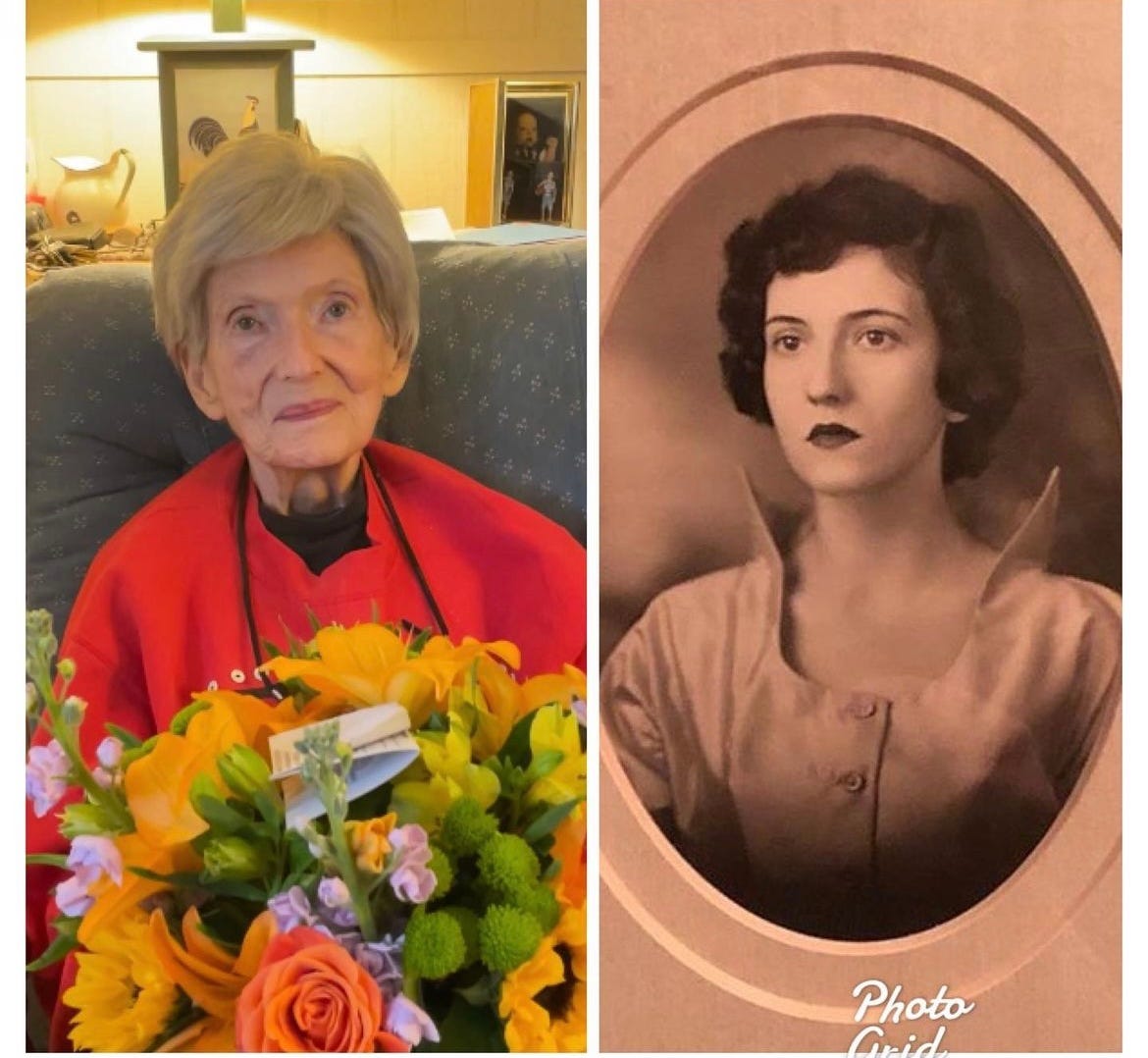
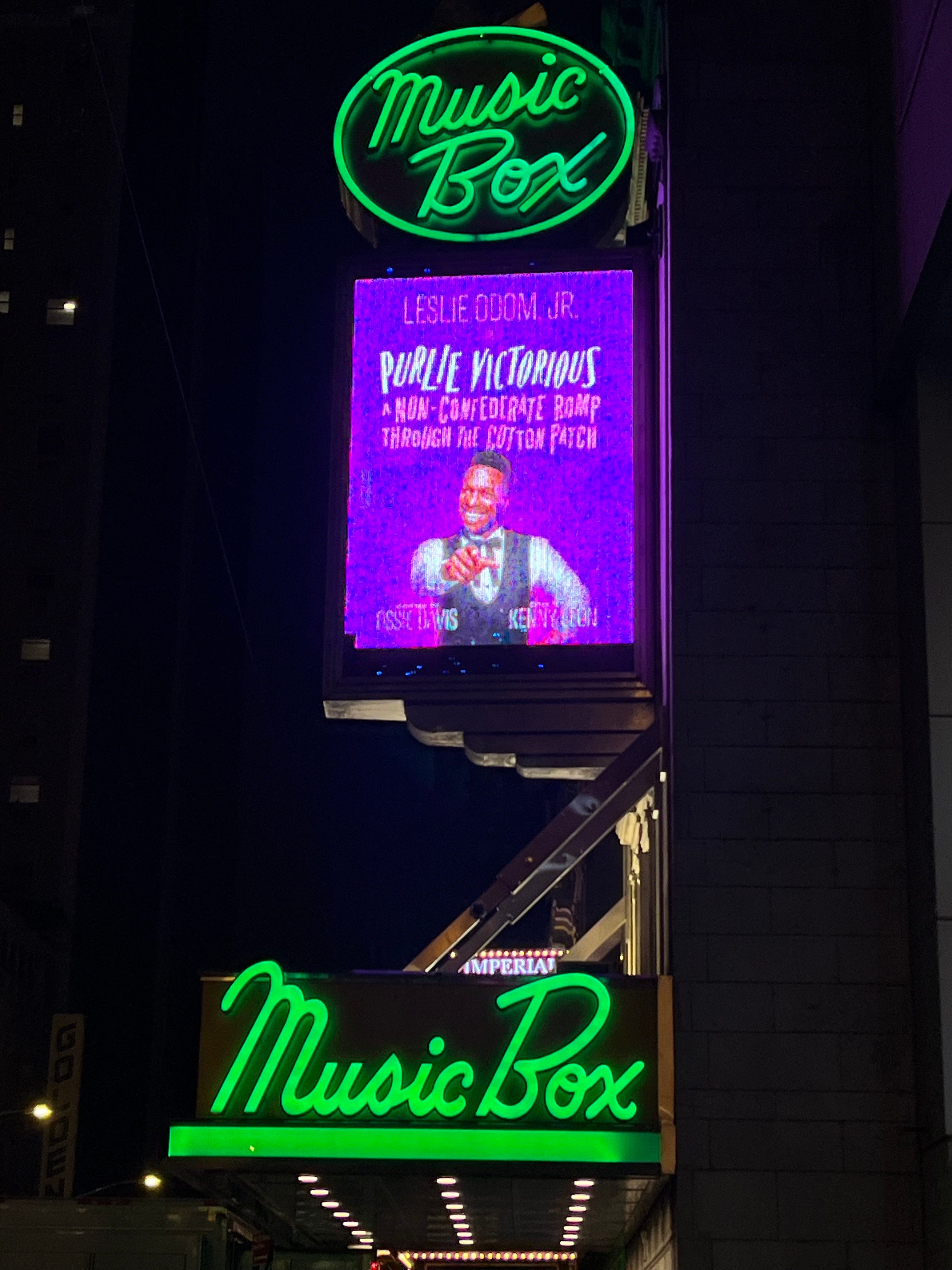
§ My mom, Lynne, is 90 years old today. Last night I forced myself to get out of the house on a damp, raw New York City evening and head to the theater to see Purlie Victorious before it closes, showing up at the Box Office at 5:45 PM or so to see if they had “anything for tonight,” and I indeed got a center orchestra seat. Magic. This morning I am thinking about transformation: how actors transform into characters; how young people transform into old people; how oppressed Black people transform into autonomous Black people; how racist white people too often never transform. But more to the point, how my depressed soul transforms in the presence of great art. How does this happen? Why is undergoing as well as witnessing transformation so necessary to our humanity? And why do we resist transformation?
My mom, 2024 and 1952.Perfection, the first Broadway revival of this play in 62 years.
§ Memories of transformation are often curious ones. When I was in 2nd grade, for example, Daphne O’Keefe brought in a Gallo wine jug melted over with rainbows of crayons. She was so proud of this show-and-tell object, explaining how she made it. She passed it round the class, and all I could think, confused, was, “What a waste of crayons.” Some transformations both small (see that wine jug) and large (see Tucker Carlson’s from “entitled Swanson Food trust-fund baby” turned “even richer Fox News personality” to “radicalized Russian-Putin ass kisser”) are lost on me. If transformations aren’t increasing your humanity or expanding your soul, what is the point? One woman’s wasted crayons may be another woman’s art (one man’s patriotism is another man’s treason?), and if the melting crayons make you happy, and you aren’t lying to yourself or hurting anyone in the process, melt way.
§ On my mind: Years ago, the now-famous comedian, podcaster, actor, and producer Tig Notaro was kind of doing okay as a mid-level comic, respected by her peers, booking enough gigs to make a living; one day she was diagnosed with Stage II breast cancer, and that evening she went on stage, “Hi, I have cancer…,” and her whole career changed. Soon after the diagnosis, her mother fell, hit her head, and died. Between a middling career, a double mastectomy, and burying her beloved mother, you’d think, “How did she keep going?” But it was the beginning of a transformational phase in Notaro’s life, one in which she became widely known and successful, met her wife, had a family, and is happier than she has ever been. Go know.
(Note: image found on the web..-ed.)
§ Scaffolding: It’s everywhere in New York City. You can’t walk a block or a street without walking under some at least once; I used to jokingly ask my friend, Richard, back when I visited the city, “When will it be done?” I return and return to this image of crumbling, but also of trying to repair—it takes such an absurdly long time; I want to walk around the city with a bull horn, “TRANSFORM ALREADY! BE DONE!” New York City’s Times Square was once glamorous and exciting, and then it became derelict and dirty, and then Disney moved in and transformed it into a theme park for tourists that makes me want to stab myself in the arm every time I walk through it, just to feel something more elevated than pissed off. Then I look around at the endless scaffolding in these high traffic areas, and “pissed off” is about all I will manage for a long time to come.
February, 2024
§ Since mid-January, my left eye has been arcing light, flashing, and also numb; in fact that quadrant of my head and face is sorta numb, too. I went to a neuro ophthalmologist today (after my regular ophthalmologist and primary care docs were stumped, and thank goodness a colleague had one, and that I talk about my life to other people who then often have suggestions, because appointments with specialists like that can take a year to get). This special eye-brain doctor (and I can’t believe how easily I spell “ophthalmologist” now) can determine for sure that your eye is in fact numb by sticking a sort of blunt pin in it and you not knowing she did that. She said, “I don’t like that.” She is, as promised by my colleague, a total doll, and has a very busy but well-run clinic; we scheduled the MRI (it’s in a month, the earliest appointment (which can take many months to get sometimes) and bloodwork, and follow up. “I don’t like that your eye is numb and that you have headaches,” she said, and then she looked into my face, “but we will solve it.” My life is either about to transform completely (my maternal grandmother died of a brain tumor at 60; I’m 60 in May), or just be inconvenienced. But it’s scary. I still haven’t told my family (older half-brother and sister caring for their mom with Alzheimer’s; my brother Jeff looking after 90-year-old parents; my brother Pat just lost his father-in-law), except for my youngest brother who also has eye issues, just in case I collapse or something so at least one person knows what’s going on. (I think six people read my blog, and none of them family.) My upstairs neighbor also knows, a few friends, and one colleague, so I’m covered. Will tell all.
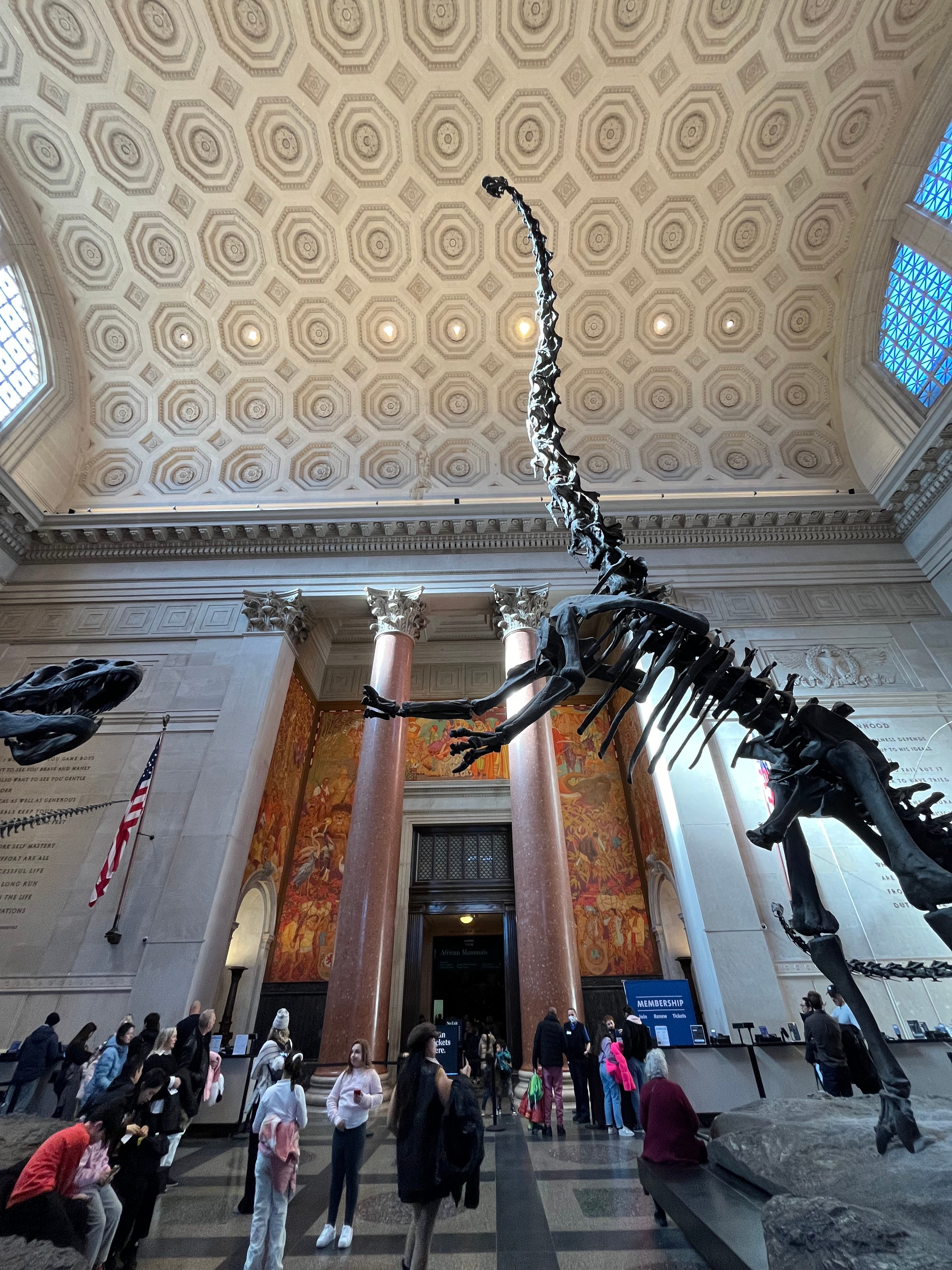
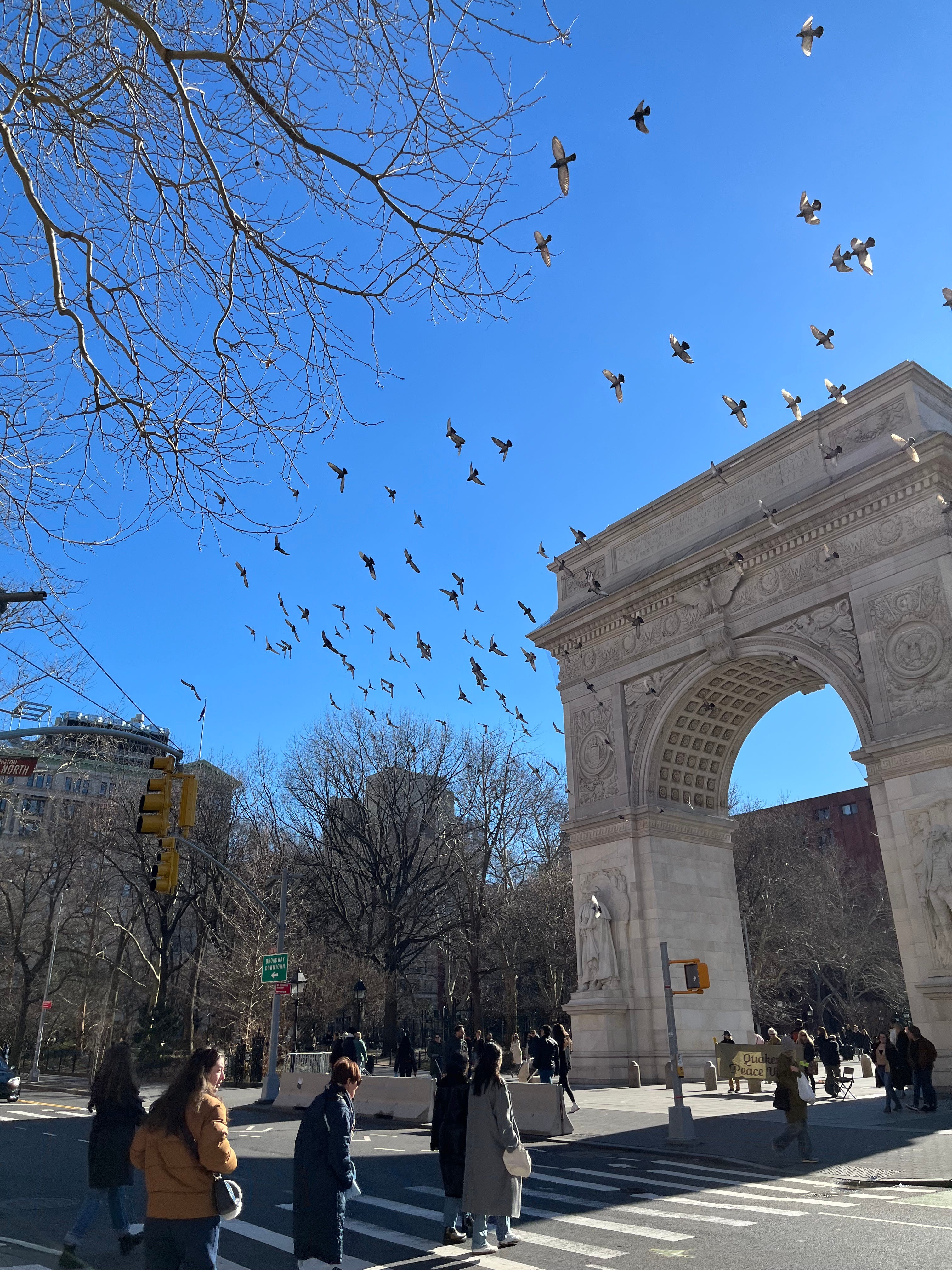
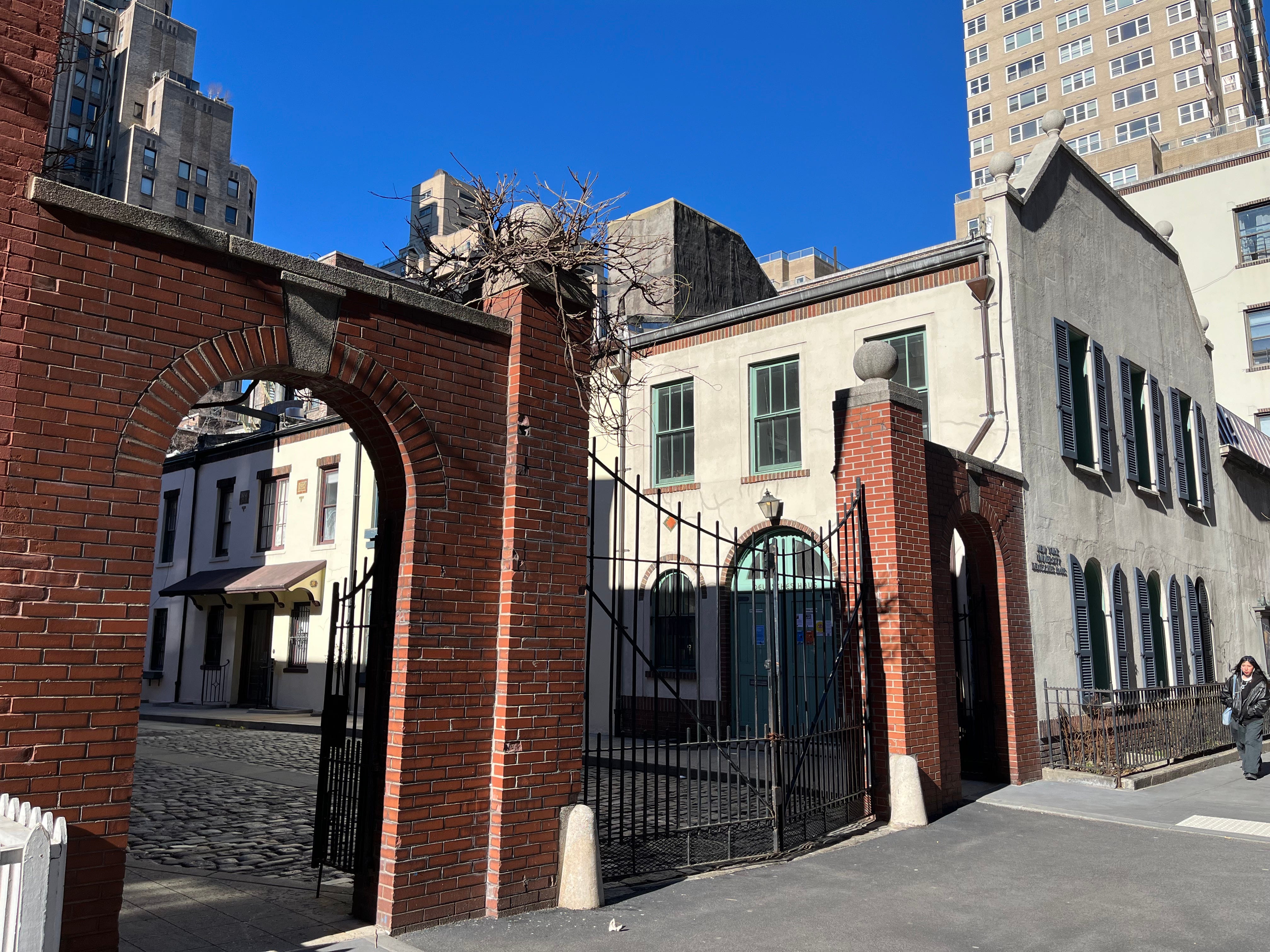
§ Sunday in New York, with photos: Grand Bazaar Flea Market (art purchase), American Museum of Natural History, Washington Square Park (with birds), Washington Square Mews (my favorite spot in New York, maybe), past Cooper Union, with lunch at Little Poland while you wait for the Rubber Stamp Store to open on East 11th St, near St. Mark’s Church, where you talk to Jimmy the owner, who has made all his own stamps since he became interested in coins in Ireland some 70 years ago, followed by a return to Queens and a binge of cocktails at Belo with the Cordero brothers Spencer, bartender, and Jonathan, owner. And all this, all this connection, is why we are alive, right? Republican motherfuckers be damned: we are here to transform each other and ourselves in creative, joyful ways. What else is the fucking point?
I love meeting new artists. Akasa was a doll.AMNH is always cool.Quite a show by pigeons.The Mews make me calm.Casey’s Rubber Stamp Store, E. 11th Street, NYCThe possibilities.Belo, a fabulous Brazilian-American restaurant in Sunnyside, Queens. (All photos by LO’H)
§ My Aunt Lorraine died on Valentine’s Day. She was 98, my dad’s oldest sister, the second oldest in a complicated family. Lorraine was my Grandma Fern’s daughter from her first marriage; Fern married Frank O’Hara, a widower with four sons, two daughters dead in infancy, and his wife dead in childbirth with the second daughter. (Fern and Frank only married because she was three months pregnant with what would be the first of five children, my Uncle Don.) When Lorraine died, various siblings and cousins speculated on the order of the kids, so I clarified: Chet, Lorraine, Bob (note: Chet and Bob were sent to an orphanage after their mom died; then returned when Fern (not that much older than Chet) became their stepmother), the twins Alfred and Alvin (who were adopted by Frank’s childless sister Emily and her husband Walter Smith), Don, Nadine, Bernie (my dad), Mary, and Francis, Jr. Of the ten children in all (not counting Grandpa’s baby girls), then, my dad is the last survivor. (For reference, they were all alive but Bob when Obama was elected president in 2008; I remember this because I called Uncle Chet on his birthday just after the election, and I told him I was happy about the outcome. “So that’s the way you went, huh?” he asked. I did. “Well, I did too,” he said. “Now I loved Hillary, loved her,” and he had even driven her around Omaha when she came to campaign. And I expressed my condolences about Uncle Bob. If anyone tries to tell you that American families should be “traditional,” you just point them to Frank and Fern in Council Bluffs, Iowa, ca. 1930. Oh, and Lorraine and Chet were best friends all his life (he died over ten years ago), and no relation to one another at all; my dad was a half-brother to each. Got that?) Families are living, breathing, ever-changing, and eventually dying, ecosystems, transforming all the time. Or they are if they are healthy, even if they sometimes put the “fun” in “dysfunction.”
Over the phone this past week, I asked my dad, who turned 90 last October, for his memories of Lorraine, and he told me what he remembered. “When I was little,” he said, “Lorraine used to take me to over to Broadway [in Council Bluffs], when we lived on Avenue E, at Christmastime, when Santa came down. He always threw candy, and she’d help me, we’d run around and gather up all the candy we could. I think about that memory a lot, I don’t know why.” Here he laughed. “And it’s funny, because Santa was in a pick-up truck or something, and he threw hard candy, really threw it, and you wonder how nobody got hurt.”
Another memory: “I told you that story, about the time Dad [my Grandpa O’Hara], he worked on the railroad, you know, and they had a wine car there that was leaking, and all the men were catching that wine and drinking it all day. Dad came home smashed, yelling that he was gonna do this, gonna do that. And Lorraine—she was working at the bomber plant at the time, and muscular—she laid him out on his back in nothin’ flat and said, ‘You aren’t doin’ nothin’,’ and we all just cracked up.” And Lorraine’s first child, Patty (one of ten, two deceased), and my dad’s first niece (or nephew for that matter—is their a general term for that?), just celebrated her 77th birthday; my dad was 13, and he remembers coming home from school one day and seeing Lorraine holding her in her arms.
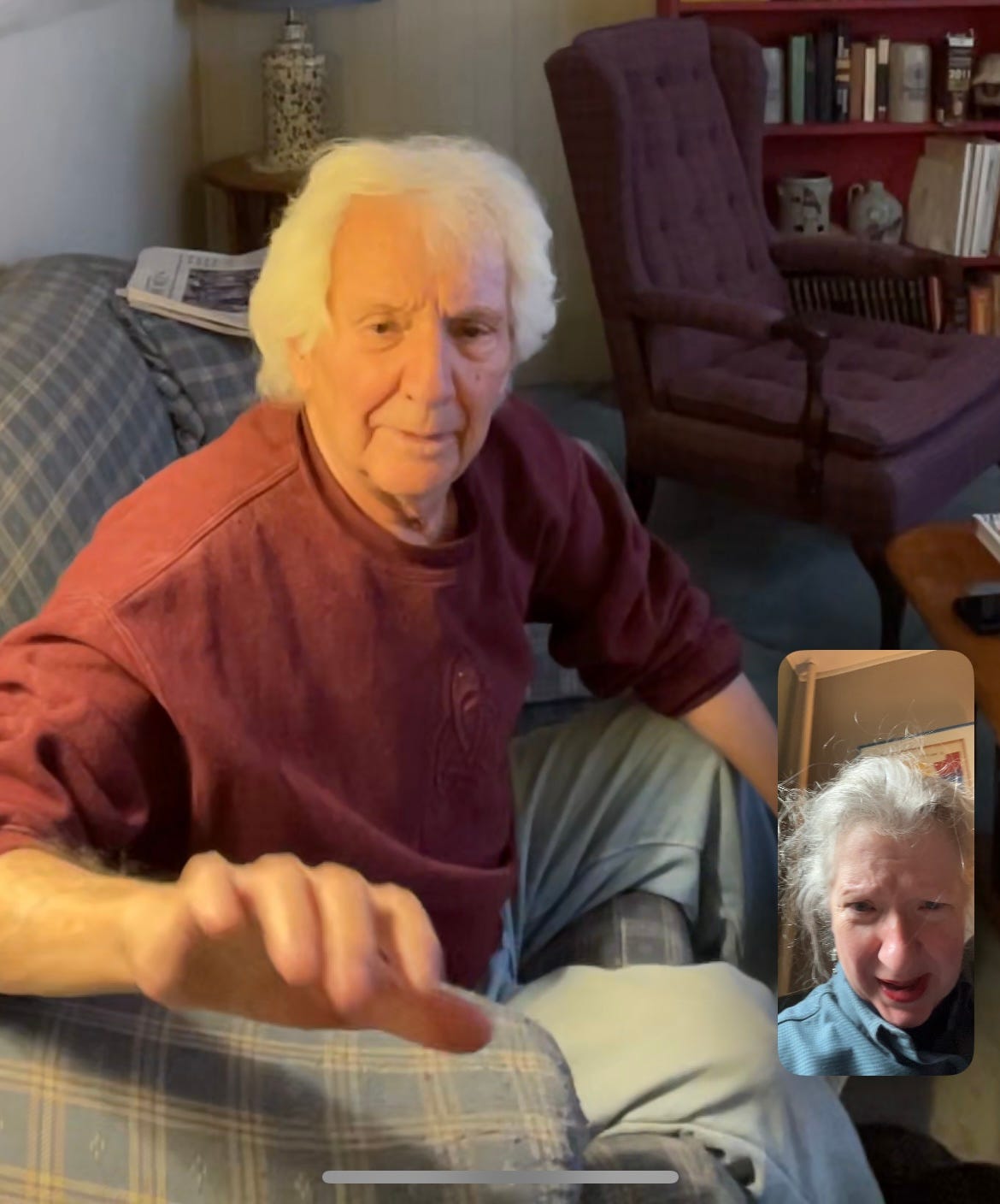
My cousin Kerry (Don’s older daughter) and I (Bernie’s younger daughter), I think, are the only ones who know who everyone is and the order they come in, from aunts and uncles to cousins; maybe my cousin Liz (Mary’s oldest daughter) knows. Lorraine’s daughter, Rita (one of twins, children 6 & 7 in the lineup), who called last week to tell me that her mom was in hospice care, confessed that she had no idea who any of my siblings were. (“How do you know everyone?” she asked. Because every Christmas the relatives put school pictures, labeled on the back, in the cards; and I memorized them, because I thought I was supposed to.) Rita and I became friends the year I went out for our Aunt Mary’s funeral (2012, I think), and her twin sister Ruthie had coincidentally just moved to the street where my Uncle Denny, my mom’s cousin (with whom I was staying), lived (are you following?), so Rita started giving me rides after gatherings, dropping off first me and then Ruthie. (Ruthie, by the way, has moved back to Kansas City to be near her kids; I have a nephew living there, but since no one would know him because they don’t know my half-sister, Sherry, why mention it?) Sending love to all of Aunt Lorraine’s loved ones in our ever-transfiguring families.
FaceTime with Bernie
§ Surprised by snow. Brown desolation to cheering plush white happens less and less frequently here in New York, and what does fall melts right away, so I went on walkabout and took photos. I was surprised how many folks were out doing just that on that chilly Saturday. I love when spring makes you beg for it.
Miss O’ in Queens
§ Sunday morning, bright blue and sunny, but chilly as winter should be. Time to head to the city, I think, to City Papery and buy some blank card stock, maybe spend the rest of President’s Weekend making some original cards for people using those rubber stamps up there for inspiration. First, I’ll post this blog. Love, Miss O’
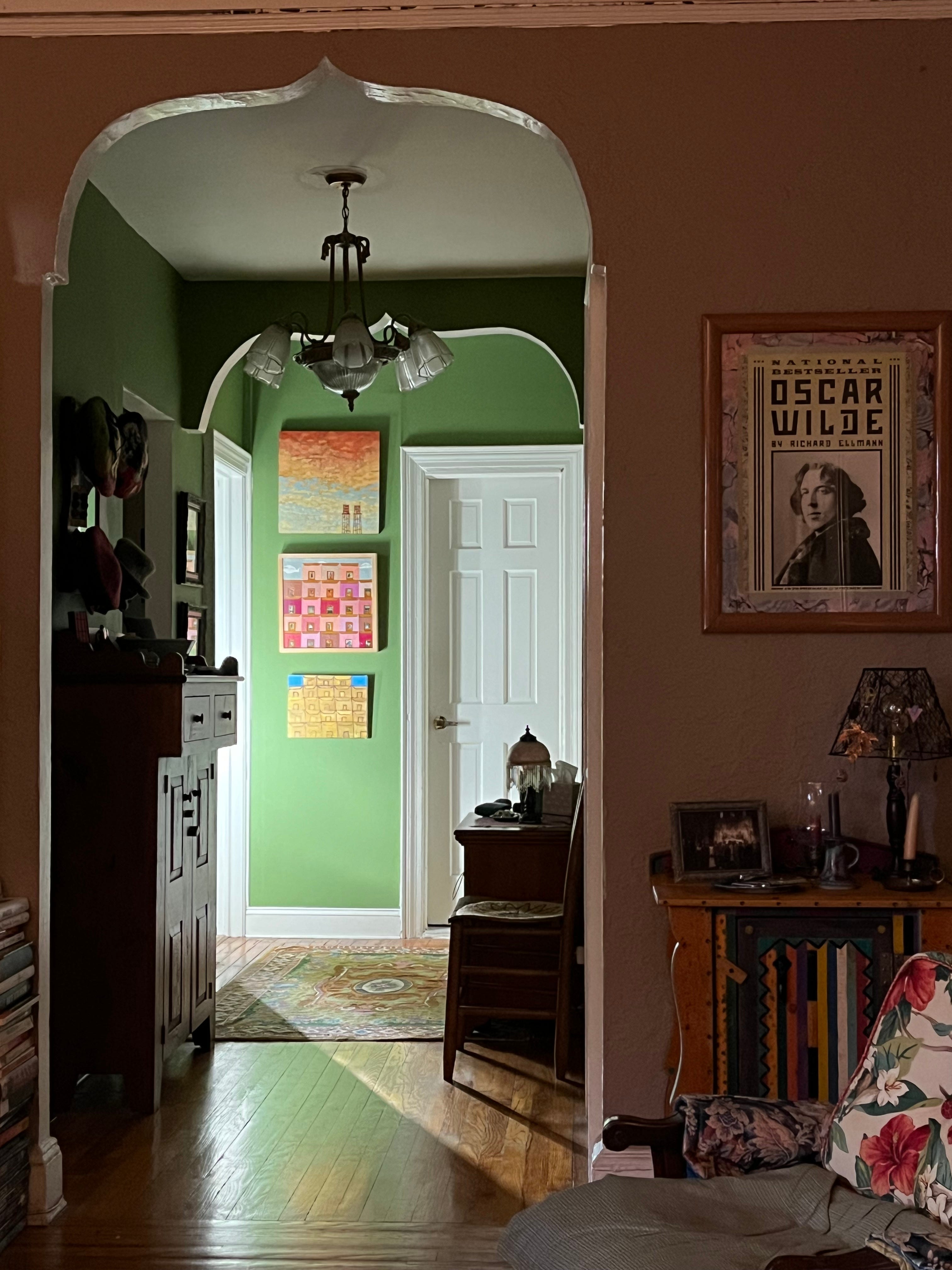
Miss O’s hallway, transformed each morning, when it’s sunny, by that shaft of light. Color me grateful.
Back when I was a drama director, my school’s orchestra teacher, Mr. T, had to fill in as the conductor of the orchestra for The Music Man when not one band director but two had to bow out (one for a family tragedy, the other because he’d been asked to be an interim principal at another high school). Mr. T, who had strenuously avoided conducting kids in a pit, was a terrific conductor and teacher, but knew nothing about musical theater. One day in the library, where he’d tracked me down, he asked me about a bunch of music on the sheet. Those marks (Greek to me) turned out to be the opening of “Wells Fargo Wagon,” and just as Mr. T knew nothing about putting on a show, I knew nothing about reading music.
He asked, “You don’t need all this music, do you?”
Oh, yes, we do.
“Why? It’s a lot of music.”
Because all this intro music is covering a set change.
“Covering?”
Right—the orchestra plays while we do all this work behind the curtain, or on a darkened stage, and when the lights come up, the music stops. In fact (I explained to the perplexed Mr. T) we will probably need more than that, so you will need to pick a spot you can back up to and play it again. It’s called, Vamp until ready. (And here I sang a little, “Bum, bum, bum, bum” [key change] “bum bum bum bum…” and then, “Now the lights come up and Marion enters…and music fades….”)
To his credit, Mr. T listened, learned, and got it. I was really happy to work with him, and he was in turn grateful to conduct the pit, though once was enough (it’s a 10-week after school time commitment for no pay), because he’d had no idea what went into it or how interesting it was to watch a show evolve in rehearsals to performance. And since pit orchestras are among the biggest employers of musicians, even a high school production of The Music Man is real world work experience for the kids.
I was thinking one morning this week about that expression, “vamp until ready,” which I learned in college as a theatre major under the direction of the late, great Maureen Shea. I used to watch her direct even on shows I had nothing to do with, only one of which was a musical during my four years. (Sometimes, you only need one strong experience to bank away knowledge for a lifetime.) I’ve noticed that “vamp until ready” applies to my corporate work life, and by extension to my life in general right now, but oddly enough, also to world leaders; the question is, How long can we keep this up?
“Figure It Out”
Among the looniest takeaways from all the years of public or private education for Americans in general over the past many decades is the notion that teachers had nothing to do with our learning. Instead, too many who go on to adulthood, especially those who become “leaders,” are under the delusion that they themselves figured out how to read, write, calculate, observe, and think irrespective of the educators they had over the years; indeed, some believe they learned in spite of them (and however much we may not like a teacher, we learn that, don’t we?). Ergo, when these former students go on to lead projects for, say, the government or a corporation, they begin by telling you, the workers, about a vision, the market, and the research, and to explain your titles and roles in the creation of this new initiative or project.
And when you ask, “What do you want me to do, or how can I best be of service?” their standard answer is, all too frequently, “Figure it out.”
Or, worse, “I’ll know it when I see it.”
I believe this is because they, the leaders, know we have to create something, but beyond a pillowy, sparkly dream, they more or less have no idea how to execute it. Or, by contrast, they know exactly what they want to do and give innumerable lectures in meetings trying to get your buy in. Talk, talk, talk, talk, talk until blue in the face. And after two decades in corporate life, where I moved from worker bee to senior whatever, the same thing holds true, whatever the leadership style: No one in leadership gives a tinker’s damn what anyone on my level “thinks.” Nothing we “do” or “make” will ever be what they want because they have zero curiosity about what we on the ground are going through. Life as Monty Python sketch. So, in order not to go mad and to keep your salary and benefits, you learn that the best thing to do is “look busy,” or as we say in show biz, vamp until ready.
And one day, suddenly, the curtain will open, the lights will come up, and the leader will shout, “I need everyone on stage NOW.” And with the wave of a wand, the leader will tell you what they want you to do. Only now, instead of 12 months to make the product, you have one. And you’d better not fuck it up.
Work Until Living
Everything on earth is in crisis—the climate, the untold effects of war and natural disaster, governments taken over by the right-wing march to fascism—and where once we had (we thought) plenty of lead time to solve everything, the time has been lost primarily due to lack of capable leadership, or because good leaders have been thwarted by others devoid of curiosity and compassion and belief in something true. I’m looking at free-press publishers as well as mayors and governors and representatives and presidents. Even good leaders can’t move forward when no one else is cooperating. How many times must we quote “The Second Coming”? The best lack all conviction, while the worst / Are filled with passionate intensity.
But being a lowly worker bee, I can’t lead the world to victory over the latest crises. As a result, I find myself stuck with my own life to figure out. That’s where most of us are.
Where is my leader, I wonder, the one who will announce to me what I’m supposed to do and how I’m supposed to do it and what the deadline is? A lot of us could use a purpose, not life and death, maybe, not with stakes beyond what we can handle and live in joy at the same time, but I mean some kind of purpose that makes the work of living each day something beyond mere survival. Many people have love in their lives, a mate or children, to give them that level of desire for living. Most of us, however, do not. And that’s when we look to art, I guess, whether or not we have talent or direction.
I think, in fact, the worlds of business and government (and even puny human life) would do well to take a cue from the world of musical theater.
At the first production meeting for an upcoming show, the director (in charge of the whole shebang) sits with the musical director, set designer, lighting designer, costume designer, choreographer, and stage manager (and if at all possible the original authors, but I was never that lucky director) around a big table, scripts in hand. First, a good director will share the vision she has for the production. A really good director will move forward by genuinely asking each of the players assembled what they think about the script and score, looking at their preliminary sketches and notes. Next, an even better director listens to each person in turn, not as a courtesy but because she really wants to know what they think. The stage manager takes notes. Perhaps they break for tea and donuts. And if a director is excellent, she will tell back to each of the players all the ideas they shared that she would really like to incorporate. Then she will give them an assignment, which is to take everything they’ve talked about today and make adjustments to their previous ideas; this includes the director. And so the work goes. Ultimately, the director decides on the production concept and must make sure that all the pieces of the production, including performances, are working in concert (the setting not modern when the costumes are 19th century, say). All this work evolves over the course of, say, ten weeks, leading to the technical rehearsal with the performers. The tickets are sold, the show must go on.
Unlike world leaders faced with the problem of war or global warming, or a CEO launching a new, useful product in corporate America, in theater a leader is not allowed to go into denial, sit around making speeches or ringing hands or having drinks with other theater folks before deciding to finally start rehearsals a week before opening night.
There is in the theater what Dr. King called “the fierce urgency of now.” (How is this not true for too many when it comes to war and the planet, when the stakes couldn’t be higher?)
In the months or weeks leading up to an opening night of a show, the work has to be ongoing and purposeful (the theater is booked), the collaborations real (the tickets are sold), the director clearly in charge of pulling it all together. That’s the deal. A show might succeed or flop, but no one is setting out to fail. And the work in any case will help everyone involved be better trained for the next one. And there will always be a next one.
The theater process is worth studying, I think, because while the stakes often feel like life and death, because artists care so deeply about success, the truth is no one dies. All we ever have against us, whatever our job, is time. In the theater, every show needs two more weeks. Because we don’t have it, we go on, we work, we do our best. We don’tgive up.
Shouldn’t that be everywhere? With everyone?
More and more, I’m wondering if I’m feeling a crushing sense of my own life off the rails because all around me I sense the director left the building; I feel this enormous lack of sentience, wisdom, and leadership in the larger world. It’s hard to think of my little life having value or meaning when the highest of stakes, life and death issues, are being played for farce among, say, elected Republicans in our House of Representatives, where the instigators receive no rebuke in the headlines (while “the slap” gets unending coverage). How long can we keep up this vamp before the audience in fact dies?
Troubling Deaf Heaven
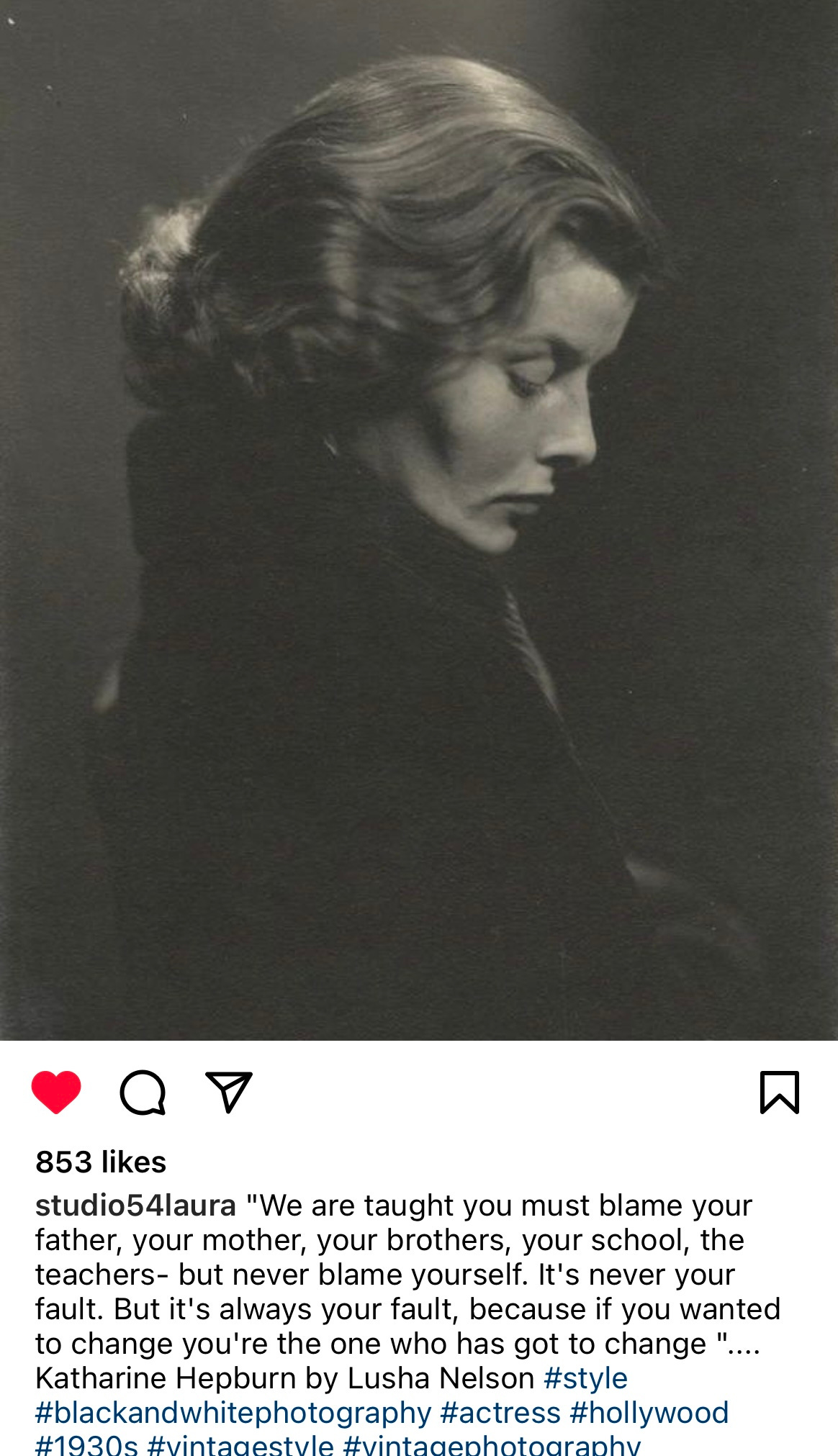
“Yet in these thoughts myself almost despising,” haply I ran across this quote from my idol Katharine Hepburn via Instagram. She’s absolutely right—the only one who has to change in the above scenarios is I. Yet how, I wonder. And to what end?
Miss O’s childhood sidewalk, summers ca. 1960s to ’70s (skates, bike, and bare feet not pictured)
New York City, like most of the planet, has been enveloped in a heat wave for the past couple of weeks. Until around 4:30 this morning, at 82 degrees and 68% humidity, I’d managed to avoid turning on my air conditioning (I know this sounds pompous, but fuck it: I figure it’s the least I can do for the earth). But yesterday, walking to and from the farmer’s market, I heard or saw a half dozen ambulances, and not counting Covid or other catastrophes the only other times you experience that here are during heat waves—heat stroke victims who live on the eighth floor, say, and can’t afford to own or run an air conditioner (55%-70% of our incomes are spent on rent here). Friday evening I was pulling garbage to put out for my co-op apartment complex (only 17 units, could be worse with a super on vacation), and even with help and being fully hydrated I had to stop to get more water, rest, breathe. And I had to wear a mask for the smell, and latex gloves (that became filled with sweat), so that didn’t help. The air quality is bad, too. Oil, engines, machines. I awoke in wee hours today, as I say, hearing my 88-year-old mother’s words on the phone yesterday, “Don’t die,” and broke my vow. Sure, I’ll live another day in the mid to upper 90s, but to what end?
In the trash room, Miss O’ fights with the bad recycling.
Calm My Ass
Scrolling through the ol’ Instagram at 5 AM as I drank ice water and waited for the cool air to kick in, I came across an ad for a popular meditation app. There are three signs, it flashed up in meaningful words, that I might be “emotionally detached”:
Neglecting your needs or depriving yourself of pleasures [Warning: lack of parallelism coming up. -ed.]
You are numbing yourself with social media, food, or alcohol
You feel inadequate and alone
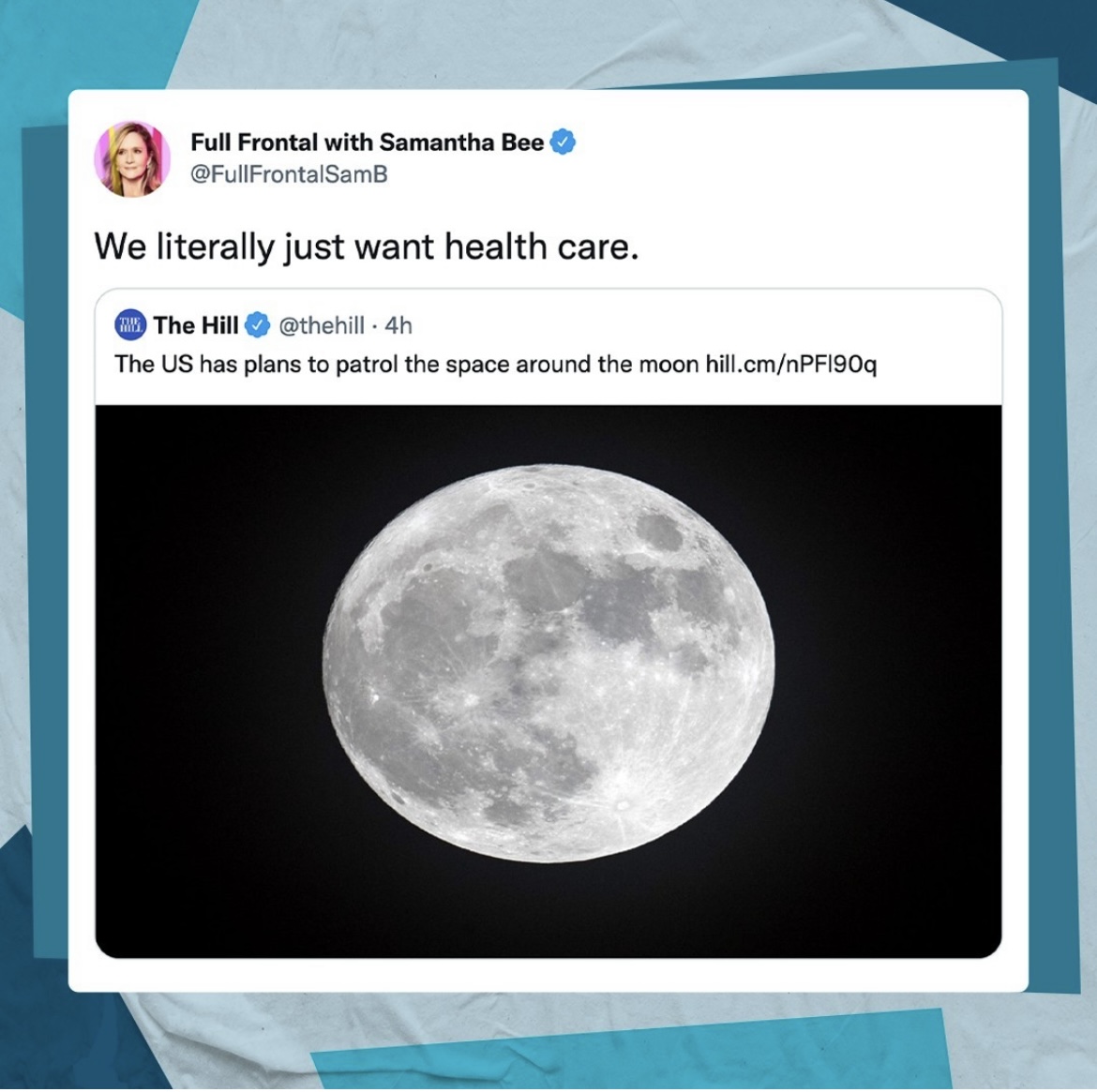
So…Tuesday? Because isn’t this everyone on the planet who is guided by love, at this point? (Note: All kinds of five-star ratings and quotations came up, too, encouraging me to “face my fears” and “become a new person”…by, what, shutting off?) I mean, did you watch the eighth Jan. 6 hearing? I think Rep. Elaine Luria (D-VA) summed up the week’s news well with this tweet:
Take a lesson, people.
This app ad got me realizing that in fact I don’t want to be peaceful. Far from it. I want a fire in my belly. I want to feel engaged, alert, excited. I’m tired of feeling tired, sick, inert. This world is on fire. I want to make the dogs bark.
Angela Sidney, Life Lived Like a Story, 1990, p. 156University of Nebraska Press, 1990. These women are true warriors.
The Voice
Question from a friend and blog reader: “All your blogs have a very specific rhythm and pattern. Is that intentional?”
Answer: Yes. [Shakes head.] (Also, No. [Nods.])
I also responded, “I’m not sure it’s pleasing. I play with moments.”
I think a voice one “hears” in a letter or blog (which for me is a kind of letter) is as particular as a speaking voice. I think there is an expectation with writing that writers will mix it up a little. Certainly, in my speaking voice, I can become a little bit Southern (from my Virginia background), or a little Midwestern (my folks), or randomly Cockney (natural mimic), depending on my mood and who I’m with. But really, Lisa O’ has one speaking voice. And over time, I’ve developed one writing voice, and I find it only varies when I am writing, say, dialogue for characters. I think it’s okay. (I knew a wonderful professor, Andrea Lunsford, at Bread Loaf who introduced herself at seminars by saying, “As my granny used to say, ‘Andrea, you have a loud but by no means pleasing voice.'”) I mean, you always know it’s a Keith Haring work, or a Georgia O’Keeffe painting, no signature required. And I don’t think you have to be that level of genius to have your own style and say many things within it.
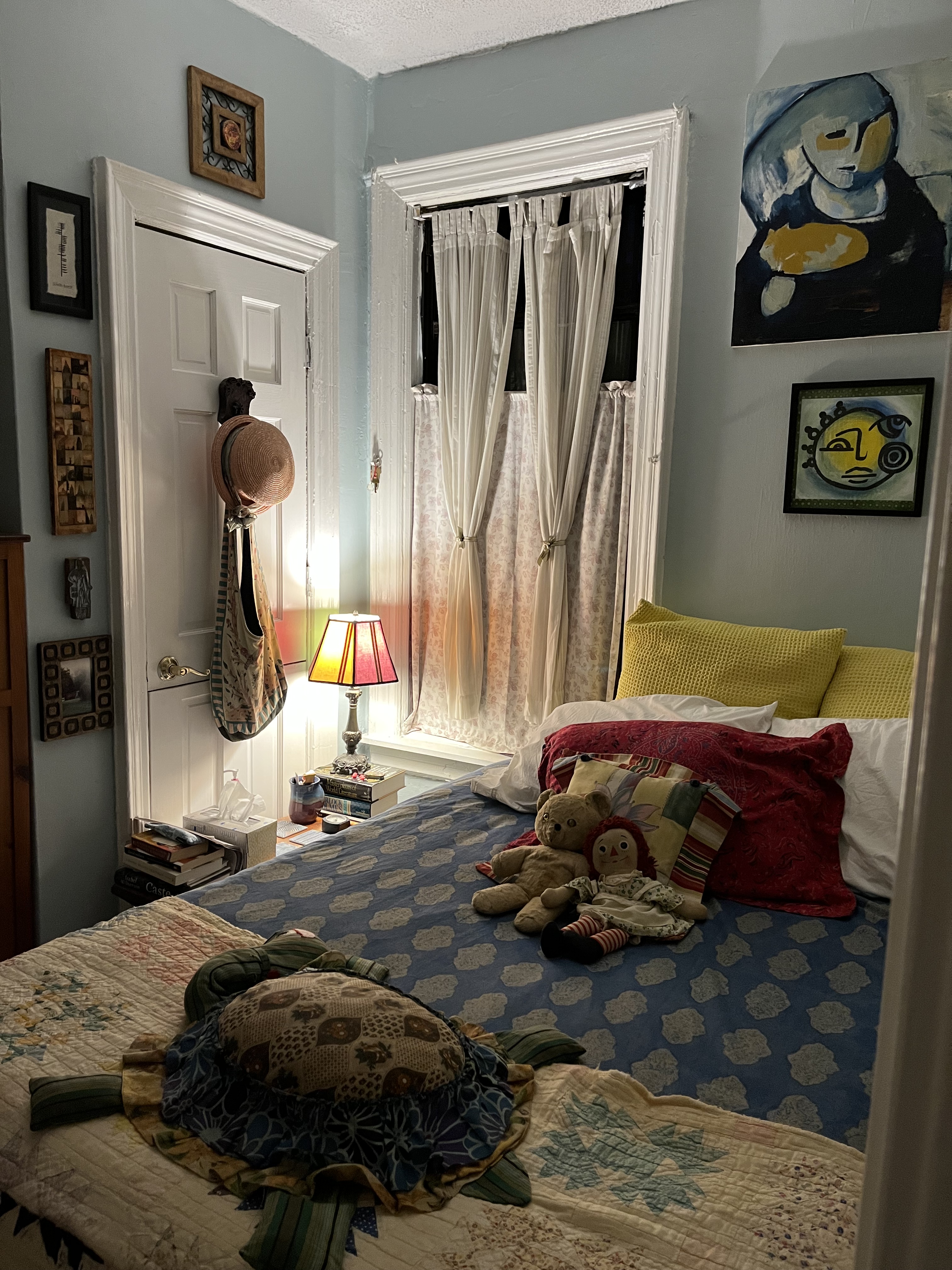
A few years ago, a friend’s son (and he’s my friend, too) and his boyfriend at the time visited my home in Queens. He later told me that I had a very specific aesthetic. When I asked what it was, he paused and thought (we were standing in the Brooklyn Museum, looking at the Judy Chicago installation “The Dinner Party”) and he said, “Dimly lit whimsy.” He smiled.
I think that describes me, my life, my talents, and my writing, too.
Dimly Lit Whimsy
I play with moments. My home aesthetic is born of arranging found and received objects, such as cards and gifts and rocks and pins and books, into vignettes. I play with moments, dimly lit. (I’m not sure I illuminate anything.) Each item in my place came to me at one moment or another, and I assemble and reassemble these moments on my shelves like a story, as I do in my mind, or in a blog post. If I make any “art,” this is about it. I’m not sure there’s any there, there, to paraphrase Gertrude Stein. I wish I were capable of greater depth, of making real art, for example, but I’m limited to the appreciation of, and at best the arranging/displaying of, the art that others make. (Flashing Sign #3, in red, “inadequate and alone”; very few people see it.)
Miss O’ at home, with foot.
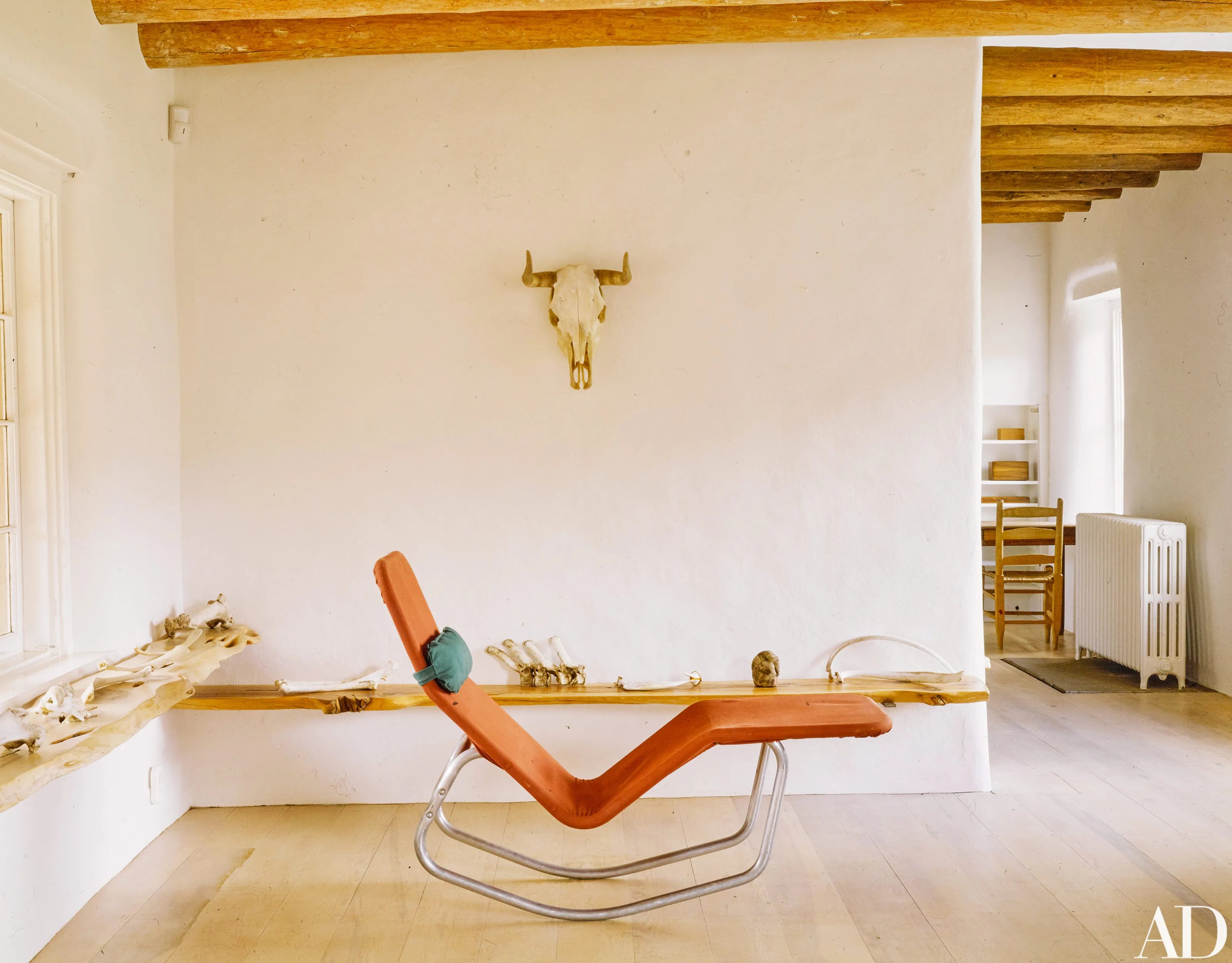
Whenever I look at pictures of Georgia O’Keeffe’s home in Abiquiu, New Mexico, however, I find myself dreaming that I was that person, content with one lovely stone, a clean old bone, a simple wood slab of a table, white walls, bright natural light, maybe two wooden chairs, a desk, a sculpture, one painting.
The way I live, in reality, couldn’t be more the opposite of that. I’m not entirely sure why. Something about a need to feel cozy, to not lose a single memory.
More dimly lit whimsy, with original art from all over, arranged just so.
When I started blogging several years ago, on Blogger, I made it my weekly task to hold in my mind all the disparate things that caught my whimsy and use the writing task to arrange a sort of pastiche/synthesis (since the post-modern world is essentially collage) to see if I could find the connective tissue (sorry—mixed media, mixed metaphors) to somehow point to solutions for the troubles of the world. It all came down to education. Everything does. Not merely knowing a lot or being smart, but rather making connections among the things we learn to try to do something with it, to use it, to put in service to something.
I’m not sure that I accomplish anything, and yet I persist, as I’ve noted before. I had a high school friend who always introduced himself with his IQ, 185, and when I reconnected with him decades later, he was still doing that, as if stuck on a tape loop. (Am I stuck on a tape loop? See also, “feeling alone and inadequate.”) Where do we find the inspiration to grow and change?
Speaking of tape loops, I often return to this little gem. Sir Peter Brook died 7/2/22 at age 97. (For best results, substitute “Life” for “Theatre.”)
Dimly lit whimsy: More and more I find myself writing in the dark. Less and less to say. Amidst so much chaos, so much violence, so many opinions, causing, ironically, so much isolation, where to? And like me, I suspect we all desire not so much “quiet” inside ourselves as stability in our outer lives.
From Instagram.
I believe this is important. Without stability in our most basic living, it’s hard to become outer directed. And if we don’t create a stable center and combine with a contained fire of purpose, the nihilists win.
Seen on the web. People are funny.
In the meantime, as that fucking app reminds us, we eat, we drink. Possibly we read. We watch the January 6 hearings. We vote. Stream a show to binge watch. But there has to be more inside us. And it wants to come out.
So here’s a call to action, to us good, caring folks who need to get off our asses and do what needs to be done, somehow. Right after this heat wave passes.
Lawn chair in O’Yard, ca. 1970s. Doodle by Miss O’, who reminds you to conserve energy and stay hydrated. For all of us.
Back in late October of 2000, my Grandma O’Hara died. After her funeral in Iowa, back at my cousin Candy’s house, Candy asked me, “Just between us, who do you think should be president?” And I replied, without hesitation, “Al Gore. He’s so much more intelligent and aware of the problems we face. There’s no question.” Candy then left the kitchen, entered the living room filled with her siblings, kids, and nieces and nephews, and announced, “Lisa says Bush is too stupid to be president.” And from then on, none of them has spoken to me, not really, even at their own mother’s funeral. This isn’t about politics, unless we can all understand that this divide in America, playing out symbolically in Iowa v. New York City, is that politics equals values.
And what has happened since that moment of Candy’s announcement heard ’round the world, of course, is that my concerns were beyond well founded; and despite this, too many of my Iowa cousins (to take one demographic) are determined for the world to end, if for no other reason than the annihilation of me and my kind, even if it means the destruction of their own children. It’s a point of pride with them, this annihilation of me, and my dreams of America; and at the very least the “fuck you” to my education and my empathy is worth the destruction of the Constitution. They would literally rather have Putin’s Russian army take us over than vote for Al Gore or Hillary Clinton.
It’s about, I gather, a celebration of their Christ; so how can I stop the end of days? They will, no doubt, sing at my execution, for they have not only inherited but also earned the scorched and lifeless Earth. Kisses.
Seriously, though (and I was serious back there): What does the future hold?
It’s in the Cards
Many years ago in college, at a party, someone I’d just met was doing Tarot card readings. At that time I was always made nervous by anything approaching religion let alone the occult, as I had been hurt by too many liars and hypocrites, but I sat in as a fellow young actress, Raine, had her cards read. Raine was a graduate student in architecture, but her heart was pulling her to theater. When it came time for Raine to pose a question to the Tarot, she asked, “Will I ever make a beautiful drawing?” What struck me about the question was the very nature of it, based as it was in art and not in material gain or comfort, as with questions such as “Will I find true love?” or “Will I be rich?” asked by others at the same party. Raine had asked about her capacity to put beauty into the world; I’d never wondered such a thing. (As for the answer, the cards were mixed; the reader, as I recall, suggested that there was something muddled in the motivation for subject’s question; the card reading would leave us hanging.) It struck me in that moment that I would never be an artist. I felt a slight pang of loss, but some of us are not artists but rather worker bees, and that’s what I was. We produce honey, sure, and the comb might be kind of cool, but ultimately I would never stand out from any other bee. I realized I was okay with that, though I wasn’t sure how I was supposed to feel. I decided that a path of uninterrupted self-loathing surely had to be penance enough for all the people in my life I would (and continue to) disappoint.
So why do we want to visit the future? On a visit to Scotland recently, I was in a pub one night when a psychic was visiting. It was an announced event, and the room was filled with about two-dozen women, all working class, aged 18 to 70. The psychic was a man about 60 years old, I’d say, very handsome, lithe, sexy, and he had his routine down pat: He’d cross his arms, rub his chin with his hand, wrinkle up his face, push his groin out a bit (a seductive posture made safe because of his arms wrapped in front of himself), and tell you what the spirits were saying, “Does the name James mean anything to you?” (the names he noted were safe bets, this being Scotland), or “I’m getting something here about being in trouble, does that sound right?” (To that one a subject declared, “Oh, no, I haven’t been back to prison for ten years—that’s all behind,” and everyone chuckled.) “So you knew that, yeh?” he said, nodding. His use of “yeh?” after his statements made the subject complicit; most were willing to go along. He’d hit the mark often enough to impress his audience; for myself, the great part was getting to know the lives and characters of so many working class Scottish women—where would I have had such a chance? More than that, here were a bunch of women looking to a phony psychic for guidance in life in the form of entertainment. Hmmm.
Where have I seen that recently?
Future Perfect
I remember reading one of Virginia Woolf’s diaries in which she said at one point that she’d like to flip ahead thirty pages in her own diary to find out how all this (whatever it was) would turn out. Wouldn’t we all? Then again, when someone asked Audrey Hepburn how she and her compatriots kept going in Holland those five years under Nazi occupation and near starvation, she said something to the effect, “I suppose had we known it would last five years, we would have killed ourselves.”
Maybe the card readings have to remain ambiguous. Maybe a psychic’s tricks are all we can handle. Still, this manufactured suspense and the ensuing chaos may be the end of us all. Maybe we are supposed to end. Maybe the best thing that could happen to the earth is our human annihilation. But it’s the suffering that pains me, and that means the suffering of all wild life, all of nature.
I feel very worn down by the chaos, the duplicity, the willful ignorance—and I don’t know how to fix this. I can no longer write—it’s hard and frustrating because I have absolutely nothing to say about anything. It seems it’s all been said—watching the impeachment hearings showed us all quite clearly that President Trump and the Republicans are actively destroying our democracy, and yet Trump’s base is more determined than ever. They would actually prefer the end of the Constitution and a Russian invasion to the liberals having power. It’s insane. My friend Rob has practically lost his entire family to Fox News, and even as a gay man they choose Fox over him every time, seem utterly incapable of separating out from their hatred of whomever and whatever Fox News tells them to hate.
As I talked about this the other morning with Amelie, a dancer friend staying with me between sublets, I said, “But then I think everyone has a Fox News,” a source or place from which only rage can emerge. I realized that for our mutual friend Rob, for example, it’s all things Shakespeare—Rob hates Shakespeare—you’ve never seen anyone so enraged over it as he was at the intermission of what to me was a most perfect version of Cymbeline as we were seeing in Central Park. Rob, who is ADHD, just doesn’t understand Shakespeare, feels excluded from it, and becomes angry over it, and thinks no one should be doing it ever because it’s old. Only NEW work, he says, matters. “Why isn’t there more new work? Who needs to see this?” And when you counter that you could say the same about opera, classical music, classic Hollywood movies, he agrees that all that, too, should go. But what if I love it? What if it feeds my soul? Presumably, I need a new soul, as do all the people who watch Fox News. So where does that leave us? I would say, here: People’s lives are happening now, in the present; to embrace the art of the past for the nourishment of the soul shouldn’t cause us to seek the death of Black people, for instance, but it got me wondering: Are these impulses to a “Fox News” reaction, however different in outcomes, tied together?
Accessibility to the Dream in One Image: Compare Trump’s notes and Obama’s.
Almost 40% of America would prefer the president on the Right, who is on the left in the photo below, to the Black president, who’s personal notes are seen in the photo on the right. Take that in. NOTE: The “no quid quo pro” was spoken to Ambassador Gordon Sondland by the president himself, which means that if an indicted or accused criminal says, “I didn’t do it,” if he or she is Republican, we have to set him or her free. It’s the new America.
Why does the right prefer the disabled in their leadership to the brilliant? In his short story “Harrison Bergeron,” Kurt Vonnegut saw this coming, the lowering of all the expectations in the nation so that all is “fair,” that everyone has equal access; therefore, a unique genius, exceptional athletic ability, and the like, are not to be borne; we will have be given handicaps to prevent us from being too good or to beautiful or too curious—the mind control is high-pitched sounds—the burden of thinking for oneself no longer to be borne. And the Right calls the Left “politically correct.” NOTE: Every time a Republican speaks, just cough out, “Projection,” and keep walking.
Even in New York City, “Harrison Bergeron” is becoming a new normal. I look at the plans for the Brooklyn Botanic Garden [yes, Botanic, not Botanical, so at not to confuse it with the NY ones in the Bronx] that demolished this gorgeous stone terraced gardens on slope so as to make the slope accessible for wheel chairs and walkers. So, too, was the only natural area of forest razed and smoothed, so as to eliminate those pesky roots someone might trip over. Hell, a developer is building a condo that will obscure sunlight for the largest part of the day so the whole Garden is going to die anyway. Venice is under water. But let’s enable quid pro quo come hell or high water.
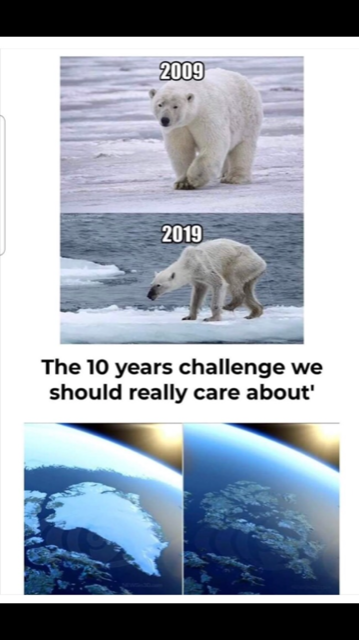
Is annihilation of beauty our goal? Is that why we’ve allowed 60% of wildlife to die off in the past 45 years? Are we afraid of anything that soars beyond our understanding? Even Christians are terrified of the teachings of Christ, because living by those teachings is so hard, requires so much of them, that it’s easier to throw money at a huckster preacher like Joel Osteen than to read and study and meditate and try to become a better human. We live in exhausting times.
The quick message that is killing us is “Consume.” Consume goods and more goods. Let your hatred consume you. The other week I went to see Bella Bella, by and starring Harvey Fierstein, wherein I learned how as a young attorney and civil rights advocate, Bella Abzug traveled to Mississippi to defend a black man accused of rape for having a consensual affair with a married white woman. Because she could get no accommodations she slept in the bus station or the ladies room, hiding her feet on the toilet seat when the security guards came around, and this went on for two years, as she went to the Supreme Court to get the guilty verdict overturned, won, only to have Mississippi re-indict him; won again, re-indicted again, and without waiting for another appeal they simply executed him in the town square. Those whites in power rigged up an electric chair with a generator, and 200 white people came to watch, sitting with picnic lunches and cheering. I wanted every member of Congress sitting next to black colleagues to have to watch this play. There are members of Congress who would cheer to this day. So would those Iowa cousins up there.
In the face of all that, Bella Abzug was a model of all the best women I know and have seen and revere.
Fox News demonstrates that the worst qualities of human beings—hatred, greed, jealousy, and lack of curiosity—are the qualities most needed to the devil’s work to succeed, in the name of Christ and the Constitution. In the Bible, Eve is “punished” by the God of Wrath for being curious—but it’s not punishment, is it? It’s the natural order of things—we all have to leave the Garden if we are to become all we can be. Christians who are not Christians but followers of preachers are told over and over the Old Testament story of how a woman tempted a man out of paradise, how repentance is the only way, and that it must come in dollar donations. And to be clear, Adam and Eve were white; Jesus was white; anything “good” is “white,” and I’ve about done had it with WHITE is RIGHT. Fuck white.
Interpretations of Events
How do you justify evil? To what do you turn to so that you can live with an atrocity? Or, worse, when is an atrocity not an atrocity? I think of women and babies. When a woman is raped and made pregnant, the Right asks, “What was she wearing?” and demands she keep the baby. No harm, no foul, right, Right? If a woman dies as a result of a back alley abortion, she deserved it. If a woman if fleeing for her life, gives birth, and has the baby taken from her by authorities…it’s okay, as long a the baby is brown.
The other day one of my many cousins, whom I’ll call Pam, had an exchange on Facebook wherein she called out Donald J. Trump as a piece of shit, and I concurred. Another cousin from another aunt and uncle, whom I’ll call Bonnie, came in to announce that Trump had done everything his base wanted, such as building a wall, pulling out of the Paris Climate Accord, moving the embassy to Jerusalem (after which Bonnie inserted a super happy emoji), and giving tax breaks to billionaires to “grow the economy.” All I could do was ask Bonnie, “Why do you think any of that is helpful?” to which she could only say, “I don’t have anything to prove, I’m just saying that’s why his base loves him.” Huh? My response, over several message bites, amounted to, “I hear you, but I’m telling you that none of the things you listed is useful to the nation or the planet; and how you can ignore all the destruction of his presidency is staggering to me, our loss of standing in the world as a global power not the least of it.” And…crickets.
When will I write something beautiful? How will I be of use before the end of times?
During the flight back from Scotland I watched a movie that resonated in a staggering way. Michael Shannon’s character in The Shape of Water, which won best picture of 2018, is, symbolically, rot. His body manifests the rot; his soul’s rot and mind’s rot are seen in his increasingly ruthless behavior, escalating in a quest for power no one above him will ever give him; when he fails to achieve the power he seeks, his only motive in continuing to live is revenge.
Sound familiar?
It has been ever thus: The Right is Rot. This is not to say that the Left is the Answer, only that the Left is not (yet) infected with rot. Possibly both sides will devolve into only Rot, with only the artists creating the beauty.
We all live a great tragedy.
Old Art in the Service of New Understanding
On Friday night after Thanksgiving, I went to the Public Theater to see a revival/reimagining of Tony Kushner’s A Bright Room Called Day (a title he decided on from a mishearing of “A Bridegroom Called Death”) a play from 1985 in reaction to Reagan, deeply prescient in its prediction of a Donald Trump in 2019, and updated by the playwright for that horror. The play chronicles the rise of Adolf Hitler and the Nazis from the perspective of a group of friends in Berlin from 1932 to 1933, and what is clear now, given the clarity of the parallels, is that there is no way to stop the fascism of America and its new ownership by Putin’s Russia. We can’t stop it. It only takes around 40% of the population to help fascism succeed, and the Republicans have it.
Those of us who see the nation’s and world’s end with profound clarity can only do what Kushner’s surrogate does in the play, and that is scream that he had to write the play “because I didn’t know what else to fucking do! I had to fucking DO something!” And this is exactly how Miss O’ feels. Though as for the fellow middle-aged New Yorkers in the audience that night, they could only sigh and comment, “I don’t know if I liked this play,” thus missing the point, thus confirming why the left cannot win this.
The end of the planet is nigh. There’s no stopping it, just as there was no stopping Adolf Hitler and his 37% “majority.” The Third Reich functioned efficiently for 12 years. Earth doesn’t have 12 years, however many millions are slated to die. I’m sick and sorry about it, and yet I know I will continue to try, despite this inevitability, to make a livable world; I know I can only continue to try. I’m sorry that too many of us won’t, sorry for my nephews, who likely won’t see age 40. Neither will your children, but somehow you won’t admit this. Your kids will hate you more than love you, but somehow, again, you won’t admit this. Apparently this is somebody’s god’s will; apparently the “winning” of “Donald J. Trump,” liar, thief, scoundrel, motherfucker, is, inexplicably, more important than the future of the voters’ children. It’s weird, to me. I mean, isn’t it insane?
A Handmaid’s Tale. (The Guardian.)
Philip Glass’s Akhnaten: Egypt of 1350 and America of 2020
At the close of this gorgeous and deeply moving opera, which I had the privilege of seeing at the Metropolitan Opera last night, a leader reforms Egypt, moving it away from polytheism and toward a monotheism that worships the Sun, the giver of life. The production features a master juggling troupe, whose skills of juggling the balls to the music end in the dropping of all of them as the pharaoh Akhnaten and his bride Nefertiti pay the ultimate price for not keeping a closer watch on the new world they have built, after spending 20 years in a bubble of their own love. The final scene of the play is the death, mummification, and ascension of Akhnaten and the continuation of a weary world in his wake. The jugglers crawl across the stage, pushing the dropped ball along, even as the curtain falls.
This opera left me reeling, with a burning question tied to Tony Kushner’s question of the night before: In the wake of the failings of leadership, who will pick up the ball, continue the work of the world, keep the music pulsing? Do you want to keep going?
“Eighty percent of life is showing up.”
~ Woody Allen
“Show Up: Collage by Miss O’, June 2017
Public:
From the Middle English publique, from Anglo-French, from Latin publicus; akin to Latin populus people
First Known Use: 14th century
(Source: Merriam-Webster online)
Back when we the aspiring wrote our first serious essays for public view in high school, one of our classmates would have the novel idea (novel for a 15-year-old) of opening the essay with a dictionary definition of a key word, such as “stream” or “consciousness,” say, to start off the proceedings. Other eager writers, deeply impressed, would then copy this technique, and at some point during the year, after reading dozens of such openings, your teacher would write in red on your essay, “You might try another approach.” Deflated, for you were really excited to try out your brilliant classmate’s technique for yourself, you nonetheless pushed yourself to find a unique way into the next essay. The same happens when we in the theater direct classic plays: We can’t repeat the same old formulas when approaching a classic, because what was old needs to feel new again: Artists look at a work by, say, Shakespeare, and ask themselves, Why this play? Why now? What could we do to bring it to life in the modern age, make it contemporary and meaningful to today’s theater-goer? Sometimes it works, this novel approach, and sometimes not so much, but one of the best things about art, even if done without easy success, and maybe especially then, is that it gets us, the public, talking about it.
So with all that in mind, and given the current controversy over the Public Theater’s production of The Tragedy of Julius Caesar in Shakespeare in the Park in New York City (and can I get a “Hail, Caesar”?), it seems a definition is in order. According to the Merriam-Webster Dictionary online, here are the definitions of public:
2a: of, relating to, or affecting all the people or the whole area of a nation or state public law b: of or relating to a government c: of, relating to, or being in the service of the community or nation
4: of or relating to business or community interests as opposed to private affairs :social
5: devoted to the general or national welfare :humanitarian
6a: accessible to or shared by all members of the community b: capitalized in shares that can be freely traded on the open market —often used with go
7: supported by public funds and private contributions rather than by income from commercials public radiopublic television
Your Miss O’ here hasn’t seen the now internationally famous production (free and open to the public (see definition 3a) in Central Park, closing today as they prepare their next offering (A Midsummer Night’s Dream, with Melania as Titania; I kid! Ahem), but I did teach the play itself for all of my 15 years in public (see definitions 2a, 3a, 5, and 6a above) high schools, as an English teacher. The play has been taught nationally since the early 20th century, I learned, as a replacement for what used to be called Rhetoric, when public speaking (see definition 3a above) began disappearing from the school curriculum. Julius Caesar the play is, as was the man himself, fabulously political, which is often unwelcome in America lately because too many Citizens (or Plebians, in Caesar) aren’t terribly educated on the whole about civics (a Greek and Roman idea with a Latin root in the word). Schools, as we know, are competing with lots of stimuli from the public arena (see definition 1a above), and teachers more often than not are having “to fight to teach,” as Miss O’s colleague of many years, Mrs. Little, was often heard to say in the years before she retired.
So what is a public? What is a republic? And what do they have to do with a theater in New York City called The Public Theater? I read yesterday of all these protests attending the Public’s production, protests carried out by a public consisting of people who have probably not heard of the play outside of a vague memory of suffering through Mrs. Ayers’s triple-matching test one semester of their sophomore year of high school (I mean, what the hell?). Doubtless the protesters of the Public had never read the play with anything like understanding, let alone seen a live production, or even sat through the entire movie with Marlon Brando in the pivotal role of Marc Antony.
What they are missing—and what anyone up in arms (an idiom which was once quite literally about raising ones weapons) about this event is missing—is knowledge, both of the subject matter and the play. (One could say the same about most any public protest, for one should always know deeply the why of any protest.) It’s easy enough to Google both the man or the play in Wikipedia (and anyone reading this blog won’t need to, more than likely, which is the futility of writing blogs like this), but chances are that even still, most Americans probably know more lines from it than they realize:
Friends, Romans, Countrymen, lend me your ears…
…let slip the dogs of war…
Though last, not least in love… (“last but not least”)
Those might surprise you—these everyday things. Here are others, seen online:
Beware the ides of March. (1.2.23), Soothsayer
Et tu, Brute? Then fall, Caesar! (3.1.77), Cæsar
Friends, Romans, countrymen, lend me your ears;
I come to bury Cæsar, not to praise him.
The evil that men do lives after them;
The good is oft interred with their bones;
So let it be with Caesar. (3.2.79-83), Antony
It was Greek to me. (1.2.289), Casca
Cowards die many times before their deaths;
The valiant never taste of death but once. (2.2.34), Cæsar
This was the noblest Roman of them all. (5.5.75), Antony
Men at some time are masters of their fates:
The fault, dear Brutus, is not in our stars
But in ourselves, that we are underlings. (1.2.146-8), Cassius
This was the most unkindest cut of all. (3.2.193), Antony
Let’s carve him as a dish fit for the gods. (“a dish fit for a king”) (2.1.173), Brutus
Not that I loved Cæsar less, but that I loved Rome more. (3.2.23), Brutus
What Julius Caesar is, though, beyond the quotes, is a fascinating study in the greed for power desired by a few men who would lay waste to the land, their institutions, and the people they would lead in order to attain more of it. It’s a study, too, in the use of language, of rhetoric, to not only persuade but also hoodwink a crowd with conspiracy theory, getting the crowd to do the looting, killing, and army work in order to feed the hunger of one man’s desire for power. In other words, it’s an instructive play, and it’s a hard play, and its themes are and remain universal across civilized societies everywhere. And it took me years to understand it and to love it. That is Shakespeare for you. That is life for you.
The Public and the Republic
Should you care to, there’s a solid Wikipedia article on the meaning of republic, and it’s worth a look at the history. At the time the play is set, and in real life, Julius Caesar was the head of the Roman Republic, which republic was an exercise in representative government that carries over to our American Democratic Republic today. At the time Shakespeare’s play begins, Caesar was about to be crowned emperor by the people, and the concern of the play is, and remains, our own concern today: Can we have representative government of the people with a king in charge, however idolized by the general populus? And is assassination (a word that first appears in print in Shakespeare) of the man who would be king ever the right choice? (Hint: No.) And why are crowds so easily manipulated and so goddamned fickle? The rise of Marc Antony is especially chilling. If you read nothing else, read Act III of the play: The assassination, the aftermath—ring leader (and yet noble) Brutus’s hasty act and unrehearsed speech, Antony’s vengeful use of that speech in his own rhetoric to turn the crowd to “mutiny”; and finally, the shocking turn of the grieving Antony into the gleeful victor as the crowds tear away on a killing spree: “Mischief thou art afoot. Take thou what course thou wilt.” In Act IV, he has his own nephew killed. And we and the people learn the hard way: Great a speaker as he is, devoted to Caesar as he is, Antony is really only loyal to Antony.
Coming Up Trumps
Yet another Shakespeare play resembles the present age of American politics: it’s Richard III, only with a president who is infinitely less intelligent if no less mentally unstable than Richard. But what the two have in common is a desperate need for power, accolades, and above all loyalty. Watch Al Pacino’s wonderful documentary and filmed version of scenes from the play, Looking for Richard, and you’ll see what I mean. And another Shakespeare play that comes to mind, in a painfully diminished form, is King Lear, where the old king divides his empire among his three children, demanding from each supplication and eternal devotion. And we all know how that turned out. Or we should—and it’s why education and the arts matter, matter, matter. Goddammit anyway. Because if you’d just read Shakespeare, you’d see that not only have we seen all this before, we saw it in language so far elevated above the National Tweet it makes your head do a Spicer spin. And yet Shakespeare might make some people feel, you know, stupid, or put down, because anyone can understand a tweet. And isn’t that all we need?
Going Public
“Julius Caesar can be read as a warning parable to those who try to fight for democracy by undemocratic means. To fight the tyrant does not mean imitating him.” – Oskar Eustis
Photo by Miss O’ from the Staten Island Ferry, June 2017
The Public Theater (see definitions 1-7 above) is a terrific institution (https://www.publictheater.org), if hit-or-miss in terms of quality, so that the same theater that gives you Hamilton and Fun Home also gives you David Byrne’s (“not ready for prime time at ALL” according to friends) Joan of Arc and, according to some reviews, this production of Julius Caesar (Read Oskar Eustis’s statement here: https://www.publictheater.org/Julius-Caesar/). As to hit-or-miss: Who cares? Life is hit-or-miss (just ask our president and his two ex-wives, and probably his current wife, to say nothing of the business owners he screwed over), and unlike those folks who tell you “life is not a dress rehearsal,” Miss O’ would argue that life is ever that. It’s an experiment, and it requires engagement, adjustments, rethinking, and, sometimes, new costumes to keep up with the fashions of the times. It’s also worth remembering that, as Oscar Wilde said (pardon the cliché), “Fashion is a thing so hideous we are forced to change it every six months.” And most politicians, too, can and do become hideous—hence the need for term limits.
Speaking of term limits, most plays have a limited, and often terminal, run. Modern productions reinvent classic plays for a new age, and they, too, have a limited run. And this president, provided we don’t have an assassination attempt, a military coup, or war to end all wars, will also have a limited run. He’ll be sent packing, or will leave of his own accord to start up a TV network, or die of heart failure in office, or walk clumsily out after Inauguration in eight years, red necktie beating his face, as he heads to his gold-plated jet for rich living in his Tower till the end of his days. It’s a crapshoot, and yet we have to keep playing craps.
How many ages hence Shall this our lofty scene be acted over In states unborn and accents yet unknown?
~ Cassius to Brutus, Act III, scene i, Julius Caesar Translation:Karma is a BITCH.
The personal is political, as the feminists say, and the political becomes personal, in the best and worst ways, depending on the will of a fickle public. I took a trip to Ireland in April and noticed that there really was a pub, or public house, on every corner, and it’s not hard to see why. We could use a drink. The Irish know that as well as anyone.
At Aggie’s Pub in Killea, Dunmore East, Ireland.
And a TRIP. Travel, for goodness sake. Travel. Get out of yourself. I can’t tell you how much better I felt about life, both during and after Ireland. Show up to life, sure, and then pay attention. And the more we, the people, can venture out and gather in public and LISTEN as well as protest, the better chance we’ll have to weather this latest political tempest. Ask Ireland about The Troubles, for crying out loud. This is nothing, I tell ya. And still we have to DO something about ours. So do that, and in a democratic way.
Sending love to all,
Miss O’
The Ring of Kerry, view, Ireland. It took the Irish 400 years to gain their independence from Britain, the empire that captured and subjugated everything and everyone, except the little island next door. These are my kind of people.
























 The Miss O' Show (Teacher's Edition)