It’s an ordinary Saturday in Queens, which is to say “ordinary” if you aren’t thinking about the fascism. (I really can’t get over the way that Meta bleeps “Nazi” and “swastika” from videos, or that posters have to insert an * somewhere in each of those words so the post passes muster, even as Elon’s and Bannon’s sieg heils are fine.) I am waiting on a 7 Train, only to learn it’s not going all the way to Manhattan, so I have to switch the N or W, so my mind does a little adjustment. It’s all good.
There used to be moments when, as my friend George puts it, it seems Americans are simply going to be inconvenienced to death. Now, unfortunately, and for a long foreseeable future, we are under threat of annihilation. But today, I’m heading to The Chain Theater at 312 W. 36th Street in Manhattan to see the 2 PM installment of their rolling rep One Act Play Festival, and today I don’t want to think about annihilation.
When I arrived at Times Square/42nd Street, I walked through Golda Meir Plaza, struck again that in the 1970s we had female leaders like Meir of Israel and Indira Gandhi of India, Thatcher in ’80s Britain, and that the United States couldn’t even manage one woman in 250 years, choosing an avowed white supremacist dictator, twice, over a highly qualified, democratic woman. And here we are, I think, wondering as I keep walking what will happen to the bust of Meir.
First, I have to go to the ATM, and for some reason my card chip will never work to open the door; another customer, a man in a hood, has a card that opens the door; he engages in no talk. I go in behind him, and I realize I’m shaking. I find I’m afraid to use the machine until I see him at the other machine, and really getting money; I finish before he does, even having to enter my PIN twice to get it right. Odd, having the shakes like that. Or not so odd. Frankly, that’s as fearful as I want to be in life.
It’s nice out, 40s, sun. I walk down 7th Avenue, taking it in, struck again how I can always spot a tourist. I am of New York City, I move that way, more grounded, a bubble of insulation and also awareness. I was a tourist for 20 years before I moved here, so I don’t mean this as criticism or praise; it just is.
I arrive a half hour before the play festival is to start. I see Mary, the director of my friend Colleen’s play, in the crowded lobby, and we hug. I check in at the desk, my friend Tom having bought our tickets online. Our friends David and Barry are also coming, and learning the afternoon is sold out, I go in when the house opens and save us a row, as it’s general seating. An older woman in the row behind me is doing the same thing. (It’s always funny to me how everyone who enters a general seating situation somehow believes they will get to sit alone, empty of audience members around them, and they look at my saved seats with resentment.) The boys show up just before 2 PM, so we don’t get to visit much, and they don’t have time to go out after. I seem to be the only person I know in the city who has nothing but time. Ah, well. Still, being in this community even for a brief time is comforting and energizing. Hopeful.
For the uninitiated: Attending a play festival of new work, especially one-acts, can be a crapshoot. I’ve attended many of these, both as a high school director and as an audience member in New York, and too often only two out of the five or six are well-written, and only one or two are well-acted and directed, and often it’s not the same set of two. So imagine my delight—I knew Colleen’s would be adorable because I’d read the stage directions for it at a workshop—when all five were simply excellent.
The common theme—and this was a really thoughtful grouping—was aging and death. This might sound awfully close to that annihilation I was avoiding, but it wasn’t the case. The first play was a monologue, a 60-year-old son eulogizing his father at the funeral; the second, two old people on the E Train platform; the third an older man trying to make a deal with Death; the fourth was Colleen’s (a play inspired by seeing a plaque in Evanston, Indiana, along the Ohio River, where President-elect James K. Polk was to have stopped his steamship and didn’t disembark), with an old woman (Colleen) and her grandson in 1854, the year Lincoln was really getting started; and the last a gay couple, older men, one who has, we see gradually, dementia. And all of these were by turns serious, funny, sweet, surprising. And ultimately, ordinary, in the best sense. Life lived.
I’ve realized lately that what I crave most in my music, my art, my nature, and my life, even, is ordinariness. I don’t want the surreal, the challenging, the wildly surprising. I get too much of that in unending loops in American society now, breathless, mean, chaotic, and all that hate and chaos, while not remotely sustainable, will be unending for four years at the very least, and if we all don’t stroke out and live to see another election, we may see a divine revolution. Until then, I want mundanity as a life theme.
For example, here’s a task of basic maintenance.Simple chores. I did the annual bowl oiling during my lunch break one day since I work from home. So restful. Once the oil soaks in, they’re good to go for a year. I oil the cutting boards at least twice a year. Isn’t it nice to focus on that?
As another mundane activity, before leaving for the subway with a half hour to spare once dressed (I took care to pick my ensemble and accessories, knowing no one else would actually care, but it’s my inside feeling that counts), I noticed that I have a lot of loose knobs on my two dressers. One dresser requires a Philips head and one a flathead screwdriver. I keep these in a pitcher by the door—I like to have my tools ready at hand. Knob by knob, I tightened them. In doing this I noticed a few scratches, so I went to my tool closet and found the wax wood filler pencil. And I filled the scratches, and it’s funny how the more you fix the more you see.
And this by the way task was really satisfying. You know what I mean? And centering, before heading out into the chaos of New York’s mass transit.
Why do we have to exist in all this rage and war and hate and aggression and greed and chaos? We all have knobs that need tightening. Why, just because of a few psychotic, damaged men who cannot be satisfied or fulfilled by all the money and power in the world, do all the rest of us have to suffer for all time? Why do other people, people with absolutely no hope at all of either wealth or power, follow them, go psycho with them, and go after all the rest of us? Don’t THEY have knobs?
From the web.
I was thinking too about AI, how the goal is to replace humans, to erase humanity, and that AI cannot tighten knobs. How are we to cope with the attempted erasure of culture, of women’s sovereignty, of black and brown people, of the earth itself, when this desire for annihilation is beyond lunacy? Why can’t we be? Being is hard enough. Knobs come loose. Why can’t we work together to solve real problems?
From the web.
To cope with the whole mess, as I brace for some kind of war, I’m taking more and more pleasure in the very ordinary, like watching people on the subway.
A Study of Knees and Nylons. N Train to Queens. LO’H 2025
I know I can’t be alone in these chaotic feelings. How are you coping? In addition to doing chores, seeing art, and attending the occasional rally, I’m calling politicians and listening to Nina Simone. Followed by Yo-Yo Ma. You?
I am a 60-year-old American white woman who has been steadily listening to Nina Simone and Miriam Makeba for months now, and today find that I have turned my Apple music subscription to Chappell Roan’s The Rise and Fall of a Midwest Princess. White girl voices are often too breathy and whiny for my taste (so, bless Adele), and the lyrical complaints about girls and boys and coffee date ghosting don’t exactly feel vital or resonant, but there is something compelling about Roan.
It’s good to know I can still be surprised by an artist, especially a white one, because lately I’m not surprised my much else white people do.
Anyone in America who works somewhere has probably been “acquired” by “a firm” of some sort for their “portfolio”; and as a result, we all of us feel this chapter of American democracy, as was, all too keenly: the Musk acquisition of America. I’ve read that the Republican voters who work in civil service never thought that the people they supported for office—that is, the venture capitalists and hedge fund managers and private equity firms—would actually strip the government and its Constitution and sell it for parts, and fire them, but they voted for Donald “You’re Fired” Trump despite all the evidence and have found out why he’s been bankrupt six times and still standing. Musk had swooped in and destroyed Twitter and it meant nothing to these voters, either. What did they think? Well, unlike Captain Renault in Casablanca, “a poor corrupt official” who knows full well how the game is played when he says, “I’m shocked, shocked to find gambling going on here” as he collects his winnings—these earnest civil servants living in their paper pushing D.C. bubble lack a social safety net moral compass. When you think life is only money, only “savings,” you may be missing, I don’t know, a heart. Or basic life experience. (And they are about to find out what unemployment looks like when there’s no money for them to claim, and no jobs to be found except the ones all those poor, now-deported undocumented people did. Godspeed.)
For anyone who needs a personal testimony of this process, the publishing house I work for was taken over, the first time, by finance people who quickly eliminated the Editorial Services Group (ESG) because they didn’t know what ESG meant. And they never asked us before handing out the pink slips and severance packages. The ESG, as it turned out, were the COPY EDITORS and FACT CHECKERS for our textbooks. Our product. Our source of revenue. And even after learning this, the financial overlords just shrugged. Who needs copy that is correct and makes sense in educational materials for America’s students? Who will really notice? $$$ (Now I do my job and their job.)
These are, after all, people who don’t believe in textbooks, obviously; we now formally live in a nation of capitalists who don’t value education because somehow they think they learned everything (and they think, everything) through osmosis.
Cue today’s lethal gem of a typical private equity business slash move:
There’s not an American office worker in existence, or factory worker, or cashier, for that matter, who didn’t read that headline and nod.
Why do you need refrigerators? It’s a grocery store. No more refrigerators.
That kind of thing. Only now our entire nation’s security, health and safety, and economy are in the hands of, quite frankly, money fiends devoid of vision, purpose, or shame, let alone the “common sense” Trump claims to have. (Emerson called common sense “genius dressed in plain clothes.” Take a memo.)
In another example, I read that some 1.7 million HOMES around the country are vacant, sitting empty since being acquired by private equity firms, either for the land or the tax write-offs, with no interest in the communities in which the houses sit. Freeing these homes to be sold to people could end the housing crisis, maybe. At this rate we’ll never know. $$$?
My go-to comfort viewing during all this mess has been rewatching the 2019 documentary Toni Morrison: The Pieces I Am, directed by Timothy Greenfield-Sanders, like, a dozen times. I read a review that referred to the documentary as “flat,” and it occurs to me that it’s hard for the newer critic folks to enjoy being brought fully into a world as thoughtfully as this film brings you into a teacher and book creator’s life. The subject, Nobel Prize winning novelist Toni Morrison, is as great a subject as a literate viewer might want, unless what you want is a subject like Hemingway, who beat his four wives and fought to the death in wars and bars; or Pablo Picasso, who screwed two women on the same day and then painted them both, as a habit. I’ll take Morrison’s strong sense of self, her moral compass, unflashy living, artistry, deep humanity, and humor, thanks. And she has great literary company for additional commentary. It’s all about the love of language, and the way we use language to tell about life.
Morrison recalls a time in her early childhood where her sister was teaching her letters, and they would use pebbles to scratch the letters on the sidewalk. One day they saw a new word down the block, and they began copying, F…U…, and suddenly her mother ran out of the house and yelled at them, they were crying, they didn’t know what they’d done. In that moment, Morrison says, “I learned, words have power.” (I had a similar experience when a neighbor up the street taught tiny me and my brother Pat, “Eenie, meenie, minee, moe, catch a n***er by the toe.” Not knowing that word, I substituted one I did know, but when I used that word within earshot of my mother, it sounded bad, too, and I got yelled at. So I tried, “Eenie, meeie, minee, moe, catch a quarter by the toe.” Because I couldn’t say “nickel” anymore. My mother, realizing what she thought she’d heard, said that was fine. Even though coins don’t have toes. I learned that language can surprise you, that language is invention.)
I bought this latest notebook at McNally’s on 8th Street yesterday.My first desire for this notebook, after placing impressions from all my rubber stamps on the inside cover, was to write all my letter forms and numbers. And it really got me into a sense memory of how much work it took to learn penmanship, to practice spacing, use the lines, to be able to form words to communicate. And I was impressed with my young self. I really was. Education is wonderful.
The opening credits for the film show an artist putting together an ever-changing collage of black and white photos of Morrison’s face, pieces from the many stages of her life, along with patterned paper, to jazz music, and I could watch that over and over just by itself.
But on this day of Black History Month, I want to share this observation Morrison makes about her growing up in Lorain, Ohio, a background woven throughout the film to create a familiar texture, one that grounds the artist in a relatable experience for most of us. “It was a melting pot, it really was,” Morrison says of the Blacks, Italians, Poles, and other working-class migrants who came to this steel town along Lake Erie, where “there was no shame in being poor.” Having enough to get by, pay the bills, have a roof, meals, your people—you know, you were good. (I grew up that way, to start. My parents were working class and moved to the middle class, and it was a big deal; values started changing, more materialism, fitting in, all that. Poverty stood out. As a nation of billionaire worshipers, we need to think on that.)
But more interesting to me this time is when she says that she had come to realize that the melting pot, “the cauldron”—and here she makes the pot with the hands—“is Black people. We are the pot.”
The United States of America would not exist at all without the slave labor of Black people, and we know that; and more than that, there would not be a culture without Black people, or at least not a culture I’d want to live in. Along with our Indigenous roots, Black music, dance, energy, love, drive, gospel, wisdom, persistence; Black love, righteousness, and willingness to throw their bodies at justice, at life, to boycott the bus lines of Montgomery, Alabama, for thirteen months—all this holds the rest of the (white) country together, makes this a democratic nation, and one I can stand to live in, if not be always proud to live in. Morrison’s late life understanding that Black people were the holders of what was melting in that pot, that they were the pot, hit me hard when I watched the documentary again last night. They were our models for the fights for justice.
I read this on Friday morning on the Instagram account of my favorite trans performer, 2024 McArthur Fellow Justin Vivian Bond. I went to the Stonewall website several times, where they also removed the “Q,” and when I scrolled down and it said, “Was this information helpful?” I chose NO, and a box asked for tips. Oh, I gave some tips. “Where’s the T? Where’s the Q? For shame.” Times 10.
On Friday, which I’d taken off to have a four-day mini break, I’d planned to spend the cold winter day at the Met Museum but instead took a detour to the Trans Rights Rally at the Stonewall National Monument at Christopher Street. I want to be an ally. Standing with all these people, where it all began, is a little surreal. “Let’s go get coffee,” one person said to a partner part way through, checking his phone. Stonewall made that possible—to just live your life.
And really, face it, without gay men, there is no Hollywood, no theater, no fashion, no clubs, no fun. Without lesbians there is no feminism, no suffrage. These are small examples, broad strokes, but you see what I mean.
American rock music—our greatest export—has its roots in American Indigenous music as well as African music. It’s not that there are no contributions by white artists, it’s just that this country would be unrecognizable, and without doubt way less interesting or dynamic, if left only to cisgender, straight whites. (Lawrence Welk, anyone? At least there’d be no Kid Rock, what with rap off his radar.) Watch what Trump does to the Kennedy Center, if you can. You know it’s cringe.
The ironic wit and hijinks of The Onion and improv theater notwithstanding, white culture has lately been elbowing out any good stuff in order to put that glaring spotlight on capitalism, our god; private equity, individualism, willful ignorance, winner take all, white supremacy, oh, and fuck you, parasite, should there be a fuck left to give. If you see what I mean. And porn. And rape. And brews for bros.
Time to melt that into the pot. And keep it melted.
Meanwhile, keep the faith, show up, find the joy somehow. That’s what I think today. I’m trying to listen to more music. Dance. And you might watch The Pieces I Am, especially if you feel like all this fragmentation of America is making you fall to pieces. It’s so hopeful. And read Beloved.
Love,
Miss O’
“As a woman I have no country. As a woman I want no country. As a woman, my country is the whole world.” ~ Virginia Woolf, paraphrased. Blue button and “Yes Now Right Now” button by Lisa DiPetto and available on Etsy. I had really hoped my Love trumps hate button would be a relic by now. P.S. Red lipstick was a sign of resistance against Nazis, fyi. Nous continuons.
Yesterday morning, Saturday, a week before I’m scheduled to return to New York (according to my latest in an ever-updating series of return Amtrak tickets), my mother, Lynne, still prone in bed in the playroom despite a light breakfast, sips of coffee, and blaring overheard lights, grumped to me and my dad from her near fetal position, “Would you leave me alone for a minute?” Sorry, Mom, I said, and out I went to get coffee; my dad remained, quiet, in a chair watching the very loud news. So it goes.
A few times during the last week, taking breaks from my own publishing job (where on Tuesday at the dining room table my computer died, had to order a new one via our help desk, get it FedExed to me, and return my old one, which I did, thanks to brother Jeff), I’d say, if I found her receptive, “You know, Mom, if you want to get dressed…,” and she’d say from under the covers, “Maybe tomorrow.” Friday evening, I’d told my dad and brother Jeff that I had a scheme: Since Dad O’ had bought bags of Halloween candy and baggies, and found the orange ribbon they always use, why don’t we set up in the dining room on Saturday morning and make the bags of treats they love to give out for Halloween, and make Mom O’ join us?
And, remarkably, we did that. (Generally, the jobs were as follows: Lynne (!) cut the lengths of ribbon, Bernie made the piles (one each of M & Ms, Snickers, KitKat, and Reece’s Cups), Jeff bagged, and Lisa tied them up. Sorry I couldn’t capture anything like fun, but we did have some nice little laughs, good memories. When sister Sherry called in the midst of this, Dad remembered Sherry and Craig (the children of my dad’s first marriage and who lived in Richmond) were in that house the first Halloween Bernie and Lynne and I lived there, in 1964, when county farmers (unbeknownst to my folks) would drop rural kids, piled into pick-up trucks, into all the new housing developments to trick-or-treat; as a result, the O’s quickly ran out of candy. Sherry (who was 7 or 8 then), who had a haul, said, “They can have some of mine,” and Dad wouldn’t let her. Sherry was born a doll. Dad said it’s the most kids they ever had for Halloween, even today.)
After we’d made 100 or so packets (my dad kept a tally sheet), my mom, Lynne, from this unaccustomed chair, said, “Now where do I go?” Her family had all gotten up to complete chores around the small house, my dad cooking up vegetables for ham and cabbage and peas porridge; Jeff to closet for the vacuum cleaner, I to the dust rag.
And in the midst of all this movement, Lynne made a decision. She decided to get dressed.
And, what is more significant, she wanted to get dressed in her room. Upstairs.
And she did that. For the first time in seven weeks, Lynne was in her room.
More astonishing, Lynne came back downstairs on her own, my dad bringing her walker as I watched her grab the railing with both hands, taking one step at a time, foot-foot, foot-foot.
She sat in her usual living room chair.
And it occurred to me later that that’s where her irritation had come from earlier in the morning—Lynne, whether she realized it or not, was making a Big Decision. And she chose life. At least, yesterday she did. We’ll see how it goes.
Anger Management
On Tuesday of this week, my brother Jeff texted me, “I’ll be home in a few minutes. Will explain when I get there.” As it turns out, he’d been fired, after 35 years, despite being the most skilled glass cutter in the shop, for mouthing off one too many times. Over a week of shock, sadness, back and forths with the HR guy, Jeff figuring out Cobra, etc., the shop boss (who’d overreacted and must have quickly realized the quality of worker he’d dismissed) told Jeff he maybe could come back, as a beginning apprentice (!), if he went to anger management. Of that suggestion, Jeff, who had expressed worry over what would happen to him at another job should he get one, was totally on board. “I’ve needed it for years,” he admitted. I told him how therapy saved my life 30 years ago, and Jeff has been looking into how to get started. (Sidebar: Bernie said to me yesterday, “Why does anyone need therapy? It’s common sense.” Says the man who screams at his family viciously at least once a week for no apparent reason. Jeff and Lisa come by their raging honestly, Pops—and I warned him not to therapy shame. “You’ve seen that commercial with the guy lifting weights who refuses help?” Yeah. “It’s like that.”) (Sidebar 2: I told Jeff I have an idea for a children’s book, Jeff Loses His Job, that could be one of a series to make our fortune, and we sat and thought of other possible titles to come. I’ll keep you posted.)
Meanwhile on the planet, the other day I read this headline:
Ukrainians Destroy Russian Tanks with Radio-controlled Toy Cars
And if this is how we can do war now, why not send toy cars and toy tanks into an arena, blow them up, and call it a war? Why are Israelis bombing real hospitals in Gaza? Why is Hamas carrying out real Jewish genocide in the name of the Palestinians? How in the actual fuck are the peoples of this earth STILL STILL STILL doing all this shit to one another, destroying Earth in the process? Do it with toys.
Given this week in life, I couldn’t help thinking that the humans of Earth could all use a course in Anger Management. I’m sending out this call for a global PSA.
Until everyone realizes life on Earth is about survival, cooperation, and governance (Republicans, is this on?), let’s let the monster trucks do all the destroying of one another, better still virtual trucks. What has been the point of any war on any scale in the past several thousand years but to assuage one man’s ego and make him feel a king? Because amid all that shit, we know that every single little human on this planet is fighting their own demons, their own personal battles, trying to survive as best they can.
Today, anyhow, let’s hear it for tiny victories, the small battles fought and won, without bloodshed and in the face of great uncertainty, one moment at a time.
Years ago, I was visiting an elderly friend in Virginia, a former landlady whose dear husband had died a couple of years before. Her wonderful, caring daughter, a school nurse by profession, had just left to return to her own house next door, having checked on her mother’s food, water, and meds situation, dispensing advice to us about this or that, and after she’d departed, my friend turned to me and said, “Merry knows just enough to be obnoxious.” It wasn’t that Merry was incorrect about her information, but it was rather the authority with which Merry dispensed the information that made her mother cringe.
In the past weeks, I’ve seen that same reaction grow increasingly in my own mother, Lynne, who derisively calls me “Dr. O’Hara” when I hold up her water cup to take a sip. This morning she said, quite viciously, “Anything to shut you up.” That’s fine, I said. As best as I can gauge, my 80-pound mom drinks approximately one (measuring) cup of water a day, at most two. She sleeps nearly all the time, feels groggy and frustrated by her inability to wake up, so my pushing her to sip that dreaded water gives her the biggest rises of her day. The second great rise comes when I push her to drink (half, approx. 170 calories’ worth) of an Ensure. My mother is consuming approximately 500 calories a day, at best, as near as I can figure it. A bite of muffin here, a half a PBJ there, a bite of meat, a spoonful of potatoes, sometimes a few slices of pear, some Wheat Thins. My mom’s lack of appetite is a result of dehydration, and she’s dehydrated because, as for too many of us, dehydration does not register as thirst by the time the sleepiness or nausea sets in. And so it goes. It really doesn’t take a medical degree to know this, but the last thing medical professionals do is talk about food and water in the healing process, which is why idiot daughters like Lisa have to step in. It’s obnoxious.
Over the past couple of weeks, my mom—once her hip fracture more or less healed, the physical therapy began working, and her relative independence grew (she can now walk through the laundry room to the bathroom on her walker and use the toilet, all unassisted)—seems to have more or less decided (as of this writing) to accept stasis, which means, I guess, “give up.” She will be 90 in January, should she live that long (and I’m more than willing to be astonished by a sudden rally; just yesterday she asked her husband to trim her hair “with the scissors on the righthand side of your dresser, not the rusty ones on the left,” so who knows?).
I was talking to my half-sister Sherry yesterday, whose own mother is dying by inches, of Alzheimer’s, in a care facility (a housing decision she and our brother Craig had to make after their mom fell and broke her hip earlier this year), about my situation. Sherry worked in a retirement community for 20 years before herself retiring last year, so between caring for the residents and for her mother, she has seen a lot. In addition, Sherry worships my mom, so anything Sherry offers as advice, I know comes from experience and great love. Essentially, “if Lynne just wants to go to sleep,” Sherry advised in her soothing and practical-sounding North Carolina accent, “you have to let her. This is never getting any better.” On top of that, just before our talk yesterday, our dad had admitted to me that he had felt “messed up” in his head (how long? I asked; about a week, he said), which explained a lot about his more-erratic-than-usual behavior; and our brother Jeff was trying get him to go to the hospital though the old man was resisting. I told Sherry that I was concerned it was another ministroke, and I began choking up a bit, “We don’t know what to do, because he won’t do anything,” and Sherry said, practically and kindly, “Let him stroke out and end it. It’s all you can do when you’ve tried everything else.” (Coda: Jeff suggested, “Dad, do you think it’s vertigo?” My mom had said the same thing. As I was talking to Sherry, our dad knocked on my door and said, “I think it’s vertigo,” a chronic condition he’s had for about 15 years (one that caused my parents to have to stop traveling, after the third canceled trip due to the condition) but had not experienced for at least a year. We forget these things. So Dad took motion sickness medication, and within a half hour felt like himself. Crisis averted. And with that, Sherry and I began to talk about ourselves, our own trials, life in general, and find humor in getting on with it. I still can’t seem to get that humor into my writing, but my dear friends send me funny things.)
Death by Inches
On the Wednesday before my dad’s 90th birthday, during my fifth week here, my mom moving around a little better, the med situation stabilized (a fool’s belief, as it turned out, but life is moment to moment, you know), I made plans to go out for the first time, to lunch at 12:30 with my friend and former English department chair, Tom, meeting in a halfway-point town. Typically for schoolteachers, former and otherwise, Tom was an hour and a half early. He texted me at 11:00 AM that he had parked, it was “only four-hour parking” (teachers follow rules), and could I please “get here as soon as you can.” So I quickly changed clothes, grabbed my bag and my dad’s keys, said bye to the folks, and headed out to the family pick-up truck. Upon starting, I saw that the brake light was on, meaning the fluid was low. I went back inside, told my dad, who said it was fine. Incredulous, I headed back out; he followed me, said to pull the truck up into the driveway from the street, and as I stepped off the curb to do that, I somehow pitched forward, landing wrong on my right ankle, and then my left, banging a knee in the process, lying on the street behind the truck. A young Hispanic couple in a passing pick-up truck quickly stopped, had seen me fall, and the man got out and came over and asked if they could help, so kind. My dad came out just then with the brake fluid, saw me there, and whatever I may have tried to deny, I knew I had to go to the ER. I phoned Tom to beg off our lunch date, got into the car (thank goodness Bernie can still drive) (knock wood), and had my aged dad drop me off in front, where I inched into the ER on foot. (“Would you like a wheelchair?” Yes.) Five hours later, X-rayed (two sprains and a fractured foot), an air cast on one leg, a “combat boot” on the other, I called my brother Jeff to bring me home.
Now here is comedy: barely able to walk—and walk I must—I am unable to do basic caregiving; but more than that, I can’t return to New York until I’m fully healed, and sprains take weeks. New York is totally, utterly a walking city. Uber is expensive, cabs are expensive, and traffic is a nightmare (and one doesn’t Uber for two blocks up and back to the grocery store). I travel with a heavy backpack (containing my personal laptop and charger as well as toiletries and a few clothes), along with a small satchel containing my work computer, books for my job, my rain jacket, umbrella, and one extra pair of shoes (sneakers for walks, dressier slip-ons in case—just last year I had a funeral to go to). Probably 50 lbs. total. I was supposed to return to NYC October 8.
And just when you think maybe you can go back to your life, even for a few days, unexpected injury aside, you can’t: I found my father was wandering upstairs the other day carrying my mother’s pill case (the one I set up for them), confused about a missing pill—yelling at me, angry because “I never had any problem before,” that is before I, his daughter, set up this system. (I know just enough to be obnoxious.) If you’ll recall from a previous post—because this story is fucking fascinating, isn’t it?—for nearly a week after Lynne returned home, Bernie hadn’t given either of them their morning or evening meds; when I asked him what he gave them, and when, he couldn’t remember; and having had three ministrokes, Bernie is supposed to take one low dose aspirin every day (in addition to his blood pressure and cancer meds). He’d forgotten all about it until I reminded him. In addition, he’s been having panic attacks about food—after a lifetime in food service, including being a short order cook in the Air Force, a produce manager, and a meatcutter; he cooked half our meals during our growing up, and his panic performance each day over what to make for dinner could be a cabaret act. No amount of my brother and I saying, “we don’t care, we are grown people, just take care of you and mom” will make him understand that he doesn’t have to pack Jeff’s lunch every morning or cook his breakfast (he doesn’t cook for me, for the record, because I’ve always been independent; Bernie used to boast to all his friends that I raised myself). He screamed at me earlier in the week, when I told him not to worry about what to have for dinner, “I have people to feed!” When I told him he just had himself and mom to feed, that Jeff and I will be fine, he got even angrier. I came upstairs to write this, and told poor, long-suffering Jeff that I don’t know what to do, because this isn’t about food but his confusion. (And, as it turned out, vertigo.)
Our parents are our providers. It’s all they know. So, what I’ve finally come to understand, is that if he’s not providing, my dad doesn’t know how to co-exist with his grown children in the same house. But that’s just a small part of his anxiety. The main thing, of course, is this: life as Bernie’s known it over 60 years of marriage is ending. The great love of his life and his reason for living is slowing dying, dying by inches. He himself is physically strong but his brain could explode at any moment. It’s all coming to a close, all of the years getting out of poverty, the struggles and laughs, working toward a middle-class existence, raising your kids, building a solid life. It’s ending. And all his obnoxious daughter can do, really, is bear witness.
And all that I, that daughter, want right now, and no kidding, is to be able to take a walk around the block in the autumn wind. That’s it.
TV Dystopia, by Meters
This week, all over the media, we see how Hamas attacked Israel, another pogrom to wipe out Jews. Israel retaliated, another pogrom to wipe out Palestinians. We live in a dystopian world. To use weaponry instead of intellect and heart to settle differences is to show oneself to be the basest form of life. Moment to moment, day to day, Hamas (a terrorist group not to be confused with actual Palestinians) and Israel inch toward an unstoppable end; I am nearly 60 years old, and these horrors make up some of my earliest childhood memories, watching the 6-Day War on the CBS Evening News with Walter Cronkite.
And you realize that all those casualties of war now and over decades and centuries, all these displaced victims, are simply people who are trying to work, get married, give birth, take care of their kids, and care for their dying parents, and somehow plan for the future. Moment to moment, day to day.
And the people who perpetrate all this violence (see also: Russia against Ukraine, the U.S. against Iraq, pick a war) have no real ideas about governance, fair distribution of resources, or the creation of a loving and useful society. Raw power only spends itself and burns out until the next arms race, and the world’s sadists glory in the destruction while the loving ones rebuild, over and over and over and over again. (I have no solutions; I know just enough to be obnoxious.)
Last weekend, Jeff printed out my parents’ monthly bank statements so our mom can review them between naps. On Tuesday, Bernie got his partials replaced at the dentist, creating the illusion of a full mouth of teeth that can chew. Two days ago, with cold weather coming, Bernie got out the vacuum cleaner with the hose attachment and vacuumed all around the furnace; he replaced the battery in the downstairs thermostat. The next morning, I found him cleaning his electric shaver. Later today, he will make a batch of Lipton Noodle Soup for his wife. And have some himself.
And so the days go by. My ankles throb with pain. The evacuation orders go out overseas. I don’t know how to explain why, given that terrorist bombs aren’t (currently) dropping on our solid little suburban American house, I am yet so fragile, so weepy; why this relative ease feels so hard. I feel I am ridiculous. My parents’ hard-working life has come down to little more than consumption of media and packaged food and medications; yelling at their obnoxious daughter even as they are grateful for her help; and waiting for the end of it all, they hope, together. I think that is what troubles me—that there seems to be nothing but waiting right now. That this is what too much of life is—filling in the time between activities needed for life to continue as we wait to die; my shock that Beckett so clearly knew what he was about when he wrote Waiting for Godot. An old theater joke, “My life is a Pinter pause,” comes to mind. And the last line of that Sartre play: Nous continuons.
My friend Cathy uses a phrase that I have found one of the most reassuring in this American life: “We’ve all done it.”
For example, last February I slipped and fell down my spiral staircase to the basement of my Queens apartment. I am usually, always, really, until then, so careful it’s absurd: “don’t die, don’t die, don’t die,” I chant, as I carry down recycling. Then on that morning, for whatever reason, I held onto no rail and thought I’d just pop down there and bammo, bruise city, swollen ankle, trip to the ER.
“We’ve all done it.”
And let’s face it: before you judge the bonehead accident of another person, it would not kill you to take a breath, think to yourself, “Have I done that, or something like it?” And then, reassuringly say to your friend, not the judgy thing, but the true thing: “We’ve all done it.” This, I feel sure, would be a really helpful thing to do and go a long way to calming both you and your friend.
Breathe. Who among us hasn’t left a stove burner on, forgotten to time something in the oven, or left coffee in the microwave for three days? And who among us didn’t try to sneak at least once into a movie for free? “We’ve all done it.”
But there’s a limit that also might be constructive to consider.
It occurred to me as I was washing the dishes just now (I spend a lot of time in the kitchen), thinking about how we’ve all gone a whole day and not bothered to wash one dish, that surely this phrase of reassurance does not always apply to all missteps.
Murder, say. Or insurrection. Or violating another’s right to life, liberty and the pursuit of happiness.
No.
So I’m writing today because I think this phrase, “We’ve all done it”—the thinking of it and considering it—might help a bunch of Americans right now who are either undecided about or outraged over former President Trump’s 91 indictments, arrest, and, finally, mugshot. Or say, the painting of swastikas on the houses of Black people in Montgomery, Alabama. Or, perhaps, the mass murder of Black people by a racist white supremacist in a store in Jacksonville, Florida. Or the lackadaisical attitude of sportscasters as people and players ran screaming during a mass shooting during a high school football game.
That phrase, “We’ve all done it,” may be the test you need as to whether, or not, a big ass really criminal crime might have been perpetrated as opposed to the human mistake.
I, speaking as an occasionally above average, certainly flawed human being, can honestly say about the charges of voter fraud, treason, intimidation, etc., to say nothing of the weekend’s racist attacks and mass murder, that I cannot utter the reassuring phrase, “We’ve all done it,” with anything like conviction.
On the contrary, some major convictions are what we need.
And don’t get me started on that GOP “debate.”
This has been a public service announcement on behalf of sane and sentient citizens everywhere. We’ve all done it…or have we? If we haven’t, and it’s not art, chances are it’s a big ass crime. And if you can’t tell the difference, you are the problem. See your ass in court, no doubt sooner than later.
Kisses from Miss O’.
Miss O’ has no claims to perfection, but Jesus Christ already.
“Blogs are a conversation no one wanted to have with you.” – Michelle Wolf
Making an Effort
On Sunday morning I went to the Grand Bazaar flea market on Columbus Avenue in Manhattan. It was a lovely, soft day after a rainy Saturday. Three years out from the start of the pandemic, New York City has been slow to come back. Even before the lockdown, I’d noticed a steady and sad decline in “caring” when it came to personal appearance. People looked dirty, soiled, tired. Pajama pants and slippers in public became “fashion.” Was it poverty? Apathy? Depression? I don’t ride into the city (as we say from Queens, an outer borough) much anymore, since I can work from home more easily, but when I have taken the ride, it’s been a disappointing view of humanity, let me tell you.
Sunday was different. Sunday, I couldn’t help noticing, was awash in color and pattern, sartorial surprise, period fashion statements. An avid follower of the late Bill Cunningham, I have come to understand how street fashion tells us things about ourselves and our world that nothing else can; it is a true barometer of the local or (in the case of New York) (inter)national psychic weather.
Two Christmases ago, for example, Justin Vivian Bond and Kenny Mellman returned to open the Brooklyn Academy of Music (BAM) for the first time since Covid, and Mx. Viv sent an email announcing “Kiki and Herb Sleigh Christmas” in which they beseeched ticket holders, “Make an effort!” It was a plea to look nice for a first big night out, for an occasion, to cheer us all up. I found my silver jacket and silver jewelry and duly duded up. Sadly, I was one of the only people in the entire place who not only made an effort but was what my mom, Lynne, would call appropriately dressed. My dear companion wore torn jeans, sneakers, and a bubble jacket. This was the general audience trend. Similarly, when the Metropolitan Museum finally reopened the previous August, I made a point of dressing in a smashing casual but coordinated ensemble; my companion that time wore clothes that appeared to be pulled from a dumpster—torn, ill-fitting, sad, unclean. He fit right in.
And all a person can do at that point is take the information as it is given to you: here is poverty (financial, emotional spiritual); here is a sad person; here are sad people; here are disconnected people. I don’t think this is about me being Judgy McJudger—it’s about reading the national room. And dear god what a depressing fucking room.
So this Sunday in May of 2023 was a revelation, and I wish I’d brazenly taken photographs: the adorable young woman in red Chanel hat, vintage red mini skirt and jacket, white ruffle neck blouse, red patent leather shoes, white stockings; the smart looking middle aged woman in 19th century dark blue hat and coat, who when I complimented her said, “This is my normal,” to which I said, “I love your normal.” Color and line and surprise abounded on Columbus Avenue.
$15 Flea find: 10 cent figurine, ca. 1964, completes the bathroom narrative.
Also on display: kindness. People’s nice attitudes mirrored their nice style. I sat on a bench outside the market with a woman named Jenny, her dark hair, very straight, pulled up by a bobby pin; she had a huge sack of apples for her three parakeets, too much weight to carry considering she’d had a hernia operation two weeks ago and uses a cane, what was she thinking; she was waiting for her Access-a-Ride to take her back to the Bronx. When she got the text, I carried her bag for her down to the waiting van, glad to do it, nice to meet you. Back to the bench, I found my friend Ryan just arriving. After a long conversation, a light lunch outside, and a market spin involving Turkish pillow shams, he said, “I need pickles,” and we sauntered over to the pickle vendor. A quart of half sours for him, a pint of kosher dills for me, the filling of the containers looked “like Tetras,” Ryan said, and the weary vendor half smiled.
As I stood there in the afternoon sun, I felt a tap on my shoulder. I turned to see a tender young woman’s face, fair skin and full rosy cheeks, kind eyes, and she said, “I just had to tell you how beautiful you are.” I must have looked confused. “I saw you from over there,” she said, “your hair, your bag, just all of it. I needed to tell you.” Tears welled up in my eyes, and I laughed. “I needed to hear it!” I said. I thanked her. Ryan laughed.
Breaking Patterns
Upper West Side row houses. NYC
Against my better judgment—because I knew what would happen—I found myself relaying this joyful little anecdote to a couple of friends I happened to chat with later, and truly, the moment came up organically out of each conversation, talking of kindness. By sharing it, I meant, “It’s so sweet to hear kindness like that,” or “New York can surprise you sometimes,” but that isn’t what they heard. And what happened instead was just what nearly always happens when I share these rare sweet moments. The first friend quickly changed the subject. The second friend said, “Well, it must have been because of your confidence, or the way you carry yourself.” Because obviously, was their message, the woman lied to you.
I celebrate a time when we can have more expansive ideas of what beauty is. We’ve had impossible standards for so long, haven’t we, all to do with youth and god-given physical features? And yet there I was, Miss O’, gray-hair up in a bun, face wrinkled, belly fat, my silhouette double-chinned and pale, standing simply in black chinos, a pale olive linen shirt, comfortable shoes, carrying an Indian print bag and waiting for pickles, and this dear child was clearly struck by beauty, somehow.
And the first impulse in others—because this is America after all—is almost exclusively to snatch away your bit of joy, the sweet moment, and remind you that you are old, ugly, nothing to look at, how could you be so foolish as to take in a kind word? Why even wear earrings, a necklace, a scarf? Why did you bother to make an effort? Who do you think you are, little missy?
And my whole point today is really this: When we try, when we choose what we wear with a thought to personal (not to say expensive) taste, with care, with attention, and with our hearts, and we put this out into the world with some effort at kindness and connection, we just might make someone else really happy. It’s not always about me, or about you. It’s about them—the people who have to look at us. They might be having a sort of nothing day and your presence, that effort you made, could make it a little nicer.
What’s wrong with that?
I’ll tell you what’s wrong with that: Not a goddamned thing.
Love to all. Somehow.
Two beauties: Miss O’ and actor Ryan Duncan, Manhattan
“I used to teach just the way I was taught, but now I let someone else do all the work for me. If plants are our oldest teachers, why not let them teach?”
~ Robin Wall Kimmerer, Braiding Sweetgrass: Indigenous Wisdom, Scientific Knowledge, and the Teachings of Plants
I lived in the country for the first twenty years of my adult life, and I have country trees I could talk about, but events of the week got me thinking about two particular trees—of my childhood and now—so much so that I had to try to draw them. I thought I’d tell you about them, though I’m not sure why I need to do this. Let me know if you figure it out.
Suburban Trees
When I was 11 or 12, I think, my next-door neighbors, Mike and Diana, hired people to come and chop down a weeping willow tree on their property, a tree that had grown to be nearly as large as the house itself. The willow sapling was planted around 1965 in the front yard by the first owners, John and Barbara, who moved to another subdivision around 1970 and who hadn’t really understood that a weeping willow might not belong in a front yard. The weeping willow is a tree I used to see in backyards in the Midwest, often along small creeks. It’s really not a front yard tree. Anyone could see the truth of that, since no one could any longer see the house from the street.
Sitting on my bed beside a window that looked over to their yard, a view nearly blocked by a giant cedar (one of two that framed our house, and which would be cut down and hauled away when I was in my thirties), I sobbed. I’d been standing in the yard when I saw what was happening, and began to protest, wanted to scream, and my mother said, “Oh for heaven’s sake, Lisa, it’s a tree. It’s too big. Get over it.” Something like that. She wasn’t wrong. Still, I ran inside and upstairs to my little room and slammed the door. Even as I type this, I can smell the old paint around my window, the glazing, a metallic dust smell, and feel the texture where my fingers gripped the sill. My runny nose against the chill of the glass, I had to turn away. I couldn’t watch. Still, I sat holding all my concentration on the tree during the chopping process. I felt I owed it to my friend.
How do you explain being in love with a tree? I was in love with many trees in my own yard, sure, but that was puppy love compared to my feelings for the willow. I used to float underneath it, back when the Yanos lived in the house; swim as one might in the sea, though I’d never been to the sea. I remember that I spent most of my time under that tall grass skirt on “my” side, closer to my house, not all around it, like there was an invisible wall that prevented me from complete freedom inside the arch of branches that reached to the ground. But I remember the magic, how deeply scared and amazed I used to feel. I don’t know why. So cutting down that tree was like watching a friend being murdered, everyone telling you it’s just a life. Get over it? How?
Weeping Willow ca. 1976 by LO’H
There were certain trees, growing up, that I felt belonged to me. I was so lucky to have, and my parents worked so hard to buy, a home, one with a backyard, in a subdivision whose designer left big swaths of old-growth trees across backyards that abutted across two streets, over blocks. Different kinds of oaks in my own backyard are still there, and I visit them whenever I go back to Virginia (touch wood) to see Bernie and Lynne, now in their 89th years. There’s the holly tree by the horseshoe pit. And I still “see” a beech tree that is gone now. I loved climbing it—not very high. I regret that I never really got to know the cedars. I don’t know why, exactly, but I suspect it’s because they were planted for ornamental reasons, and not quite part of the forest that was as much my home as anything inside. And unlike the willow, the Flahertys’ monstrously huge crabapple tree that the Hunnicutts planted across the street survived (Mrs. F. loved the spring blossoms) for years longer; though the next owners, whom I’ve never met, finally had it chopped down, at least I had that tree all through my childhood. And the forest that was my backyard home.
It’s even more magical now. Bernie and Lynne hauled every rock.
City Trees
Several years ago now I was out in California visiting friends Anna and Michael, and one of the books in their guest room/office (pro tip: please have a library in any room where you have your guests sleep) was The Hidden Life of Trees: What They Feel, How They Communicate: Discoveries from a Secret World by Peter Wohllenben, a German forester. I recommend it.
“Trees can grow in many extreme environments. Can? Indeed, they must!”
~ The Hidden Life of Trees, “Specialists”
The upshot: Trees feel, they know, the connect, they have real lives. Any kid who has loved a tree the way I loved that willow could have told you that, but it’s better to have science to really drive it home, I guess. All of this is just to say the lost trees of my childhood aren’t the only ones I’ve grieved, and the older I get the more deeply I know there are connective threads among all these living things that only my heart understands. And it matters.
In my co-op apartment building in Queens, to take one example, the board has long neglected one side of the complex, the side I enter on, because no one else really sees it, as they enter on another street. A giant mulberry tree (that no one missed) had to be taken out of the fenced “garden” about fifteen years ago, before it compromised the foundation, though the seedlings and shoots keep coming up out of old the roots. (The struggle is constant and will be until we can afford a landscaper to dig it up properly, but you have to admire the tenacity, you know?) But it’s this one other little oddball tree, a blue spruce, on the edge of the iron fence that meant something. With the mulberry gone, it really took off, so I had to trim it a lot to keep the prickly branches from hitting people as they walked past. I did not trim it well, but I did the best I could. It looked like a giant bonsai tree. Okay? But it was our giant bonsai.
Last year, a neighbor in the complex thought he was giving me this great gift by chopping down that one remaining tree, that badly trimmed blue spruce that, it turns out, a few other folks in the neighborhood had also secretly called “the bonsai spruce.” I returned from a weekend visiting friends to see it gone, and I felt I had been punched in the chest. I choked back tears until I could get inside. I’d read an email from this (really very nice) neighbor which said he had “cleaned up the garden” but without mentioning this act of, frankly, vandalism (apparently he’d only cleaned up the garden because he personally hated that tree). People who regularly walk their dogs still ask me why we got rid of it. It’s sweet, though, isn’t it? I was amazed by how much of a touchstone that crazy little misshapen tree was for the residents of a Queens neighborhood. And you think New Yorkers don’t have hearts.
Illustration by LO’H
More City Trees
This past weekend I and two neighbors from the complex worked to remove an invasive tree near a cedar on the other side of my stoop, the smaller iron-fenced garden area along the sidewalk. Travis and Vaughn had taken a tree-pruning class when they lived in Brooklyn (!) and had the tools to properly prune a remaining tree (that someday really has to be removed) so the branches didn’t compromise our porch overhang and a couple of windows (should a big windstorm hit). They also trimmed the tall cedar (one we want to keep) way back away from the brick on one side and the sidewalk on the other. The city has been on everyone’s case to clear out anything remotely embowered in order to deter rats, so all this stuff had to go. (And now with all that low growth gone, maybe that weird old man with the red cart will stop pissing on the cedar as he pauses on his walks—at least I hope so.)
My upstairs neighbor, Debbie, who shares my entrance, came down to investigate after we’d finished up. Earlier in the week, Debbie had discovered a dead squirrel in full rigor sprawled out flat on the sidewalk. She texted me—I work from home and was on a Zoom call, but I couldn’t ignore her sad face emoji and “Our squirrel friend is dead.” This little guy has been around for years, digging in my herb pots and frolicking in the trees we’d just trimmed back. But I’d leave water out for him and the sparrows, in a plate on my little kitchen porch over the trash alley; once I left him a plum, which he took. The couple behind me also feeds him—he does get gaunt if we don’t help. The dead squirrel seemed bigger to me, but maybe it was the dead bloat thing. Because the kids were about to get out of school, we couldn’t just leave him there on the sidewalk. “Debbie,” I said, “can you get your snow shovel and sort of scoop him into the garden?” Good idea, she said. I went back to my meetings. A couple of hours later, I texted her and she came downstairs. We looked at his body there, exposed on top of weeds, and we couldn’t leave him like that. I remembered I had a real dirt shovel, left over from the old farm days, and I brought it up from the basement, dug a hole in our shitty old garden (or “garden”), into which hole Debbie scooped that stiff squirrel body. I covered him up with dirt, we said a few words (a shocked little boy saw what was happening as he walked with his dad; “You weren’t supposed to see that,” I said, and Debbie said, “He passed away, it was his time”). Ceremonies matter.
But while Travis and Vaughn and I were trimming on Sunday, Travis noticed there was a (live) squirrel watching our proceedings from all the way over at the other edge of the building. When Debbie came out later to check out our work, I saw that little squirrel again, but this time along the railing by the cedar. I’d noticed a huge nest in the cedar tree but thought it might belong to a family of house sparrows, so little do I know of nests. Debbie said, “He’s a friendly guy, isn’t he?” And then it hit me: That is his nest! This is our squirrel! He was still alive, after all. But man, had we fucked him over.
Illustration of existential moment by LO’H
I thought, suddenly, that maybe Vaughn had cut out the nest, but he hadn’t—there it was, up near the top. But it’s like if the back side of your condo was blown out, and you still had to sleep there. And I grieved that we’d ever trimmed that cedar. Trees are life, and how we measure all of nature in terms of human (in)convenience is really a testament to our planetary tragedy, isn’t it?
So let’s take a page or two out of Braiding Sweetgrass and The Hidden Life of Trees. Life is love, loss, grief. And nature. It’s all nature. Even in New York City.
Leafing through social media, which I’ve returned to, post-Lent (and “leafing” makes it sound more tender than “scrolling”), I happened on a snippet of a YouTube clip of researcher and author Brené Brown, from her keynote address at 99U, an event series from Adobe for design and innovation. The clip was interesting, but not quite fulfilling, and I saw that it was in fact part of a 22-minute address that was filled with ideas that interested me even more.
Brown is addressing a room full of “creatives,” which she calls her tribe, though she isn’t sure she’s really a member. She points out that “creatives are the kids no one sat with in high school and then everybody wanted to be when they grow up,” but adds ruefully that as a researcher, still no one wants to sit with her. Nevertheless, she wants to be just who she is, doing the work she cares about. She entitled her talk, “Sweaty Creatives.”
I’m Nobody! Who are you?
“No one wants to sit next to you.” I started thinking about all the kids “no one” wanted to sit with in high school. (Miss O’ raises her hand.) And then I wondered, who were all the “no ones”? Remember them? Me, neither. Isn’t that great?
Brown’s field is “vulnerability and love,” which I didn’t know could be a field—and really, shouldn’t that be part of everything human? She recognized, as she reflected on the daunting task of her 99U keynote, that “design is a function of connection because there’s nothing more vulnerable than creativity, and what is art if it’s not love?” She says these beautiful things so conversationally, I nearly missed the radical. I had to turn on closed captioning and watch the video again, go moment to moment, and copy some of the words. Great words.
Brown talks about how a particular quotation, which she will come to, changed her, about the arrival of words “you’re ready to hear,” and how as a result, “something shifts inside of you.” First, for context, she talks about the comments sections that followed articles about her, the devastating personal attacks by “critics” (see also: those “no ones” above) who felt the need to bring her down for having the audacity to do a TED talk that went viral, for sharing her creative work with others. (In that talk her thesis is that we as a species are in great danger because we are “losing our tolerance for vulnerability.” It’s interesting to listen to her in some ways, because her examples of “foreboding joy” and “disappointment as a lifestyle” struck me as very must part of the makeup of historically oppressed people, who often turn this negativity into successful comedy. But I digress.)
Meet the Critics, Part 1
Years ago, when I started writing my first Miss O’ Show blog on Blogger, I did it because I had a lot to say about the importance of teacher training, which is almost nonexistent in the United States, especially and ironically in colleges of education. After 15 years in the classroom teaching English 9-12, Humanities, Speech and Drama, and Theater Production, I had created so many lessons, amassed so much technique, I couldn’t let it all languish in my file boxes after I’d moved to New York and another career. So I wrote. I wrote and wrote and wrote and wrote. A few former students followed me, a few friends followed me, and we had some lively conversations in the Comments section. I really enjoyed it.
A couple of close friends, I couldn’t help noticing—real writers, people who published beautiful writing in journals and even books—either didn’t read my work, stopped reading if they’d read at all, or else pointed out that my blogs were subpar, that I wrote without enough care for being artful. I had not stopped to think about what kind of writer I was, or how gorgeous I might make each sentence sound (I knew a writer once who said, “I’m physically incapable of writing an unlovely sentence” as his excuse for not rendering dialogue truthfully)—what I cared about was teacher training, to begin with; then it went to other, more personal stories, and perhaps I lost my way sometimes. One writer friend seemed to suggest I stop publishing, and I did, for a time.
So I was intrigued by the focus of Brown’s talk, which centered on a culled section of a quote by President Theodore Roosevelt from a speech known as “the man in the arena speech”:
“It is not the critic who counts; not the man who points out how the strong man stumbles, or where the doer of deeds could have done them better. The credit belongs to the man who is actually in the arena, whose face is marred by dust and sweat and blood; who strives valiantly; who errs, who comes short again and again, because there is no effort without error and shortcoming; but who does actually strive to do the deeds; who knows great enthusiasms, the great devotions; who spends himself in a worthy cause; who at the best knows in the end the triumph of high achievement, and who at the worst, if he fails, at least fails while daring greatly, so that his place shall never be with those cold and timid souls who neither know victory nor defeat.”
Three things shifted in Brown, she explains, when she read the quote, all having to do with her 12 years of research into vulnerability: 1) “It’s not about winning, it’s not about losing, it’s about showing up and being seen”; 2) “This is who I want to be; I want to be creative; I want to make things that didn’t exist before I touched them; I want to show up and be seen in my work and in my life…and there is only one guarantee [if you do this]: you will get your ass kicked…if courage is a value that we hold, this is a consequence;” 3) “If you’re not in the arena, also getting your ass kicked, I’m not interested in your feedback.” Can I hear an amen?
Speaking, however, of the friends who expressed unhappiness with my writing: they were and are, in fact, in the arena of publishing. They do the thing, and so their feedback is something I can’t discount. In addition, thinking of Oscar Wilde and his essay, “The Critic as Artist,” it’s obvious that a critic can also be a creative force, thereby getting his ass kicked. It’s not either/or, meaning you are a critic, or you are in the arena. The question any legitimate critic has to ask, though, is, What is the purpose of my critique? And the question an artist has to ask is, Do I listen to the criticism or do my work the best I can?
I think when it comes to critics to ignore, it’s about the critics in the Comments sections. We have all left comments, I’m guessing, on articles and essays, and some comments are very much worth listening to when they are genuine responses. But a lot of commenters are just out to be assholes. Brown is addressing the assholes. All those damaged, lonely assholes.
Armor Up
But something took a turn inside Miss O’ at another point in Brown’s talk, where I took a metaphor she used and made it literal. Brown said, talking about how to deal with the “self doubt, comparison, anxiety” that creatives feel before entering the arena, “You armor up, right?” Against uncertainty and fear, this is what most people do.
Brown meant this, as I say, metaphorically, but I took that and went full-blown NRA. America in the 21st century is all about fear and guns, and religious fervor as an excuse to kill. Fear and irrational hatred of the other as an excuse to kill. Literally “armoring up.”
Brown notes about the metaphorical armor (and Miss O’ echoes her on the literal armor): “But god that stuff is heavy, and that stuff is suffocating, and the problem is, when you armor up against vulnerability, you shut yourself off…from everything that you do and that you love.”
There it is. There it is. Brown points out that while vulnerability is about fear and uncertainty and shame and all that stuff, it’s also “the birthplace” of these other things, and she showed a list:
love
belonging
joy
trust
empathy
creativity
innovation
All this points to why I love the arts so much, and Brown’s list underscores my continual declaration that the arts are the great civilizers, the reason for all the work we do on earth. Whether it’s a Netflix binge or a trip to the Met or a podcast or a playlist, making theater or writing poems or knitting or making beads out of Sculpey, it’s the arts that feed us, that make life worth living.
And Brown’s talk also underscored for me the extent to which our society has lost its way as a civilization. Today in the United States, gun violence is the number one cause of death among children. How many mass shootings does it take to change this? Where does it end? Now random people, including children, are shot for simply ringing a doorbell, turning up the wrong driveway, retrieving a ball from a neighbor’s yard. Why are so many Americans feeling they must “armor up”? Why are they all feeling so vulnerable and afraid?
And why is one political party absolutely in denial that there is a gun death problem? Why does that same party rail against taxes on the rich for the public good, including funding the arts and building infrastructure, while at the same time using tax money to pay bounty hunters to stop abortions that are no one’s business but a woman’s? How can it be reasonable to think regulating guns is authoritarianism but forcing a woman to die in carrying a baby to term is justice?
Weirdly, a lot of gun owners identify as Christians. A lot of Christians freak out about children being molested, and while that is a legitimate concern, obviously, what’s not legitimate is blaming transexuals and drag queens. Many culprits, in fact, turn out to be priests and pastors. And it got me wondering if past abuses in the most sacred spaces have caused American Christians to assume that the whole country is even worse. Thieves live in a world of thieves, after all. Compound that damage with racism and misogyny and deep ignorance of humanity in general, and the easy answer is “armor up.”
Meet the Critics, Part 2
Brown talks about how when we enter the arena, there are lots of people in the seats, but we focus only on the critics. The three big ones are “shame, scarcity, and comparison.” Shame: who am I to create? Scarcity: how can I think that anything I’m doing is original? Comparison: how can I ever be as good as….? Speaking as a former teacher, I remember almost exclusively my failures to do my job well, for all three of the reasons up there, and rarely recall my reasons to feel successful. I agree with Brown that this is human—we want to be loved and rooted for and capable, and no one wants to feel they have failed someone. Our inner critic makes us nuts. And no one wants to hear the outside critics. We don’t want to sit with them, right? And they never wanted to sit with us.
But you don’t shoot them. You just don’t. Not in a sane world. Brown said she avoided doing things in her career, putting things out there, because she didn’t want any critics in the arena, but she knew she couldn’t control that. No one can. I think of the end of the movie Witness (spoiler coming), when Harrison Ford has killed off all the bad guys but one, and there the last bad guy is with a gun, and Harrison starts yelling at him, how many more are you going to kill? The killing would never end. You want every witness dead? You only create more witnesses as your crimes pile up. In American politics now, everyone wants the “other side” to just die already. Are they high?
At least three things are true in all this: 1) Living life is a creative act; 2) No one likes criticism; 3) Few people know how to give criticism in constructive and loving ways, I suspect because they often don’t know why they don’t like something. As to that third thing, I think that when people can’t exactly say why they are upset, it’s because a nerve was touched, a box in the attic of their mind was unexpectedly unlocked, and they want the lid to stay down. At other times, I think critics often project their own fears onto the creatives, resent a creative person’s willingness to reveal vulnerabilities that they themselves would never bring to light. (I remember poet Sonia Sanchez saying in the documentary The Pieces I Am that when she first read Toni Morrison’s novel The Bluest Eye, she would periodically throw it across the room.) Possibly, too, in the case of close friends, they can be hurt that we reveal something in a creative public space that we have not personally shared with them. Maybe a combination of all three. The fourth possibility is you do, in fact, suck at your art. But so what, really? You can still improve! And no one dies.
There’s a fourth critic’s seat in the arena, Brown says, after Shame, Scarcity, and Comparison—the teacher, the parent, the pastor, the person who made you feel less. The fifth seat, the final critic’s seat, is for you, or me, our personal self-criticism seat.
Damaged people, man. We are all damaged to an extent, but somehow we have to help one another to repair all this damage. The scary, confounding part? How to start. A famous (white) actress posted to social media to say, of the rise of fascism, that she didn’t know what to do, that she gives money, she makes videos, she calls her senators, and she’s feeling lost. She was taken down by another woman (a woman of color) who said she can’t understand why white women don’t understand they have all the power but don’t use it. And I, speaking as a white woman, still don’t know what I am supposed to do, either. That is how damaged and isolated many of us are. It’s hard to know how to show up, where to show up to, what showing up actually looks like sometimes. And that’s why I love good leaders, since most of us aren’t.
But the vast majority of us humans, fortunately, don’t see building a literal arsenal as an answer to all our power problems and struggles with others. But neither should we stop caring what other people think. Brown points out that “when we stop caring what people think, we lose our capacity for connection.” I think this is true: if shooting random people doesn’t shame you, you are diseased. If your answer to every criticism is to shoot (or shoot down) someone, you are diseased. On the other hand, Brown notes, “When we become defined by what people think, we lose our capacity to be vulnerable.” Artistically speaking, if I try to write something in order to please one person or to avoid criticism, the writing always fails. This is not a coincidence. When I am not vulnerable, I see now, I don’t write from an authentic place. When you aren’t authentic, the art fails. And the artist feels like shit.
But whatever else you feel, if you want to grow, you have to show up. As Brown says, “If courage is my value, I have to show up. Whether it’s successful or not is irrelevant.”
Seen on Skillman Avenue in Queens, 2023. Bless that literary Banksy.Photo by LO’H. Artists Who Keep Showing Up.
Brown sees two crucial things to the life of a creative: 1) clarity of values; 2) one person in your corner to be there for you no matter what. I don’t have the second thing—I suspect most of us (looking at the numbers of single/never married/never partnered people, esp. women) really don’t have that second thing. Speaking artistically, I suspect I can’t really become anything like a true artist without that person. People who tell me otherwise always have that one person in their corner. They cannot imagine life any other way. They really can’t. And yet I persist. As most of us do.
I suspect that murderers and gun-clingers never had that one person in their corner, either, but something else is going on when the gun is their answer to every one of life’s questions. Even if we other the killers, we have to acknowledge that almost all our television shows, our “entertainments” on screen, feature guns. The only power is might. But in real life, we don’t live like that. Every moment is not about murder and terror. Why do we like watching it? Why do we all accept these mass deaths by guns? How damaged are we?
Brown closes her keynote with the importance of making a seat for yourself in the arena, noting that very often we have an ideal of ourselves, and in trying to reach that ideal, “we orphan all those parts of ourselves to fit what we think the ideal is supposed to be, and that just leaves the critic.” Creating is, after all, about self-discovery and connection, and who is anyone, really, to try to drive away that impulse? Unless, of course, a person’s “creative act” is about destroying others.
Most of us don’t have the quiet, the space, the health, or the support to reflect on our personal growth let alone create. And that shouldn’t be. So, if I have the privilege of the reflection that I can do in this creative act of a blog, I need to keep trying to do it well. As Brown says, “nothing is as scary as getting to the end of our lives and thinking, what if I would have shown up?”
Show up. Somehow.
Love to all.
Selfie taken after a day in which Miss O’ attended all-day corporate meetings, wrote a lesson on parallel structure, and (with her awesome upstairs neighbor, Debbie) buried a dead squirrel in full rigor, all in the same outfit. NYC 2023. If you can make it here…
Miss O’ in New Jersey ca. 2012; photo by George Lightcap
Yesterday evening I emailed short notes to two of my dearest friends to 1) apologize for not writing much, as one does; and 2) to ask after their life events. (Not to keep you in the dark: one set of spouses, in their eighties, has had loads of health issues this year; the other set of spouses, hovering around age seventy, just sold their longtime California home and closed this week on another, even drier, California home, one that is smaller, one-story, much less land to tend, and in walking distance to simple amenities, like a grocery store.)
I expressed to both halves of these respective spousal sets that I have felt, for want of a better word, deserted. Is that the word I want? I feel deserted as at a railway station, as if I’m supposed to be headed somewhere and there are no trains, or as if someone has forgotten to pick me up after a long journey; deserted by things as disparate as companionship, comradeship, an artistic muse, a sense of mission, original ideas, and the national shared practice of democracy. That’s quite a list.
When I wrote this to my friend Anna, she suggested I write a short blog post on the subject of desertion, and that felt exactly right.
Other Desert[ed] Places
First of all, I feel deserted by the practice of writing letters. Just so, long and deep conversations have deserted me. Other than Tom and Anna (my friends noted above), everyone else I’ve been in regular contact with for years tends to speak in memes and emojis, maybe links to articles at most. I respond in kind, mirroring what I receive. I know that many people are pressed for time in general and have dozens of people with whom they are in communication, whether friends or family or work colleagues. I never want to assume I should be somehow special. (Many of us have felt deserted by even our closest friends once they married, had kids, and made new parent friends.)
“Didn’t you see my post?” Deep connection has been supplanted by observational strings, er, threads, on Facebook. Several friends noted that it’s just easier to share their lives all at once rather than in individual letters to, say, me. In my own posting life, general observations shifted from “life in New York” to “politics all the time” when 1) Humans of New York started up, doing what I did far better and more deeply than I was, and with pictures; and 2) I saw the coming of a deep fascism with the election of the black president. (Big Tell for me: At President Obama’s first State of the Union Address, Justice Samuel Alito, who was in view of the camera, on several points about threats to our democracy, shook his head and said, “That’s not true.” I’d never seen a partisan justice at such a speech. Related: then-Speaker John Boehner (R-OH) wouldn’t look at the president, saying in an interview, “I can’t even look at him.”) All that open racism shocked me. Racism was, truly, the only explanation. I had to go on the offensive, deepen my understanding of racism, post like hell. Right?
In 2012, I voted for Obama’s re-election, Mitch McConnell (R-KY) became Senate Majority Leader, and a month later I released by e-book compilation of social media observations, Easier to Live Here: Miss O’ in New York City.
Now what? The nation was growing in chaos, and my sense of joy at living in New York began deserting me. This was 2013. My playwright’s lab disbanded; my first professional work project as a staff member at my work went to press and I felt sort of “done” with that job after seven years but couldn’t afford to leave; I was assigned to Grand Jury Duty at Kew Gardens in Queens for the entire month of September (with the disheartening revelation that Miss O’ may well have been the smartest person in the room, and that shouldn’t ever be the case), and that same month I began a deep but doomed love affair that would consume my heart for the next nine years, until learning, belatedly after a final breakup, of his death. (One of many blessings of this dear but complicated man was that he was not on social media.)
Desert[ed] Depths
The joy of knowing others doesn’t really come about in 140-character or 280-character posts, memes, emojis, GIFs. All these little sparkly things are fine, I guess, once you have a long-standing relationship of some kind—all good friendships develop their own shorthand, and in that context these digital digeridoos seem to me to be the equivalent of my friend Cindy’s old habit of looking at me, dropping an eyelid, and miming a cigarette to the lips when someone was about to pontificate or otherwise be an asshole. Without a word spoken, I would double over with laughter. I often act out the same gesture as a touchstone. A good meme can do that, too, and it’s funnier when you know the sender from your heart; but if I’m honest, it’s empty when that’s all there is.
Second of all, I feel deserted by stillness. This morning, for example, I woke before dawn to find the all-night party music from somewhere was still on in full force. The school playground next door now has LED stadium lights that are blinding our complex in the name of “security.” I can’t seem to find calm. (Tell it to Ukraine. See what I mean?)
just a mass of contractions
I miss a mind quiet enough to read longform New Yorker articles in one sitting. I miss a body quiet enough to sit still and play a new album all the way through, listening to every song. Then playing it again, this time reading lyrics and liner notes and credits. Then playing it through a third time. Vinyl was even better because you could play the A-side three times, and then the B-side three times, and then listen to the whole thing once through. My friend Lynda Crawford, a playwright, wrote on Facebook that she missed listening to records the way we used to—one friend would buy the record, and everyone would come over and sit on the floor and we’d play it, and talk about it. I remember doing that with a 45 RPM of Helen Reddy’s hit “Think I’ll Write a Song” on the A-side, and then playing “Angie Baby” on the B-side, and my mom, Lynne, coming upstairs and saying to me and my friend Peggy, “Who is that? Is that still Helen Reddy? Now that is a good song.” She was right. But we all had to hear the song three times.
Now, I hear you saying, “But Miss O’, you can still do those things.” (Still. Hmmmm.) Yes, I can, in theory. But I have Twitter to scroll. I might miss something. I have Facebook to check. What if a “friend” liked my post? What if no one liked it? (Should I edit it?) What if someone died and I didn’t realize it? What if what if what if what if what if what fucking IF. FOMO. (I’ve had to look that acronym up I think each time I’ve seen it in New YorkMagazine, which feels less and less relevant each issue. The best one in the past few years was an issue dedicated to Jerry Saltz and his quest to be a great artist. More of THAT.) Where was I?
The truth in all this is that I am deeply sick of feeling deserted by…something…somehting I cannot seem to touch with my soul, my heart.
Desert[ed] Hearts
Friends have lost family in the past two years. Last year, a poet friend lost his beloved wife to a stroke; two weeks ago a dear neighbor lost his brother suddenly to a heart attack; this week, another friend lost his beloved wife to lung cancer. Part of this is, we are all aging, my friends and neighbors and I. But the loss isn’t less. The feeling of desertion stings.
President Biden, who lost a son to brain cancer seven years ago, gave a speech Thursday night—possibly one of those historically great ones—defending democracy against fascism, and the three major networks and PBS deserted him and the American people by refusing to air it. (The next day, as if to reinforce this sense of desertion, newspapers seemed to support the wounded fascist MAGAs over the 70% of Americans who want to preserve the democratic union.)
And when all this happens, all this sudden and deep emotion, I seem to shut down. I don’t know how to help anyone, to help the country. I feel deserted by my mind.
In her deep empathy, Anna said in response to my feelings of desertion and perpetual waiting, “Seems like a lot of us are waiting for an unknown something. I wonder if we should just act as if what we’re waiting for is going to arrive or has arrived.”
That’s what President Biden has chosen to do—to act as if the People want democracy, are willing to vote to preserve it—and meanwhile, he is just legislating like hell, bringing down inflation, addressing global warming, championing women, the whole bit, like tomorrow is not only coming but is already here.
So, to paraphrase Helen Reddy, I thought I’d write this blog, one in which I act as if what I was waiting for was the impetus to write a blog. After all, the worst thing we can do is nothing.


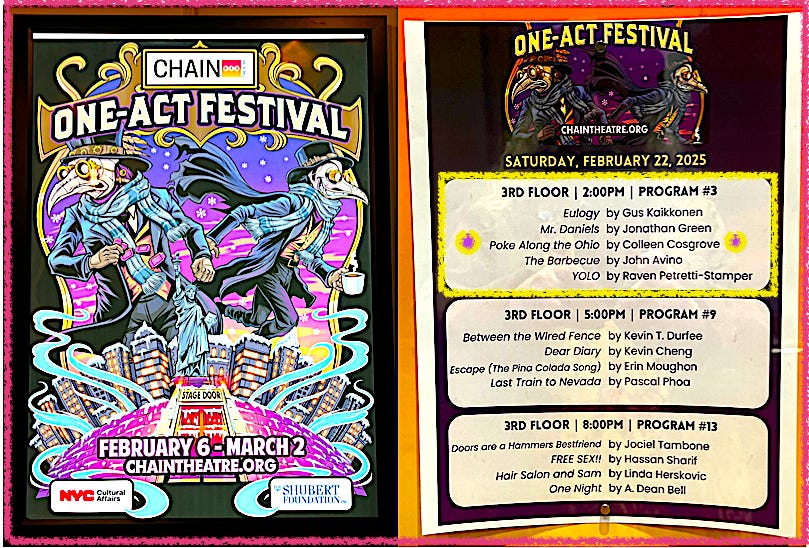
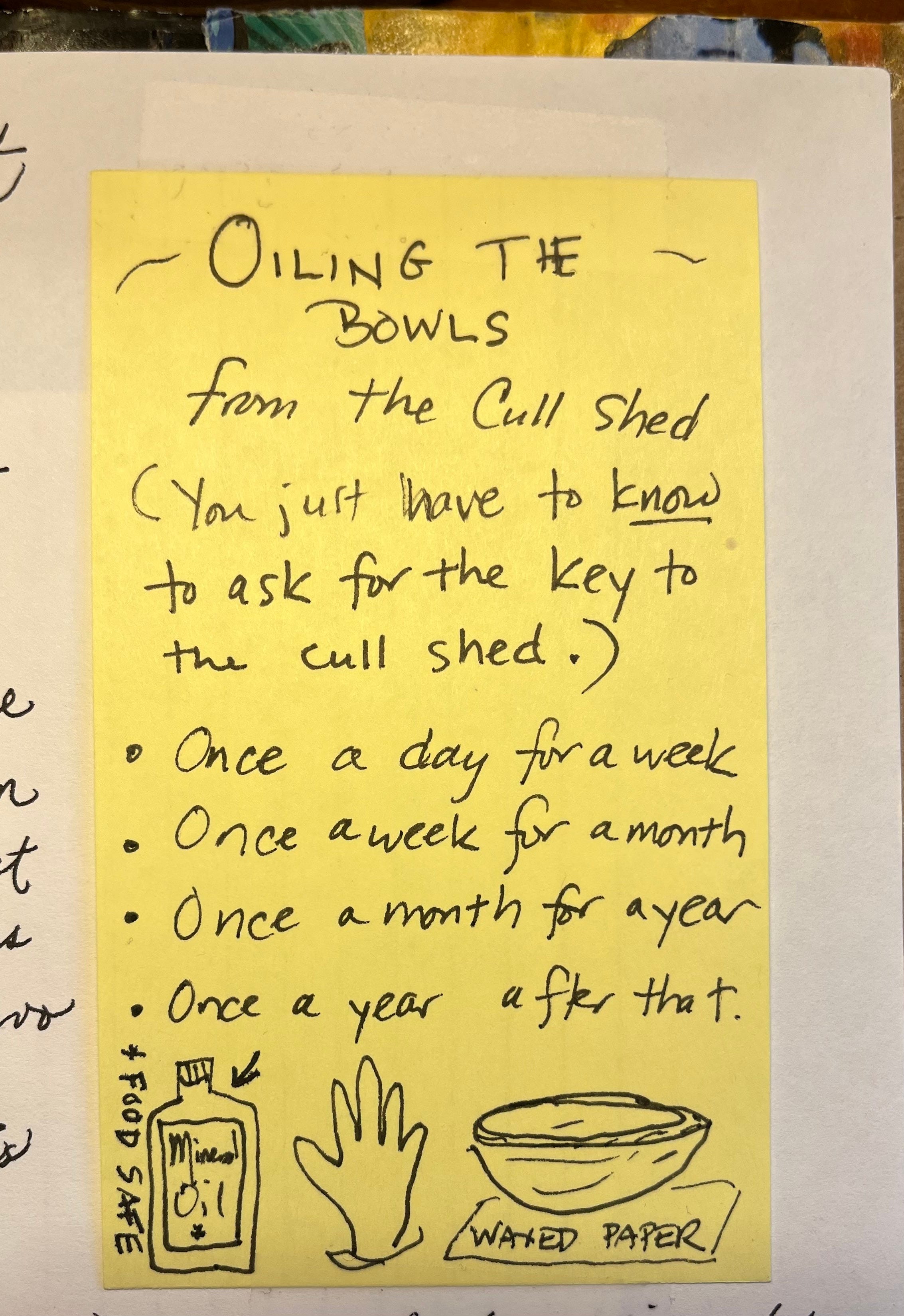
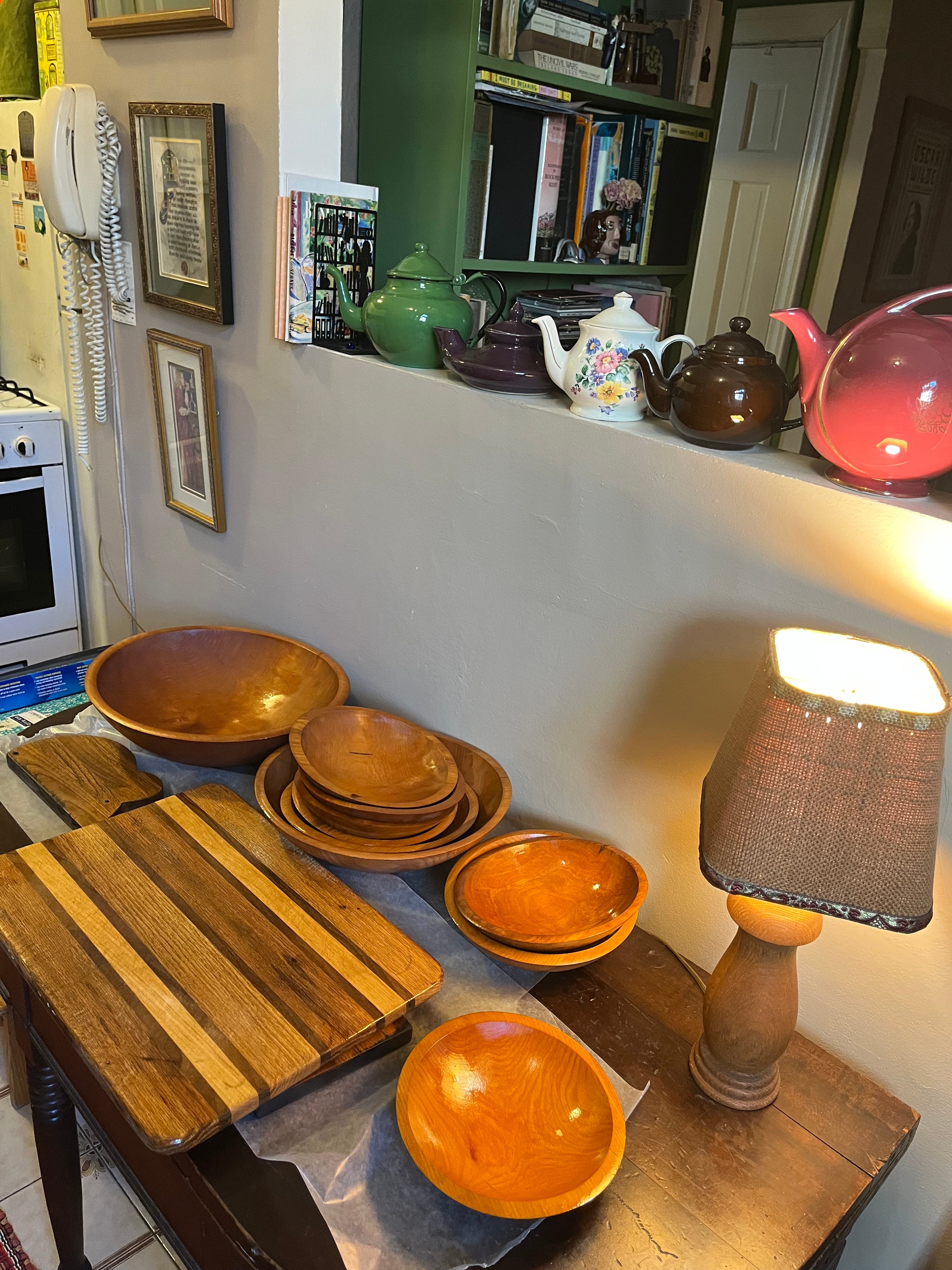


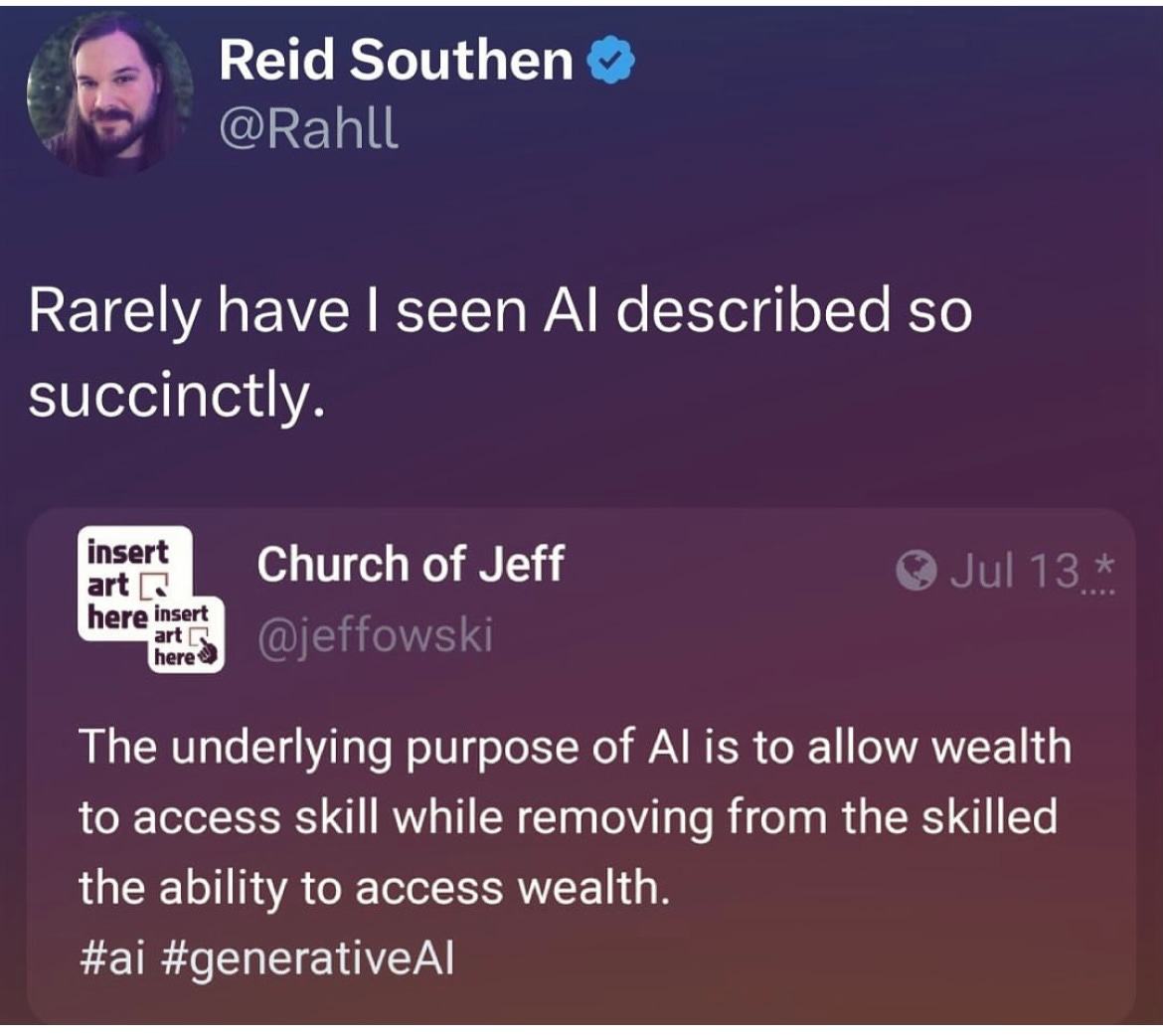
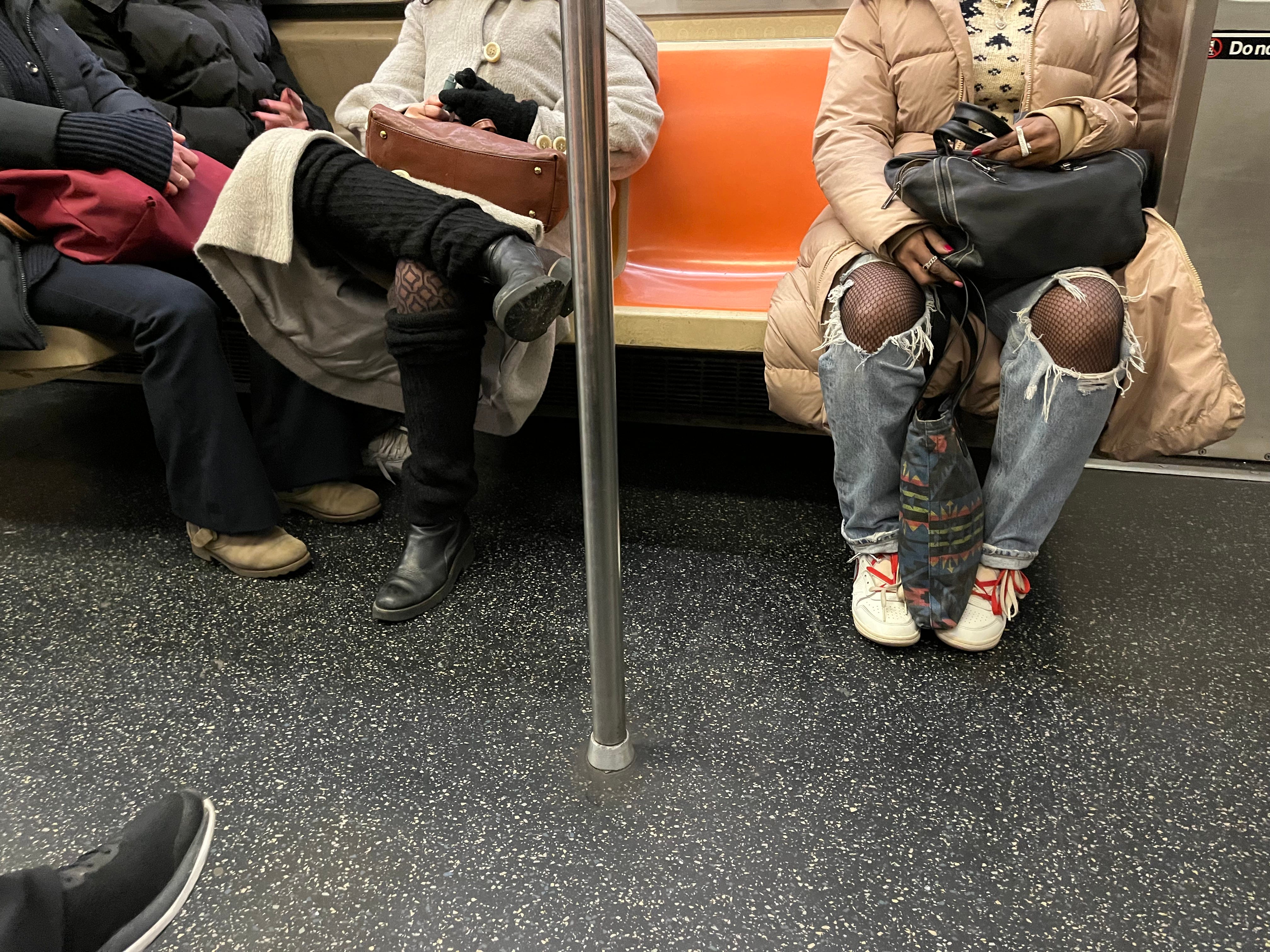
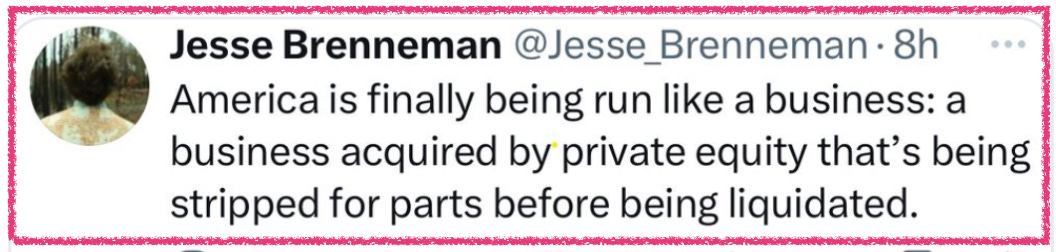
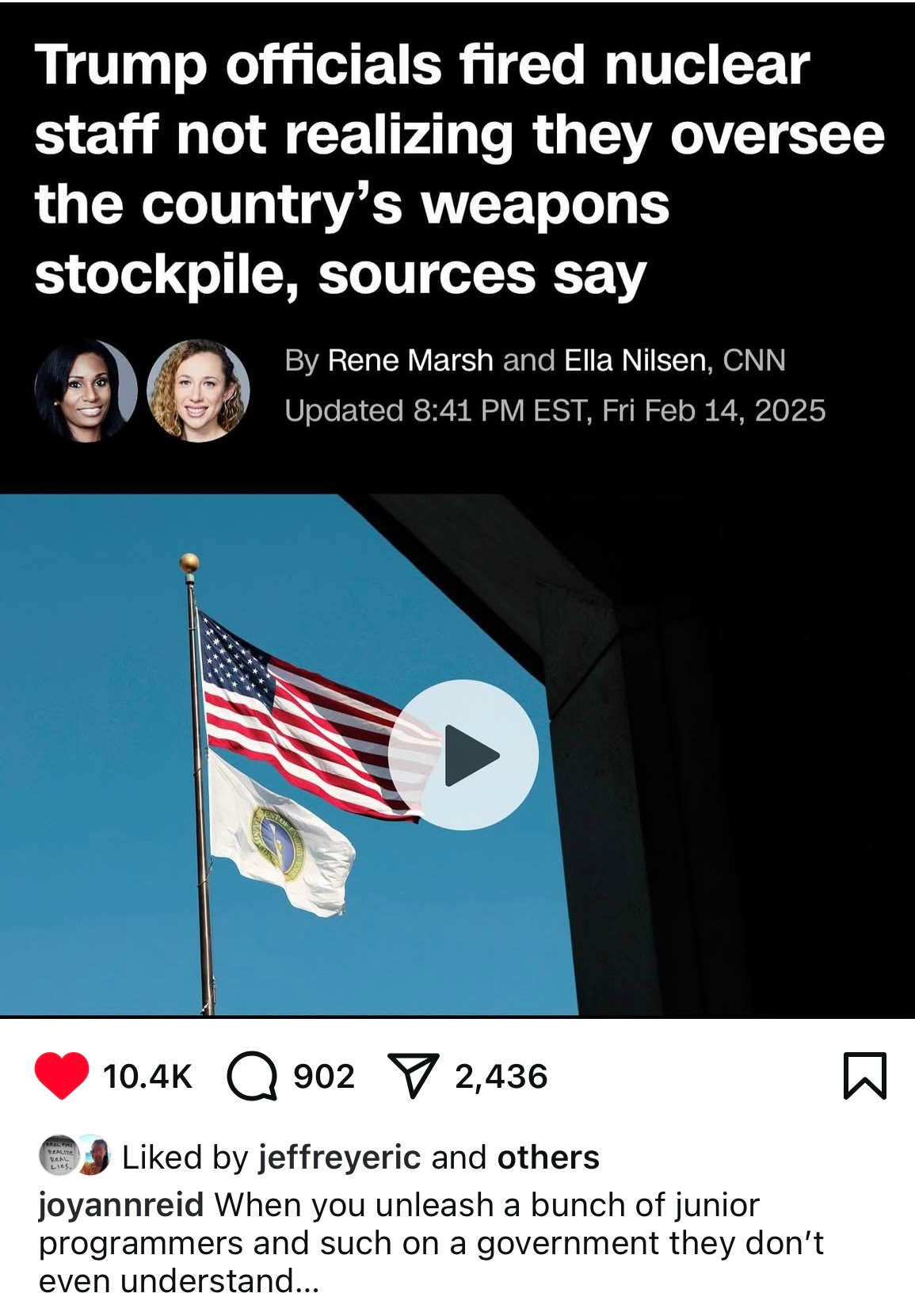
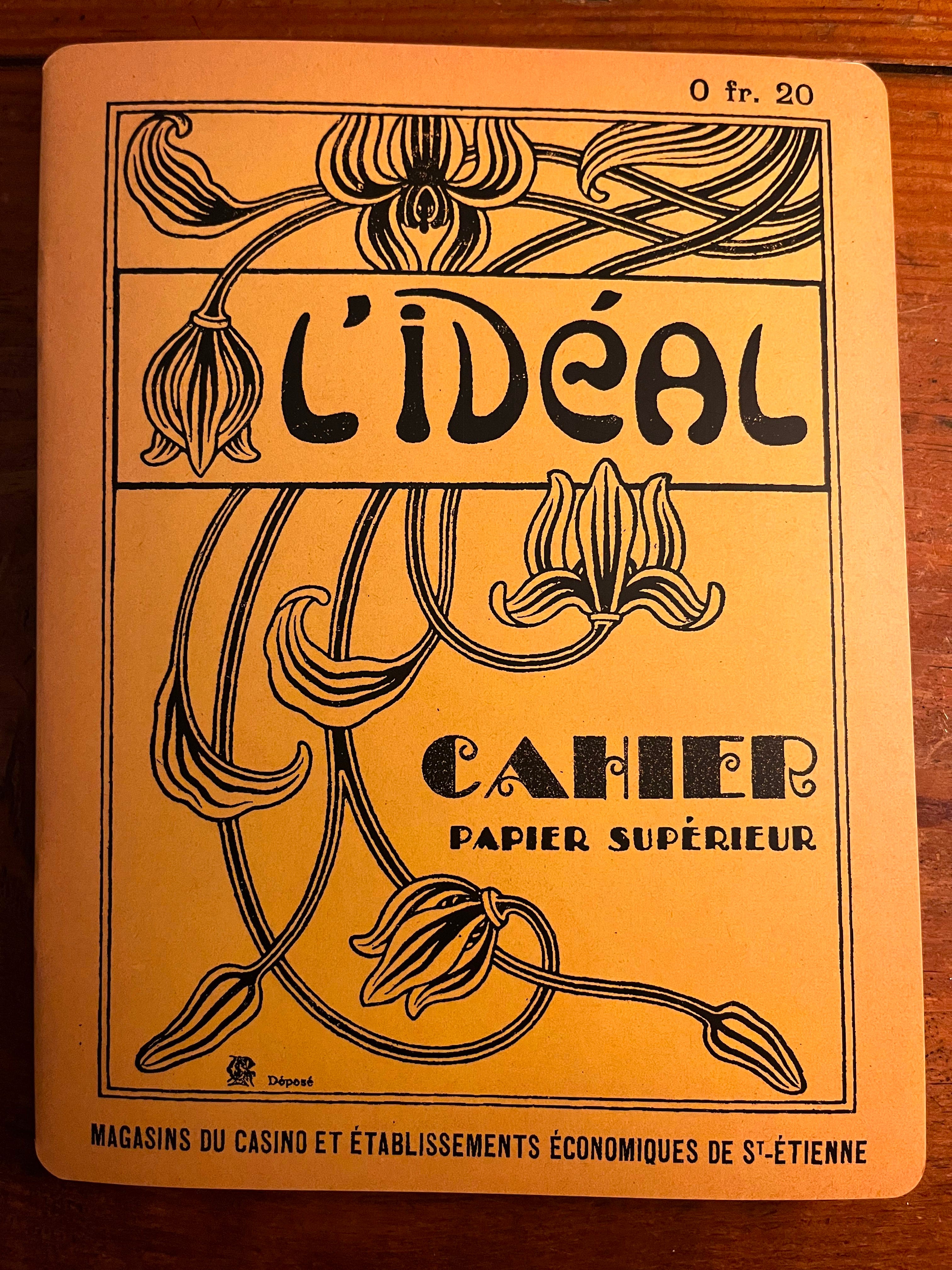
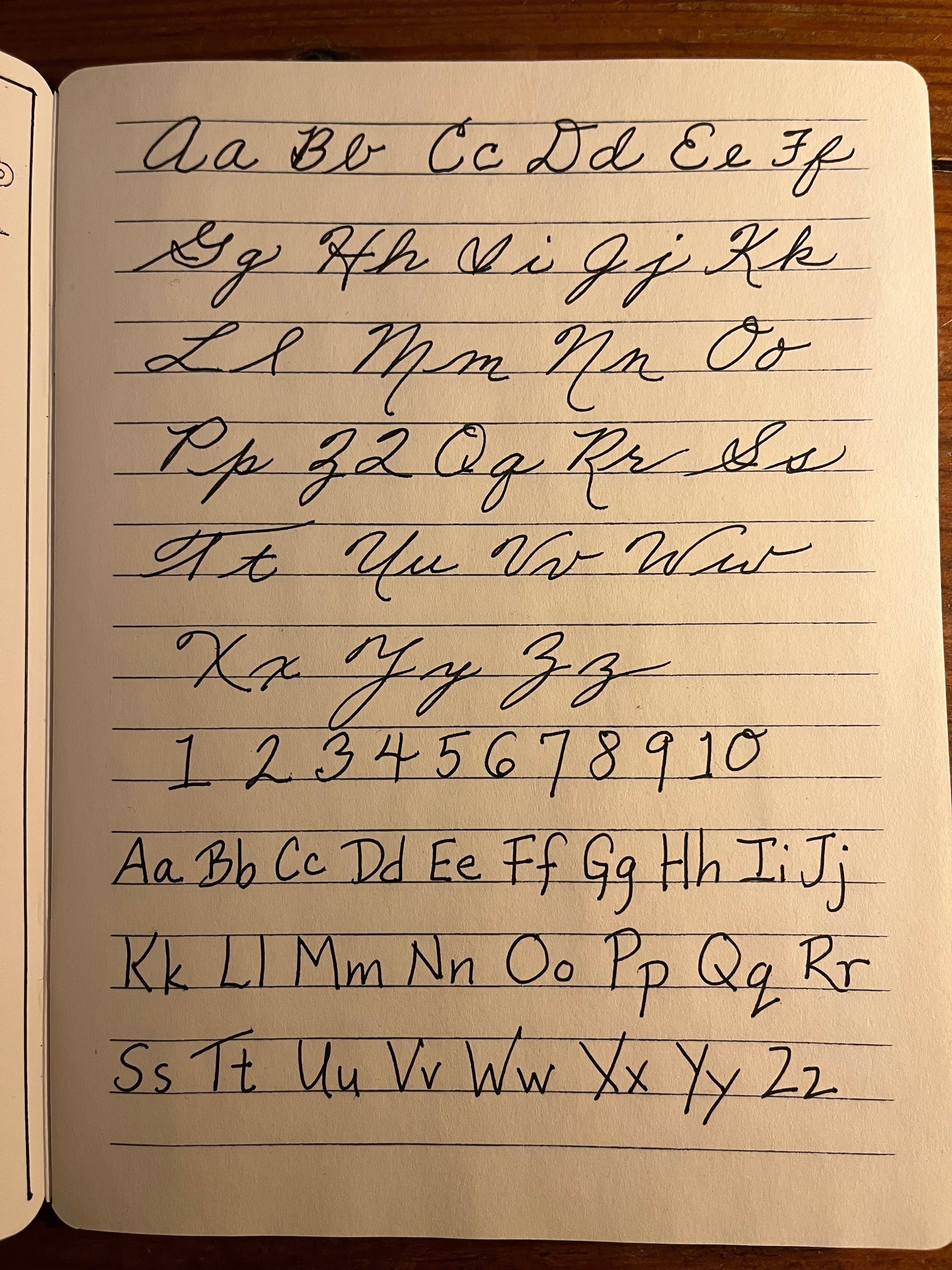


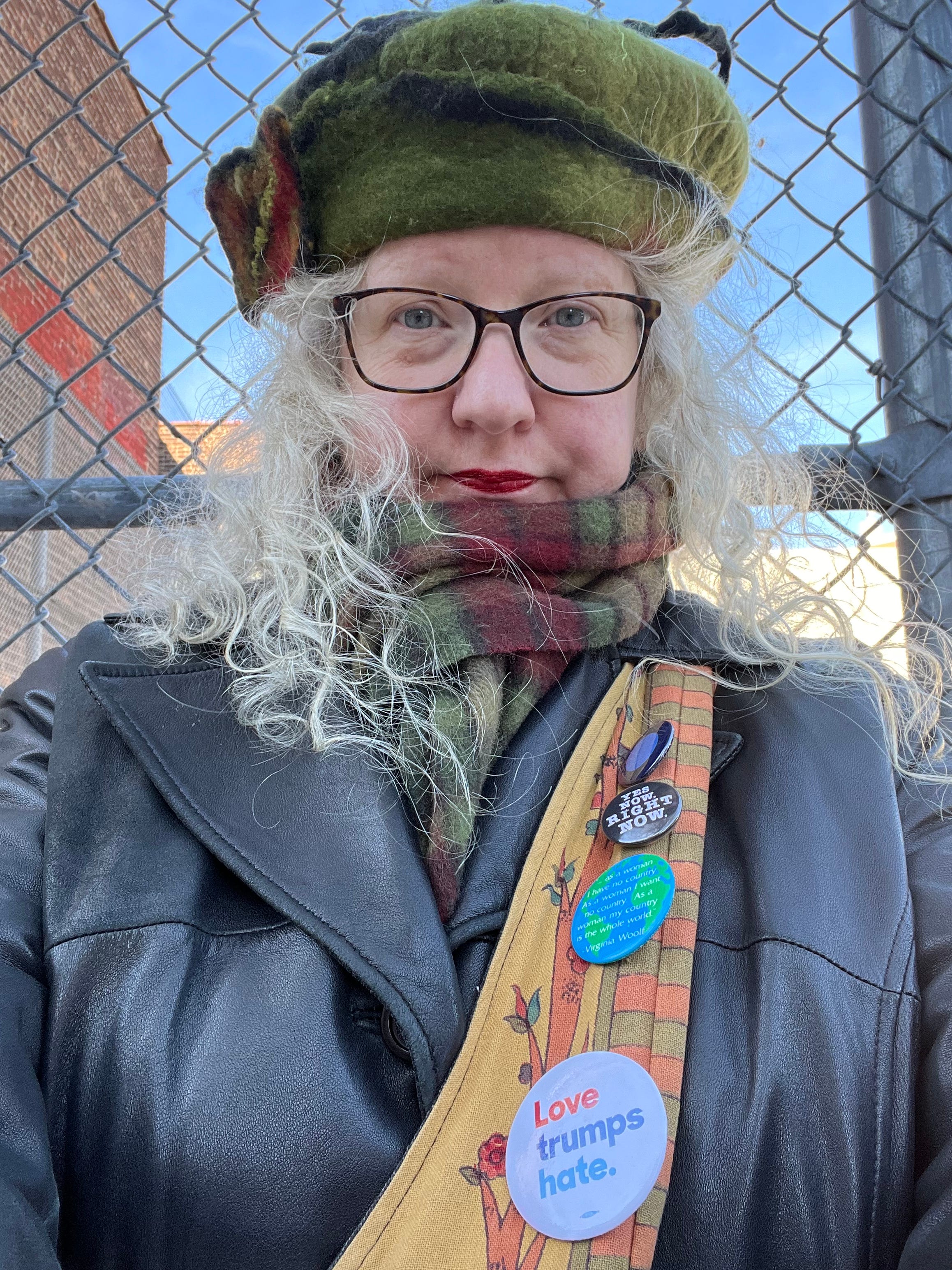
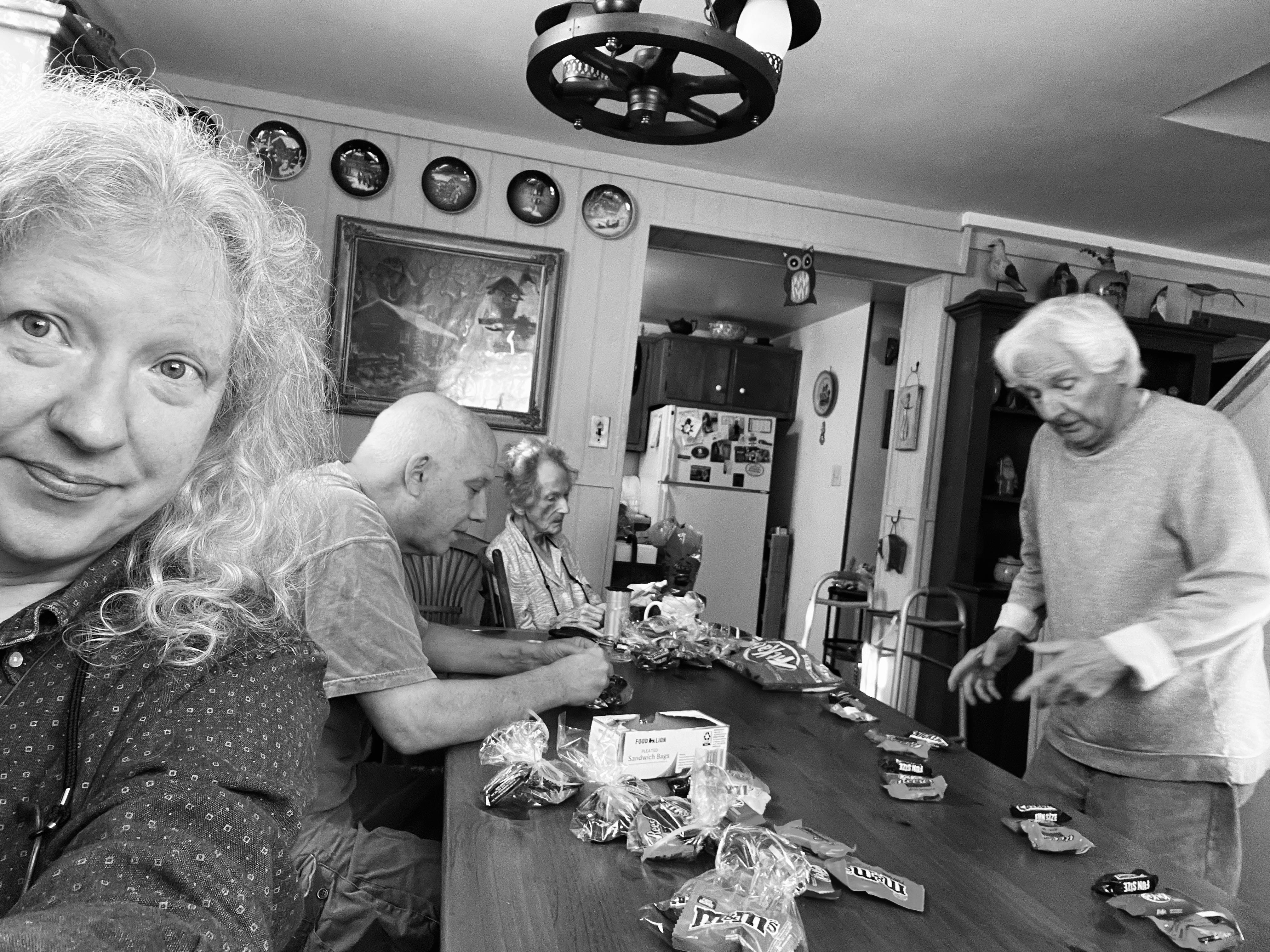
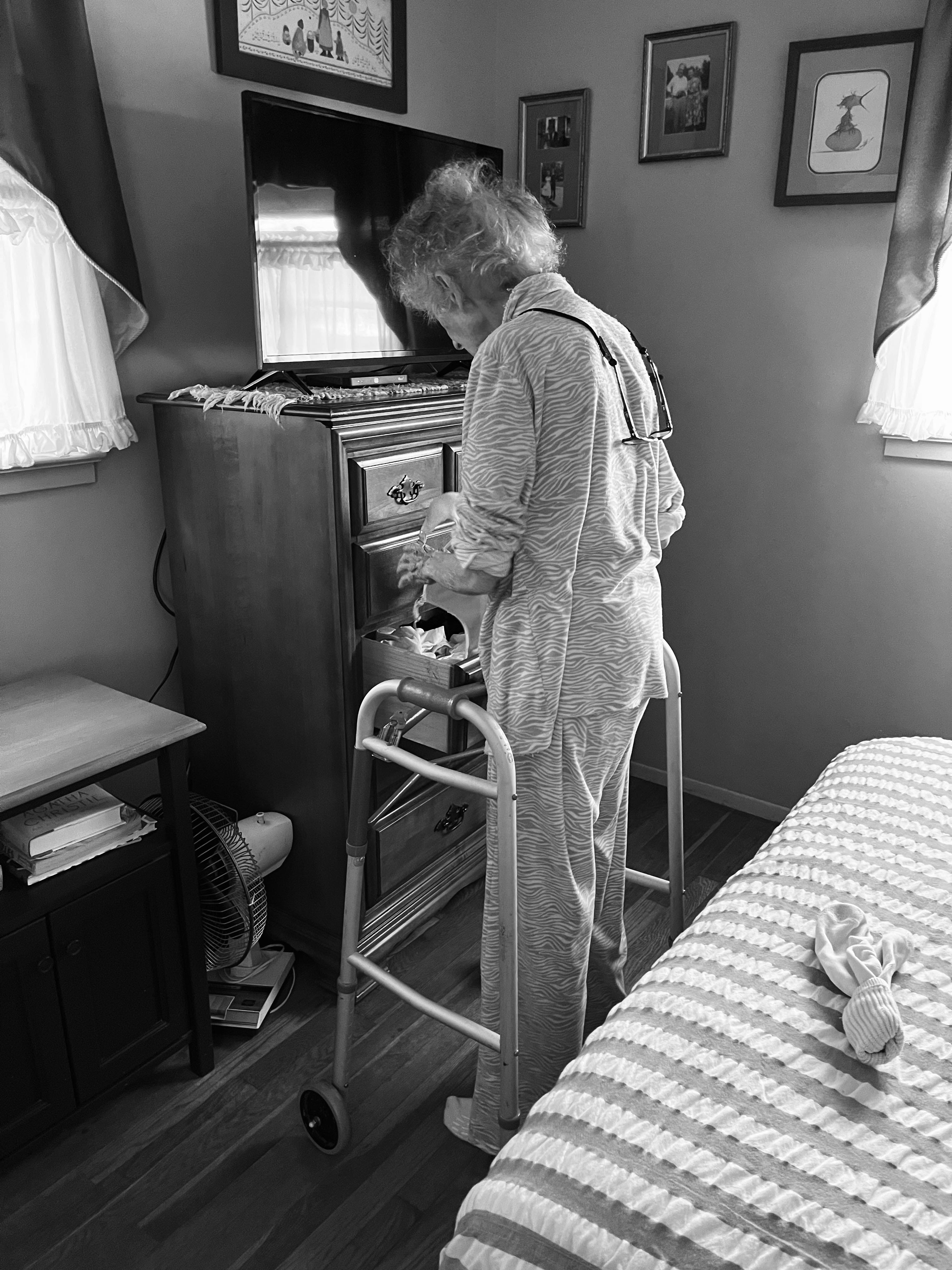
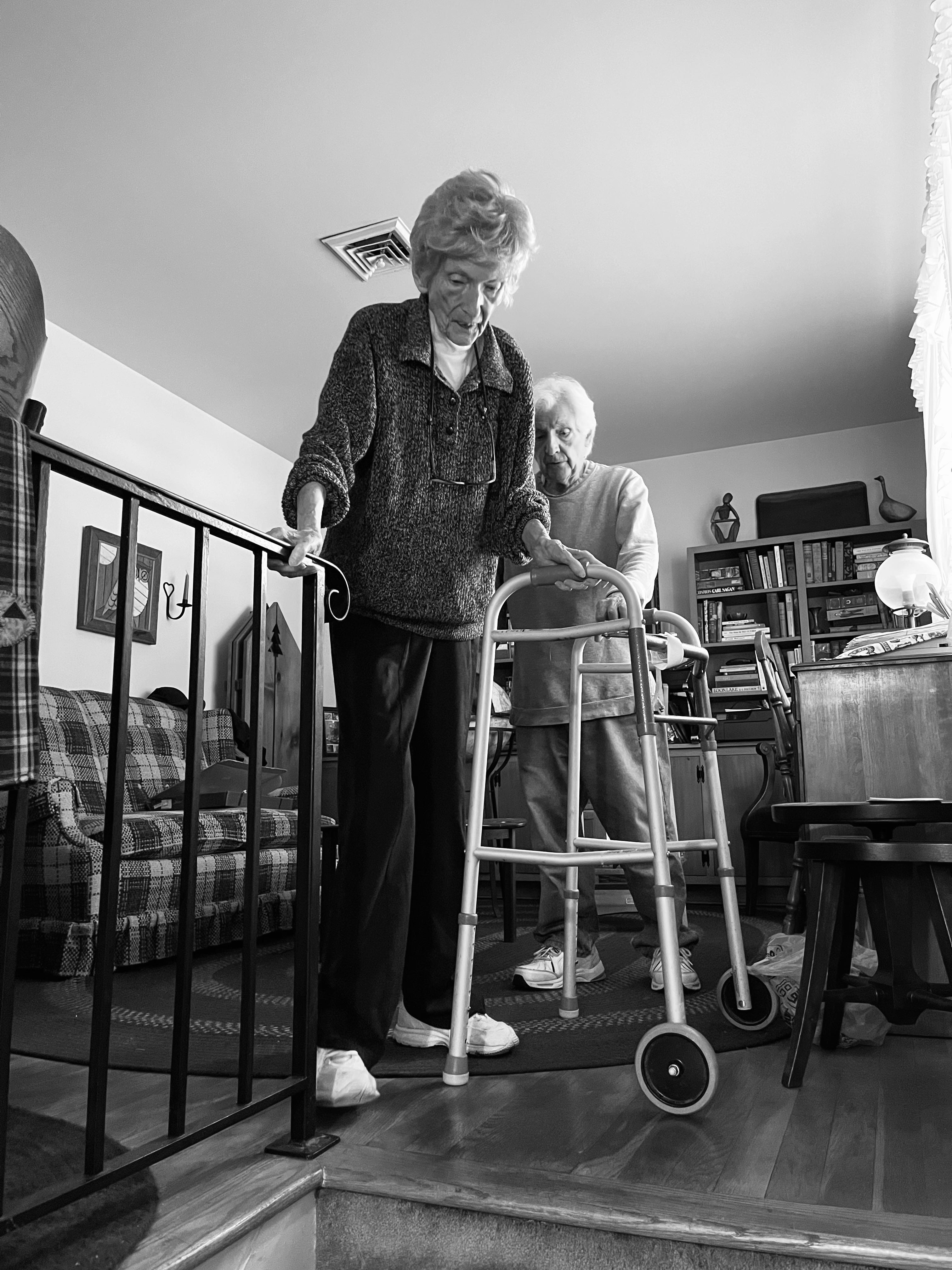
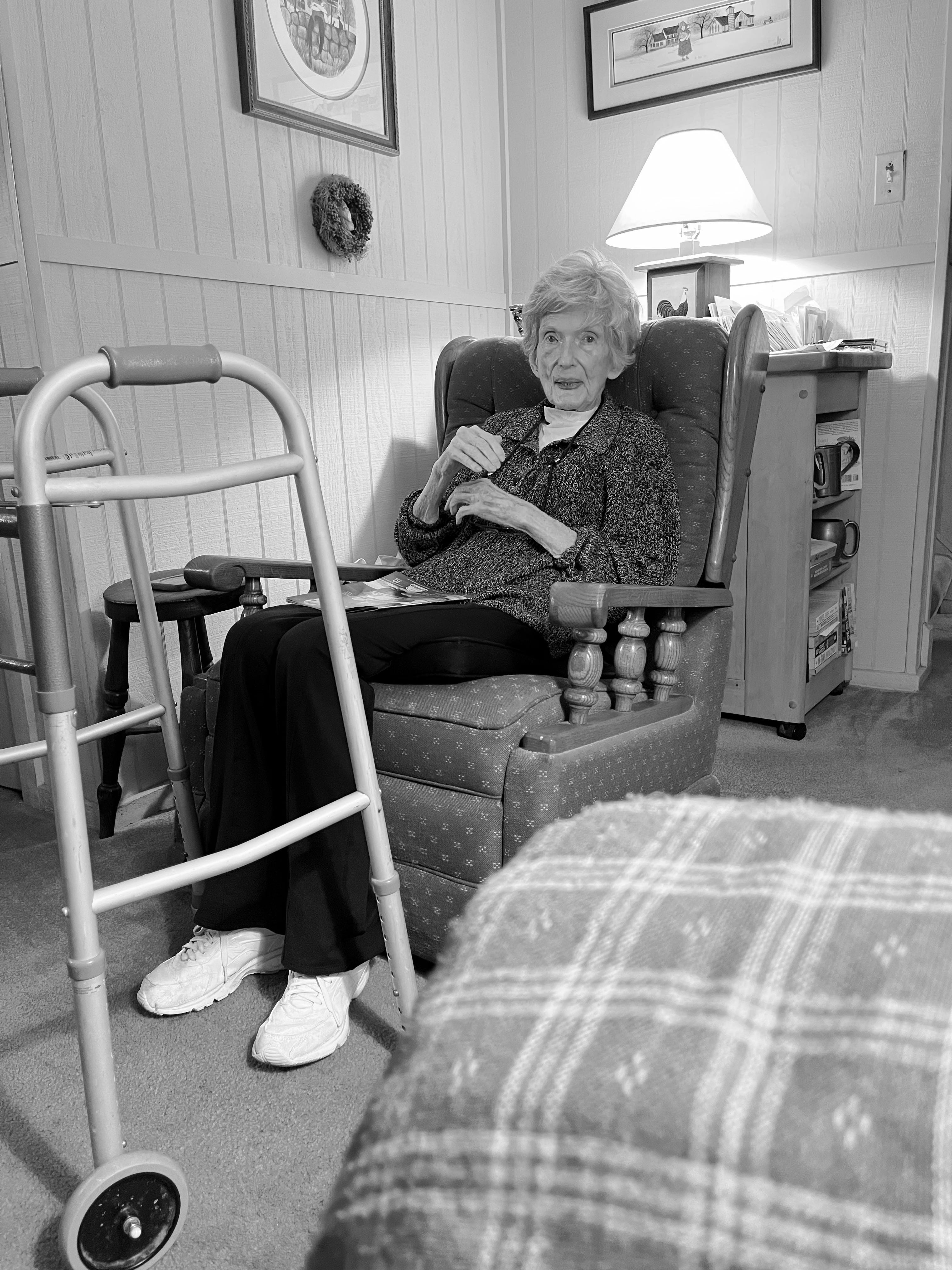

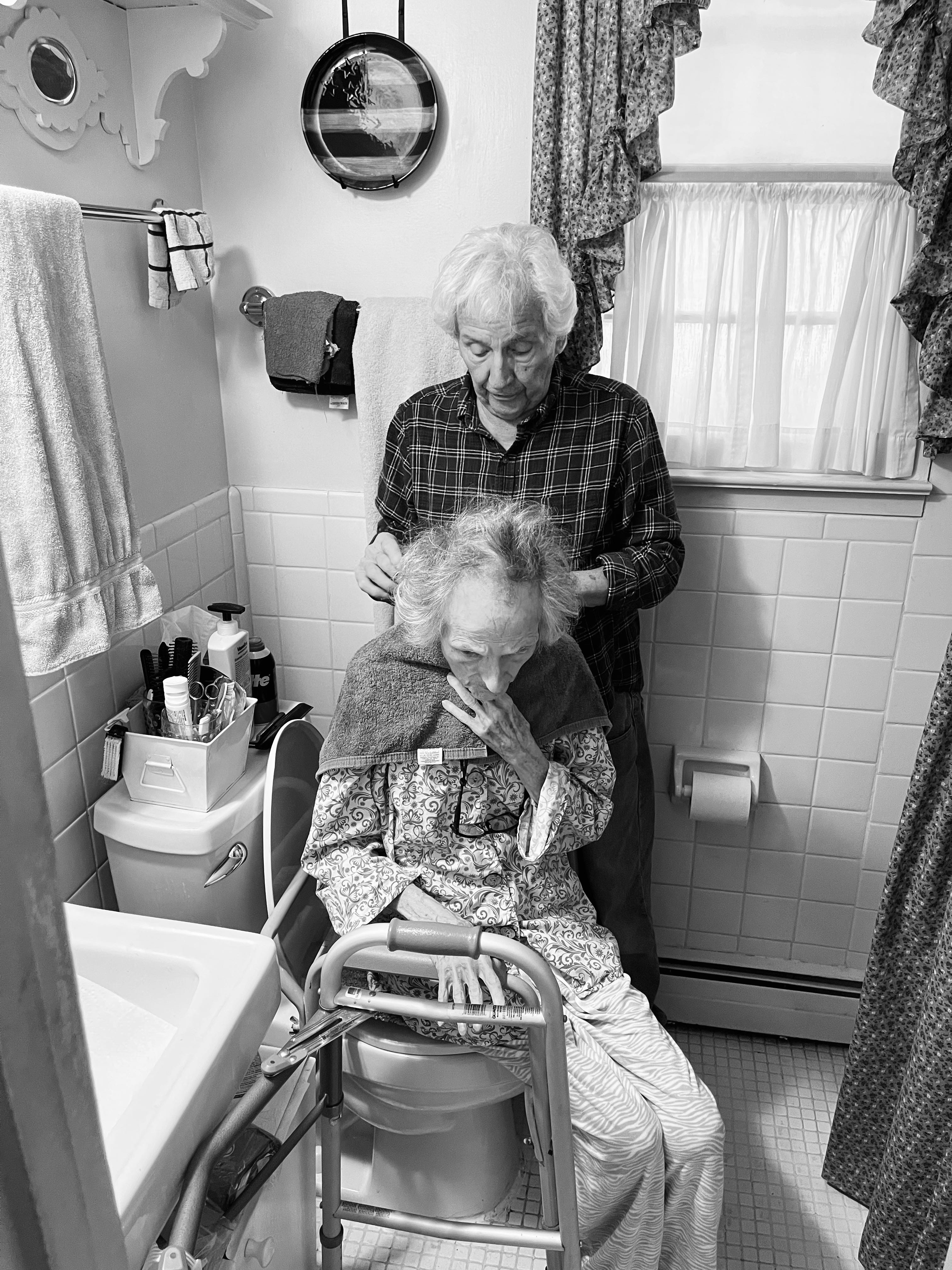
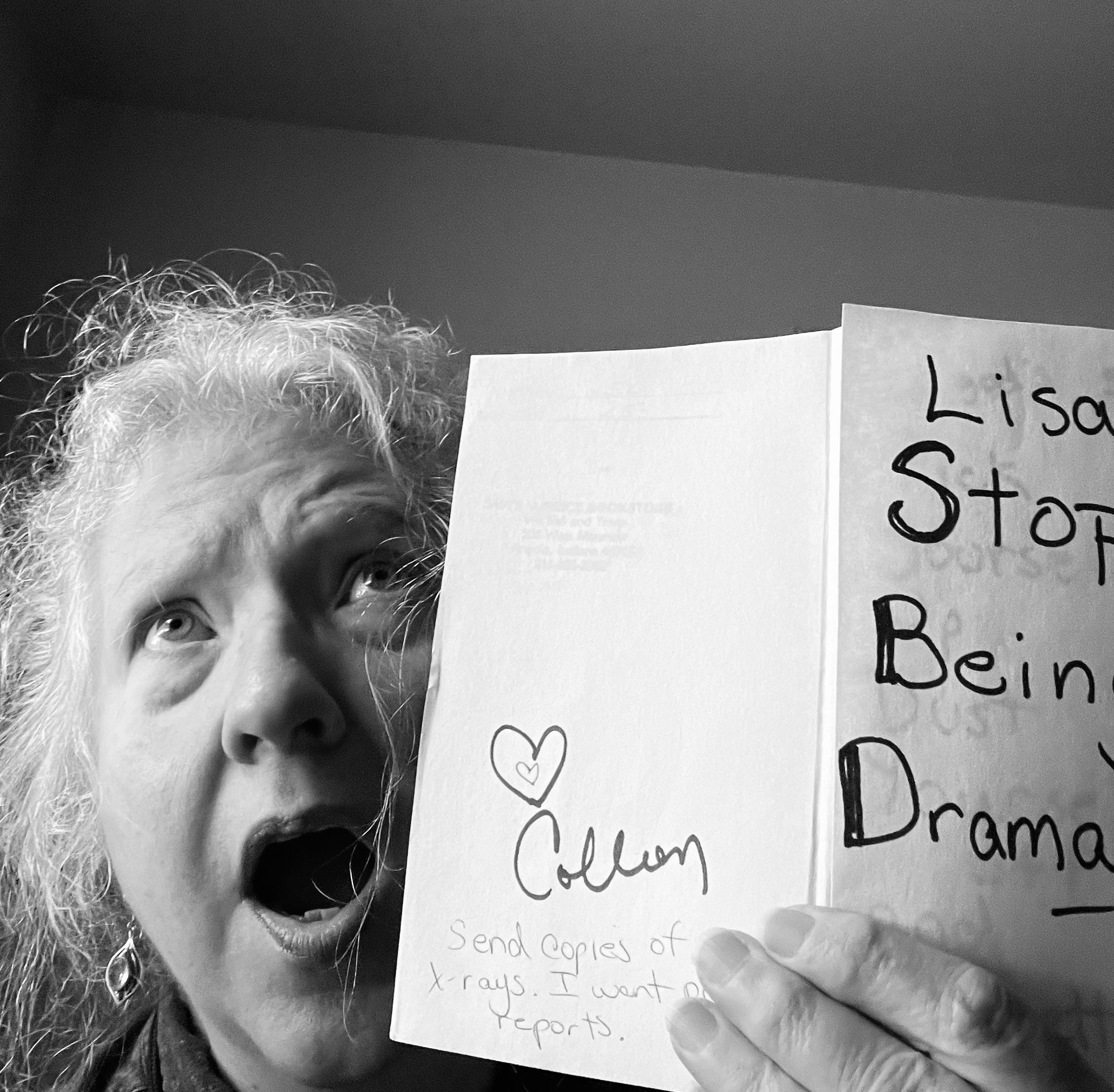
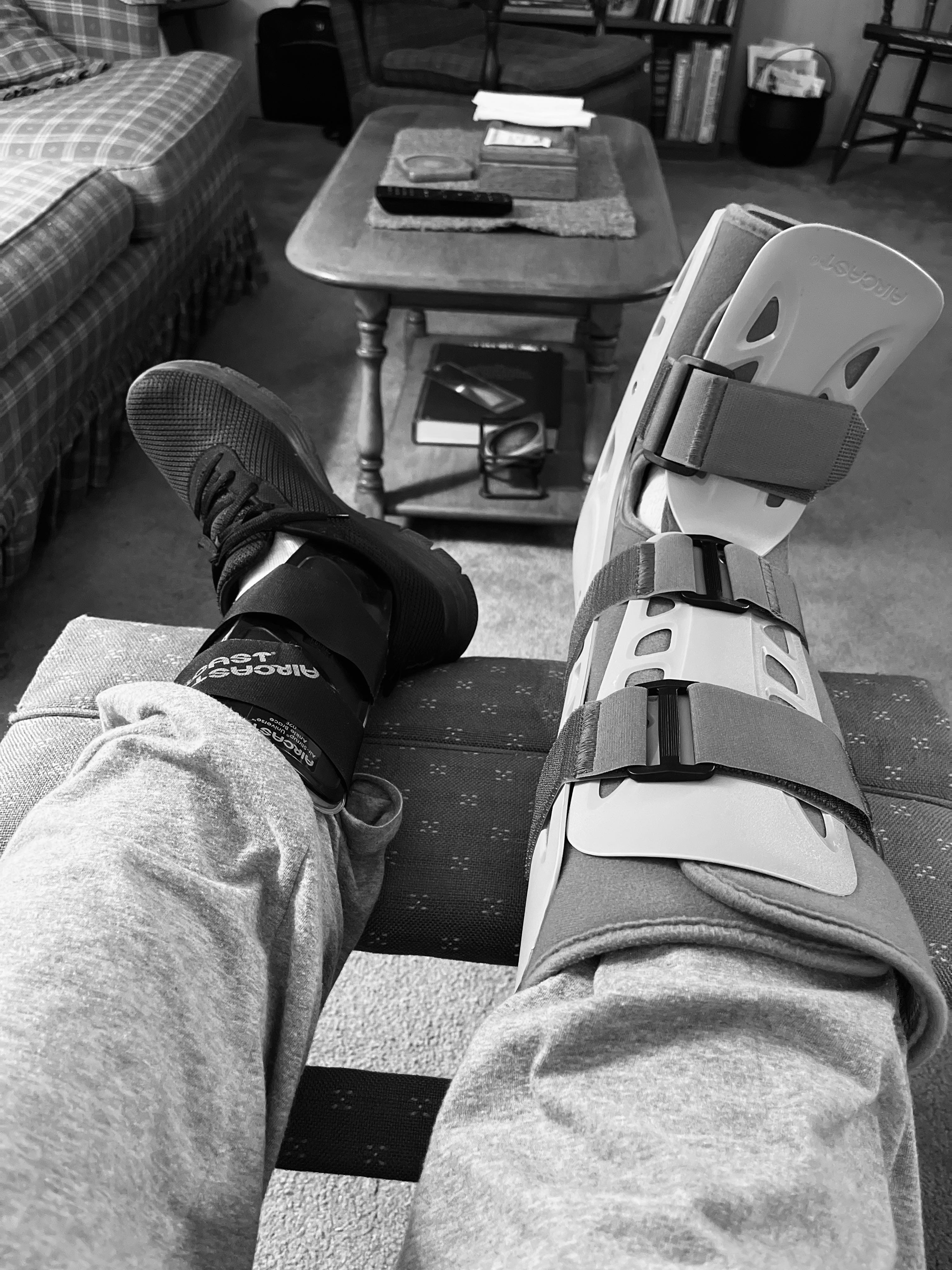


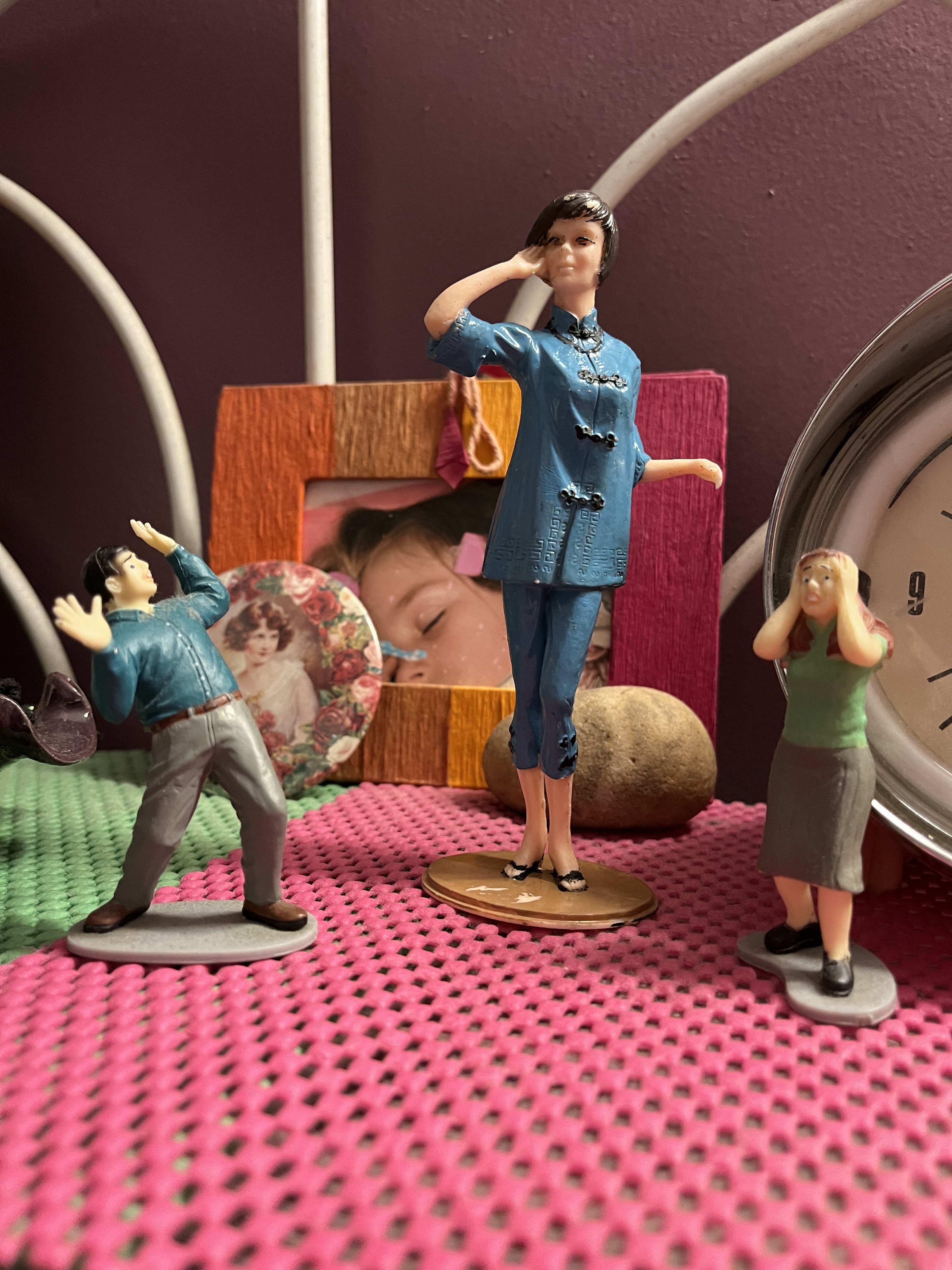
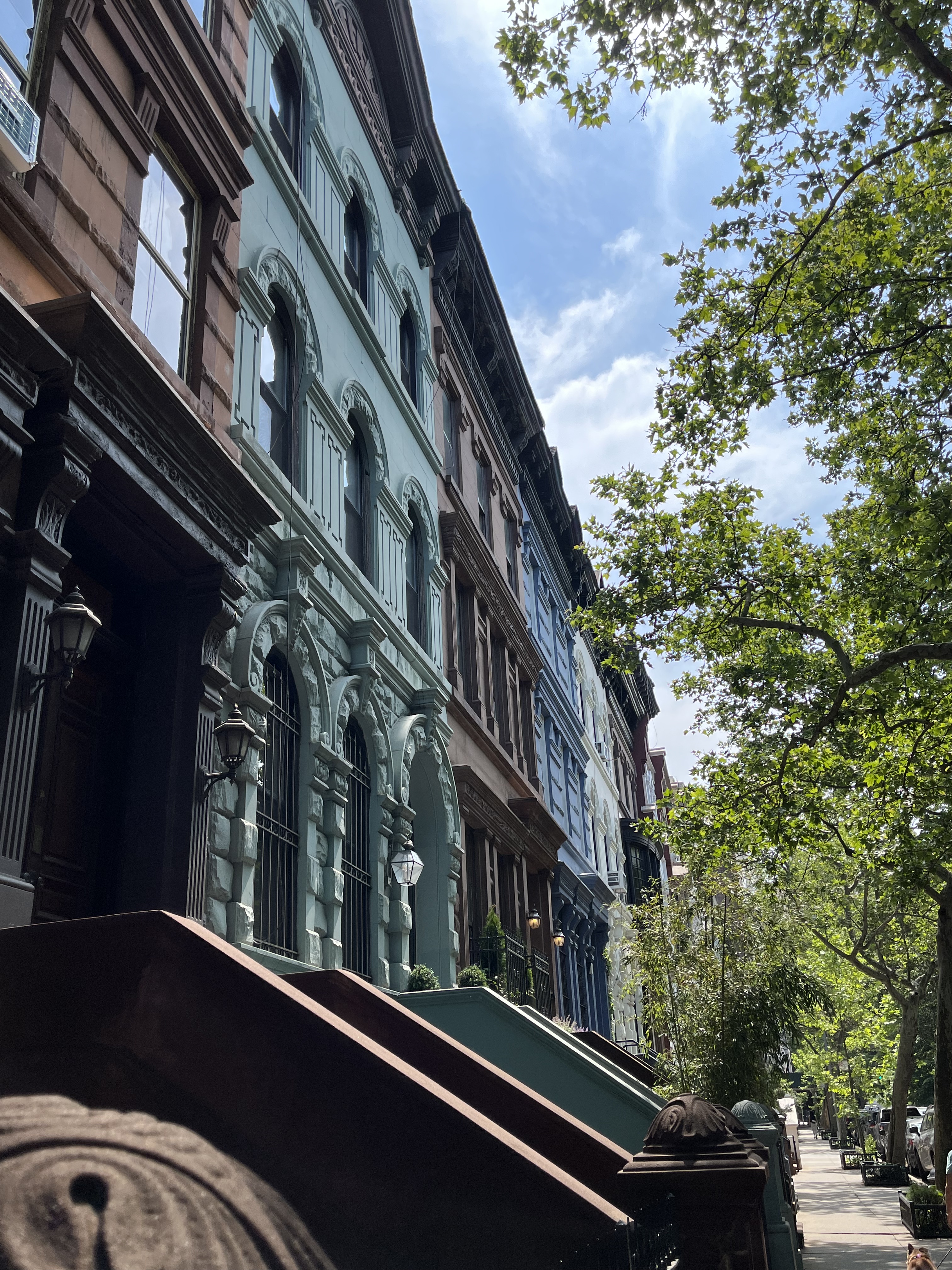
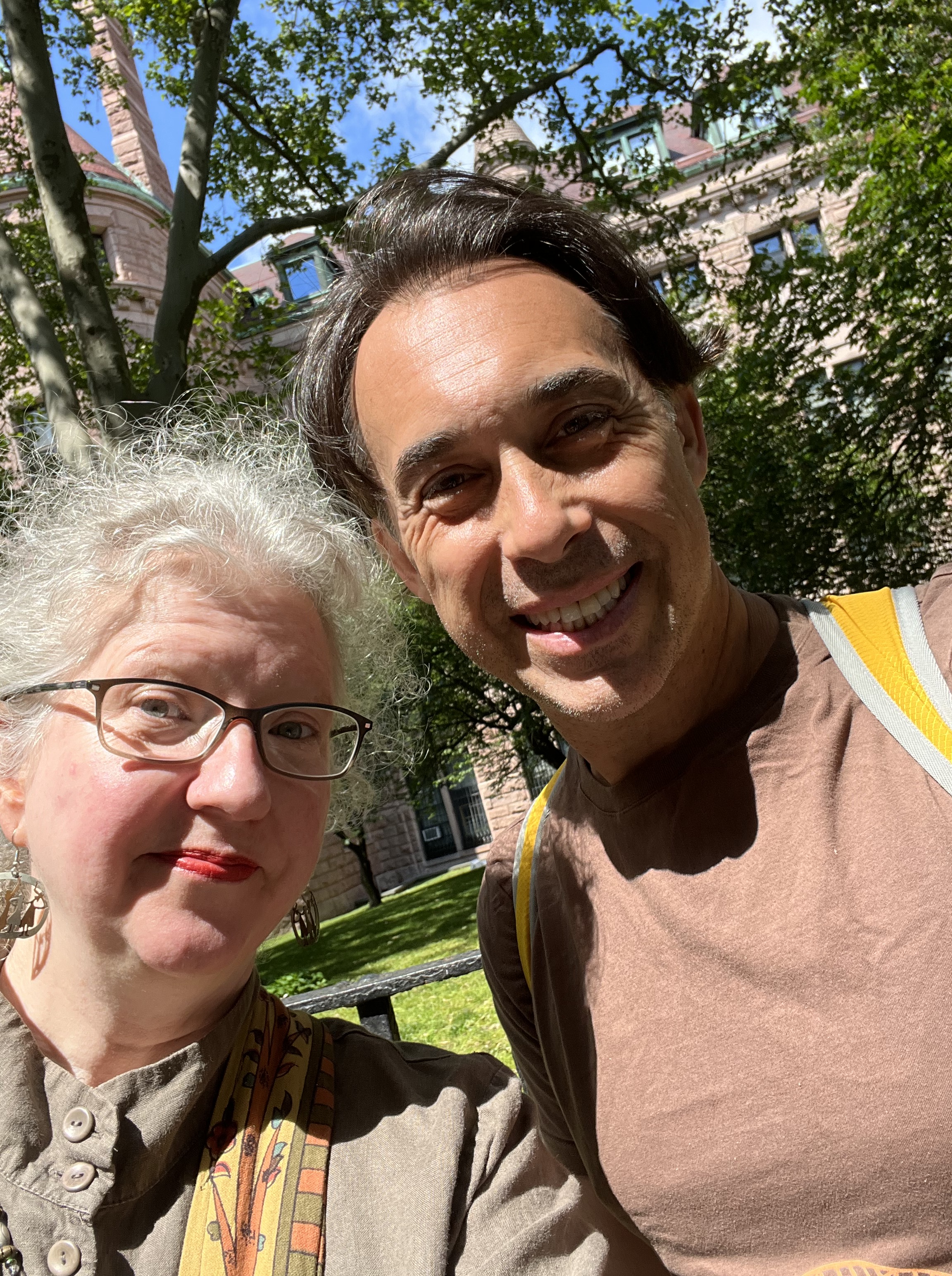
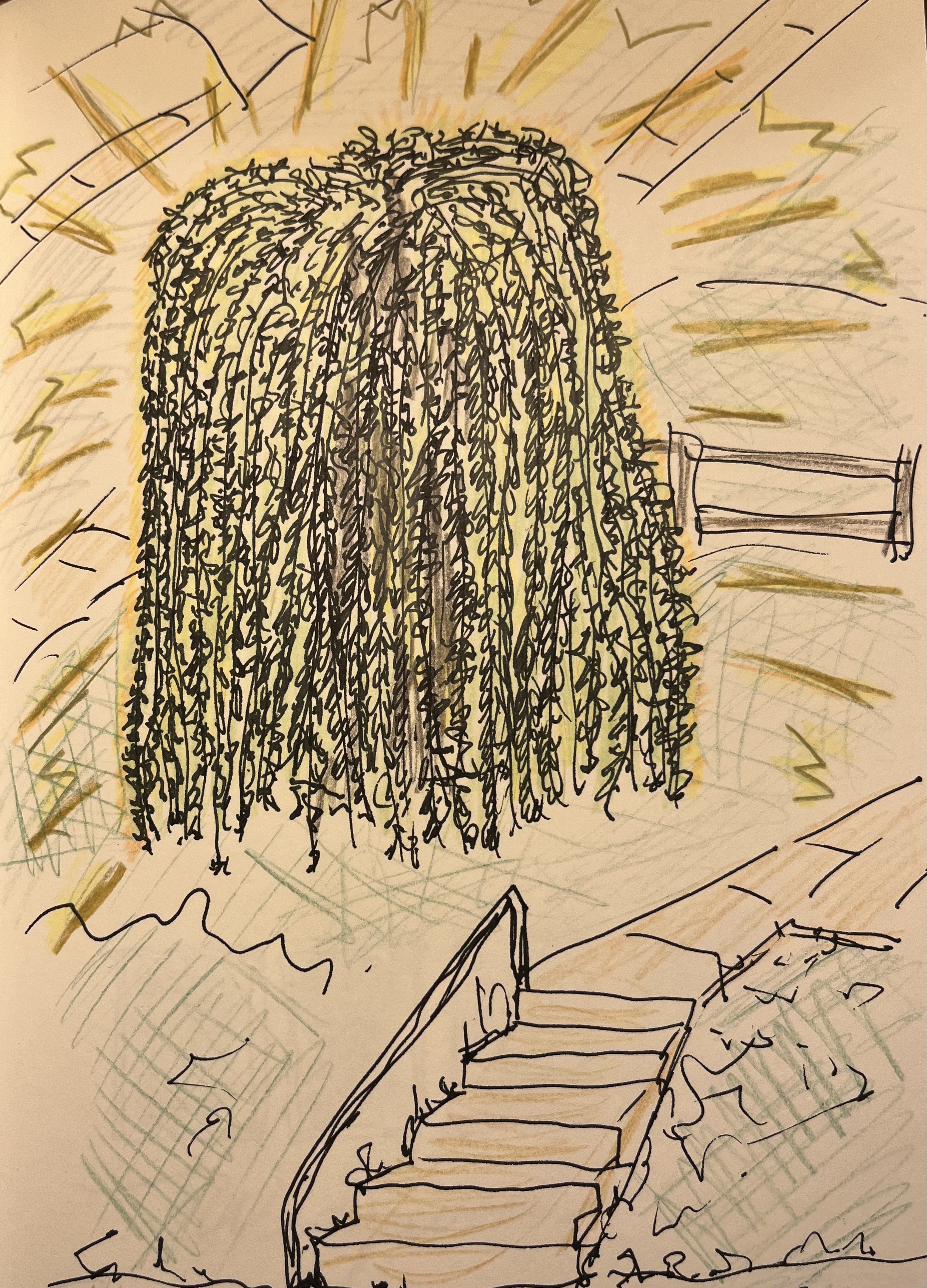


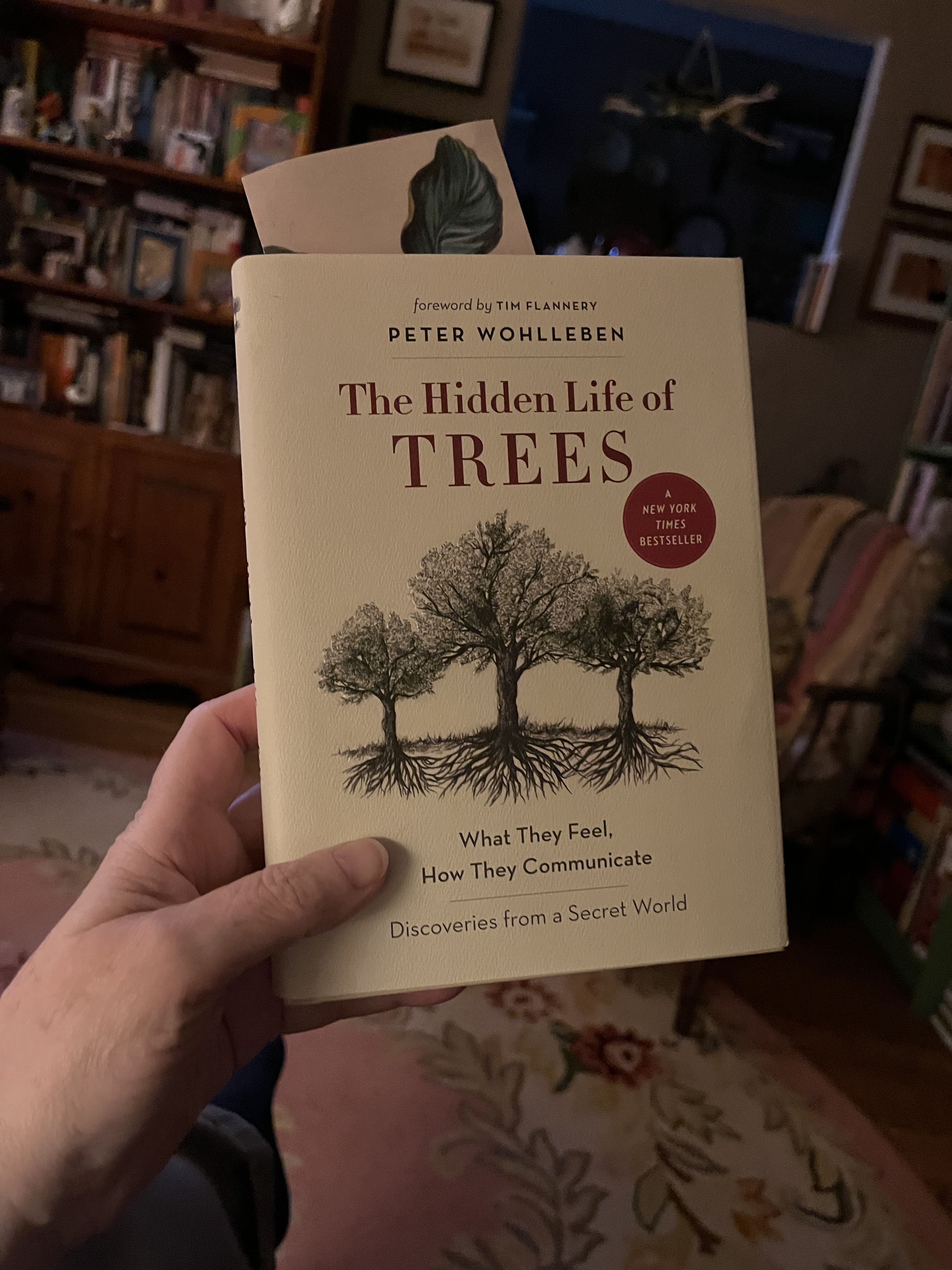


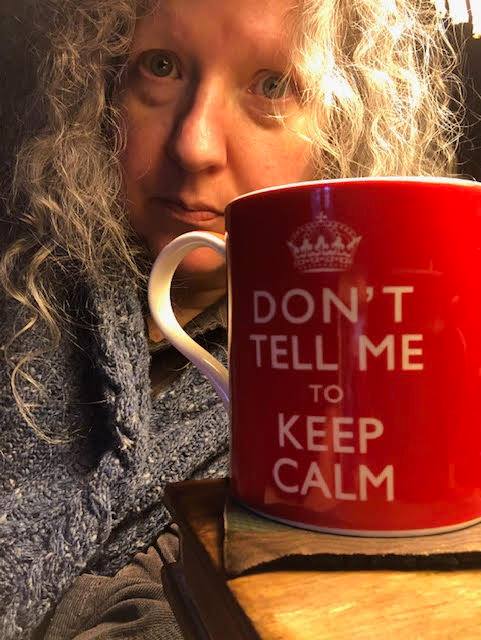

 The Miss O' Show (Teacher's Edition)